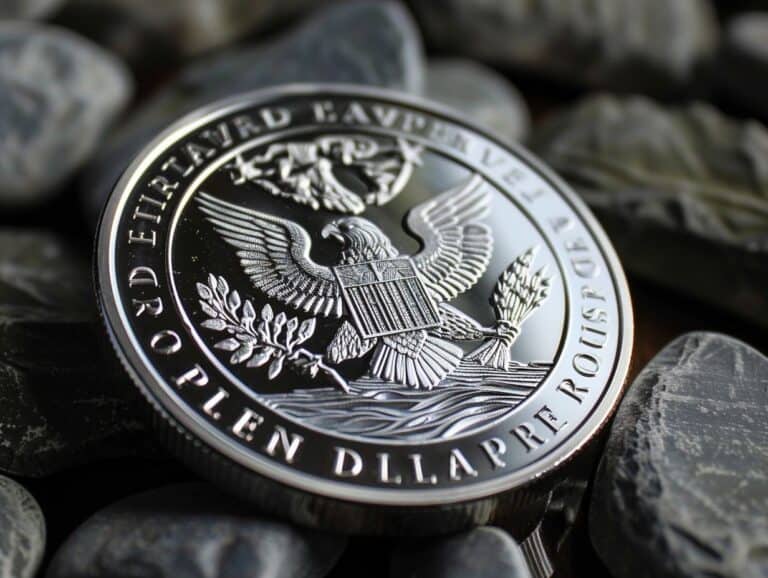
Palladium IRAs offer investors a way to diversify their retirement portfolios with physical precious metals while maintaining tax advantages. This specialized retirement account allows individuals to hold palladium coins, bars, and bullion that meet strict IRS purity requirements of 99.95%.
The process involves choosing an IRS-approved custodian, opening a self-directed IRA account, funding the account, selecting qualifying palladium products, and arranging secure storage at an approved depository. Understanding these requirements helps investors navigate the setup process and avoid common pitfalls that could result in penalties or tax consequences.
Setting up a palladium IRA requires careful attention to IRS regulations and custodian selection. The investment can be funded through direct contributions or by rolling over existing retirement accounts like 401(k)s and traditional IRAs.
This guide covers the complete process from account setup to long-term portfolio management strategies.
Key Takeaways
- Palladium IRAs require IRS-approved custodians and must store metals at approved depositories with specific purity standards
- Investors can fund accounts through direct contributions or rollovers from existing retirement accounts like 401(k)s and traditional IRAs
- Portfolio diversification with palladium involves understanding market risks, storage costs, and long-term allocation strategies
Understanding Palladium IRAs
A palladium IRA allows investors to hold physical palladium as part of their retirement savings. This specialized individual retirement account offers unique benefits for portfolio diversification and inflation protection.
What Is a Palladium IRA?
A palladium IRA is a type of self-directed IRA that enables investors to hold physical palladium bullion, coins, or bars within their retirement account. Unlike traditional IRAs limited to stocks and bonds, this account type expands investment options to include precious metals.
The palladium must meet specific IRS requirements. It needs 99.95% minimum purity to qualify for IRA inclusion.
Investors cannot store the palladium themselves. The precious metals must be held in an IRS-approved depository to maintain the account’s tax-advantaged status.
A specialized custodian manages the account and ensures compliance with federal regulations. The custodian handles all transactions and maintains proper documentation for tax purposes.
Benefits of Adding Palladium to Your Retirement Portfolio
Palladium provides portfolio diversification by adding an asset class that often moves independently of traditional investments. This helps reduce overall portfolio risk during market volatility.
The metal serves as a hedge against inflation since precious metals typically maintain value when currency purchasing power declines. Industrial demand for palladium in automotive catalytic converters supports its price stability.
Palladium offers potential for appreciation due to limited supply and growing industrial applications. The metal’s rarity makes it valuable for long-term wealth preservation.
Tax advantages include deferred growth on investment gains until retirement distributions begin. This allows more capital to compound over time compared to taxable accounts.
Palladium vs Other Precious Metals in IRAs
| Metal | Industrial Use | Price Volatility | Market Size |
|---|---|---|---|
| Palladium | High (automotive) | High | Small |
| Gold | Low | Moderate | Large |
| Silver | Moderate | High | Medium |
| Platinum | High (automotive) | Moderate | Small |
Palladium shows higher price volatility than gold due to its smaller market and concentrated industrial demand. This creates both opportunity and risk for investors.
Gold remains the most stable precious metal option with the largest market. It offers reliable store of value characteristics with less dramatic price swings.
Silver provides industrial exposure similar to palladium but with a larger, more liquid market. It typically costs less per ounce than other precious metals.
Platinum shares automotive industry exposure with palladium but historically trades at different price levels. Both metals face similar supply constraints from limited mining locations.
Ready to Protect Your Retirement?
Request your free State-Specific Gold IRA information kit and take the first step toward securing your financial future with precious metals.
Free Gold IRA GuideIRS Requirements and Eligible Palladium Products
The IRS has strict rules about which palladium products can be held in retirement accounts. Only palladium that meets specific purity levels and comes from approved sources qualifies for IRA inclusion.
IRS Purity Standards for Palladium
Palladium products in IRAs must have a minimum purity of 99.95%. This high standard ensures only investment-grade palladium qualifies for retirement accounts.
The IRS created these strict purity requirements to protect investors. Lower-grade palladium does not meet the standards for tax-advantaged retirement investing.
Key Purity Requirements:
- Minimum 99.95% pure palladium (.9995 fineness)
- Must be certified by approved refineries
- Cannot contain significant amounts of other metals
Products that fail to meet these standards will be rejected by IRA custodians. The purity level must be clearly marked on all qualifying palladium products.
Approved Palladium Bullion Coins and Bars
The IRS only approved certain palladium bars and coin types for retirement accounts. Most popular palladium products in the market are not IRA-eligible.
Approved palladium coins include select government-issued pieces. The Canadian Maple Leaf palladium coin meets IRS standards when it contains 99.95% pure palladium.
Eligible Palladium Products:
- Government-issued palladium coins
- Approved refinery bars
- Certified palladium rounds from qualified mints
The Austrian Philharmonic palladium coin also qualifies when it meets purity requirements. However, collectible or numismatic palladium coins are prohibited in IRAs.
Palladium jewelry and decorative items cannot be held in retirement accounts. Only investment-grade bullion products qualify for IRA inclusion.
Understanding IRS Regulations for Precious Metals IRAs
IRS regulations require palladium to be stored in an approved depository with an authorized custodian. Investors cannot store IRA palladium at home or in personal safes.
The regulations exist to maintain the tax-advantaged status of retirement accounts. Breaking these rules can result in penalties and tax consequences.
Storage Requirements:
- Must use IRS-approved custodian
- Storage in qualified depository facility
- Professional insurance coverage required
Taking physical possession of palladium from an IRA triggers immediate taxes and penalties. The IRS treats this as a distribution from the retirement account.
How Much Will Your Gold IRA Really Cost?
See exactly how much you'll pay in setup, annual, and storage fees. Get personalized company recommendations based on your investment amount and retirement timeline.
Calculate My Total FeesInvestors must work with custodians who understand precious metals regulations. These specialists ensure all palladium purchases and storage meet IRS requirements.
Step-By-Step Process to Hold Palladium in Your IRA
Adding palladium to your IRA requires working with specialized custodians, selecting secure storage facilities, funding your account properly, and purchasing IRS-compliant palladium products. Each step involves specific requirements and regulations that must be followed to maintain your retirement account’s tax-advantaged status.
Selecting an IRA Custodian
Choosing the right IRA custodian is the foundation of your palladium investment strategy. Not all custodians handle precious metals, so you need one that specializes in precious metals IRAs.
Traditional brokers like Fidelity or Vanguard do not offer precious metals storage services. You must find a custodian that specifically works with self-directed IRAs and has experience with palladium investments.
Key factors to evaluate when selecting an IRA custodian:
- Experience with precious metals: Look for custodians with at least 5-10 years handling palladium IRAs
- Fee structure: Annual fees typically range from $100-$300 plus transaction fees
- Storage partnerships: Verify they work with IRS-approved depositories
- Customer service: Check reviews and response times for account management
Research each custodian’s track record with regulatory compliance. The custodian must follow all IRS rules for precious metals IRAs to protect your retirement account status.
Contact multiple custodians to compare their services and fees before making your decision. This comparison helps ensure you get the best value for your investment.
Choosing an IRS-Approved Depository
Your palladium must be stored in an IRS-approved depository to maintain your IRA’s tax benefits. You cannot store the metal at home or in a personal safe deposit box.
IRS-approved depositories provide specialized security and insurance for precious metals. These facilities meet strict federal requirements for storing retirement account assets.
Popular IRS-approved depositories include:
| Depository | Location | Security Features |
|---|---|---|
| Delaware Depository | Wilmington, DE | 24/7 monitoring, armed guards |
| Brinks | Multiple locations | Segregated storage, full insurance |
| International Depository Services | Multiple locations | Climate-controlled vaults |
Segregated storage keeps your palladium separate from other investors’ metals. This option costs more but provides better protection and easier identification of your specific assets.
Non-segregated storage mixes your palladium with other investors’ metals of the same type. This option costs less but means you receive equivalent metals, not your exact pieces, when you sell.
Most depositories charge annual storage fees between $150-$300. Insurance coverage is typically included in these fees.
Funding Your Self-Directed IRA
Your self-directed IRA can be funded through several methods, each with different rules and timelines. The funding method you choose affects when you can purchase palladium.
Direct contributions allow you to add new money to your IRA each year. For 2025, you can contribute up to $7,000 if you’re under 50, or $8,000 if you’re 50 or older.
Don't Pay More Taxes Than You Have To
The wrong Gold IRA choice could cost you thousands in unnecessary taxes. See exactly how much you'll pay in taxes with a Traditional vs. Roth Gold IRA. Compare both options side-by-side based on your age, income, and retirement timeline.
IRA rollovers move money from one retirement account to another. You have 60 days to complete the rollover to avoid taxes and penalties.
Direct transfers move funds between IRA custodians without you touching the money. This method eliminates the 60-day rollover deadline and reduces error risk.
401(k) rollovers let you move funds from employer plans to your self-directed IRA. This option typically provides the largest funding amounts for palladium purchases.
Complete all paperwork accurately to avoid delays in funding. Your custodian will guide you through the specific requirements for your chosen funding method.
Verify that funds have cleared before placing palladium orders. Most custodians require 3-5 business days for fund verification.
Purchasing Palladium for Your IRA
Only specific types of palladium qualify for IRA investment. The IRS requires palladium to have 99.95% purity to be eligible for retirement accounts.
IRS-approved palladium products include:
- Canadian Maple Leaf palladium coins
- American Eagle palladium coins
- Credit Suisse palladium bars
- PAMP Suisse palladium bars
- Johnson Matthey palladium bars
Your custodian must approve all palladium purchases before you buy. They will verify the dealer’s credentials and ensure the products meet IRS requirements.
Work with reputable palladium dealers that understand IRA regulations. These dealers can ship directly to your approved depository to maintain compliance.
Compare prices from multiple dealers before purchasing. Palladium prices change daily, and dealer premiums vary significantly.
Document all purchases with invoices and certificates of authenticity. Your custodian needs these records for IRS reporting and account management.
The dealer will coordinate with your depository to ensure secure delivery. Never take physical possession of the palladium yourself, as this would trigger taxes and penalties.
Palladium IRA Rollover: How to Transfer Funds
Moving funds into a palladium IRA requires understanding the distinction between transfers and rollovers, following proper procedures to avoid penalties, and managing tax consequences effectively.
Difference Between Transfer and Rollover
An IRA transfer moves funds directly between financial institutions without the account holder touching the money. This process poses no tax risks or time limits.
A rollover involves the account holder receiving funds from one retirement account and depositing them into another. Direct rollovers transfer funds between institutions automatically.
Gold IRA Company Comparison Checklist
Before choosing a Gold IRA company, use our comprehensive checklist to compare fees, reputation, storage options, and customer service ratings.
Download ChecklistIndirect rollovers require the investor to deposit received funds within 60 days. Missing this deadline triggers taxes and penalties on the entire amount.
| Method | Tax Risk | Time Limit | Involvement |
|---|---|---|---|
| Transfer | None | None | Minimal |
| Direct Rollover | None | None | Minimal |
| Indirect Rollover | High | 60 days | Active |
Transfers work best for moving existing IRA funds. Rollovers suit 401(k) or 403(b) conversions to precious metals IRAs.
Steps for a Successful Palladium IRA Rollover
The palladium IRA rollover process involves seven essential steps to ensure compliance and success.
Step 1: Choose a qualified custodian who specializes in precious metals IRAs. Research their reputation, fees, and customer service ratings.
Step 2: Open a self-directed IRA account that allows palladium investments. Complete required paperwork and provide identification documents.
Step 3: Fund the new account through direct rollover from existing retirement savings. Contact both institutions to coordinate the transfer.
Step 4: Select an approved palladium dealer with transparent pricing and quality inventory. Verify they meet IRS standards for retirement accounts.
Step 5: Purchase qualifying palladium products that meet 99.95% purity requirements. Choose between government-issued coins and approved bars.
Step 6: Arrange secure storage in an IRS-approved depository. The facility must provide insurance and meet strict security standards.
Step 7: Complete required documentation for IRS reporting. Maintain detailed records of all transactions and communications.
Key Tax Implications
Palladium IRA rollovers maintain the same tax advantages as traditional gold IRA rollover transactions when executed properly.
Traditional IRA rollovers preserve tax-deferred status. No immediate taxes apply if completed within required timeframes.
Roth IRA conversions trigger current-year taxes on converted amounts. This strategy may benefit investors expecting higher future tax rates.
Contribution limits for 2025 remain $7,000 annually, with $1,000 additional for investors over 50. These limits apply regardless of precious metal type.
Early withdrawal penalties of 10% apply to distributions before age 59½. Required minimum distributions begin at age 73 for traditional accounts.
Indirect rollover violations result in immediate taxation plus penalties. The IRS treats missed deadlines as premature distributions from retirement savings.
Reserved for Portfolios of $500K or More
Your portfolio qualifies you for an exclusive one-on-one web conference with a senior precious metals advisor, priority service, and direct access to strategies reserved for our most valued clients.
Request Your Exclusive GuidePortfolio Diversification and Allocation Strategies
Smart investors balance palladium with other precious metals to reduce risk while maintaining growth potential. Setting clear investment timelines and understanding personal risk levels helps create a stable retirement portfolio that can weather market changes.
Balancing Palladium with Other Precious Metals
Creating a balanced precious metals IRA portfolio requires mixing different metals to reduce risk. Gold bullion typically forms the foundation, making up 40-60% of precious metals holdings.
Silver bullion offers growth potential and should represent 20-30% of the allocation. Palladium bullion works best as 10-20% of the total precious metals portion due to its higher volatility.
Recommended Allocation:
- Gold: 50%
- Silver: 25%
- Palladium: 15%
- Platinum: 10%
This approach spreads risk across metals with different market drivers. Gold provides stability during economic uncertainty.
Silver offers industrial demand growth. Palladium benefits from automotive industry needs.
Diversification helps protect portfolios from single-metal price swings.
Setting Your Investment Horizon and Risk Tolerance
Investment horizon determines how much palladium fits into an IRA strategy. Investors with 20+ years until retirement can handle more palladium due to its price swings.
Those within 10 years of retirement should limit palladium to 5-10% of precious metals holdings. Short-term investors face higher risk from palladium’s industrial price cycles.
Risk Tolerance Levels:
- Conservative: 5-10% palladium
- Moderate: 10-15% palladium
- Aggressive: 15-20% palladium
Age affects allocation decisions. Younger investors can accept more volatility for potential returns.
Older investors need stability to preserve retirement funds. Diligent research and risk management help determine appropriate palladium levels.
Personal financial goals guide these choices.
Maintaining a Balanced Approach During Market Volatility
Market volatility tests investment strategies and requires discipline. Palladium prices can swing 20-30% in short periods due to supply disruptions or demand changes.
A balanced approach means avoiding emotional decisions during price drops. Investors should stick to their planned allocation percentages rather than chase performance.
Your Complete Gold IRA Beginner's Guide
No confusing jargon. No pressure. Just clear answers about how Gold IRAs work, what they cost, and whether they're right for your retirement. Get the facts before you invest.
Get Your Free Starter GuideVolatility Management Tips:
- Review allocations quarterly, not daily
- Rebalance when metals drift 5% from target
- Keep cash reserves for opportunities
- Focus on long-term trends over short-term moves
Diversification across different assets reduces portfolio swings. When palladium falls, gold or silver may hold steady.
Regular rebalancing maintains target allocations. Selling high-performing metals to buy underperforming ones captures market cycles.
Managing and Securing Your Palladium IRA
Proper management requires understanding secure storage requirements, tax reporting obligations, and choosing trustworthy service providers. These elements protect your investment while maintaining IRS compliance throughout your retirement planning journey.
Storage Options and Insurance Considerations
IRS-approved depositories must store all physical palladium in your IRA. These facilities provide advanced security systems including surveillance cameras, armed guards, and vault protection.
Popular approved depository locations include:
- Delaware Depository
- Brink’s Global Services
- International Depository Services
Home storage is strictly prohibited for IRA-held palladium. Violations can trigger immediate tax penalties and account disqualification.
Most approved depositories carry comprehensive insurance coverage. This protection covers theft, natural disasters, and other potential losses during storage.
Storage fees typically range from $100 to $300 annually. Some custodians charge based on account value while others use flat fee structures.
Segregated storage keeps your palladium separate from other investors’ metals. Non-segregated storage pools metals together but costs less.
IRS Reporting and Distribution Rules
IRS reporting requirements mandate that custodians report all transactions and holdings annually. Account holders must maintain detailed purchase records and valuation documents.
Key reporting requirements include:
- Annual fair market value statements
- Transaction documentation
- Purity verification certificates
- Chain of custody records
Required minimum distributions begin at age 73 for traditional IRAs. Palladium must be liquidated or distributed in-kind to meet these obligations.
Early withdrawals before age 59½ trigger a 10% penalty plus ordinary income taxes. Limited exceptions exist for hardship situations.
The IRS requires palladium to meet 99.95% purity standards. Only approved coins and bars qualify for IRA inclusion.
Distribution planning becomes critical as retirement approaches. Investors must coordinate with custodians to ensure smooth liquidation processes.
Don't Choose Blindly
Selecting the right Gold IRA company is crucial for your retirement. Use our comprehensive comparison checklist to evaluate providers and make the best decision for your financial future.
Get Your ChecklistWorking with Reputable Companies and Advisors
Selecting established companies protects against counterparty risk and ensures proper account management. Research potential partners through the Better Business Bureau and industry ratings.
Reputable palladium IRA companies include:
- Birch Gold Group
- Augusta Precious Metals
- American Hartford Gold
A qualified financial advisor helps navigate complex IRA rules and tax implications. Look for advisors with precious metals experience and proper licensing.
Verify company credentials through regulatory databases. Check for any complaints or enforcement actions before committing funds.
Transparent fee structures indicate trustworthy service providers. Avoid companies that hide costs or use high-pressure sales tactics.
Regular account reviews ensure proper management and compliance. Schedule periodic consultations to assess performance and adjust strategies as needed.
Risks and Long-Term Considerations for Palladium IRA Investors
Holding palladium in your IRA involves specific risks including market volatility, storage costs, and liquidity concerns that can impact retirement savings. Economic downturns affect precious metals differently than stocks, while fees and counterparty risks require careful evaluation against long-term financial objectives.
Economic Downturns and Precious Metals Performance
Economic downturns create mixed results for precious metals investment in retirement accounts. Palladium prices often rise during inflation periods but can fall during severe recessions when industrial demand drops.
Industrial demand drives palladium prices more than other precious metals. Auto manufacturers use palladium in catalytic converters, making it sensitive to automotive industry changes.
Key Economic Factors:
- Industrial production levels
- Automotive sales data
- Currency strength fluctuations
- Supply chain disruptions
Market volatility in palladium can lead to significant price swings. Investors may see their IRA values change rapidly during economic uncertainty.
Unlike gold, palladium lacks the same safe-haven reputation. Economic downturns may reduce industrial demand faster than investment demand increases.
Costs, Fees, and Counterparty Risk
IRA investments in palladium carry multiple fee structures that reduce overall returns. Storage and insurance costs range from 0.5% to 1% annually based on the palladium value held.
Common Fee Types:
- Custodian management fees
- Storage facility charges
- Insurance premiums
- Transaction costs for buying/selling
Counterparty risk emerges when custodians or storage facilities face financial difficulties. Investors depend on these companies to maintain their palladium holdings securely.
Approved depositories must meet IRS requirements, but business failures still pose risks. Investors should research custodian financial stability and insurance coverage.
How Gold Performed During Every Stock Market Crash
See the data: when stocks dropped 19.4% in 2022, gold only fell 4.3%. Compare gold's downside protection across decades of market volatility and economic crises.
Compare Crash PerformanceLiquidity concerns affect palladium more than other precious metals. Selling palladium quickly during market downturns may prove difficult or costly.
Evaluating Long-Term Financial Goals
Long-term financial goals determine whether palladium fits into retirement planning strategies. Investors must consider their risk tolerance and time horizon before committing funds.
Palladium typically represents a small portion of diversified portfolios. Financial advisors often recommend limiting precious metals to 5-10% of total retirement assets.
Portfolio Allocation Considerations:
- Age and retirement timeline
- Risk tolerance levels
- Overall asset diversification
- Income replacement needs
Palladium IRA investments may not provide steady income during retirement. The metal generates returns only through price appreciation, not dividends or interest.
Investors approaching retirement should evaluate whether palladium aligns with income-generating needs. Younger investors may benefit more from palladium’s growth potential over longer time periods.
Regular portfolio reviews help ensure palladium allocations remain appropriate as financial circumstances change.
Frequently Asked Questions
Palladium IRA investments involve specific IRS purity requirements and approved storage facilities. Investors must understand custodian responsibilities, eligible product types, and tax advantages before adding this precious metal to their retirement portfolio.
What are the IRS regulations for holding palladium in an Individual Retirement Account (IRA)?
The IRS requires palladium held in an IRA to meet a minimum purity standard of 99.95%. This ensures the metal qualifies as an approved precious metal investment.
Palladium must be stored in an IRS-approved depository rather than at home. Personal storage disqualifies the investment from IRA tax benefits.
Investors must use a qualified custodian who specializes in precious metals IRAs. The custodian manages transactions and ensures compliance with federal regulations.
Only certain palladium products meet IRS standards. Collectible coins and jewelry are prohibited in IRA accounts.
Can you explain the process of adding palladium to an existing IRA portfolio?
Adding palladium to an existing IRA requires opening a self-directed IRA account. Traditional IRAs typically do not allow precious metals investments.
Investors can fund their self-directed IRA through rollovers, transfers, or direct contributions. Rollover options include moving funds from 401(k) accounts without tax penalties.
The next step involves selecting a reputable palladium dealer who offers certified products. Investors should verify the dealer’s credentials and pricing transparency.
After purchase, the custodian arranges secure storage at an approved depository. This maintains the investment’s tax-advantaged status.
Plan Your Gold IRA Distributions Strategically
Calculate which ounces to sell, when to take distributions, and how to minimize tax impact. Get your personalized RMD strategy based on current gold prices and IRS tables.
Create My RMD PlanWhat types of palladium products are eligible for inclusion in an IRA?
IRA-eligible palladium products include bars and coins from recognized government mints. These products must meet the 99.95% purity requirement.
Approved palladium coins include American Eagle and Canadian Maple Leaf coins. These government-issued coins provide certified authenticity and quality.
Palladium bars from certified refiners also qualify for IRA inclusion. Investors should verify the refiner’s accreditation before purchase.
Palladium jewelry and collectible coins are not permitted in IRA accounts. These items fail to meet IRS investment standards.
How do storage and custodian requirements affect palladium in an IRA?
All palladium held in an IRA must be stored at an IRS-approved depository facility. These facilities provide advanced security measures and insurance protection.
Custodians handle the administrative aspects of palladium storage and transactions. They ensure compliance with federal regulations and maintain proper documentation.
Storage fees apply to palladium held in approved depositories. These ongoing costs should be considered in investment planning.
Investors cannot take physical possession of their IRA palladium. Doing so triggers distribution rules and potential tax penalties.
What are the tax implications of investing in palladium within an IRA?
Palladium held in a traditional IRA grows tax-deferred until withdrawal during retirement. No taxes are paid on gains while the investment remains in the account.
Withdrawals from traditional IRAs are taxed as ordinary income. The investor’s tax bracket at withdrawal determines the tax rate applied.
Roth IRA palladium investments offer tax-free growth and withdrawals. Qualified distributions from Roth IRAs are not subject to federal income tax.
Early withdrawals before age 59½ may incur additional penalties. These penalties apply on top of regular income taxes.
What steps should one take to ensure the palladium investment complies with IRA rules?
Investors should select a custodian experienced in precious metals IRAs. The custodian’s expertise helps ensure regulatory compliance throughout the investment process.
Verify that chosen palladium products meet IRS purity and authenticity standards. Only approved coins and bars qualify for IRA inclusion.
Maintain detailed records of all palladium transactions and valuations. Proper documentation supports tax reporting requirements.
Work with reputable dealers who understand IRA investment rules. Experienced dealers can guide investors toward compliant products and processes.




One More Thing...
If you're serious about protecting your retirement, get the complete Gold IRA guide. It's free, there's no obligation, and it could be one of the smartest financial decisions you make.
Get Your Guide