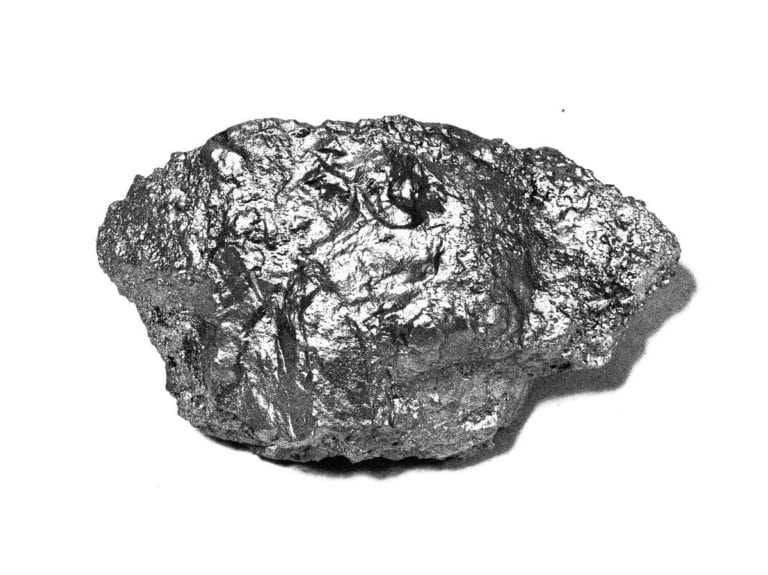
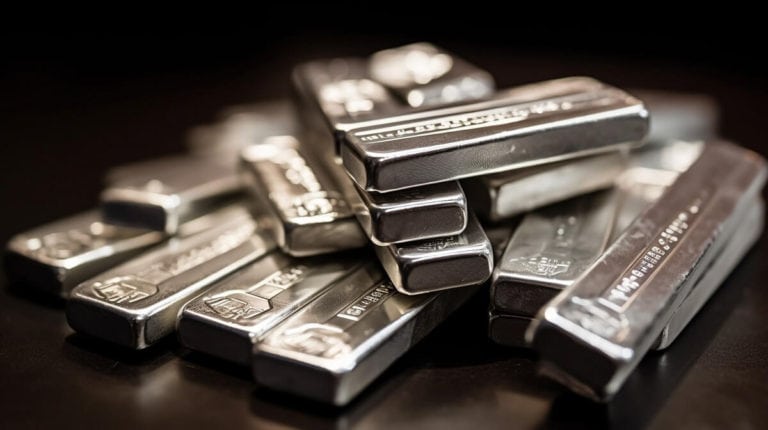
Copper has been valued by humans for thousands of years. Many people wonder whether this reddish-orange metal belongs in the same category as gold, silver, and platinum.
The question becomes more complex when considering copper’s widespread industrial use and historical role in currency systems. Its investment potential also adds to the debate.
Copper is not considered a precious metal due to its abundance and lower economic value compared to gold, silver, platinum, and palladium. While copper shares some properties with precious metals, such as conductivity and corrosion resistance, its classification differs significantly.
Precious metals are typically rare, have high economic value, and exhibit superior resistance to corrosion and oxidation. Despite not being classified as precious, copper remains incredibly valuable in modern society.
Its role spans from construction and electronics to investment portfolios and specialized applications. Understanding copper’s classification helps clarify its place in the metals market.
Key Takeaways
- Copper is classified as a base metal rather than a precious metal because of its abundance and lower market value.
- The metal has significant historical importance in currency systems and continues to serve as an industrial commodity.
- Copper offers investment opportunities and specialized uses despite not meeting the criteria for precious metal status.
What Defines a Precious Metal?
Precious metals are defined by three main factors: rarity, high economic value, and resistance to corrosion. These metals serve dual purposes as both industrial materials and financial assets that protect against inflation.
Key Characteristics of Precious Metals
Precious metals are rare, naturally occurring metallic chemical elements of high economic value. The most important traits that define these metals include their scarcity in nature and their ability to maintain value over time.
Rarity stands as the primary characteristic. These metals exist in limited quantities compared to common metals like iron or aluminum.
This scarcity creates natural value that remains stable across different economic conditions. Corrosion resistance makes precious metals ideal for long-term storage of wealth.
Unlike base metals that rust or tarnish, precious metals maintain their physical properties indefinitely. This durability ensures they retain both their appearance and value.
High economic value separates precious metals from industrial metals. Their prices typically measure in hundreds or thousands of dollars per ounce rather than dollars per pound.
This value stems from both their rarity and consistent demand. Malleability and conductivity add to their appeal.
These properties make precious metals useful in electronics, jewelry, and industrial applications. The combination of beauty and functionality increases their overall demand.
Examples of Precious Metals
The four primary precious metals are gold, silver, platinum, and palladium. Each metal has unique properties that make it valuable for different purposes.
Gold serves as the most recognized precious metal. It resists corrosion completely and has been used as currency for thousands of years.
Ready to Protect Your Retirement?
Request your free State-Specific Gold IRA information kit and take the first step toward securing your financial future with precious metals.
Free Gold IRA GuideGold’s stability makes it a preferred hedge against inflation during economic uncertainty. Silver offers excellent electrical conductivity while maintaining precious metal status.
It costs less than gold but still commands premium prices. Industrial demand for silver comes from electronics and solar panel manufacturing.
Platinum belongs to the platinum group metals and exceeds gold in rarity. Its high melting point and catalytic properties make it essential for automotive catalytic converters.
Platinum also appears in fine jewelry and medical equipment. Palladium primarily serves automotive applications but also functions as an investment metal.
Its price can be volatile due to supply constraints and industrial demand. Palladium’s rarity makes it one of the most expensive precious metals.
Roles in Currency and Investment
Precious metals have functioned as currency and investment vehicles throughout human history. Their intrinsic value and limited supply make them reliable stores of wealth during economic instability.
Currency backing was the traditional role of precious metals. Many countries once tied their paper money directly to gold or silver reserves.
This system provided stability and prevented excessive money printing. Investment demand drives much of today’s precious metals market.
Investors buy bullion coins and bars as portfolio diversification tools. These metals often perform well when stocks and bonds decline in value.
Hedge against inflation represents a key investment benefit. When paper currency loses purchasing power, precious metals typically maintain or increase their value.
This protection makes them attractive during periods of rising prices. Bullion markets provide liquidity for precious metal investments.
Investors can easily buy and sell standardized bars and coins through dealers worldwide. This accessibility makes precious metals practical investment options for individuals and institutions.
Is Copper Classified as a Precious Metal?
Copper is not classified as a precious metal due to its abundance and lower economic value compared to gold, silver, platinum, and palladium. The metal lacks the rarity and high market value that define precious metals in financial markets.
How Much Will Your Gold IRA Really Cost?
See exactly how much you'll pay in setup, annual, and storage fees. Get personalized company recommendations based on your investment amount and retirement timeline.
Calculate My Total FeesCopper’s Properties Compared to Precious Metals
Copper shares several important characteristics with precious metals. It offers excellent electrical conductivity and corrosion resistance, making it valuable in industrial applications.
The metal is highly malleable and ductile. These properties allow copper to be shaped easily without breaking, similar to gold and silver.
However, copper differs significantly in its resistance to oxidation. Unlike precious metals, copper develops a green patina when exposed to air and moisture over time.
Key Property Comparison:
- Conductivity: Copper excels, matching precious metals
- Corrosion resistance: Good but inferior to gold and platinum
- Malleability: High, similar to precious metals
- Oxidation resistance: Poor compared to precious metals
Abundance and Economic Value
Copper is abundant compared to precious metals, with extensive mining operations worldwide. This abundance directly impacts its market classification and pricing.
The copper price remains significantly lower than precious metals. While gold trades at thousands of dollars per ounce, copper trades at a fraction of that cost.
Mining data shows copper deposits are widely distributed globally. Major production occurs in Chile, Peru, and other regions with large-scale operations.
Economic value depends heavily on rarity and market demand. Copper’s widespread availability prevents it from achieving the premium status of precious metals.
Market Perception and Classification
Financial markets and industry experts classify copper as a base metal rather than a precious metal. This classification reflects its industrial focus and abundance.
Investment communities view copper differently than gold, silver, platinum, and palladium. Precious metals serve as wealth storage and safe-haven assets during economic uncertainty.
Copper functions primarily as an industrial commodity. Its value fluctuates based on manufacturing demand and economic growth rather than investment sentiment.
Some analysts argue copper is becoming more precious due to increased demand from renewable energy and electric vehicles. However, official classifications remain unchanged in financial markets.
Historical Significance of Copper
Copper stands as one of humanity’s most important metals, with archaeological evidence showing its use dating back over 7,000 years. The metal’s discovery and widespread adoption marked significant cultural and technological shifts.
Don't Pay More Taxes Than You Have To
The wrong Gold IRA choice could cost you thousands in unnecessary taxes. See exactly how much you'll pay in taxes with a Traditional vs. Roth Gold IRA. Compare both options side-by-side based on your age, income, and retirement timeline.
Copper Age and Early Use
The Copper Age, also known as the Chalcolithic period, began around 5000 BCE. This era marked the transition from stone tools to metal implements.
Archaeological sites across the Middle East and Europe reveal evidence of early copper smelting and tool production. The metal’s malleability made it ideal for crafting axes, knives, and decorative items.
Copper mining sites contain artifacts that provide crucial information about ancient civilizations. These discoveries show how copper technology spread across different cultures and regions.
Early metallurgists discovered that copper could be hammered into thin sheets and shaped into complex forms. This versatility allowed craftsmen to create both practical tools and artistic objects.
Ancient Egypt and Cultural Impact
Ancient Egyptian civilization extensively utilized copper for both practical and ceremonial purposes. Egyptian artisans mastered copper working techniques around 3000 BCE.
The metal played a crucial role in Egyptian construction projects, including pyramids and temples. Copper tools enabled more precise stonework and architectural achievements.
Egyptian copper mines in the Sinai Peninsula became major sources of wealth and power. The Pharaohs controlled these mining operations, demonstrating copper’s economic significance in ancient society.
Religious and cultural applications of copper included ceremonial vessels and jewelry. The metal’s reddish color held symbolic meaning related to life and vitality in Egyptian culture.
Copper in the Neolithic and Bronze Age
During the Neolithic period, copper gradually replaced stone as the primary material for tools and weapons. This transition occurred around 4500 BCE in various regions across Europe and Asia.
The discovery of copper alloying with tin to create bronze revolutionized metalworking around 3500 BCE. Bronze rapidly replaced copper as the preferred material for tools and artistic creations.
Bronze Age societies developed sophisticated copper and bronze working techniques. These advancements led to improved agricultural tools, military equipment, and trade networks.
The transition from the Copper Age to the Bronze Age marked a fundamental shift in human technology. While bronze became dominant, copper remained essential as the base metal for bronze production.
Industrial and Everyday Applications of Copper
Copper is malleable, ductile, and a good conductor of electricity and heat, making it essential across multiple industries. The metal’s unique properties drive its widespread use in electrical systems, water infrastructure, construction projects, and consumer products.
Electrical Industry and Conductivity
Copper dominates the electrical industry due to its exceptional conductivity properties. The metal serves as the standard for measuring electrical conductivity at 100% on the International Annealed Copper Standard (IACS).
Gold IRA Company Comparison Checklist
Before choosing a Gold IRA company, use our comprehensive checklist to compare fees, reputation, storage options, and customer service ratings.
Download ChecklistBuilding construction is the single largest market for copper and it is one of the most widely used metals in the electrical industry. Power lines, transformers, and electrical panels all rely on copper’s ability to carry electricity efficiently.
Key electrical applications include:
- Electrical wiring in homes and buildings
- Motor windings and generators
- Printed circuit boards
- Telecommunications cables
The metal’s ductile nature allows it to be drawn into thin wires without breaking. This flexibility makes copper ideal for complex electrical installations.
Plumbing and Corrosion Resistance
Copper pipes have been used in plumbing systems for decades due to their corrosion resistance and durability. The metal naturally resists bacterial growth, making it suitable for water distribution systems.
When exposed to moisture and air, copper forms a protective patina layer. This green coating actually protects the underlying metal from further corrosion.
Plumbing advantages include:
- Antimicrobial properties
- Long-term durability (50+ years)
- Resistance to high water pressure
- Recyclable at end of life
The malleable properties of copper allow plumbers to shape pipes and fittings during installation. This workability reduces the need for complex joint systems and minimizes potential leak points.
Building Construction and Infrastructure
Construction projects consume large quantities of copper for both structural and functional purposes. The metal’s strength and weather resistance make it valuable for roofing, gutters, and architectural elements.
Copper roofing systems can last over 100 years with minimal maintenance. The metal expands and contracts with temperature changes without cracking.
Construction applications:
- Roofing and flashing systems
- HVAC systems and heat exchangers
- Architectural cladding
- Lightning protection systems
Infrastructure projects rely on copper for power grids and communication networks. The metal’s reliability ensures consistent performance in critical systems.
Copper in Art, Cookware, and Paint
Copper’s aesthetic appeal and functional properties extend into consumer products and artistic applications. The metal’s distinctive color and ability to develop patina make it popular for decorative items.
Professional cookware often features copper construction due to its excellent heat conductivity. Copper pots and pans distribute heat evenly, preventing hot spots.
Consumer applications include:
Reserved for Portfolios of $500K or More
Your portfolio qualifies you for an exclusive one-on-one web conference with a senior precious metals advisor, priority service, and direct access to strategies reserved for our most valued clients.
Request Your Exclusive Guide- High-end cookware and bakeware
- Decorative sculptures and artwork
- Brass instruments (copper alloy)
- Antimicrobial surfaces in hospitals
Paint manufacturers incorporate copper compounds as fungicides and antifouling agents. Marine paints use copper to prevent barnacles and algae growth on ship hulls.
Copper as Currency and Coinage
Copper has served as a fundamental currency metal throughout history, from ancient civilizations to modern coinage systems. Today, copper appears in various investment forms including bullion bars and collectible coins, though its monetary role has evolved significantly.
Historical Role in Currency
Copper is considered to be the most historical coin metal and has been used in currency for thousands of years. Ancient civilizations valued copper for its durability and availability.
The metal became one of the three traditional coinage metals alongside gold and silver. These metals formed the foundation of early monetary systems worldwide.
Copper was often mixed with tin to create bronze coins. This alloy provided better durability and resistance to wear compared to pure copper.
Many ancient currencies used copper as the base metal for lower-denomination coins. The metal’s abundance made it practical for everyday transactions.
Modern Copper Coins and Pre-1982 Pennies
Pre-1982 pennies contain 95% copper and 5% zinc, making them significantly more valuable than their face value. These coins weigh 3.11 grams compared to modern pennies at 2.5 grams.
The composition changed in 1982 when the U.S. Mint switched to zinc-plated steel pennies. Rising copper prices made the metal content worth more than one cent.
Modern copper coins are rare in circulation due to the metal’s higher value. Most contemporary coins use copper-plated zinc or other base metals.
Collectors often seek pre-1982 pennies for their copper content. The intrinsic metal value exceeds the coin’s face value when copper prices rise.
Copper Bullion and Bars
Copper bullion serves as an industrial metal investment rather than a precious metal investment. Investors who are bullish on economic growth may find copper attractive.
Copper bars are produced by refineries worldwide for industrial and investment purposes. These bars come in various sizes from one-pound ingots to larger industrial formats.
The Rand Refinery and other major facilities produce investment-grade copper products. These meet specific purity standards for industrial applications.
Your Complete Gold IRA Beginner's Guide
No confusing jargon. No pressure. Just clear answers about how Gold IRAs work, what they cost, and whether they're right for your retirement. Get the facts before you invest.
Get Your Free Starter GuideCopper bullion prices reflect industrial demand rather than safe-haven investment appeal. The metal’s value correlates with manufacturing activity and economic conditions.
Investment-grade copper bars typically contain 99.9% pure copper. They serve different market purposes compared to precious metals like gold or silver.
Copper as an Investment Asset
While copper lacks the rarity of traditional precious metals, it offers unique investment advantages through industrial demand and economic growth correlation. Copper prices tend to rise with inflation and manufacturing expansion.
Copper Versus Traditional Precious Metals
Copper is not considered a precious metal due to its abundance and lower market value compared to gold, silver, platinum, and palladium. However, copper presents distinct investment characteristics that differentiate it from traditional precious metals.
Price Volatility and Market Behavior:
- Copper prices fluctuate more dramatically than gold or silver
- Industrial demand drives copper values rather than safe-haven sentiment
- Economic cycles directly impact copper performance
Traditional precious metals like gold and silver maintain value during economic uncertainty. Copper performs differently, rising during periods of industrial growth and construction activity.
Copper bullion investing allows investors to gain exposure to an asset with both industrial and investment value. The metal’s conductivity, durability, and corrosion resistance make it essential across various sectors.
Market Demand and Price Dynamics
Copper demand stems primarily from construction, electronics, and renewable energy sectors. Electric vehicles and green technology significantly increase copper consumption, creating long-term demand pressures.
Key Demand Drivers:
- Construction industry: Plumbing, wiring, and HVAC systems
- Electronics: Circuit boards and electrical components
- Renewable energy: Solar panels and wind turbines
- Electric vehicles: Charging infrastructure and battery systems
Among industrial metals, only iron ore and aluminum exceed copper demand. Homes contain copper in air conditioning units, water pipes, and appliances.
Copper prices respond quickly to economic indicators and manufacturing data. Supply disruptions from major producing regions can cause significant price spikes.
Portfolio Diversification and Inflation Hedge
Copper bullion can provide sustainable low-risk assets for portfolio diversification. The metal’s industrial applications create different risk-return profiles compared to traditional precious metals.
Inflation Protection Characteristics:
- Copper prices typically rise with manufacturing costs
- Industrial demand increases during economic expansion
- Construction activity correlates with inflationary periods
Copper has investment value in industrial markets but differs from safe-haven assets like gold or silver. Investors use copper exposure to capitalize on economic growth rather than protect against market downturns.
A financial advisor can help investors add copper and other metals to portfolios strategically. Copper complements precious metals holdings by providing exposure to industrial growth cycles and infrastructure development trends.
Don't Choose Blindly
Selecting the right Gold IRA company is crucial for your retirement. Use our comprehensive comparison checklist to evaluate providers and make the best decision for your financial future.
Get Your ChecklistCopper in Jewelry and Specialized Uses
Copper serves essential roles beyond industrial applications, particularly in jewelry making and automotive technology. The metal’s malleability and conductivity make it valuable for creating alloys with precious metals and specialized automotive components.
Role in Alloying Precious Metals
Copper plays a critical role in strengthening precious metal alloys used in jewelry and coins. Pure gold and silver are too soft for practical use, so manufacturers add copper to increase durability.
Gold alloys typically contain 10-25% copper depending on the karat rating. 14-karat gold contains approximately 42% copper, while 18-karat gold contains about 25% copper.
Silver alloys also rely on copper for strength. Sterling silver contains 7.5% copper, which maintains the metal’s appearance while improving its durability.
Rose gold gets its distinctive pink color entirely from copper content. Higher copper percentages create deeper red tones, while lower amounts produce subtle pink hues.
Jewelry and Decorative Arts
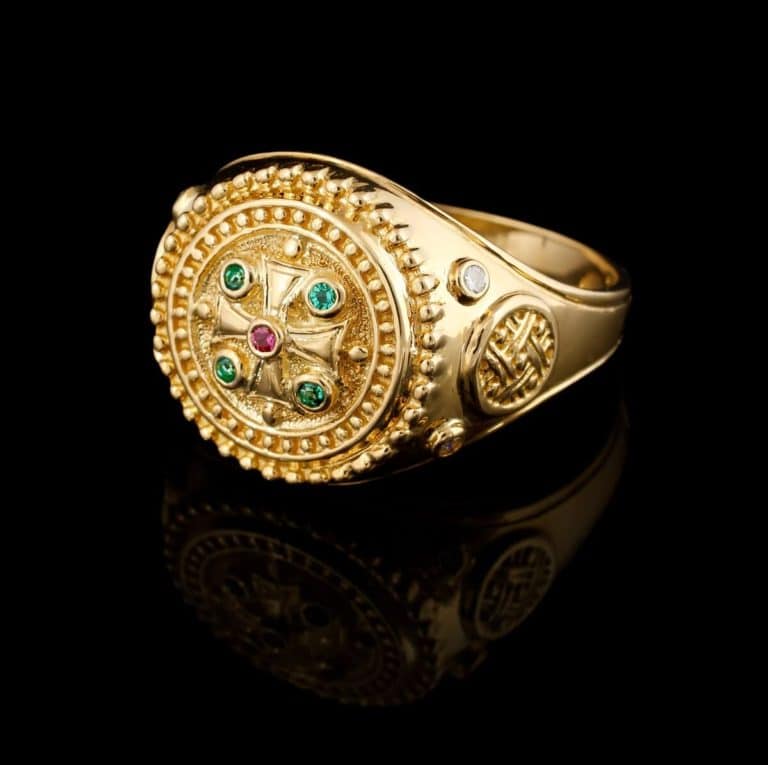
Pure copper jewelry offers unique aesthetic appeal with its distinctive reddish-orange color. Many artisans create handcrafted pieces that showcase copper’s natural beauty and malleability.
Copper jewelry develops a natural patina over time, changing from bright orange to deep browns and greens. This aging process creates unique patterns that many wearers find attractive.
The metal’s softness allows for intricate designs and detailed work. However, copper jewelry can cause skin discoloration in some people, leaving green marks on fingers or necks.
Common copper jewelry types include:
- Bracelets and bangles
- Earrings and pendants
- Rings and decorative pieces
- Wire-wrapped stones
Copper’s healing properties are often marketed, though scientific evidence for these claims remains limited. Many people wear copper jewelry for its appearance rather than supposed health benefits.
Industrial and Automotive Applications
Copper’s exceptional conductivity makes it essential in automotive electrical systems and catalytic converters. Modern vehicles contain approximately 1-2 miles of copper wiring for electrical components.
Catalytic converters use copper-based catalysts to reduce harmful emissions. The metal helps convert carbon monoxide and nitrogen oxides into less harmful gases.
Key automotive copper applications:
- Electrical wiring and circuits
- Radiators and cooling systems
- Brake lines and fittings
- Catalytic converter components
Electric vehicles require significantly more copper than traditional cars. A typical electric vehicle contains 180-440 pounds of copper, compared to 50-80 pounds in conventional vehicles.
How Gold Performed During Every Stock Market Crash
See the data: when stocks dropped 19.4% in 2022, gold only fell 4.3%. Compare gold's downside protection across decades of market volatility and economic crises.
Compare Crash PerformanceThe aerospace industry also relies on copper for specialized applications. Aircraft use copper in electrical systems, heat exchangers, and various alloys that require high conductivity and corrosion resistance.
Frequently Asked Questions
Metal classification depends on specific economic factors and market conditions that determine value. Precious metals are defined by rarity, market demand, and historical significance, while industrial applications can influence but not determine precious metal status.
How are precious metals classified in comparison to base metals?
Precious metals are classified based on rarity and high economic value, while base metals are more abundant and primarily valued for industrial use. Base metals like copper and zinc are heavily influenced by industrial growth, whereas precious metals respond more to economic stability factors.
Gold, silver, platinum, and palladium form the core precious metals group. These metals maintain higher market values due to their scarcity in the earth’s crust.
Base metals include copper, aluminum, zinc, and nickel. They are more readily available and cost less per unit than precious metals.
Which characteristics make a metal ‘precious’ in economic terms?
A metal is considered precious if it is rare, valuable, and has certain desirable characteristics such as resistance to corrosion and high conductivity. These metals also serve as investment assets and maintain cultural significance.
Rarity stands as the primary factor determining precious metal status. Limited supply creates higher market values and investment appeal.
Corrosion resistance allows precious metals to maintain their properties over time. This durability contributes to their long-term value retention.
High conductivity makes precious metals useful in electronics and industrial applications. This dual-purpose nature increases their economic importance.
What are the criteria for including metals in the precious metals list?
Precious metals are rare metallic elements with high economic value, including gold, silver, platinum, and palladium. They must demonstrate scarcity, maintain consistent demand, and possess unique physical properties.
Market recognition plays a crucial role in precious metal classification. Metals must be widely accepted as stores of value by investors and financial institutions.
Physical properties such as density, malleability, and chemical stability contribute to classification. These characteristics must distinguish the metal from more common alternatives.
Historical significance often supports precious metal status. Metals with long-standing cultural and monetary importance gain recognition more easily.
How does the market value of metals influence their classification as precious or non-precious?
Market value directly determines precious metal classification, with higher prices typically indicating precious status. Precious metals maintain high value due to scarcity and demand in investment and industry, while abundant metals remain in the base category.
Plan Your Gold IRA Distributions Strategically
Calculate which ounces to sell, when to take distributions, and how to minimize tax impact. Get your personalized RMD strategy based on current gold prices and IRS tables.
Create My RMD PlanPrice stability over time supports precious metal classification. Metals that maintain value during economic uncertainty gain precious status more readily.
Investment demand influences market classification significantly. Metals purchased primarily as financial assets rather than industrial materials achieve precious recognition.
Supply and demand dynamics affect long-term classification. Metals with limited supply and consistent demand maintain higher market values.
What are the most commonly traded precious metals on the global market?
Gold, silver, platinum, and palladium represent the primary precious metals traded globally.
These metals have established markets with standardized trading practices and recognized purity standards.
Gold remains the most actively traded precious metal worldwide.
It serves as both an investment vehicle and industrial material across multiple industries.
Silver follows gold in trading volume and market recognition.
Its dual role in investment and industrial applications creates consistent demand.
Platinum and palladium form the platinum group metals category.
These metals are critical in automotive catalytic converters and industrial processes.
In what ways do industrial uses impact a metal’s status as precious?
Industrial applications can increase a metal’s value but do not determine precious status alone. While copper shares some industrial uses with precious metals, such as conductivity and corrosion resistance, its abundance and lower market value set it apart.
High-tech applications often support precious metal status by creating specialized demand. Metals used in electronics, aerospace, and medical devices gain additional value.
Industrial scarcity can temporarily increase metal prices. However, this does not automatically convert base metals into precious metals without meeting other criteria.
Demand for palladium is increasing due to its role in greener automotive technologies. This industrial demand supports its precious metal classification alongside its natural rarity.




One More Thing...
If you're serious about protecting your retirement, get the complete Gold IRA guide. It's free, there's no obligation, and it could be one of the smartest financial decisions you make.
Get Your Guide