Platinum coins offer investors a unique opportunity to diversify their portfolios with one of the world’s rarest precious metals. These coins combine the intrinsic value of platinum with the convenience of a tangible asset that can serve both investment and collectible purposes.
Platinum coins provide portfolio diversification, potential for growth, and a hedge against economic uncertainty, though they come with risks including market volatility and storage costs.
Platinum’s rarity and industrial applications make it an attractive investment option, particularly given its uses in automotive catalysts, jewelry, and emerging hydrogen fuel cell technology.
The metal’s limited supply from mining operations, combined with consistent industrial demand, creates compelling market dynamics for investors seeking alternatives to traditional gold and silver investments.
Understanding the advantages and disadvantages of platinum coin investing requires examining factors such as market demand, storage requirements, and authentication concerns.
Key Takeaways
- Platinum coins offer portfolio diversification and potential growth but carry risks from market volatility and storage costs
- Industrial demand and limited supply make platinum coins attractive for investors seeking alternatives to gold and silver
- Successful platinum coin investing requires understanding purity standards, mint reputation, and proper storage solutions
Understanding Platinum Coins as an Investment
Platinum stands apart from other precious metals due to its industrial applications and limited supply. Investors can choose between physical coins, bars, or paper investments.
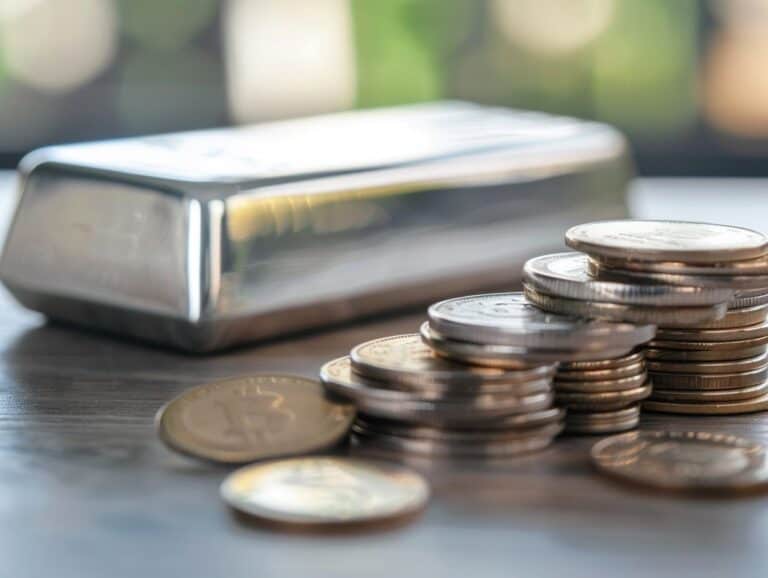
Physical platinum coins offer distinct advantages over bars in terms of liquidity and collectibility.
What Makes Platinum Unique Among Precious Metals
Platinum differs significantly from gold and silver in both supply and demand factors. Platinum’s rarity and industrial applications make it a valuable commodity that serves multiple market sectors.
Industrial Demand Drives Value
The automotive industry consumes approximately 40% of platinum supply for catalytic converters. Hydrogen fuel cells represent a growing market for platinum use.
The jewelry sector also creates steady demand for this precious metal.
Limited Supply Sources
South Africa produces about 70% of the world’s platinum. Russia supplies another 12% of global production.
Mining disruptions in these regions can quickly affect platinum prices.
Price Volatility Characteristics
Platinum prices tend to be more volatile than gold or silver. Economic downturns can reduce industrial demand quickly.
Ready to Protect Your Retirement?
Request your free State-Specific Gold IRA information kit and take the first step toward securing your financial future with precious metals.
Free Gold IRA GuideRecovery periods often see rapid price increases due to supply constraints.
Types of Platinum Investments
Investors can access platinum through several different investment vehicles. Each option offers unique benefits and drawbacks for precious metal portfolios.
Physical Platinum Options
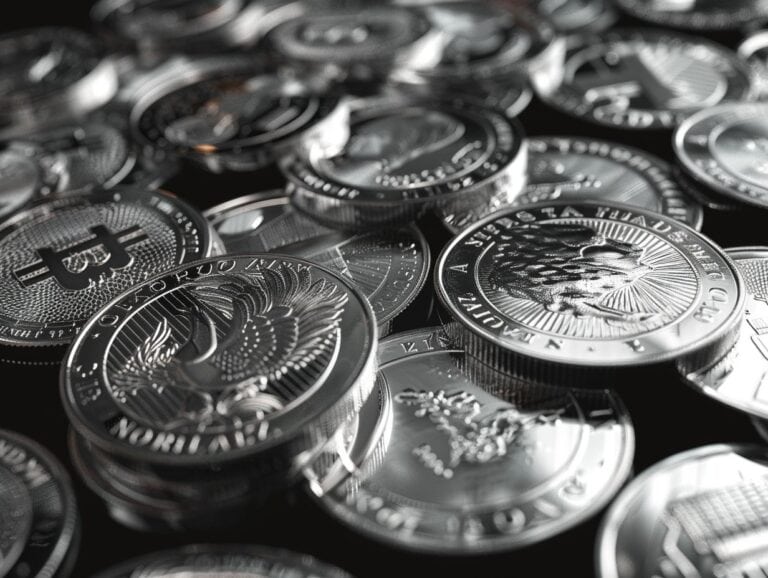
- Platinum coins from government mints
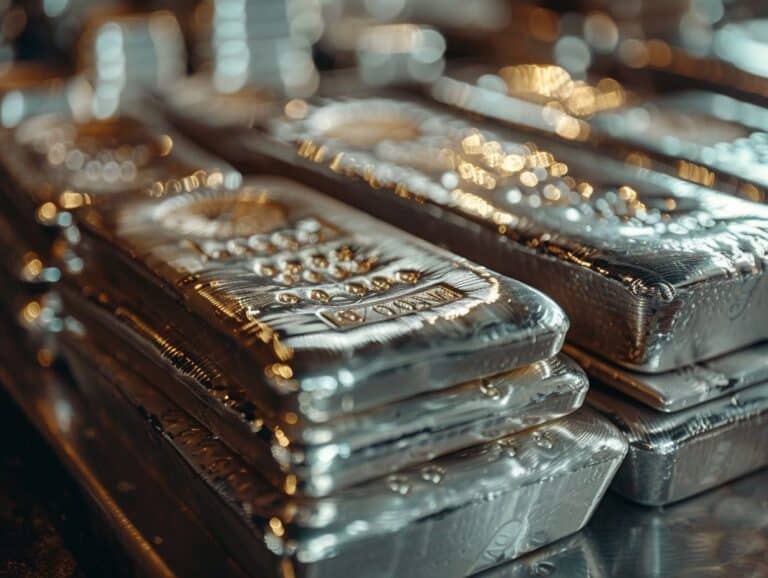
- Platinum bars in various sizes
- Platinum bullion rounds from private mints
Paper Platinum Investments
- Platinum ETFs and ETNs
- Mining company stocks
- Platinum futures contracts
Government-issued platinum coins provide guaranteed purity and authenticity. Popular options include American Platinum Eagles and Canadian Platinum Maple Leafs.
Private mint products offer unique designs and competitive premiums. These products appeal to collectors seeking distinctive pieces.
Physical Platinum Coins vs. Platinum Bars
Physical platinum investments come in two main forms with distinct characteristics. Each format serves different investor needs and preferences.
Platinum Coins Advantages
Platinum coins typically carry higher premiums than bars. They offer better liquidity in smaller denominations.
Government backing provides authenticity guarantees. Coins appeal to collectors due to artistic designs.
Limited mintages can create additional numismatic value. Smaller sizes make coins more accessible to new investors.
Platinum Bars Benefits
Platinum bars offer lower premiums per ounce than coins. They provide efficient storage for larger investments.
Bars come in various sizes from 1 ounce to 100 ounces. Storage costs per ounce are generally lower with bars.
How Much Will Your Gold IRA Really Cost?
See exactly how much you'll pay in setup, annual, and storage fees. Get personalized company recommendations based on your investment amount and retirement timeline.
Calculate My Total FeesIndustrial investors often prefer bar formats. Bars focus purely on metal content without collectible premiums.
Storage and Insurance Considerations
Both formats require secure storage solutions. Insurance costs apply to physical platinum holdings.
Storage and insurance costs should factor into investment decisions. Home safes work for smaller quantities.
Professional vault storage suits larger investments. Insurance policies should cover full replacement value.
Key Benefits of Buying Platinum Coins
Platinum coins offer investors multiple advantages through their unique properties as a precious metal and their growing industrial applications. These benefits include portfolio protection, value preservation, and exposure to sectors like the automotive industry.
Portfolio Diversification Opportunities
Portfolio diversification with platinum coins reduces investment risk by adding a precious metal that moves independently from traditional assets. Platinum often performs differently than gold and silver during market changes.
The metal’s price movements depend on industrial demand rather than just investment sentiment. This creates different risk patterns compared to other precious metals.
Investors can balance their holdings by including platinum alongside stocks and bonds. The metal provides exposure to industrial sectors while maintaining precious metal characteristics.
Key diversification benefits:
- Reduced correlation with traditional investments
- Exposure to industrial metal demand
- Protection during different economic cycles
- Enhanced portfolio stability
Platinum coins offer liquidity advantages over other platinum investments. Investors can buy and sell coins more easily than platinum bars or industrial platinum products.
Hedge Against Inflation and Economic Instability
Platinum coins serve as a hedge against inflation by maintaining purchasing power when currency values decline. The metal’s limited supply helps preserve value during inflationary periods.
During economic downturns, platinum often retains value better than paper assets. The metal’s industrial uses provide demand support even in challenging economic conditions.
Central bank policies that increase money supply can drive investors toward precious metals. Platinum coins offer protection against currency debasement and monetary policy changes.
Don't Pay More Taxes Than You Have To
The wrong Gold IRA choice could cost you thousands in unnecessary taxes. See exactly how much you'll pay in taxes with a Traditional vs. Roth Gold IRA. Compare both options side-by-side based on your age, income, and retirement timeline.
Inflation protection features:
- Limited global supply
- Industrial demand support
- Store of value characteristics
- Protection against currency weakness
Historical data shows platinum maintaining value during major economic disruptions. The metal’s dual role as both investment and industrial commodity provides stability.
Intrinsic Value and Rarity of Platinum
The intrinsic value of platinum comes from its physical properties and limited global supply. Platinum is rarer than gold, with annual production significantly lower.
Only a few countries produce platinum in meaningful quantities. South Africa and Russia dominate global production, creating supply concentration risks that support prices.
The metal’s unique chemical properties make it irreplaceable in many applications. This creates consistent demand that supports platinum’s underlying value.
Rarity factors:
- 30 times rarer than gold
- Limited geographic production
- Difficult extraction process
- Finite global reserves
Mining disruptions can quickly affect platinum availability. Political instability in producing regions often leads to supply concerns and price increases.
Industrial Demand and Uses
The automotive industry represents the largest source of platinum demand through catalytic converters in diesel vehicles. This industrial use creates steady demand for the metal.
Catalytic converters require platinum’s unique properties to reduce harmful emissions. No suitable substitutes exist for platinum in many automotive applications.
Major industrial applications:
- Catalytic converters (40% of demand)
- Chemical processing equipment
- Electronics manufacturing
- Medical devices and treatments
Platinum demand also comes from emerging technologies like hydrogen fuel cells. These applications could significantly increase future demand as clean energy adoption grows.
The jewelry industry provides additional demand support, particularly in Asian markets. This diverse demand base helps stabilize platinum prices across different economic conditions.
Potential Drawbacks and Risks
While platinum coins offer investment benefits, they come with significant challenges that investors must understand. Platinum’s higher volatility compared to gold and silver creates greater price swings, liquidity remains limited in many markets, and additional costs for premiums, storage, and insurance can impact returns.
Price Volatility and Market Fluctuations
The platinum market experiences significant volatility that can create substantial price swings for investors. Economic indicators, geopolitical tensions, and supply disruptions from major producers like South Africa and Russia contribute to these fluctuations.
Gold IRA Company Comparison Checklist
Before choosing a Gold IRA company, use our comprehensive checklist to compare fees, reputation, storage options, and customer service ratings.
Download ChecklistPlatinum investment carries higher volatility risks compared to other precious metals. This volatility may concern investors with lower risk tolerance who prefer more stable assets.
Industrial demand from the automotive sector and jewelry industry affects platinum prices. When these industries face downturns, platinum prices often decline more sharply than gold or silver.
Key volatility factors include:
- Mining supply disruptions
- Economic downturns
- Changes in automotive industry demand
- Geopolitical events in producing countries
The COVID-19 pandemic demonstrated how external events can severely impact platinum markets. Supply chain disruptions and reduced industrial demand caused significant price drops.
Liquidity Limitations Compared to Gold and Silver
Platinum coins face liquidity challenges that make them harder to sell quickly compared to gold and silver. The platinum market has fewer buyers and dealers, which can create difficulties during urgent sales.
Local coin shops often carry limited platinum inventory. This scarcity means investors may need to search longer for buyers or accept lower prices during sales.
Online platforms offer better liquidity than local dealers. However, even online markets for platinum remain smaller than those for gold and silver coins.
Liquidity challenges include:
- Fewer dealers specializing in platinum
- Limited local market demand
- Longer selling times
- Potential price discounts during quick sales
The smaller collector base for platinum coins reduces resale opportunities. Gold and silver coins attract more collectors and investors, creating more active secondary markets.
Premiums, Storage, and Insurance Considerations
Storage and insurance costs for platinum coins create ongoing expenses that reduce investment returns. These costs can be substantial depending on storage method and insurance coverage.
Storage options and costs:
- Home safes: Lower cost but higher theft risk
- Bank safety deposit boxes: Moderate cost with better security
- Professional vault storage: Higher cost but maximum security
Insurance premiums for platinum coins depend on storage location and coin value. Home storage typically requires higher insurance premiums due to increased theft risk.
Premiums above spot price affect initial purchase costs. Platinum coins often carry higher premiums than gold or silver coins due to lower production volumes and limited dealer networks.
Transportation costs for platinum coins can be significant when moving between storage locations. The high value density requires secure shipping methods that add to overall investment costs.
Professional authentication services may be necessary to verify coin authenticity, adding another layer of expense for investors.
Reserved for Portfolios of $500K or More
Your portfolio qualifies you for an exclusive one-on-one web conference with a senior precious metals advisor, priority service, and direct access to strategies reserved for our most valued clients.
Request Your Exclusive GuideFactors Influencing Platinum Coin Value
Platinum coin values fluctuate based on complex market forces that extend beyond simple precious metal dynamics. Supply constraints from concentrated mining regions, industrial demand patterns, and technological shifts create unique pricing pressures that investors must understand.
Global Supply and Demand Dynamics
Platinum operates in a fundamentally different supply-demand environment compared to gold or silver. The metal faces significant supply constraints due to limited global production capacity.
Annual platinum production totals approximately 6-8 million ounces worldwide. This limited supply creates sensitivity to any production disruptions or changes in mining output.
Demand drivers include:
- Automotive catalytic converters (largest use)
- Industrial applications
- Jewelry manufacturing
- Investment demand for coins and bars
The automotive industry consumption represents roughly 40% of total platinum demand. When car sales increase globally, platinum prices typically rise due to higher catalytic converter production.
Investment demand for platinum coins fluctuates with economic conditions. During market uncertainty, investors often seek precious metals as portfolio diversification tools.
Role of Platinum Mining and Geographic Concentration
South Africa dominates global platinum production, accounting for approximately 70% of world supply. This geographic concentration creates significant price volatility risks for platinum coins.
Russia produces another 12-15% of global platinum supply. Combined, these two countries control over 80% of world production, making platinum prices vulnerable to geopolitical events.
Key mining challenges include:
- Deep underground extraction costs
- Labor disputes and strikes
- Infrastructure limitations
- Political instability risks
Mining disruptions in South Africa can immediately impact global platinum prices. Strike actions or safety shutdowns at major mines create supply shortages that drive coin values higher.
The World Platinum Investment Council tracks these supply patterns and publishes quarterly market data. Their reports help investors understand how mining developments affect coin pricing.
Influence of Industrial and Technological Trends
Industrial applications drive approximately 60% of platinum demand, making technological shifts crucial for coin valuations. The automotive industry’s transition toward electric vehicles creates both opportunities and challenges.
Traditional industrial uses:
- Catalytic converters for gasoline engines
- Chemical processing equipment
- Medical devices and implants
- Glass manufacturing
Hydrogen fuel cell technology represents a growing demand source for platinum. Each fuel cell requires significant platinum content, potentially offsetting declining catalytic converter demand.
Electric vehicle adoption reduces platinum demand from traditional catalytic converters. However, hybrid vehicles still require platinum-based emission control systems.
Your Complete Gold IRA Beginner's Guide
No confusing jargon. No pressure. Just clear answers about how Gold IRAs work, what they cost, and whether they're right for your retirement. Get the facts before you invest.
Get Your Free Starter GuideThe electronics industry increasingly uses platinum in hard drives and other components. This diversification helps stabilize demand even as automotive applications evolve.
Chemical processing plants rely on platinum catalysts for petroleum refining and pharmaceutical production. This industrial base provides steady demand regardless of automotive trends.
Comparing Platinum Coins to Other Precious Metals
Platinum offers unique advantages compared to gold and silver, including greater rarity and industrial demand. However, gold provides more stability while silver offers lower entry costs for new investors.
Platinum vs. Gold as Investments
Gold has traditionally been the go-to precious metal for investors seeking stability. It maintains consistent demand and holds value during economic uncertainty.
Platinum is 15-20 times rarer than gold, making it potentially more valuable over time. This scarcity creates unique investment opportunities.
The gold-to-platinum ratio currently favors platinum buyers. It takes about 2.3 ounces of platinum to buy one ounce of gold, suggesting platinum may be undervalued.
Gold prices tend to be less volatile than platinum. Platinum prices swing more dramatically based on industrial demand and supply issues.
Key differences include:
- Gold: Better liquidity and recognition
- Platinum: Higher industrial demand and rarity
- Gold: More stable pricing
- Platinum: Greater price volatility but potential upside
Platinum may offer better value for patient investors willing to accept higher risk.
Platinum vs. Silver: Key Differences
Silver serves as an affordable entry point into precious metals investing. It costs significantly less per ounce than platinum coins.
Platinum reserves are 100 times less than silver, making it extremely rare by comparison. This rarity supports higher long-term value potential.
Silver has strong industrial demand in electronics and solar panels. Platinum dominates in automotive catalysts and hydrogen fuel cells.
Storage considerations differ:
- Silver: Requires more space due to lower value per ounce
- Platinum: Compact storage with higher value density
- Silver: Higher insurance costs relative to value
- Platinum: More efficient storage solutions
Both metals offer inflation protection. However, platinum’s industrial applications in green technology may drive future demand growth.
Considerations for Precious Metal Diversification
Diversifying across multiple precious metals reduces portfolio risk. Each metal responds differently to economic conditions and market forces.
Don't Choose Blindly
Selecting the right Gold IRA company is crucial for your retirement. Use our comprehensive comparison checklist to evaluate providers and make the best decision for your financial future.
Get Your ChecklistRecommended allocation approach:
- 60% Gold: Core stability and liquidity
- 25% Silver: Affordable exposure and industrial demand
- 15% Platinum: Rare metal with growth potential
Market conditions affect each metal differently. Gold performs well during economic uncertainty, while platinum thrives during industrial growth periods.
Geopolitical events and supply-demand dynamics play a significant role in platinum price fluctuations. South Africa produces most of the world’s platinum, creating supply concentration risks.
Investors should consider their risk tolerance and investment timeline. Platinum requires more patience but offers higher potential returns than traditional precious metals.
Diversification benefits include:
- Reduced overall portfolio volatility
- Exposure to different demand drivers
- Protection against single-metal price crashes
- Balanced precious metal investment approach
Practical Considerations for Buying Platinum Coins
Successful platinum coin investments require careful attention to dealer verification, pricing structures, secure storage solutions, and ongoing market analysis. These practical elements directly impact investment returns and long-term portfolio performance.
Evaluating Dealers and Product Authenticity
Choosing reputable dealers protects investors from counterfeit coins and ensures authentic platinum purchases. Trusted dealers with positive reviews and transparent pricing provide the foundation for secure transactions.
Government-backed mints offer the highest authenticity guarantee. The U.S. Mint, Royal Canadian Mint, and Australian Perth Mint produce coins with verified purity standards.
Key dealer evaluation criteria:
- BBB accreditation and customer reviews
- Transparent pricing with no hidden fees
- Secure payment processing systems
- Professional certifications and industry memberships
Physical coin inspection reveals authenticity markers. Genuine platinum coins display specific weight, dimensions, and magnetic properties that differ from counterfeits.
Professional grading services authenticate coins and provide certification documents. These services verify purity levels and detect sophisticated counterfeits that basic testing might miss.
Understanding Pricing and Premiums
Platinum coin prices consist of the spot platinum price plus dealer premiums. Premiums typically range from 5% to 15% above the current platinum market value.
Premium factors include coin rarity, mint reputation, and market demand. Popular coins like American Platinum Eagles carry lower premiums than limited-edition releases.
Premium comparison by coin type:
- Government bullion coins: 5-8% premium
- Collectible coins: 10-20% premium
- Rare numismatic pieces: 25%+ premium
Market timing affects total investment costs. Platinum price volatility creates opportunities for strategic purchases during price dips.
How Gold Performed During Every Stock Market Crash
See the data: when stocks dropped 19.4% in 2022, gold only fell 4.3%. Compare gold's downside protection across decades of market volatility and economic crises.
Compare Crash PerformanceBulk purchases often reduce per-coin premiums. Many dealers offer quantity discounts for orders exceeding specific dollar amounts or coin quantities.
Storage, Security, and Insurance Options
Secure storage protects platinum investments from theft and damage. Storage and insurance costs represent ongoing expenses that affect overall investment returns.
Home storage options include fireproof safes rated for precious metals. These safes must bolt to floors and resist drilling attempts.
Storage comparison:
| Option | Cost | Security Level | Accessibility |
|---|---|---|---|
| Home Safe | $500-2,000 | Medium | Immediate |
| Bank Safety Deposit Box | $50-200/year | High | Business Hours |
| Private Vault | $150-500/year | Highest | Scheduled |
Insurance coverage protects against theft, fire, and natural disasters. Standard homeowner’s policies typically limit precious metals coverage to $1,000-2,000.
Specialized precious metals insurance provides full replacement value coverage. Annual premiums range from 0.5% to 2% of the coins’ total value.
Monitoring Platinum Market Trends
Platinum market analysis helps investors identify optimal buying and selling opportunities. Industrial demand, mining supply, and economic conditions drive price movements.
Automotive industry demand significantly impacts platinum prices. Catalytic converter production consumes approximately 40% of annual platinum supply.
Key market indicators:
- Industrial demand reports
- Mining production data
- Economic growth forecasts
- Currency exchange rates
Platinum futures contracts provide market sentiment indicators. Professional traders use futures data to predict short-term price movements.
Seasonal patterns affect platinum demand. Jewelry purchases increase during holiday seasons, while automotive production follows manufacturing cycles.
Regular market monitoring prevents emotional investment decisions. Investors who track trends make more informed choices about timing purchases and sales.
Frequently Asked Questions
Investors often have specific questions about platinum coins compared to other precious metals. These concerns typically focus on price differences, industrial demand impacts, and how platinum fits into investment strategies.
What advantages do platinum coins offer over gold coins for investors?
Platinum coins provide several unique benefits that distinguish them from gold investments. The metal’s rarity makes it roughly 30 times scarcer than gold, which can drive higher values during periods of strong demand.
Platinum may be more affordable for patient investors seeking a lower-priced entry point into precious metals investing. Currently, it takes about 2.3 ounces of platinum to buy one ounce of gold, creating potential value opportunities.
Plan Your Gold IRA Distributions Strategically
Calculate which ounces to sell, when to take distributions, and how to minimize tax impact. Get your personalized RMD strategy based on current gold prices and IRS tables.
Create My RMD PlanThe metal’s industrial applications create additional demand beyond investment purposes. This dual-use nature can provide price support that purely monetary metals like gold may not experience.
How does platinum’s industrial usage affect its investment potential?
Industrial demand significantly influences platinum’s investment appeal and price movements. The metal’s resistance to corrosion, durability, and hypoallergenic properties make it valuable in automotive, electronics, chemical processing, medical, and petroleum refining industries.
Growing interest in green technologies is expected to drive long-term demand for platinum. The metal serves as a key component in hydrogen fuel cells and other renewable energy technologies.
Economic conditions directly impact platinum demand. When the economy performs well, consumers spend more on cars and jewelry containing platinum, increasing demand and potentially boosting prices.
Can investing in platinum coins contribute to a diversified investment portfolio?
Platinum coins can enhance portfolio diversification through their unique market characteristics. The metal often moves independently of traditional assets like stocks and bonds, providing potential hedge benefits during market volatility.
Platinum’s market is more volatile, and industrial demand heavily influences its price compared to other precious metals. This volatility can create both opportunities and risks for investors.
The metal’s dual role as both an investment asset and industrial commodity creates different price drivers than gold or silver. This distinction can help balance portfolio risk across various economic scenarios.
How do platinum prices compare to gold prices over time?
Platinum prices have experienced significant fluctuations relative to gold throughout history. There have been instances when platinum has surpassed gold in value, though this is not the usual situation.
The gold-to-platinum ratio currently favors platinum as a potentially undervalued investment. With gold at all-time highs, platinum may offer better value for investors seeking precious metals exposure.
Platinum has maintained a relatively stable price over the past few years. This stability can provide security during economic downturns when investors seek wealth preservation.
What are the key factors to consider when buying platinum bullion as an investment?
Several critical factors determine the success of platinum coin investments. Factors include purity, weight, current platinum market prices, and industrial demand when evaluating platinum coins.
Consider factors such as the coin’s purity, the reputation of the mint, and current market demand before purchasing. Reputable mints like the U.S. Mint, Royal Canadian Mint, and Perth Mint produce recognized platinum coins.
Storage requirements and insurance costs add to the total investment expense. Physical platinum needs secure storage facilities and appropriate insurance coverage to protect against theft or damage.
What should potential investors know about the liquidity of platinum coins compared to other precious metals?
Platinum coin liquidity differs from gold and silver markets in several important ways. The platinum market is smaller and less established than gold markets, which can impact buying and selling ease.
Dealer premiums for platinum coins are often higher than gold coins due to lower trading volumes. This means investors may pay more over spot price when buying and receive less when selling.
Popular platinum coins like American Eagles and Canadian Maple Leafs offer better liquidity than rare or collectible platinum pieces. Investors should focus on widely recognized bullion coins for easier resale opportunities.




One More Thing...
If you're serious about protecting your retirement, get the complete Gold IRA guide. It's free, there's no obligation, and it could be one of the smartest financial decisions you make.
Get Your Guide