A Roth IRA gold coin investment allows investors to hold physical gold coins within their tax-advantaged retirement account. This combines the growth potential of precious metals with tax-free withdrawals in retirement.
This investment strategy has gained popularity as people seek to diversify their portfolios beyond traditional stocks and bonds.
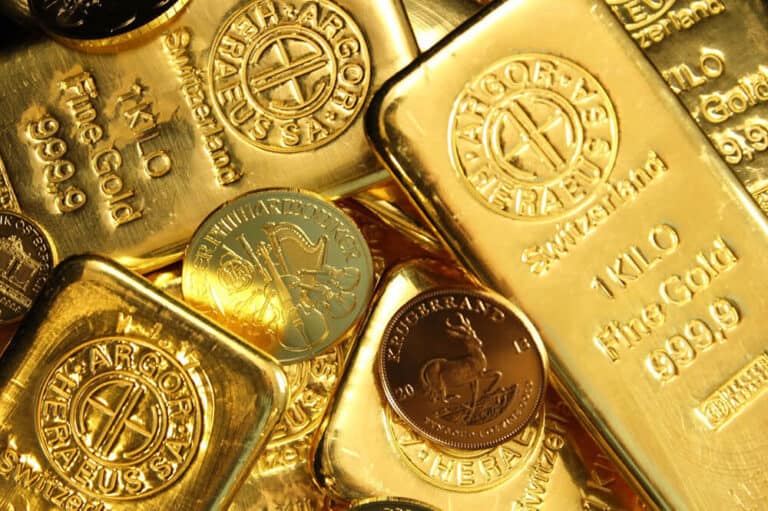
The best gold coins for a Roth IRA include American Gold Eagles, Canadian Gold Maple Leafs, and Austrian Gold Philharmonics. These coins meet IRS purity requirements and offer high liquidity.
These coins must meet specific standards set by the Internal Revenue Service, including minimum purity levels and approval from recognized mints.
Adding gold coins to a Roth IRA requires understanding IRS regulations and selecting the right coins. Investors must work with an approved custodian who can handle precious metals storage.
The process involves opening a self-directed IRA account and purchasing coins through a reputable dealer who specializes in retirement gold investments.
Key Takeaways
- Gold coins in a Roth IRA provide tax-free growth and withdrawals while serving as a hedge against inflation.
- Only IRS-approved gold coins with specific purity requirements can be held in retirement accounts.
- Investors need a self-directed IRA custodian and secure storage facility to properly hold physical gold coins.
What Is a Roth IRA Gold Coin Investment?
A Roth IRA gold coin investment combines the tax benefits of a Roth IRA with precious metals investing through gold coins. This investment strategy requires a self-directed Roth IRA structure to hold physical gold assets that meet IRS purity requirements.
Basics of Gold IRAs
A gold IRA is a self-directed individual retirement account that allows investors to hold physical precious metals instead of traditional assets like stocks and bonds. These specialized accounts follow the same contribution limits and rules as standard IRAs.
Gold IRAs must comply with strict IRS regulations. The precious metals must meet specific purity standards and be stored in approved depositories.
IRS-Approved Gold Coin Requirements:
- American Gold Eagle (22-karat)
- Canadian Gold Maple Leaf (99.99% pure)
- Austrian Gold Philharmonic (99.99% pure)
- Other coins meeting 99.5% purity minimum
A precious metals IRA can hold various metals including gold, silver, platinum, and palladium. Each metal has different purity requirements and storage needs.
The account holder cannot take physical possession of the metals while they remain in the IRA. All precious metals must stay in IRS-approved storage facilities.
How Gold Coins Fit into Roth IRAs
A Roth IRA cannot directly hold physical gold through traditional brokerage accounts. Investors must convert to a self-directed structure to access precious metals investments.
Ready to Protect Your Retirement?
Request your free State-Specific Gold IRA information kit and take the first step toward securing your financial future with precious metals.
Free Gold IRA GuideGold coins in a Roth IRA provide tax-free growth potential. The metals can appreciate over time without creating taxable events during the accumulation phase.
Key Benefits:
- Tax-free withdrawals after age 59½
- No required minimum distributions
- Hedge against inflation
- Portfolio diversification
The best gold coins for a Roth IRA include American Gold Eagles, Canadian Gold Maple Leafs, and Austrian Gold Philharmonics. These coins offer high liquidity and global recognition.
Investors pay annual storage fees and custodian fees for gold coin investments. These costs reduce overall returns but provide professional security and IRS compliance.
Self-Directed Roth IRAs Explained
A self-directed Roth IRA (SDIRA) expands investment options beyond traditional securities. These accounts allow alternative investments including real estate, private equity, and precious metals.
The account holder makes investment decisions while a qualified custodian handles administrative duties. The custodian ensures IRS compliance and proper record-keeping.
SDIRA Requirements:
- Qualified custodian
- Approved storage facility
- Annual reporting
- Prohibited transaction avoidance
A self-directed gold IRA specifically focuses on precious metals investments. These accounts require specialized custodians experienced with metals storage and regulations.
The investor cannot store gold coins at home or in personal safe deposit boxes. IRS rules mandate professional storage in approved depositories with proper insurance coverage.
SDIRA investors take full responsibility for investment research and due diligence. The custodian provides administration services but does not offer investment advice or recommendations.
Why Add Gold Coins to Your Roth IRA?
Gold coins offer tax-free growth potential and protection against economic uncertainty when held in a Roth IRA. They provide diversification benefits and act as a hedge against inflation while maintaining the tax advantages of retirement accounts.
Diversification and Inflation Hedge
Gold coins help diversify retirement portfolios beyond traditional stocks and bonds. Precious metals serve as a hedge against inflation and currency devaluation, protecting the purchasing power of retirement savings.
How Much Will Your Gold IRA Really Cost?
See exactly how much you'll pay in setup, annual, and storage fees. Get personalized company recommendations based on your investment amount and retirement timeline.
Calculate My Total FeesWhen stock markets decline, gold often maintains or increases in value. This negative correlation helps balance portfolio performance during economic downturns.
Gold’s inflation protection benefits:
- Maintains purchasing power over time
- Performs well during currency weakness
- Provides stability during market volatility
- Offers protection against economic uncertainty
Gold prices typically rise when inflation increases. This makes gold coins valuable for preserving wealth in retirement funds over long time periods.
Tax Benefits and Implications
Roth IRAs allow tax-free growth on gold coin investments. Investors contribute after-tax dollars but enjoy tax-free withdrawals in retirement after age 59½.
Gold held in traditional IRAs faces ordinary income tax rates upon withdrawal. Roth IRAs eliminate this tax burden on precious metals gains.
Key tax advantages:
- No taxes on capital gains growth
- Tax-free withdrawals after age 59½
- No required minimum distributions
- Estate planning benefits for heirs
The tax implications favor long-term investors who expect higher tax rates in retirement. Gold coins in Roth IRAs provide greater after-tax returns compared to taxable accounts.
Portfolio Stability and Risk Management
Gold coins add stability to retirement portfolios through their low correlation with other assets. They reduce overall portfolio volatility while maintaining growth potential.
Physical gold provides security that paper assets cannot match. Gold coins maintain tangible value independent of company performance or government policies.
Risk management benefits:
- Reduces portfolio correlation risk
- Provides tangible asset ownership
- Offers protection against market crashes
- Maintains value during economic crises
Investors typically allocate 5-10% of retirement savings to precious metals. This allocation provides meaningful diversification without excessive concentration in any single asset class.
Don't Pay More Taxes Than You Have To
The wrong Gold IRA choice could cost you thousands in unnecessary taxes. See exactly how much you'll pay in taxes with a Traditional vs. Roth Gold IRA. Compare both options side-by-side based on your age, income, and retirement timeline.
IRS Rules and Requirements for Gold Coins in Roth IRAs
The IRS has strict rules about which gold coins can be held in a Roth IRA and how they must be stored. These regulations cover specific purity standards, approved coin types, and mandatory storage requirements that investors must follow.
IRS-Approved Gold Coin Criteria
The IRS only allows certain types of gold coins in retirement accounts. Gold coins must meet specific requirements set by the Internal Revenue Service to qualify for IRA eligibility.
Approved gold coins include:
- American Gold Eagle
- American Gold Buffalo
- Canadian Gold Maple Leaf
- Australian Gold Kangaroo
- Austrian Gold Philharmonic
- British Gold Britannia
Prohibited coins include:
- Chinese Gold Pandas
- South African Gold Krugerrands
- Any numismatic or collectible coins
The IRS treats numismatic and semi-numismatic coins as collectibles, which are not allowed in retirement accounts. The only exception is certain U.S. Mint-produced coins that meet specific criteria.
Fractional versions of approved coins are also eligible. For example, 1/10th oz American Gold Eagle coins offer a lower-cost entry point for investors.
Gold Purity and Fineness Standards
Gold coins must be at least .995 fine or have a purity of 99.5% to qualify for a Gold IRA. This means the gold content must be 99.5% pure or higher.
The American Gold Eagle is the only exception. It has a fineness of .9167 (91.67% pure) but remains IRA-eligible due to its status as a U.S. government-issued coin.
Other precious metals have different purity requirements:
- Silver: Must be .999 fine (99.9% pure)
- Platinum: Must be .9995 fine (99.95% pure)
- Palladium: Must be .9995 fine (99.95% pure)
The purity standards ensure that only investment-grade precious metals are held in retirement accounts. These requirements help maintain the integrity of the retirement investment and comply with federal regulations.
Storage Regulations and Fees
Gold coins in a Roth IRA must be stored in IRS-approved facilities. Investors cannot store the physical gold at home or in personal safes.
Segregated storage keeps each investor’s metals separate from others. This option typically costs more but provides individual identification of specific coins and bars.
Gold IRA Company Comparison Checklist
Before choosing a Gold IRA company, use our comprehensive checklist to compare fees, reputation, storage options, and customer service ratings.
Download ChecklistNon-segregated storage pools investors’ metals together in the same vault space. This option usually has lower fees but means specific coins are not individually identified.
Annual storage fees typically range from $100 to $300 per year. Some custodians charge based on account value, while others use flat fees.
The approved depositories must meet strict security and insurance requirements. They provide regular reporting and maintain detailed records of all holdings for tax and compliance purposes.
The Best Gold Coins for Roth IRA Accounts
The IRS approves specific gold coins for Roth IRA investments, with American Gold Eagles and Canadian Gold Maple Leafs being the most popular choices. These coins must meet strict purity requirements and come from government mints to qualify for retirement account inclusion.
American Gold Eagles
American Gold Eagles are the most popular gold coins for Roth IRA accounts due to their government backing and widespread recognition. The U.S. Mint produces these coins with 22-karat gold content, making them 91.67% pure gold.
These coins come in four sizes to fit different investment budgets:
- 1 oz – Contains one troy ounce of gold
- 1/2 oz – Contains half troy ounce of gold
- 1/4 oz – Contains quarter troy ounce of gold
- 1/10 oz – Contains one-tenth troy ounce of gold
The coins feature Lady Liberty on the front and an eagle family on the back. Their durability comes from adding small amounts of silver and copper to the gold.
American Gold Eagles trade easily in the precious metals market. Dealers recognize them instantly, which helps with future sales.
Canadian Gold Maple Leafs
Canadian Gold Maple Leafs contain 99.99% pure gold, making them among the purest gold coins available for Roth IRAs. The Royal Canadian Mint produces these coins with advanced security features.
The coins display Queen Elizabeth II on one side and the iconic maple leaf on the other. Their high purity makes them attractive to investors who want maximum gold content.
Key Features:
- 24-karat gold purity
- Government guaranteed weight and purity
- Micro-engraved security features
- Available in multiple sizes
Canadian Gold Maple Leafs have strong liquidity in global markets. Their purity and government backing make them easy to authenticate and sell.
Reserved for Portfolios of $500K or More
Your portfolio qualifies you for an exclusive one-on-one web conference with a senior precious metals advisor, priority service, and direct access to strategies reserved for our most valued clients.
Request Your Exclusive GuideThe coins resist counterfeiting through special security elements. These features include radial lines and micro-engraved maple leaves visible only under magnification.
Other IRS-Approved Gold Coins
Several other gold coins qualify for Roth IRA investments beyond American Eagles and Canadian Maple Leafs. Austrian Gold Philharmonics offer 999.9% purity and feature musical instrument designs.
Australian Gold Kangaroos change designs yearly, making them popular with collectors and investors. These coins contain 99.99% pure gold and come from the Perth Mint.
Additional approved options include:
- British Gold Britannias (99.9% pure)
- South African Gold Krugerrands (91.67% pure)
- Chinese Gold Pandas (99.9% pure)
All approved coins must meet IRS fineness requirements of at least 99.5% purity. The coins must also come from government mints or approved private refiners.
Investors should verify each coin’s approval status before purchasing. Some coins may lose their IRA eligibility if specifications change.
How to Select and Buy Roth IRA Gold Coins
Selecting the right gold coins for a Roth IRA requires careful evaluation of market factors, dealer credentials, and coin authenticity. Success depends on understanding liquidity patterns, choosing qualified providers, and verifying genuine precious metals.
Evaluating Liquidity and Market Value
Liquidity determines how easily investors can sell their gold coins when needed. The most liquid coins include American Gold Eagles, Canadian Gold Maple Leafs, and Austrian Gold Philharmonics.
These coins maintain strong demand in the precious metals market due to government backing and widespread recognition. Popular gold coins for Roth IRAs offer consistent market value and easier resale opportunities.
Market value depends on gold content, current spot prices, and premiums above gold’s base price. Investors should compare premiums across different coin types to maximize their investment.
Key Liquidity Factors:
- Government mint backing
- Global recognition
- Trading volume
- Premium stability
Coins with lower premiums typically offer better long-term returns. Highly recognized coins may command higher premiums but provide greater liquidity when selling.
Your Complete Gold IRA Beginner's Guide
No confusing jargon. No pressure. Just clear answers about how Gold IRAs work, what they cost, and whether they're right for your retirement. Get the facts before you invest.
Get Your Free Starter GuideAssessing Dealers and IRA Providers
Choosing reputable dealers protects investors from counterfeit coins and ensures proper IRA compliance. Look for dealers with American Numismatic Association or Professional Numismatists Guild memberships.
The IRA provider must offer self-directed accounts that allow physical gold investments. Custodians that permit gold investments handle purchases, storage, and regulatory compliance.
Compare fee structures including setup costs, annual maintenance fees, and storage expenses. Some providers charge percentage-based fees while others use flat rates.
Essential Provider Qualities:
- IRS-approved custodian status
- Transparent fee disclosure
- Secure storage facilities
- Insurance coverage
Verify that dealers provide certificates of authenticity and offer buyback programs. Strong customer service and educational resources indicate reliable providers.
Verifying Authenticity and Provenance
Authentic gold coins must meet IRS purity standards of 99.5% or higher for IRA eligibility. Counterfeit coins pose significant risks to retirement investments.
Request certificates of authenticity from reputable mints or grading services. Professional grading companies like PCGS or NGC provide third-party verification of coin authenticity and condition.
Physical verification includes checking weight, dimensions, and magnetic properties. Authentic gold coins have specific gravity and magnetic characteristics that differ from counterfeit materials.
Authentication Methods:
- Professional grading services
- Dealer certification
- Physical testing
- Mint documentation
Reputable dealers provide detailed provenance information and guarantee authenticity. Avoid dealers who cannot provide proper documentation or offer prices significantly below market rates.
Purchase only from established dealers with verifiable track records. This protects against counterfeit products and ensures proper documentation for IRA compliance.
Choosing a Reputable Roth IRA Gold Company
Selecting the right gold IRA company requires careful evaluation of top providers, transparent fee structures, and strong customer support. Gold IRA companies vary significantly in their offerings, costs, and service quality.
Top Gold IRA Providers
Several companies stand out among the best gold IRA companies for their reliability and service quality. Augusta Precious Metals consistently ranks as a top choice due to their educational approach and transparent practices.
Don't Choose Blindly
Selecting the right Gold IRA company is crucial for your retirement. Use our comprehensive comparison checklist to evaluate providers and make the best decision for your financial future.
Get Your ChecklistOther leading providers include Goldco, Birch Gold Group, and American Hartford Gold. These companies offer comprehensive services for both new accounts and IRA rollovers.
Key factors to evaluate when choosing providers:
- Years in business and industry experience
- BBB ratings and customer reviews
- Educational resources and guidance
- IRS-approved precious metals selection
- Secure storage partnerships
The top-rated gold IRA companies typically offer streamlined account setup processes. They also provide dedicated representatives to guide investors through the gold IRA rollover process.
Comparing Setup and Maintenance Fees
Setup fees for gold IRAs typically range from $50 to $200 for account establishment. Some companies waive these fees for larger initial investments or promotional periods.
Annual maintenance fees vary significantly among providers. These fees usually range from $100 to $300 per year. They cover account administration, statement preparation, and regulatory compliance.
Common fee structures include:
- One-time setup fees: $50-$200
- Annual maintenance fees: $100-$300
- Storage fees: $100-$200 annually
- Transaction fees: $25-$50 per transaction
The best gold IRA companies provide clear fee disclosures upfront. They avoid hidden charges that can erode investment returns over time.
Some companies offer fee reductions for larger account balances. Others provide flat-rate pricing regardless of account size.
Customer Support and Company Reputation
Customer support quality varies dramatically among gold IRA companies. Top providers offer dedicated account representatives and educational resources to help investors make informed decisions.
Response times for customer inquiries should be reasonable. Companies should provide multiple contact methods including phone, email, and online chat support.
Important reputation indicators include:
- Better Business Bureau ratings
- Industry awards and recognition
- Customer testimonials and reviews
- Regulatory compliance history
- Years of operation in the precious metals industry
Gold IRA companies with strong reputations typically maintain high customer satisfaction ratings. They also demonstrate transparency in their business practices and fee structures.
How Gold Performed During Every Stock Market Crash
See the data: when stocks dropped 19.4% in 2022, gold only fell 4.3%. Compare gold's downside protection across decades of market volatility and economic crises.
Compare Crash PerformanceCompanies should provide clear information about the IRA rollover process. They should also explain storage options and insurance coverage for precious metals holdings.
Frequently Asked Questions
Gold IRA investing involves specific rules, minimum investments, and company selection criteria that investors must understand. The IRS has strict guidelines for eligible gold coins, and different companies offer varying fee structures and investment options.
What are the criteria for choosing the best gold IRA company?
Investors should look for companies that are members of the American Numismatic Association or Professional Numismatists Guild. These memberships indicate industry credibility and adherence to professional standards.
Transparent fee structures are essential when evaluating gold IRA companies. Investors need to understand setup fees, annual maintenance costs, and storage charges upfront.
Customer reviews and ratings provide insight into a company’s service quality. Positive feedback regarding customer support and transaction processing indicates reliability.
The company should offer IRS-approved precious metals and have established relationships with secure depositories. This ensures compliance with federal regulations and proper storage of assets.
What are the benefits and drawbacks of including gold in a Roth IRA?
Gold in a Roth IRA provides tax-free growth and withdrawals after age 59½. This tax advantage makes gold particularly attractive for retirement planning.
Gold serves as a hedge against inflation and currency devaluation. It can protect portfolio value during economic uncertainty and market volatility.
The main drawback is limited diversification if gold becomes too large a portion of the portfolio. Over-concentration in precious metals reduces exposure to other asset classes.
Storage and insurance costs add ongoing expenses that reduce overall returns. These fees can impact long-term investment performance compared to other retirement assets.
Which gold IRA companies offer the most competitive fees and prices in 2025?
Fee structures vary significantly among gold IRA companies in 2025. Setup fees typically range from $50 to $250, while annual maintenance fees can cost $75 to $300.
Storage fees are usually charged separately and depend on the depository chosen. These costs typically range from 0.5% to 1% of the account value annually.
Companies like Goldco, Birch Gold Group, and Augusta Precious Metals are frequently mentioned for their competitive pricing. Each offers different fee structures based on account size and services.
Plan Your Gold IRA Distributions Strategically
Calculate which ounces to sell, when to take distributions, and how to minimize tax impact. Get your personalized RMD strategy based on current gold prices and IRS tables.
Create My RMD PlanInvestors should compare total costs including setup, maintenance, storage, and transaction fees. The lowest setup fee may not result in the lowest total cost over time.
How does investing in a gold IRA compare to owning physical gold directly?
Gold IRAs require IRS-approved coins and bars stored in qualified depositories. Direct ownership allows investors to keep gold at home or in personal storage facilities.
Tax treatment differs significantly between the two approaches. Gold IRAs offer tax-deferred or tax-free growth, while physical gold sales are subject to capital gains taxes.
Storage costs are mandatory for gold IRAs through approved depositories. Direct ownership gives investors control over storage methods and associated costs.
Liquidity varies between the options. Physical gold can be sold immediately, while gold IRA transactions must go through custodians and may take longer to process.
What is the minimum investment required for opening a gold IRA?
Most gold IRA companies require minimum investments between $10,000 and $50,000. Some companies set their minimums as low as $5,000 for new accounts.
The minimum investment typically covers the initial precious metals purchase plus setup fees. Additional contributions can usually be made in smaller amounts after account opening.
Higher minimum investments often come with reduced fees or premium services. Companies may waive certain charges for larger initial deposits.
Account minimums may differ for rollovers versus new contributions. Some companies offer lower minimums for investors transferring existing retirement funds.
Are there specific gold coins that are eligible for Roth IRA investments?
The IRS requires gold coins to meet specific purity standards for IRA inclusion. Gold coins must be at least 99.5% pure to qualify for retirement account investments.
American Gold Eagles, Canadian Gold Maple Leafs, and Austrian Gold Philharmonics are among the most popular IRA-eligible options. These coins meet purity requirements and are widely recognized.
South African Krugerrands, British Britannias, and Australian Kangaroos also qualify for IRA investments. Each offers different design features while maintaining required purity levels.
Collectible or numismatic coins are generally not permitted in IRAs. The IRS focuses on bullion coins valued primarily for their precious metal content rather than collectible value.




One More Thing...
If you're serious about protecting your retirement, get the complete Gold IRA guide. It's free, there's no obligation, and it could be one of the smartest financial decisions you make.
Get Your Guide