Many Americans worry about protecting their retirement savings from inflation and market crashes. Traditional retirement accounts filled with stocks and bonds may not provide enough security during tough economic times.
A Precious Metals IRA allows investors to hold physical gold, silver, platinum, and palladium in a tax-advantaged retirement account, offering protection against economic uncertainty while maintaining the same tax benefits as traditional IRAs.
Precious metal IRAs are designed to help investors diversify their retirement portfolios beyond paper assets. These accounts work like regular IRAs but hold physical metals instead of stocks or bonds.
The metals must meet specific purity standards and be stored in approved facilities to follow IRS rules. Setting up a precious metals IRA involves several important steps and decisions.
Investors need to understand eligible investments, storage requirements, fees, and tax rules. They also need to know the benefits and risks of adding precious metals to their retirement strategy.
Key Takeaways
- Precious metals IRAs let investors hold physical gold, silver, platinum, and palladium in tax-advantaged retirement accounts
- These accounts require specialized custodians and approved storage facilities to meet IRS compliance rules
- Investors should carefully consider costs, eligible investments, and portfolio allocation strategies before opening a precious metals IRA
What Is a Precious Metals IRA?
A precious metals IRA is a specialized individual retirement account that allows investors to hold physical precious metals instead of traditional paper assets. These self-directed accounts require specific custodians and storage facilities while offering the same tax benefits as conventional IRAs.
Self-Directed IRAs vs. Traditional IRAs
A precious metals IRA operates as a self-directed IRA (SDIRA), which differs significantly from traditional retirement accounts. Traditional IRAs limit investors to stocks, bonds, and mutual funds through standard brokerage firms.
Self-directed IRAs expand investment options to include physical assets like gold, silver, platinum, and palladium. These accounts require specialized custodians who understand precious metals regulations and storage requirements.
The investor makes all investment decisions in an SDIRA. The custodian simply holds the assets and ensures IRS compliance.
- Investment Options: Traditional IRAs offer paper assets only, while SDIRAs allow physical precious metals
- Custodian Requirements: SDIRAs need specialized custodians familiar with alternative assets
- Storage Needs: Physical metals require secure, IRS-approved storage facilities
- Decision Making: Investors have more control over asset selection in SDIRAs
Types of Precious Metals Allowed
The IRS permits four types of precious metals in retirement accounts. Each metal must meet specific purity standards to qualify for IRA inclusion.
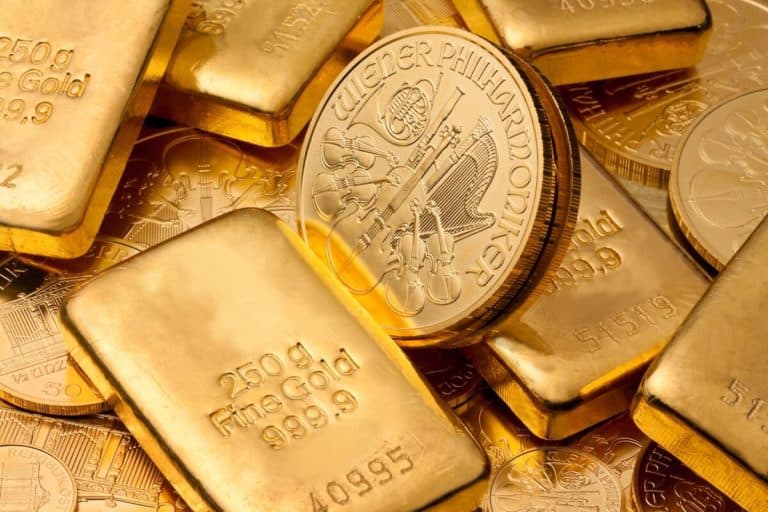
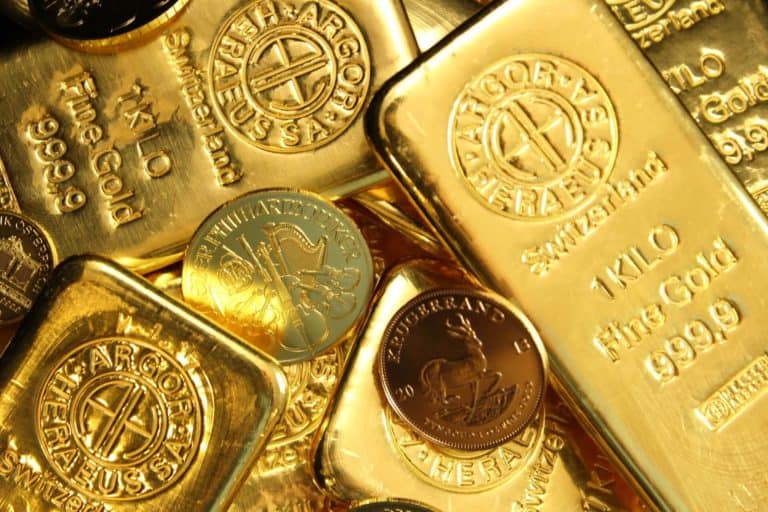
Gold must be 99.5% pure or higher. Approved forms include American Gold Eagle coins, Canadian Maple Leaf coins, and gold bars from approved refiners.
Silver requires 99.9% purity. Acceptable options include American Silver Eagle coins, Canadian Silver Maple Leaf coins, and silver bars meeting fineness requirements.
Platinum and palladium both need 99.95% purity levels. These metals are available as bars and coins from approved manufacturers.
| Metal | Purity Requirement | Common Forms |
|---|---|---|
| Gold | 99.5% | Eagles, Maple Leafs, bars |
| Silver | 99.9% | Eagles, Maple Leafs, bars |
| Platinum | 99.95% | Bars, coins |
| Palladium | 99.95% | Bars, coins |
Differences Between Gold IRAs and Other IRAs
A gold IRA combines the stability of precious metals with traditional IRA tax advantages. The account structure remains the same, but asset types change completely.
Storage Requirements: Gold IRAs require IRS-approved depositories for metal storage. Traditional IRAs hold electronic records of paper assets.
Ready to Protect Your Retirement?
Request your free State-Specific Gold IRA information kit and take the first step toward securing your financial future with precious metals.
Free Gold IRA GuideFees: Gold IRAs typically involve higher costs including custodial fees, storage fees, and insurance costs. Traditional IRAs usually charge lower annual fees.
Liquidity: Traditional IRA assets can be sold quickly during market hours. Physical precious metals may take longer to liquidate and convert to cash.
Tax Treatment: Both account types offer identical tax benefits. Contributions may be tax-deductible, and growth occurs tax-deferred until withdrawal.
Distribution Rules: Gold IRA holders can take physical possession of metals or receive cash equivalent at distribution time. Traditional IRA distributions are always cash-based.
How Precious Metals IRAs Work
A precious metals IRA requires working with a self-directed IRA custodian and choosing an IRS-approved depository for storage. The process involves transferring funds from existing retirement accounts and purchasing physical metals through approved dealers.
Account Setup Process
Opening a precious metals IRA starts with selecting a reputable gold IRA company. These companies guide investors through the entire process and ensure compliance with IRS regulations.
The investor must then work with a self-directed IRA custodian to establish the account. The custodian handles the legal requirements and manages the account according to federal guidelines.
Required documentation includes:
- Completed account application
- Signed custodial agreement
- Personal identification information
- Initial investment amount
The custodian cannot store precious metals at the investor’s home. All physical metals must be held in an IRS-approved depository facility.
Setup fees typically range from $50 to $150 as a one-time charge. Annual custodial fees usually cost between $50 and $150 for account maintenance and administration.
Funding Your IRA
Investors can fund their precious metals IRA through cash contributions or transfers from existing retirement accounts. Annual contribution limits follow the same rules as traditional IRAs.
The self-directed IRA puts investors in complete control of their asset mix. Once funded, investors select which precious metals to purchase based on their investment goals.
IRS-approved metals include:
- Gold (99.5% purity minimum)
- Silver (99.9% purity minimum)
- Platinum (99.95% purity minimum)
- Palladium (99.95% purity minimum)
The custodian purchases the metals from approved dealers. Storage fees at depositories typically range from $50 to $300 annually depending on the facility and storage type chosen.
How Much Will Your Gold IRA Really Cost?
See exactly how much you'll pay in setup, annual, and storage fees. Get personalized company recommendations based on your investment amount and retirement timeline.
Calculate My Total FeesTransferring or Rolling Over Existing Retirement Savings
Investors can move funds from existing 401(k), 403(b), or traditional IRA accounts into a precious metals IRA. This process helps preserve retirement savings while diversifying into physical metals.
Two transfer methods exist:
Direct rollover: Funds move directly from the old account to the new precious metals IRA. This method avoids tax withholding and potential penalties.
Indirect rollover: The investor receives a check and must deposit funds into the new account within 60 days. Missing this deadline triggers taxes and penalties.
Direct trustee-to-trustee transfers are recommended to avoid complications. The gold IRA company typically handles the paperwork and coordinates with both custodians.
Early withdrawals before age 59½ result in a 10% penalty plus regular income taxes. Limited exceptions apply for medical expenses, first-time home purchases, and permanent disability.
Choosing Eligible Gold & Silver Investments
The IRS has strict rules about which precious metals qualify for retirement accounts. Only specific purity levels and approved products can be held in a precious metals IRA.
Physical Gold and Silver Requirements
The IRS requires all precious metals for IRAs to meet minimum purity standards. Physical gold must be at least 99.5% pure to qualify for retirement account inclusion.
Silver has even stricter requirements. All silver products must meet a minimum 99.9% purity standard.
IRS Purity Requirements:
- Gold: 99.5% minimum purity
- Silver: 99.9% minimum purity
- Platinum: 99.95% minimum purity
- Palladium: 99.95% minimum purity
Collectors’ coins and numismatic items are prohibited. The IRS only allows bullion products that meet these purity standards.
All metals must be stored in an IRS-approved depository. Investors cannot store IRA precious metals at home or in personal safes.
IRS-Approved Coins and Bars
Gold and silver coins from government mints are the most common IRA investments. The American Gold Eagle and American Silver Eagle are popular choices.
Approved Gold Coins:
Don't Pay More Taxes Than You Have To
The wrong Gold IRA choice could cost you thousands in unnecessary taxes. See exactly how much you'll pay in taxes with a Traditional vs. Roth Gold IRA. Compare both options side-by-side based on your age, income, and retirement timeline.
- American Gold Eagle
- Canadian Gold Maple Leaf
- Australian Gold Kangaroo
- Austrian Gold Philharmonic
Approved Silver Coins:
- American Silver Eagle
- Canadian Silver Maple Leaf
- Austrian Silver Philharmonic
- Australian Silver Kookaburra
Gold and silver bars from accredited refiners also qualify. These bars must come from approved manufacturers like PAMP Suisse or Credit Suisse.
Proof coins are allowed if they meet purity requirements. However, they often carry higher premiums than standard bullion coins.
Selecting a Precious Metals Dealer
A precious metals dealer must work with IRA custodians to facilitate purchases. Not all dealers are authorized to sell to retirement accounts.
Look for dealers with established relationships with IRA custodians. This ensures smooth transactions and proper documentation.
Key Dealer Selection Factors:
- IRA custodian partnerships
- Competitive pricing and fees
- Product selection and availability
- Customer service and support
- Industry reputation and reviews
Compare pricing across multiple dealers before making purchases. Premiums over spot price can vary significantly between companies.
Verify the dealer’s credentials and Better Business Bureau rating. Established dealers typically offer better service and more reliable transactions for IRA investments.
Storage, Security, and Compliance
The IRS requires specific storage facilities and custodial arrangements for precious metals IRAs. These regulations ensure investor protection while maintaining tax-advantaged status through approved depositories and qualified custodians.
IRS-Approved Depositories
IRS-approved depositories must be used for storing precious metal investments in retirement accounts. The Internal Revenue Code mandates that gold, silver, platinum, and palladium purchased for an IRA must be stored with recognized financial institutions.
These secure facilities must meet strict IRS requirements before they can legally store precious metals for IRAs. Storage facilities are closely monitored by the IRS for adherence to regulations.
Major IRS-Approved Depositories:
- Delaware Depository Service Company
- Brinks Global Services
- HSBC Bank USA
- JP Morgan Chase Bank
- Texas Bullion Depository
Delaware Depository provides up to $1 billion of all-risk insurance coverage. The facility is licensed by the CME Group as an exchange-approved depository for NYMEX and COMEX markets.
Role of the Custodian
An IRS-approved custodian manages the precious metals IRA and ensures regulatory compliance. The custodian handles all transactions, storage arrangements, and required reporting to the IRS.
Gold IRA Company Comparison Checklist
Before choosing a Gold IRA company, use our comprehensive checklist to compare fees, reputation, storage options, and customer service ratings.
Download ChecklistCustodians coordinate with depositories to facilitate metal purchases and storage. They maintain detailed records of all holdings and provide regular account statements to investors.
Key Custodian Responsibilities:
- Transaction processing – Purchase and sale orders
- Storage coordination – Depository arrangements
- Regulatory compliance – IRS reporting requirements
- Account management – Statements and documentation
Equity Trust Company is one established custodian that specializes in self-directed IRAs. They work with multiple approved depositories to provide storage options for clients.
Security Standards and Best Practices
Secure facilities like A-M Global Logistics offer strict management and safekeeping with comprehensive security protocols. These depositories implement multiple layers of protection including armed guards, surveillance systems, and access controls.
Storage Options Available:
- Segregated Storage – Individual metals kept separate
- Allocated Storage – Specific bars/coins assigned to accounts
- Commingled Storage – Metals pooled with others
Most depositories offer segregated and allocated storage options for gold, silver, platinum, and palladium. These facilities are fully insured through Lloyd’s of London.
Advanced security features include biometric access controls, 24/7 monitoring, and real-time inventory tracking. Regular audits verify metal quantities and ensure accurate record-keeping for all stored assets.
Benefits and Risks of Precious Metals IRAs
Precious metals IRAs offer portfolio diversification and protection against inflation. Investors must also consider storage fees, market volatility, and liquidity limitations.
Diversification for Your Retirement Portfolio
Precious metals IRAs allow investors to hold physical gold, silver, platinum, and palladium alongside traditional stocks and bonds. This diversification can reduce overall portfolio risk when other assets decline.
Physical metals often perform differently than paper assets during market downturns. When stocks fall, gold and silver may maintain or increase their value.
Key diversification benefits include:
- Reduced correlation with stock market movements
- Protection against currency devaluation
- Tangible asset ownership
- Long-term value preservation
Investors typically allocate 5-10% of their retirement portfolio to precious metals. This percentage provides diversification without overexposure to any single asset class.
The metals must meet specific purity standards: gold at 99.5%, silver at 99.9%, and platinum and palladium at 99.95%. These requirements ensure quality and maintain investment value.
Hedge Against Inflation and Market Volatility
Precious metals have historically maintained purchasing power during inflationary periods. Gold and silver often rise in value when currency loses strength.
Investors use precious metals as a hedge against inflation because these assets typically retain value over time. During economic uncertainty, investors often turn to metals as safe-haven assets.
Reserved for Portfolios of $500K or More
Your portfolio qualifies you for an exclusive one-on-one web conference with a senior precious metals advisor, priority service, and direct access to strategies reserved for our most valued clients.
Request Your Exclusive GuideInflation protection characteristics:
- Historical performance: Gold has preserved wealth through multiple economic cycles
- Currency protection: Metals maintain value when dollar weakens
- Crisis resilience: Precious metals often perform well during market stress
Market volatility can actually benefit precious metals investors. When traditional markets experience turbulence, metals may see increased demand and higher prices.
However, metals prices can also be volatile in the short term. Investors should view precious metals as long-term holdings rather than quick profit opportunities.
Potential Drawbacks and Considerations
Precious metals IRAs come with several fees and limitations that investors must consider. These costs can impact overall returns and portfolio performance.
Major cost considerations include:
- Setup fees: $50-$150 one-time charge
- Annual custodian fees: $50-$150 per year
- Storage fees: $50-$300 annually
- Insurance costs for depository storage
Precious metals do not generate income through dividends or interest payments. Investors rely solely on price appreciation for returns.
Liquidity presents another challenge. Selling physical metals requires coordination with custodians and dealers.
This process takes longer than selling stocks or bonds.
Additional limitations:
- No dividend income
- Storage requirements at approved depositories
- Limited liquidity compared to paper assets
- Potential for price volatility
Early withdrawal penalties apply before age 59½, similar to traditional IRAs. Investors face a 10% penalty plus regular income taxes on withdrawn amounts.
Costs, Fees, and Key Considerations
Precious metals IRAs involve additional fees compared to traditional retirement accounts due to storage requirements and specialized custodian services. Investors face setup costs, annual maintenance charges, secure storage fees, and transaction expenses when buying or selling metals.
Setup and Maintenance Fees
Initial setup fees typically range from $50 to $300 depending on the custodian. This one-time charge covers account opening and paperwork processing.
Annual maintenance fees vary by custodian, with some charging fixed amounts while others use percentage-based pricing. Fixed annual fees usually cost $75 to $300 per year.
Percentage-based fees typically range from 0.5% to 1% of the account value annually. For a $100,000 account, this equals $500 to $1,000 yearly.
Your Complete Gold IRA Beginner's Guide
No confusing jargon. No pressure. Just clear answers about how Gold IRAs work, what they cost, and whether they're right for your retirement. Get the facts before you invest.
Get Your Free Starter GuideCommon Annual Fees:
- Account maintenance: $75-$300
- Custodian services: $100-$250
- Administrative costs: $50-$150
Some custodians waive setup fees for larger initial deposits or offer reduced rates for the first year.
Storage and Insurance Costs
Physical metals require secure storage to protect their value and meet IRS requirements. Storage fees depend on the facility type and metal quantity.
Segregated storage costs more than commingled storage. With segregated storage, metals are stored separately and individually identified.
Commingled storage mixes metals from different investors.
Storage Fee Structure:
- Segregated: $150-$300 annually
- Commingled: $100-$200 annually
- Percentage-based: 0.5%-1% of metal value
Insurance protects against theft, damage, or loss. Most storage facilities include basic insurance in their fees.
Additional coverage costs extra based on the metal value. Storage fees may increase with larger quantities or specialized requirements for certain metals.
Transaction and Dealer Fees
Purchase and sale transactions involve dealer spreads and commission fees. Dealers charge above spot price when selling metals and pay below spot price when buying back.
Typical Transaction Costs:
- Gold coins: 3%-8% above spot price
- Silver coins: 5%-15% above spot price
- Platinum/Palladium: 4%-10% above spot price
Liquidation fees apply when selling metals from the account. These range from $25 to $50 per transaction plus dealer spreads.
Wire transfer fees cost $25 to $50 for each transaction. Some custodians charge additional processing fees for metal purchases or sales.
Markup percentages vary by metal type, quantity, and market conditions. Larger purchases often receive better pricing due to volume discounts.
Strategies for Maximizing Precious Metals IRA Performance
Successful precious metals IRA performance depends on strategic allocation timing and market awareness. Investors can optimize returns through proper asset distribution, regular rebalancing, and understanding market cycles that affect gold and silver prices.
Long-Term Investment Strategies
Long-term precious metals investing requires patience and strategic planning. Gold investment serves as a hedge against inflation and economic uncertainty over extended periods.
Don't Choose Blindly
Selecting the right Gold IRA company is crucial for your retirement. Use our comprehensive comparison checklist to evaluate providers and make the best decision for your financial future.
Get Your ChecklistDollar-cost averaging helps reduce the impact of price volatility. Investors purchase fixed dollar amounts of precious metals at regular intervals regardless of current prices.
Key long-term approaches include:
- Monthly or quarterly purchases to smooth out price fluctuations
- Holding periods of 10-20 years for optimal wealth preservation
- Focusing on physical metals rather than paper investments
- Maintaining consistent contribution schedules
Historical data shows gold maintains purchasing power over decades. During the 1970s gold prices increased from $35 to over $800 per ounce as inflation surged.
Precious metals perform differently across economic cycles. They typically strengthen during recessions and weaken during economic expansion periods.
Asset Allocation and Rebalancing
Effective portfolio allocation typically includes 5-15% in precious metals for optimal diversification. This percentage provides meaningful protection without overexposure to a single asset class.
Recommended allocation breakdown:
| Metal Type | Portfolio Percentage |
|---|---|
| Gold | 60-70% |
| Silver | 20-30% |
| Platinum | 5-10% |
| Palladium | 5-10% |
Regular rebalancing ensures purchasing strategies remain aligned with risk tolerance and retirement plans. Quarterly reviews help maintain target allocations as metal prices fluctuate.
Rebalancing involves selling overweight positions and buying underweight assets. This disciplined approach forces investors to sell high and buy low naturally.
Market conditions may require allocation adjustments. During high inflation periods, increasing precious metals allocation to 20% may provide additional protection.
Evaluating Gold and Silver Market Trends
Understanding market trends helps optimize purchase timing and asset selection. Gold and silver prices respond to economic indicators, currency movements, and geopolitical events.
Key market indicators to monitor:
- Inflation rates – Higher inflation typically increases precious metals demand
- Dollar strength – Weak dollar often correlates with higher gold prices
- Interest rates – Low rates make non-yielding assets more attractive
- Economic uncertainty – Crisis periods drive safe-haven demand
Gold often outperforms during market stress while silver shows higher volatility. Silver has industrial applications that affect its price beyond investment demand.
Technical analysis helps identify entry and exit points. Support and resistance levels provide guidance for purchase timing decisions.
Seasonal patterns influence precious metals prices. Gold typically performs better from August through February while summer months often show weakness.
Global events create price volatility opportunities. Banking crises, trade wars, and currency devaluations historically boost precious metals demand.
How Gold Performed During Every Stock Market Crash
See the data: when stocks dropped 19.4% in 2022, gold only fell 4.3%. Compare gold's downside protection across decades of market volatility and economic crises.
Compare Crash PerformanceFrequently Asked Questions
Investors often have specific questions about precious metals IRAs, including how to get started, tax benefits, and price factors. Understanding the comparison to traditional retirement accounts and associated risks helps investors make informed decisions about gold and silver investments.
How can one start investing in a gold and silver IRA?
Starting a precious metals IRA requires opening a self-directed individual retirement account through a specialized custodian. The investor must choose a custodian that handles precious metals transactions and storage.
The first step involves selecting an IRA custodian who specializes in precious metals investments. This custodian will handle all paperwork and regulatory requirements.
Next, the investor funds the account through contributions or rollovers from existing retirement accounts. Many people transfer funds from 401(k) plans or traditional IRAs.
The investor then selects IRS-approved gold and silver products that meet purity requirements. Gold must be at least 99.5% pure, while silver must be 99.9% pure.
Finally, the custodian purchases the metals and stores them in an IRS-approved depository. The investor receives regular statements showing their holdings.
What are the tax implications of investing in a precious metals IRA?
Precious metals IRAs follow the same tax rules as traditional retirement accounts. Traditional precious metals IRAs offer tax-deferred growth, while Roth versions provide tax-free withdrawals in retirement.
Contributions to traditional precious metals IRAs may be tax-deductible depending on income levels. The metals grow tax-free inside the account until withdrawal.
Roth precious metals IRAs use after-tax dollars for contributions. Qualified withdrawals in retirement are completely tax-free.
Required minimum distributions begin at age 73 for traditional accounts. These distributions are taxed as ordinary income.
Early withdrawals before age 59½ typically incur a 10% penalty plus regular income taxes. Some exceptions exist for first-time home purchases and educational expenses.
What factors contribute to the fluctuations in gold and silver prices?
Economic uncertainty drives much of the demand for precious metals. Investors often buy gold and silver during times of inflation or market instability.
Currency strength affects precious metals prices significantly. A weaker U.S. dollar typically pushes gold and silver prices higher.
Supply and demand fundamentals influence pricing. Mining output, industrial demand, and jewelry consumption all impact market prices.
Central bank policies affect precious metals markets. Interest rate changes and monetary policy decisions create price movements.
Geopolitical events create sudden price shifts. Wars, trade disputes, and political uncertainty increase precious metals demand.
Plan Your Gold IRA Distributions Strategically
Calculate which ounces to sell, when to take distributions, and how to minimize tax impact. Get your personalized RMD strategy based on current gold prices and IRS tables.
Create My RMD PlanHow does a precious metals IRA compare to traditional IRAs?
Precious metals IRAs differ from traditional IRAs in the types of assets held. Traditional IRAs typically contain stocks, bonds, and mutual funds, while precious metals IRAs hold physical gold and silver.
Storage requirements set precious metals IRAs apart. Physical metals must be stored in IRS-approved depositories, while traditional IRA assets exist electronically.
Fee structures vary between the two account types. Precious metals IRAs often have higher fees due to storage and insurance costs.
Liquidity differs significantly between account types. Traditional IRA assets can be sold quickly during market hours, while precious metals may take longer to liquidate.
Both account types offer similar tax advantages and contribution limits.
What are the risks associated with investing in gold and silver IRAs?
Price volatility represents the primary risk in precious metals investing. Gold and silver prices can fluctuate significantly over short periods.
Storage and insurance costs reduce overall returns. These ongoing fees eat into the investment gains over time.
Liquidity concerns may arise during market stress. Selling physical metals can take longer than selling stocks or bonds.
No income generation occurs with precious metals holdings. Unlike dividend-paying stocks, gold and silver produce no regular income.
Counterparty risk exists with custodians and storage facilities. Investors must trust third parties to safeguard their precious metals.
How do market trends affect the performance of gold and silver IRAs?
Inflation trends strongly influence precious metals performance. Rising inflation typically boosts gold and silver prices as investors seek protection.
Stock market performance often moves inversely to precious metals. During stock market declines, investors frequently move money into gold and silver.
Interest rate changes affect precious metals attractiveness. Higher rates make income-producing assets more appealing than non-yielding metals.
Economic growth patterns influence industrial demand for silver. Strong manufacturing activity increases silver consumption and prices.
Global economic conditions drive safe-haven demand. International crises and uncertainty boost precious metals appeal worldwide.




One More Thing...
If you're serious about protecting your retirement, get the complete Gold IRA guide. It's free, there's no obligation, and it could be one of the smartest financial decisions you make.
Get Your Guide