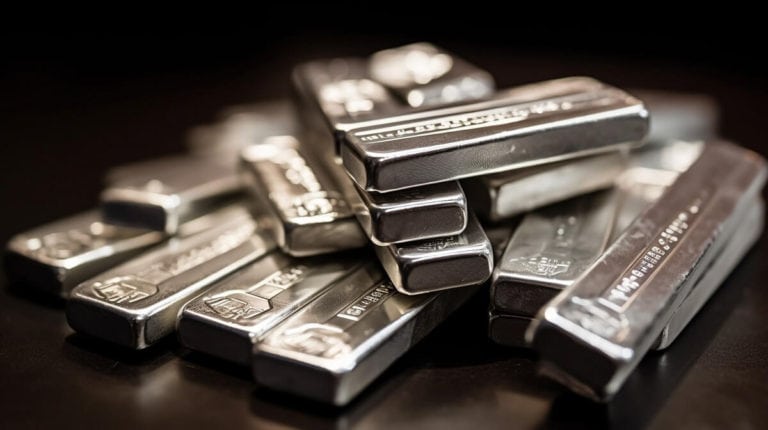
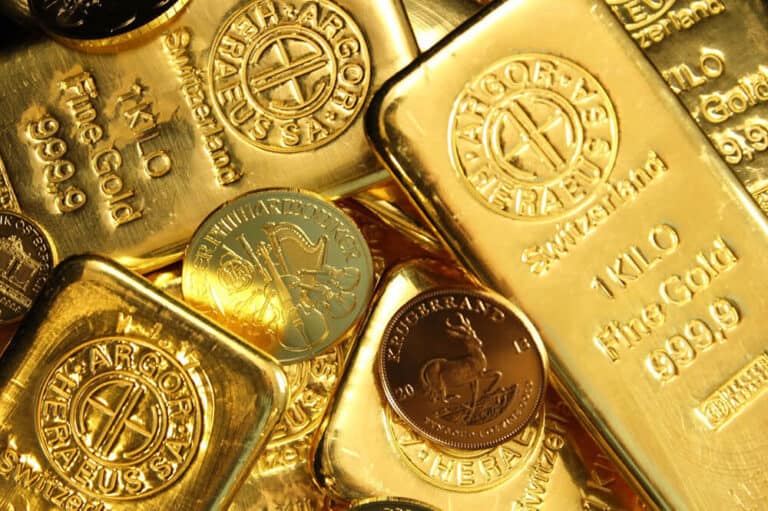
Gold and silver have protected wealth for thousands of years. They serve as reliable stores of value during economic uncertainty.
Today, these precious metals continue to offer investors a way to diversify portfolios. They also help hedge against inflation, making them attractive options for both new and experienced investors.
The key to successful precious metals investing lies in understanding the different forms available, from physical bullion to ETFs. Choosing reputable dealers who offer transparent pricing and secure transactions is essential.
This comprehensive guide covers everything from setting investment goals and understanding market trends to selecting storage solutions and monitoring performance. Whether someone prefers physical coins and bars or paper investments, the right approach depends on individual financial objectives and risk tolerance.
Key Takeaways
- Gold and silver investments serve as effective hedges against inflation and economic uncertainty while diversifying investment portfolios.
- Investors can choose between physical metals like coins and bars or paper assets such as ETFs and mining stocks based on their goals.
- Success requires selecting reputable dealers, understanding market premiums, and implementing secure storage solutions for physical metals.
Why Purchase Gold and Silver?
Gold and silver serve as inflation hedges and wealth preservation tools during economic uncertainty. These precious metals offer portfolio diversification benefits while acting as a store of value against market volatility.
Benefits of Gold and Silver Investments
Gold and silver provide stability during economic uncertainty and protect against currency devaluation. These precious metals maintain purchasing power over long periods.
Portfolio Diversification
- Reduces overall investment risk
- Performs differently than stocks and bonds
Physical ownership offers direct control over assets. Investors can hold coins, bars, or bullion without relying on third parties.
Precious metals maintain liquidity in global markets. Gold and silver can be sold quickly when cash is needed.
Historical performance shows these metals preserve wealth across generations. They have maintained value for thousands of years across different civilizations.
Risks of Investing in Precious Metals
Market volatility affects gold and silver prices daily. Price fluctuations can cause substantial financial losses if investors buy at peak prices.
Storage and Security Costs
- Safe deposit boxes require monthly fees
- Home safes need insurance coverage
Professional vault services charge storage fees. No dividend or interest income comes from holding physical metals.
Investors rely solely on price appreciation for returns. Geopolitical events influence precious metals markets unpredictably.
Global tensions can create rapid price swings that affect investment values. Market demand changes impact prices based on industrial use and investor sentiment.
Economic recovery can reduce demand for safe-haven assets.
Gold and Silver as a Hedge Against Inflation
Gold and silver historically maintain purchasing power when currency values decline. These metals act as an inflation hedge by preserving wealth during periods of rising prices.
Ready to Protect Your Retirement?
Request your free State-Specific Gold IRA information kit and take the first step toward securing your financial future with precious metals.
Free Gold IRA GuideInflation Protection Benefits
- Prices typically rise with inflation rates
- Protects against currency devaluation
Central bank policies that increase money supply often drive precious metals prices higher. Economic uncertainty creates demand for tangible assets.
Silver offers additional industrial demand beyond investment purposes. Electronics, solar panels, and medical devices require silver for manufacturing.
Gold serves as a store of value during currency crises. International investors turn to gold when paper currencies lose stability.
Both metals provide wealth preservation across economic cycles. They offer protection when traditional investments struggle during inflationary periods.
Setting Your Investment Goals
Successful precious metals investing requires clear financial objectives and realistic budget planning. Understanding your risk tolerance helps determine the right allocation of gold and silver within your overall investment strategy.
Determining Your Budget
Determining a budget for buying gold and silver involves assessing financial capacity to decide the amount for investment in precious metals. Investors should allocate only funds they can afford to hold long-term without affecting daily expenses.
Financial experts recommend dedicating 5-10% of an investment portfolio to precious metals. This percentage provides diversification benefits without overexposure to a single asset class.
Key budget considerations include:
- Available disposable income
- Emergency fund requirements
Existing debt obligations and other investment commitments also matter. Investors should factor in additional costs beyond the metal’s spot price.
These include dealer premiums, storage fees, insurance costs, and potential transaction fees. Market timing affects budget allocation.
Dollar-cost averaging allows investors to purchase metals gradually over time. This reduces the impact of price volatility on their investment decisions.
Identifying Investment Objectives
Investment goals determine the type of precious metals purchases most suitable for each investor. Common objectives include wealth preservation, inflation protection, portfolio diversification, and crisis hedging.
Primary investment objectives:
- Wealth preservation – Maintaining purchasing power over time
- Inflation hedge – Protection against currency devaluation
Portfolio diversification reduces correlation with traditional assets. Crisis protection provides a safe haven during economic uncertainty.
How Much Will Your Gold IRA Really Cost?
See exactly how much you'll pay in setup, annual, and storage fees. Get personalized company recommendations based on your investment amount and retirement timeline.
Calculate My Total FeesShort-term investors may prefer liquid options like ETFs or mining stocks. Long-term investors often choose physical metals for maximum security and control.
Retirement planning requires different strategies than speculation. Those building retirement wealth typically favor stable, physical holdings over volatile paper investments.
Investment goals influence the gold-to-silver ratio in a portfolio. Gold offers more stability, while silver provides greater growth potential but with higher volatility.
Assessing Risk Tolerance
Risk tolerance determines the appropriate mix of precious metals investments within an investment portfolio. Conservative investors prefer physical metals, while aggressive investors may choose mining stocks or leveraged products.
Risk levels by investment type:
- Low risk – Physical bullion, established coins
- Medium risk – ETFs, mutual funds
High risk investments include mining stocks and futures contracts. Age and income stability affect risk capacity.
Younger investors can typically handle more volatility than those approaching retirement. Physical metals carry storage and insurance risks but eliminate counterparty risk.
Paper investments offer convenience but depend on third-party performance. Market volatility impacts different precious metals investments differently.
Gold typically shows less price swings than silver, making it suitable for conservative portfolios. Investors should regularly reassess their risk tolerance as financial circumstances change.
Life events like job changes or family additions may require portfolio adjustments.
Understanding Forms of Gold and Silver Investments
Gold and silver investments offer multiple pathways through physical bullion ownership, exchange-traded funds, mining company stocks, and collectible coins. Each investment type provides different benefits for portfolio diversification and wealth preservation strategies.
Physical Bullion: Coins, Bars, and Rounds
Physical bullion represents the most direct way to own gold and silver. This category includes gold bars, silver coins, and rounds that investors can hold in their possession.
Gold bars come in various sizes from one ounce to 400 ounces. They typically offer the lowest premiums over spot price.
Many investors prefer smaller bars for easier storage and liquidity. Silver coins include government-minted options like American Silver Eagles and Canadian Maple Leafs.
These coins carry legal tender status and are widely recognized by dealers worldwide. Silver bullion rounds are privately minted and often cost less than government coins.
Don't Pay More Taxes Than You Have To
The wrong Gold IRA choice could cost you thousands in unnecessary taxes. See exactly how much you'll pay in taxes with a Traditional vs. Roth Gold IRA. Compare both options side-by-side based on your age, income, and retirement timeline.
They contain the same precious metal content but lack legal tender status. Physical gold and silver require secure storage solutions.
Investors must consider safe deposit boxes, home safes, or professional vault services. Insurance costs add to the overall investment expense.
The main advantage of physical bullion ownership is direct control over the assets. Investors avoid counterparty risk and can access their metals immediately during economic uncertainty.
Exchange-Traded Funds (ETFs) and Silver ETFs
ETFs provide exposure to gold and silver prices without physical ownership requirements. These funds track precious metals prices and trade on major stock exchanges like regular stocks.
Gold ETFs hold physical gold in secure vaults. The fund’s share price moves with gold market prices.
Popular options include SPDR Gold Shares and iShares Gold Trust. Silver ETFs operate similarly but focus on silver holdings.
The iShares Silver Trust is among the largest silver-focused funds available to investors. ETFs offer several advantages over physical ownership.
They provide instant liquidity during market hours. Storage and insurance costs are handled by the fund management company.
Investors can buy and sell ETF shares through standard brokerage accounts. This makes silver investment more accessible for beginners who want precious metals exposure.
However, ETF investors don’t own physical metals directly. They hold shares representing claims to the underlying assets.
This creates counterparty risk that physical ownership avoids.
Mining Stocks and Precious Metals Securities
Mining stocks provide indirect exposure to gold and silver through company ownership. These investments can amplify precious metals price movements but carry additional business risks.
Gold mining companies extract and process gold ore. Their stock prices typically correlate with gold prices but can be more volatile.
Company-specific factors like production costs and management decisions affect performance. Silver mining companies focus on silver extraction or produce silver as a byproduct.
Many companies mine both gold and silver, providing diversified precious metals exposure. Mining stocks offer potential for higher returns than physical metals during bull markets.
Companies can increase production and improve efficiency to boost profits beyond metal price gains. However, mining operations face operational challenges.
Gold IRA Company Comparison Checklist
Before choosing a Gold IRA company, use our comprehensive checklist to compare fees, reputation, storage options, and customer service ratings.
Download ChecklistEnvironmental regulations, labor disputes, and equipment failures can impact production. Political instability in mining regions adds another risk layer.
Investors should research company financials, production costs, and reserve estimates. Diversifying across multiple mining stocks helps reduce individual company risks while maintaining precious metals exposure.
Rare and Collectible Coins
Rare coins combine precious metals content with numismatic value. These collectible pieces can appreciate beyond their metal content based on rarity, condition, and historical significance.
Gold rare coins include historical pieces like Saint-Gaudens Double Eagles and Liberty Head coins. Their value depends on metal content plus collector demand for specific dates and mint marks.
Silver rare coins encompass Morgan dollars, Peace dollars, and other historical pieces. Condition grades from professional services like PCGS significantly impact values.
Collectible coins require specialized knowledge to evaluate properly. Factors like mintage numbers, survival rates, and market demand influence pricing beyond precious metals content.
The rare coin market operates differently from bullion markets. Coins may hold value during metals price declines due to collector interest.
However, liquidity can be limited compared to standard bullion products. Investors should focus on well-known series with established markets.
Professional grading and authentication services help verify coin authenticity and condition for gold and silver investment purposes.
How to Buy Gold and Silver
The gold and silver buying process involves choosing between physical metals and digital investments. Finding trustworthy dealers, understanding pricing structures, and exploring tax-advantaged retirement accounts are also important.
These decisions impact storage costs, liquidity, and long-term investment returns.
Evaluating Physical Versus Digital Assets
Physical gold and silver offer direct ownership and tangible security. Investors can hold coins like American Eagles or bars from the Perth Mint in their hands.
This provides peace of mind during economic uncertainty. Storage presents the biggest challenge with physical metals.
Silver requires more space than gold due to its lower value per ounce. Investors need secure storage solutions like home safes or bank safety deposit boxes.
Digital alternatives include ETFs and mining stocks that trade on stock exchanges. These provide exposure to precious metals prices without storage concerns.
However, investors don’t own actual metal with these options. ETFs and mining stocks offer liquidity and diversification but carry counterparty risk.
Reserved for Portfolios of $500K or More
Your portfolio qualifies you for an exclusive one-on-one web conference with a senior precious metals advisor, priority service, and direct access to strategies reserved for our most valued clients.
Request Your Exclusive GuidePhysical metals eliminate third-party dependence but sacrifice easy trading ability.
Selecting Reputable Precious Metals Dealers
Choosing the right dealer protects against fraud and ensures fair pricing. Reputable dealers like APMEX offer wide selections and transparent pricing.
Other established names include JM Bullion and Kitco.
Key dealer evaluation factors:
- Industry certifications and accreditation
- Customer reviews and Better Business Bureau ratings
- Buyback policies and return procedures
- Shipping insurance and security measures
Local coin shops provide personal service and immediate possession. Online dealers typically offer better prices and larger inventories.
Both options have advantages depending on investor preferences. Verify dealer authenticity guarantees and return policies before purchasing.
Legitimate dealers provide certificates of authenticity and clear documentation for all transactions.
Considering Price and Premiums
Spot price represents the current market value of gold and silver. Dealers add premiums to cover manufacturing, distribution, and profit margins.
Premium costs vary significantly between different product types.
Typical premium ranges:
- Gold bars: 2-5% over spot price
- Silver bars: 5-15% over spot price
- Coins: 10-25% over spot price
- Collectible coins: 25-100% over spot price
Buying larger quantities reduces per-ounce costs. 100-ounce silver bars offer significantly lower premiums than one-ounce coins.
Gold bars also provide better value than coins for pure investment purposes. Compare total costs including shipping and insurance.
Some dealers offer free shipping on minimum orders. Factor in potential selling premiums when choosing products.
Navigating Gold and Silver IRAs
Gold IRAs allow precious metals investments within tax-advantaged retirement accounts. These self-directed IRAs hold physical metals in approved depositories.
Investors can rollover existing 401(k) or IRA funds without tax penalties.
Your Complete Gold IRA Beginner's Guide
No confusing jargon. No pressure. Just clear answers about how Gold IRAs work, what they cost, and whether they're right for your retirement. Get the facts before you invest.
Get Your Free Starter GuideIRA-eligible metals requirements:
- Gold: 99.5% minimum purity
- Silver: 99.9% minimum purity
- Approved coins like American Eagles
- Bars from accredited refiners
Custodians manage IRA accounts and ensure compliance with IRS regulations. They coordinate with dealers and storage facilities.
Annual fees typically range from $200-500 for custodian and storage services. Gold IRAs provide tax benefits but limit direct access to metals.
Investors cannot take physical possession without triggering taxable distributions. This structure suits long-term retirement planning better than short-term trading.
Safeguarding and Storing Your Precious Metals
Proper storage protects physical bullion from theft, damage, and environmental harm while preserving its value for wealth preservation. Investors can choose between home storage solutions, professional vault services, or a combination of both approaches.
Home Storage Solutions
Home storage gives investors direct access to their physical bullion at any time. A quality fireproof and waterproof safe provides the foundation for secure home storage.
- Fire rating of at least 1 hour at 1700°F
- Waterproof seal protection
- Bolt-down capability to floor or wall
- Weight of 500+ pounds when empty
The safe should be installed in a discrete location away from obvious areas like master bedrooms. Basements or interior closets work well for concealment.
Storing precious metals in hidden places around the home like freezers or buried in yards creates unnecessary risks. These methods expose metals to damage and make them vulnerable to accidental loss.
Investors should limit how many people know about their home storage. Even trusted family members should only receive this information when absolutely necessary.
Third-Party and Secure Vault Storage
Professional depositories offer the highest level of security for precious metals storage. These facilities specialize in protecting gold, silver, and other valuable assets.
- 24/7 armed security guards
- Biometric access controls
- Surveillance systems
- Bulletproof construction
- Independent auditing
Vault storage facilities typically provide insurance coverage for stored metals. This removes the burden of securing separate insurance policies from investors.
Some depositories offer segregated storage where individual metals remain separate from other customers’ holdings. Others use allocated storage where metals are pooled but ownership records track specific quantities.
The Perth Mint operates one of the world’s most recognized storage programs. Their certificate program allows investors to hold precious metals without physical delivery while maintaining government backing.
Bank safe deposit boxes provide another third-party option. However, banks don’t insure precious metals contents, and access remains limited to banking hours.
Don't Choose Blindly
Selecting the right Gold IRA company is crucial for your retirement. Use our comprehensive comparison checklist to evaluate providers and make the best decision for your financial future.
Get Your ChecklistInsurance and Security Considerations
Standard homeowner’s insurance policies typically provide minimal coverage for precious metals. Most policies cap precious metals coverage at $1,000 to $2,500 total.
Home Insurance Options:
- Scheduled personal property riders
- Valuable items coverage
- Separate precious metals policies
- Increased coverage limits
Professional appraisals establish current market values for insurance purposes. Investors should update these appraisals every 2-3 years as metal prices change.
Avoiding high humidity and temperature fluctuations prevents tarnishing and deterioration. Climate-controlled environments maintain optimal storage conditions.
Documentation proves ownership and assists with insurance claims. Investors should photograph their holdings and maintain purchase receipts in separate locations from the metals themselves.
Security Best Practices:
- Never discuss holdings with strangers
- Avoid social media posts about purchases
- Use different storage locations for large holdings
- Maintain detailed inventory records
Professional storage facilities handle security considerations automatically. Their insurance policies cover theft, natural disasters, and other risks that individual investors would need to address separately.
Monitoring Performance and Market Trends
Successful gold and silver investing requires tracking daily price movements and understanding the economic forces that drive market changes. Geopolitical events and economic indicators create significant price swings that directly impact investment returns.
Understanding Gold and Silver Prices
Gold and silver prices move based on supply and demand fundamentals. The spot price represents the current market value for immediate delivery.
Key price factors include:
- Mining production levels
- Industrial demand for silver
- Jewelry market consumption
- Investment demand from individuals and institutions
Tracking live gold prices helps investors time their purchases and sales. Silver prices typically show higher volatility than gold due to smaller market size.
Investors should monitor both metals daily. Price charts reveal trends over weeks, months, and years.
Professional tracking strategies include setting price alerts and following technical indicators. Many investors use mobile apps to check prices throughout the day.
Assessing Market Volatility and Economic Factors
Economic data releases cause immediate price reactions in precious metals markets. Inflation reports, employment numbers, and central bank announcements create volatility.
Major economic indicators affecting prices:
- Consumer Price Index (CPI) data
- Federal Reserve interest rate decisions
- Currency exchange rates
- Stock market performance
High inflation typically pushes gold and silver prices higher. Lower interest rates make precious metals more attractive than bonds or savings accounts.
Market fluctuations require investors to stay informed about global economic conditions. Central bank gold purchases influence long-term price trends.
How Gold Performed During Every Stock Market Crash
See the data: when stocks dropped 19.4% in 2022, gold only fell 4.3%. Compare gold's downside protection across decades of market volatility and economic crises.
Compare Crash PerformanceDollar strength usually pressures precious metals prices downward. Weak economic growth often increases demand for safe-haven assets like gold.
The Impact of Geopolitical Events on Prices
Political instability and international conflicts drive investors toward precious metals as safe investments. Wars, trade disputes, and government policy changes create immediate price spikes.
Common geopolitical price drivers:
- Military conflicts and tensions
- Trade war announcements
- Government debt crises
- Currency devaluations
Gold prices often surge during major international crises. Silver follows similar patterns but with more dramatic price swings.
Elections and policy changes affect investor confidence. Uncertainty about future economic policies increases precious metals demand.
Central bank strategies include increasing gold reserves during unstable periods. These purchases support higher prices over time.
Natural disasters and supply chain disruptions also impact mining operations. Reduced production can tighten supply and raise prices.
Frequently Asked Questions
New investors often wonder about the tangible benefits of precious metals ownership and the practical steps to begin building a portfolio. Understanding storage options, legal ownership limits, and choosing between different physical forms helps buyers make informed decisions.
What are the benefits of investing in gold and silver?
Gold serves as a hedge against market volatility and currency devaluation. When stocks and bonds decline, gold typically moves in the opposite direction, providing portfolio protection.
Physical gold and silver offer tangible ownership that investors can hold directly. Unlike digital assets, these metals cannot be destroyed by fire, water, or time.
Silver carries many advantages similar to gold but trades at lower price points. This makes it more accessible for new investors starting with smaller amounts.
Both metals maintain purchasing power over long periods. They have served as stores of value for thousands of years across different economies and currencies.
How can beginners start investing in gold and silver?
Most financial advisors recommend allocating 10-15% of investment portfolios to precious metals. This provides diversification without overexposure to any single asset class.
Beginners should start with small purchases to learn the market. Popular starting options include one-ounce silver coins or fractional gold pieces.
New investors benefit from researching reputable dealers before making purchases. Understanding the basics helps avoid common mistakes when entering the market.
Setting a budget and sticking to regular purchase schedules helps build positions over time. This approach reduces the impact of short-term price fluctuations.
Plan Your Gold IRA Distributions Strategically
Calculate which ounces to sell, when to take distributions, and how to minimize tax impact. Get your personalized RMD strategy based on current gold prices and IRS tables.
Create My RMD PlanWhat are the best online platforms for purchasing gold and silver?
Established dealers with long track records offer the most reliable service. They provide transparent pricing, secure shipping, and buyback programs for future sales.
Online platforms should display real-time pricing tied to spot metal prices. This ensures buyers pay fair premiums above the underlying metal value.
Reputable dealers offer insurance and tracking for all shipments. They also provide secure storage options for investors who prefer professional vaults.
Customer service quality varies significantly between dealers. Reading reviews and testing support responsiveness helps identify the best platforms for individual needs.
What is the most cost-effective method to buy physical gold and silver?
Larger purchases typically carry lower premiums per ounce. Buying in bulk reduces the percentage markup over spot prices.
Generic bars and rounds cost less than government-minted coins. However, coins may offer better liquidity when selling later.
Avoiding credit card purchases saves processing fees. Bank transfers and checks typically offer the lowest transaction costs.
Regular purchases through dollar-cost averaging can reduce timing risks. This strategy smooths out price fluctuations over extended periods.
Are there legal limitations on the amount of gold a US citizen can own?
US citizens can legally own unlimited amounts of gold and silver. No federal restrictions exist on private ownership of precious metals.
Purchases above certain thresholds may require dealer reporting to government agencies. These rules focus on large cash transactions rather than ownership limits.
Some states impose sales taxes on precious metals purchases. Understanding local tax obligations helps calculate total investment costs.
International travel with precious metals may require customs declarations. Travelers should research regulations before crossing borders with metals.
How can an investor decide between buying gold and silver coins or bars?
Coins typically carry higher premiums but offer better recognition and liquidity. Government-minted coins are widely accepted by dealers and collectors.
Bars provide more metal per dollar spent due to lower manufacturing costs. They work well for investors focused purely on metal accumulation.
Storage considerations favor bars for large positions. Their uniform shapes stack efficiently in safes or storage facilities.
Coins offer more flexibility for partial sales. Investors can sell smaller quantities without breaking larger bars into pieces.
Silver requires more storage space than gold due to its lower value density. This factor influences the choice between coins and bars for silver investors.




One More Thing...
If you're serious about protecting your retirement, get the complete Gold IRA guide. It's free, there's no obligation, and it could be one of the smartest financial decisions you make.
Get Your Guide