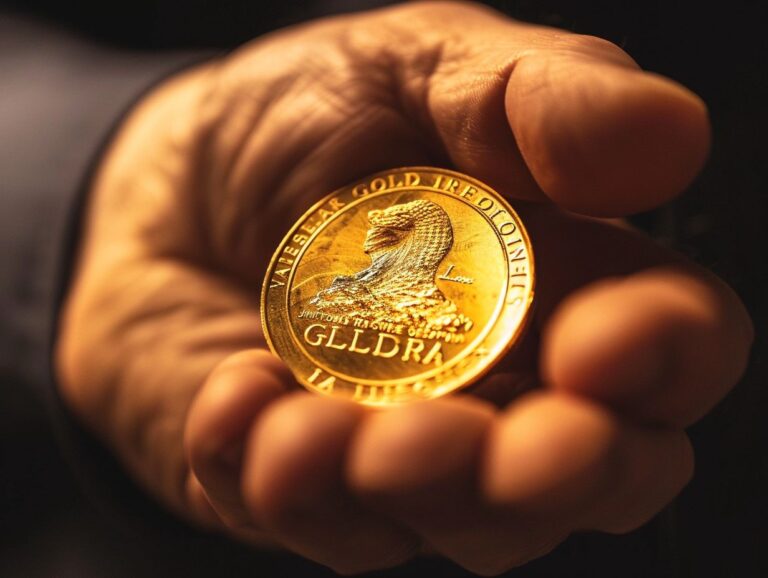
When investors consider adding gold to their portfolios, they often face a crucial decision between two main options. Gold bullion refers to bars or ingots valued primarily for their gold content, while gold coins are minted pieces that may carry both precious metal value and collectible worth.
This distinction affects everything from pricing to storage considerations. The choice between these two forms of physical gold depends on several factors including investment goals, budget constraints, and personal preferences.
Gold bullion typically offers lower premiums and higher liquidity due to its standardized form. Coins may provide additional numismatic value beyond their gold content.
Each option presents unique advantages for different types of investors. Understanding the core differences between bullion and coins helps investors make informed decisions about their precious metals strategy.
The physical form, purity levels, storage requirements, and market dynamics all play important roles in determining which option best suits individual investment objectives and risk tolerance levels.
Key Takeaways
- Gold bullion consists of bars valued for gold content while coins offer both precious metal and potential collectible value
- Bullion typically provides lower premiums and higher liquidity compared to coins with their varied designs and historical significance
- Investment choice depends on personal goals, with bullion favoring pure gold exposure and coins appealing to collectors seeking numismatic value
Core Distinctions Between Gold Bullion and Gold Coins
Gold bullion and gold coins differ in physical form, value calculation methods, and legal recognition. Bullion focuses purely on gold content while coins may carry additional collector value beyond their metal worth.
Definition and Physical Form
Gold bullion refers to precious metal in its raw form, typically cast into bars or ingots. These bars come in standardized weights ranging from one ounce to 400 ounces.
Bullion bars feature simple designs with weight, purity, and manufacturer markings. The rectangular shape maximizes storage efficiency.
Gold coins are minted pieces with specific designs, denominations, and artistic elements. They undergo detailed production processes that create intricate patterns and national symbols.
Key Physical Differences:
- Size: Bullion bars are larger and heavier
- Design: Coins feature detailed artwork and text
- Shape: Bars are rectangular, coins are circular
- Production: Bars are cast, coins are struck
Coins appeal to collectors due to their aesthetic value and historical significance. Bullion prioritizes function over form.
Value Determinants: Gold Content Versus Numismatic Value
Bullion value depends entirely on gold content and current market prices. The pricing follows spot gold rates with minimal premiums added for production and dealer markup.
Gold coins have dual value sources. They contain intrinsic gold value plus potential numismatic value from rarity, age, or historical importance.
Ready to Protect Your Retirement?
Request your free State-Specific Gold IRA information kit and take the first step toward securing your financial future with precious metals.
Free Gold IRA GuideBullion Value Factors:
- Current gold spot price
- Weight and purity
- Small dealer premiums
Coin Value Factors:
- Gold content value
- Rarity and mintage numbers
- Historical significance
- Condition and grade
Numismatic value can significantly exceed the underlying gold worth. Rare coins may sell for multiples of their metal content.
Modern bullion coins like American Eagles trade close to spot prices. Vintage or limited edition coins command higher premiums.
Legal Tender Status and Recognition
Gold coins issued by government mints carry legal tender status. They have face values and official recognition as currency within their issuing countries.
Popular legal tender gold coins include American Eagles, Canadian Maple Leafs, and South African Krugerrands. These coins enjoy widespread acceptance globally.
Bullion bars lack legal tender status. They function as commodities rather than official currency.
Legal Recognition Benefits:
- Government backing and authentication
- Standardized weights and purities
- International recognition
- Easier resale and liquidity
Private mint coins and rounds do not qualify as legal tender. They trade based purely on metal content without official government backing.
Legal tender status may provide tax advantages in some jurisdictions. Investors should consult tax professionals about specific implications.
Gold Bullion: Features, Types, and Market Role
Gold bullion represents physical gold in its most basic investment form, valued primarily for its gold content rather than artistic design or collectible appeal. Gold bullion typically maintains higher purity levels than other gold products and comes in standardized forms that make trading more straightforward.
How Much Will Your Gold IRA Really Cost?
See exactly how much you'll pay in setup, annual, and storage fees. Get personalized company recommendations based on your investment amount and retirement timeline.
Calculate My Total FeesPurity and Standardization
Gold bullion maintains strict purity standards that typically range from 99.5% to 99.99% pure gold. This high purity level makes bullion products highly liquid and easily tradeable in global markets.
Most reputable refineries produce bullion with 999.9 fineness, meaning 99.99% pure gold content. The remaining 0.01% consists of trace elements that occur naturally in gold ore.
Standardization extends beyond purity to include weight measurements. Common weights include 1 gram, 1 ounce, 10 ounces, and 1 kilogram for smaller bars.
Each piece of bullion displays important markings including weight, purity, refinery name, and serial numbers. These markings ensure authenticity and make verification simple for buyers and sellers.
Common Forms: Bars, Rounds, and Bullion Coins
Types of gold bullion include three main categories that serve different investment needs and budgets.
Gold bars represent the most traditional form of bullion investment. They range from small 1-gram bars perfect for beginners to large 400-ounce bars used by institutions.
Popular bar sizes include:
- 1 gram to 10 grams for small investors
- 1 ounce to 10 ounces for individual portfolios
- 100 ounces to 400 ounces for institutional holdings
Gold rounds look similar to coins but lack legal tender status. Private mints produce these circular pieces of gold bullion at lower premiums than government-issued coins.
Gold rounds often feature attractive designs while maintaining focus on gold content rather than collectible value. They offer a middle ground between bars and coins.
Bullion coins combine the purity of bullion with government backing. Examples include American Gold Eagles, Canadian Maple Leafs, and South African Krugerrands.
Production by Refineries and Private Mints
Refineries transform raw gold ore and scrap gold into investment-grade bullion products. Major refineries like PAMP Suisse, Valcambi, and Perth Mint set global standards for quality and purity.
These facilities use advanced refining techniques to achieve the high purity levels required for bullion products. The refining process removes impurities and creates uniform gold content.
Don't Pay More Taxes Than You Have To
The wrong Gold IRA choice could cost you thousands in unnecessary taxes. See exactly how much you'll pay in taxes with a Traditional vs. Roth Gold IRA. Compare both options side-by-side based on your age, income, and retirement timeline.
Private mints focus on producing smaller bullion products like rounds and small bars. They offer more variety in designs while maintaining the same purity standards as major refineries.
Private mints often specialize in specific weight ranges or design themes. This specialization allows them to serve niche markets and offer competitive pricing.
Quality control measures ensure each product meets international standards. Regular testing and certification maintain the reputation of both refineries and private mints.
Pricing and the Spot Price of Gold
The spot price of gold forms the foundation for all bullion pricing. This price reflects the current market value of one troy ounce of pure gold for immediate delivery.
Market price fluctuates throughout each trading day based on supply and demand factors. Economic conditions, currency values, and geopolitical events influence these price movements.
Bullion products sell at premiums above the spot price to cover production, distribution, and dealer costs. These premiums vary based on product type and size.
| Product Type | Typical Premium Range |
|---|---|
| Large bars (100+ oz) | 1-2% above spot |
| Small bars (1-10 oz) | 3-5% above spot |
| Gold rounds | 2-4% above spot |
| Bullion coins | 3-6% above spot |
Larger bullion products generally carry lower premiums per ounce. This pricing structure rewards investors who purchase larger quantities.
Gold Coins: Attributes, Varieties, and Collectibility
Gold coins combine precious metal value with artistic design, historical importance, and legal tender status. These minted pieces offer collectors and investors unique attributes that set them apart from standard bullion bars through their aesthetic appeal, government backing, and potential numismatic premiums.
Design, Aesthetic Appeal, and Historical Significance
Gold coins feature intricate artwork and symbols that reflect cultural heritage and national identity. Government mints create detailed designs using advanced minting techniques to produce coins with sharp relief and fine details.
Popular coin designs include national symbols, historical figures, and wildlife motifs. The American Gold Eagle displays Lady Liberty, while the Canadian Gold Maple Leaf showcases the iconic maple leaf symbol.
Historical significance adds depth to gold coin ownership. Many coins commemorate important events, mark significant anniversaries, or honor notable figures from history.
The craftsmanship involved in coin production creates lasting aesthetic appeal. Mints use specialized dies and presses to create consistent, high-quality finishes that enhance the coin’s visual impact.
Gold IRA Company Comparison Checklist
Before choosing a Gold IRA company, use our comprehensive checklist to compare fees, reputation, storage options, and customer service ratings.
Download ChecklistDesign elements that increase appeal:
- Detailed engravings and raised relief
- National emblems and cultural symbols
- Artistic representations of wildlife or landmarks
- Historical dates and commemorative inscriptions
Types of Gold Coins: Bullion, Commemorative, and Historical
Bullion coins are modern gold coins valued primarily for their gold content. These coins trade close to the spot price of gold with minimal premiums.
Common bullion coins include:
- American Gold Eagle (22-karat gold)
- Canadian Gold Maple Leaf (24-karat gold)
- South African Krugerrand
- Austrian Gold Philharmonic
Commemorative coins celebrate specific events, people, or themes. These limited-edition pieces often carry higher premiums due to restricted mintages and special packaging.
Historical coins include vintage European gold pieces like British Sovereigns, Swiss 20 Francs, and German 20 Marks. These coins from World War I and earlier periods often trade at values higher than modern bullion coins.
Pre-1933 American gold coins represent another category of historical pieces. These coins stopped being minted for circulation after the Gold Reserve Act of 1934.
Numismatic Premium and Collector Demand
Numismatic value represents the amount collectors pay above a coin’s gold content value. This premium depends on rarity, condition, age, and collector interest.
Factors affecting numismatic premium:
- Mintage numbers – Lower production runs create higher premiums
- Coin condition – Better preserved coins command more money
- Historical importance – Coins from significant periods gain value
- Market demand – Popular series maintain stronger premiums
Collector demand drives price fluctuations beyond gold spot prices. Rare coins with strong collector followings can appreciate significantly over time.
Grading services like PCGS and NGC evaluate coin condition using standardized scales. Higher grades typically result in substantially higher premiums and better liquidity.
Some coins develop cult followings that sustain premium values even during gold market downturns. These collector markets operate independently from precious metals investing.
Role of Government Mints and Legal Tender
Government mints produce official gold coins with guaranteed weight, purity, and authenticity. These institutions back their products with the full faith and credit of their respective nations.
Reserved for Portfolios of $500K or More
Your portfolio qualifies you for an exclusive one-on-one web conference with a senior precious metals advisor, priority service, and direct access to strategies reserved for our most valued clients.
Request Your Exclusive GuideMajor government mints:
- U.S. Mint (American Gold Eagle)
- Royal Canadian Mint (Gold Maple Leaf)
- South African Mint (Krugerrand)
- Austrian Mint (Gold Philharmonic)
Legal tender status means coins have official face values recognized by their issuing governments. However, these face values remain far below the coins’ actual gold content worth.
Government backing provides investor confidence and global recognition. Official mints maintain strict quality standards and anti-counterfeiting measures.
Legal tender coins often receive preferential treatment in retirement accounts and international trade. Some countries exempt their official gold coins from certain taxes or reporting requirements.
The government guarantee eliminates concerns about purity or authenticity that can affect privately minted gold products.
Investment Considerations and Market Dynamics
Gold bullion and coins trade at different price levels due to varying premiums, liquidity differences, and distinct storage requirements. Tax treatment also differs significantly between these precious metal investment options.
Liquidity and Market Accessibility
Gold bullion typically offers superior liquidity compared to coins in most precious metals markets. Bullion bars trade closer to spot gold prices and find ready buyers through dealers and online platforms.
Bullion Advantages:
- Quick sale execution at competitive prices
- Wide dealer network acceptance
Bullion bars are available in standardized weights and purity levels. They generally have lower bid-ask spreads.
Gold coins face more complex liquidity challenges. Popular coins like American Eagles maintain strong market demand, but rare or collectible pieces may require specialized dealers.
Coin Considerations:
- Numismatic value affects pricing
- Condition grading impacts sale price
There is a limited buyer pool for rare coins. Seasonal demand fluctuations can also influence liquidity.
Your Complete Gold IRA Beginner's Guide
No confusing jargon. No pressure. Just clear answers about how Gold IRAs work, what they cost, and whether they're right for your retirement. Get the facts before you invest.
Get Your Free Starter GuideMarket accessibility varies significantly between bullion and coins. Local coin shops often prefer popular coin series over generic bullion bars.
Choosing Between Bullion and Coins: Aligning With Investment Goals
The decision between gold bullion and coins depends on specific investment objectives, risk tolerance, and market conditions. Different strategies work better for wealth preservation, portfolio balance, and collector interests.
Portfolio Diversification Strategies
Gold investments serve different roles in portfolio diversification depending on the form chosen. Bullion offers direct exposure to gold prices with minimal premiums over spot price.
Bullion advantages for diversification:
- Lower premiums mean more gold per dollar invested
- Standardized weights and purity levels
Bullion provides higher liquidity for large transactions. It also has a direct correlation with gold market prices.
Coins provide additional diversification through potential numismatic value. Investment considerations vary between bullion coins and collector coins.
Coin benefits for portfolio balance:
- Smaller denominations allow gradual position building
- Potential appreciation beyond gold content
Coins are recognized as legal tender in many countries. They appeal to both investors and collectors.
Investment value depends on the percentage allocated to precious metal investment within the overall portfolio. Most experts recommend 5-10% gold allocation for balanced diversification.
Personal Preferences and Risk Tolerance
Risk tolerance significantly influences the choice between bullion and coins. Conservative investors often prefer bullion for its straightforward investment value.
Bullion suits investors seeking:
- Pure gold exposure without collectible premiums
- Lower storage costs per ounce of gold
Bullion is attractive for those wanting minimal complexity in buying and selling. It serves as a direct hedge against inflation and currency devaluation.
Don't Choose Blindly
Selecting the right Gold IRA company is crucial for your retirement. Use our comprehensive comparison checklist to evaluate providers and make the best decision for your financial future.
Get Your ChecklistCoins appeal to investors with higher risk tolerance who value:
- Collector demand that can drive prices above gold content
- Historical significance and artistic designs
Coins allow for smaller purchase amounts and budget flexibility. They offer potential numismatic appreciation over time.
Personal preferences and goals should guide the decision between these options. Age, investment timeline, and financial objectives all play important roles.
Market Trends and Expert Insights
Current market conditions favor different approaches to gold investments. Economic uncertainty typically increases demand for both bullion and coins.
Recent trends show:
- Increased institutional buying of large bullion bars
- Rising collector demand for historic gold coins
There is growing interest in government-minted bullion coins. Higher premiums are seen on popular coin series.
Expert recommendations often depend on market timing and economic outlook. Professional dealers suggest beginners start with recognized bullion coins like American Eagles or Canadian Maple Leafs.
These combine the benefits of bullion with moderate collector appeal. Market liquidity varies by region and dealer network.
Bullion typically offers faster sales execution. Rare coins may require specialized dealers for optimal pricing.
Summary of Key Takeaways and Final Thoughts
Gold bullion and coins both serve as physical gold investments. Each option offers unique benefits for different investor needs.
Gold bullion provides higher purity levels and lower premiums. Investors get more gold content for their money with bars and ingots.
Gold coins offer better liquidity and collectible value. They can be easier to sell in smaller amounts when needed.
How Gold Performed During Every Stock Market Crash
See the data: when stocks dropped 19.4% in 2022, gold only fell 4.3%. Compare gold's downside protection across decades of market volatility and economic crises.
Compare Crash Performance| Feature | Gold Bullion | Gold Coins |
|---|---|---|
| Purity | 99.5%+ | 91.67%+ |
| Premiums | Lower | Higher |
| Liquidity | Good | Excellent |
| Storage | Requires secure vault | More flexible options |
Storage costs differ between the two options. Bullion typically needs specialized storage due to size and value.
Coins can be stored more easily in smaller spaces. Tax treatment varies by investment type.
Capital gains tax rates may differ for bullion versus coins depending on classification. Investment goals should drive the decision.
Those seeking pure gold exposure might prefer bullion. Collectors or those wanting flexibility may choose coins.
Market conditions affect both investments similarly. Gold prices influence base values regardless of physical form.
New investors often find coins more approachable. Experienced investors may prefer bullion for larger investments.
Both options protect against inflation and economic uncertainty. The choice depends on individual preferences and investment strategy.
Frequently Asked Questions
Gold investors often have specific questions about premiums, investment benefits, coin types, ownership limits, market valuation, and decision factors. These common concerns help clarify the practical aspects of choosing between different gold investment options.
Why are gold coins typically more expensive than equivalent gold bars?
Gold coins cost more than bars because of higher production costs and numismatic value. The minting process requires more detailed work to create designs and markings.
Coins also carry premiums for their collectible appeal. Some coins have historical significance that adds extra value beyond their gold content.
Gold bars have simpler production methods. They focus purely on gold content without decorative elements or special designs.
What are the benefits of investing in 1 oz gold bars over coins?
One-ounce gold bars offer lower premiums compared to coins. Investors pay closer to the actual gold spot price without extra costs for design work.
Gold bars provide higher liquidity due to standardized weight and purity. This makes them easier to sell quickly in large volumes.
Plan Your Gold IRA Distributions Strategically
Calculate which ounces to sell, when to take distributions, and how to minimize tax impact. Get your personalized RMD strategy based on current gold prices and IRS tables.
Create My RMD PlanStorage costs may be lower for bars. They stack efficiently and take up less space than equivalent amounts in coin form.
What is the distinction between proof coins and bullion in the gold market?
Proof coins are specially minted with mirror-like finishes and sharp details. They target collectors and carry higher premiums than regular bullion products.
Bullion coins focus on gold content rather than appearance. They serve investment purposes and trade closer to gold spot prices.
Proof coins often come in protective packaging and have limited mintage numbers. This scarcity can increase their collectible value over time.
Are there any legal limits on the amount of gold a US citizen can own?
US citizens can legally own unlimited amounts of gold bullion and coins. No federal laws restrict private gold ownership for investment purposes.
Some reporting requirements exist for large transactions. Cash purchases over $10,000 must be reported to financial authorities.
Gold purchases through dealers may have documentation requirements. These help ensure proper tax reporting and prevent money laundering.
How is the value of gold bullion determined on the market?
Gold bullion pricing is based on current market value influenced by supply and demand. Global economic conditions and futures trading also affect prices.
Purity levels impact the final value. Higher purity gold commands better prices in the marketplace.
Weight determines the base value calculation. Dealers multiply spot price by actual gold content to establish buying and selling prices.
What factors should be considered when deciding between gold coins and bullion for investment?
Investment goals and liquidity needs should guide the choice. Bullion offers better liquidity, while coins may provide collectible value.
Storage and insurance costs vary between options. Bars may require specialized storage due to size and value.
Tax implications differ between bullion and coins. Some coins classified as legal tender may receive more favorable tax treatment than bullion.




One More Thing...
If you're serious about protecting your retirement, get the complete Gold IRA guide. It's free, there's no obligation, and it could be one of the smartest financial decisions you make.
Get Your Guide