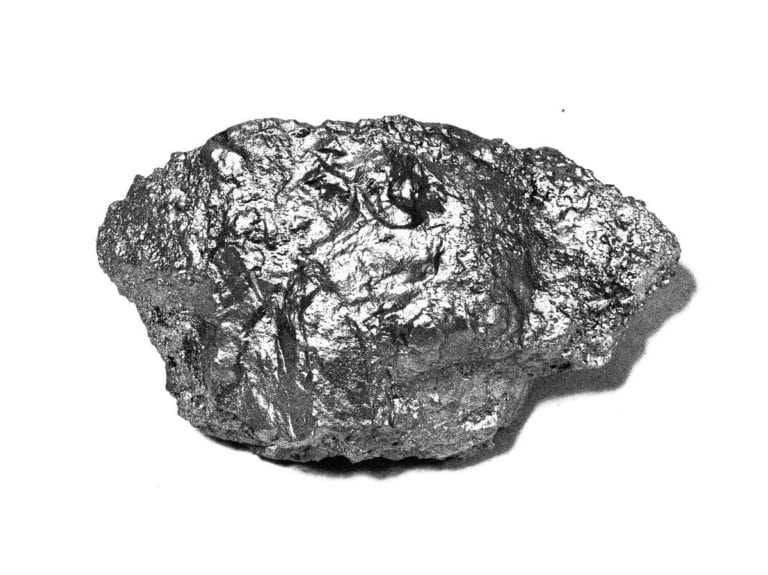
Gold exchange-traded funds offer investors a simple way to gain exposure to gold without buying physical metal. The top gold ETFs for 2025 include SPDR Gold Shares (GLD), iShares Gold Trust (IAU), and VanEck Vectors Gold Miners ETF (GDX), each providing different approaches to gold investing.
These funds allow investors to trade gold exposure like stocks through regular brokerage accounts. Investors can choose between ETFs that hold physical gold bullion or those that invest in gold mining company stocks.
Physical gold ETFs track the metal’s price directly, while mining ETFs can offer higher returns but come with additional risks from company operations and market conditions. This guide explores the leading gold ETFs, their performance characteristics, and how they compare to other gold investment methods.
Key Takeaways
- Gold ETFs provide easy access to gold investing through two main types: physical gold funds and mining company funds
- Top-performing gold ETFs typically have low expense ratios under 1% and large asset bases over $200 million
- Gold ETFs offer more liquidity and lower costs than buying physical gold while providing portfolio diversification benefits
What Are Gold ETFs?
Gold ETFs are investment funds that track gold prices and trade on stock exchanges like regular stocks. These funds either hold physical gold bullion or invest in gold mining companies, giving investors exposure to gold without owning the metal directly.
How Gold ETFs Work
Gold ETFs function as exchange-traded funds that provide investors with exposure to gold prices through the stock market. Each share represents a fractional ownership of the fund’s gold holdings.
When investors buy shares of a gold ETF, they purchase a piece of the fund’s underlying assets. The ETF’s price moves up and down based on gold’s market value.
Gold ETFs trade during regular market hours on major exchanges. Investors can buy and sell shares through any brokerage account, making them highly liquid investments.
The fund managers handle all storage, insurance, and security of the gold. This removes the burden of physical storage from individual investors while maintaining exposure to gold price movements.
Differences Between Gold ETFs and Physical Gold
Storage and Security: Physical gold requires secure storage facilities and insurance. Gold ETFs eliminate these concerns by having professional managers handle storage in secure vaults.
Liquidity: Gold ETFs can be bought and sold instantly during market hours. Physical gold sales require finding buyers and may involve dealer spreads and verification processes.
Costs: Physical gold involves storage fees, insurance costs, and dealer markups. Gold ETFs charge expense ratios typically ranging from 0.10% to 0.52% annually.
Minimum Investment: Physical gold often requires substantial upfront investment for bars or coins. Gold ETFs allow investors to start with the price of a single share.
Types of Gold ETFs
Physical Gold ETFs: These funds hold actual gold bullion in secure vaults. Examples include SPDR Gold Shares (GLD) and iShares Gold Trust (IAU).
Gold Mining ETFs: These funds invest in stocks of gold mining companies. The VanEck Vectors Gold Miners ETF (GDX) focuses on major mining companies.
Junior Gold Mining ETFs: These funds target smaller, emerging mining companies. They offer higher growth potential but increased volatility compared to major mining ETFs.
Top Gold ETFs in 2025
The best gold ETFs for 2025 focus on direct exposure to physical gold through bullion holdings. These funds offer different expense ratios and asset sizes, with established leaders maintaining billions in assets under management.
SPDR Gold Shares (GLD)
SPDR Gold Shares remains the largest gold ETF with $69.0 billion in assets under management. This gold fund serves as the industry standard for investors seeking direct exposure to gold prices.
The fund holds physical gold bullion stored in secure vaults. Its large size makes it highly liquid and attractive to institutional investors like pension funds.
Ready to Protect Your Retirement?
Request your free State-Specific Gold IRA information kit and take the first step toward securing your financial future with precious metals.
Free Gold IRA GuideGLD carries a 0.40% expense ratio, which is higher than some competitors. However, the premium reflects its market leadership position and exceptional liquidity.
The ETF’s massive scale provides protection against market manipulation. It typically trades very close to its net asset value throughout market hours.
iShares Gold Trust (IAU)
iShares Gold Trust offers nearly identical exposure to SPDR Gold Shares but with a lower cost structure. The fund holds $29.4 billion in assets under management.
IAU maintains a 0.25% expense ratio, making it more cost-effective than GLD. The fund stores its gold bullion at JPMorgan Chase’s London facility.
This ETF provides excellent tracking of gold prices with minimal underperformance. The lower fees help preserve more returns for investors over time.
The fund appeals to cost-conscious investors who want direct gold exposure. Its substantial size ensures adequate liquidity for most trading needs.
SPDR Gold MiniShares (GLDM)
SPDR Gold MiniShares represents the lowest-cost option for direct gold exposure. The fund maintains $8.6 billion in assets under management.
GLDM features an ultralow 0.10% expense ratio, making it the cheapest way to invest in gold through ETFs. The same manager operates both GLD and GLDM.
This fund was created specifically for retail investors seeking cost-effective gold exposure. It holds the same physical gold bullion as its larger sibling.
The lower expense ratio means GLDM should mirror gold prices more closely over time. However, its smaller size may result in less liquidity during volatile market periods.
GraniteShares Gold Trust (BAR)
GraniteShares Gold Trust provides another low-cost alternative for gold investment. The fund focuses on tracking the London gold price through physical bullion holdings.
BAR offers competitive expense ratios and transparent operations. The fund stores its gold in allocated accounts with established custodians.
This ETF appeals to investors seeking diversification beyond the major gold fund providers. It maintains sufficient liquidity for retail and smaller institutional investors.
The fund’s structure ensures direct exposure to gold price movements. BAR represents a viable option for portfolios requiring precious metals allocation.
Gold Mining ETFs and Their Performance
Gold mining ETFs provide exposure to companies that extract gold rather than the metal itself. The VanEck Gold Miners ETF tracks major gold mining companies, while junior miners and global funds offer different risk profiles and geographic exposure.
VanEck Gold Miners ETF (GDX)
The VanEck Gold Miners ETF stands as one of the most popular choices for investors seeking exposure to gold mining stocks. This fund tracks the NYSE Arca Gold Miners Index and focuses on established gold mining companies.
How Much Will Your Gold IRA Really Cost?
See exactly how much you'll pay in setup, annual, and storage fees. Get personalized company recommendations based on your investment amount and retirement timeline.
Calculate My Total FeesKey Performance Metrics:
- Assets Under Management: $9.6 billion
- Expense Ratio: 0.51%
- Annual Dividend Yield: 0.55%
- Inception Date: May 16, 2006
GDX holds a diversified portfolio of gold miners across multiple countries. Nearly 42% of the fund’s holdings are Canada-based companies.
The remaining positions include miners from the United States, Australia, Brazil, and South Africa. The top holdings include Newmont Corp., Barrick Gold, and Franco-Nevada.
These three companies represent the fund’s largest positions. The top ten holdings account for just over 62% of the total portfolio.
This ETF offers substantial liquidity advantages over similar funds. The three-month average daily volume reaches 22 million shares.
This high trading volume makes it easy for investors to buy and sell positions.
VanEck Junior Gold Miners ETF (GDXJ)
The VanEck Junior Gold Miners ETF targets smaller gold mining companies with higher growth potential. These junior miners typically explore for gold deposits or operate smaller mining operations compared to major producers.
Junior gold miners carry higher risk than established companies. They often have less stable cash flows and face greater operational challenges.
However, they may offer more upside potential when gold prices rise.
Investment Characteristics:
- Focus: Small to mid-cap gold mining companies
- Risk Level: Higher than major miners
- Growth Potential: Greater leverage to gold price movements
The fund includes companies in early development stages. Many of these firms are still exploring for gold deposits.
Others operate smaller mines with shorter production histories. GDXJ typically shows more volatile performance than GDX.
When gold prices rise, junior miners often see larger percentage gains. During downturns, they may also experience steeper losses.
Geographic diversification remains important for this ETF. The fund holds mining companies from various countries and regions.
This spread helps reduce country-specific risks.
iShares MSCI Global Gold Miners ETF (RING)
The iShares MSCI Global Gold Miners ETF provides international exposure to gold mining companies. This fund tracks the MSCI ACWI Select Gold Miners Investable Market Index.
RING offers broader geographic diversification than North America-focused funds. The ETF includes gold miners from developed and emerging markets worldwide.
This global approach helps spread political and economic risks.
Global Exposure Benefits:
Don't Pay More Taxes Than You Have To
The wrong Gold IRA choice could cost you thousands in unnecessary taxes. See exactly how much you'll pay in taxes with a Traditional vs. Roth Gold IRA. Compare both options side-by-side based on your age, income, and retirement timeline.
- Diversification: Companies from multiple countries
- Currency Exposure: Various currencies beyond USD
- Regulatory Risk: Spread across different jurisdictions
The fund typically holds between 30-50 individual gold mining stocks. Position sizes vary based on market capitalization and liquidity factors.
Larger, more established miners receive higher weightings. Performance may differ from region-specific funds due to currency fluctuations.
Exchange rate movements can impact returns for international investors. Political stability in various mining jurisdictions also affects performance.
This ETF suits investors seeking worldwide exposure to gold mining companies. The global approach may provide better diversification than single-country funds.
However, it also introduces additional complexities like currency risk and varying regulatory environments.
Comparing Gold ETFs: Key Factors
Selecting the best gold ETF requires evaluating several key metrics including expense ratios, liquidity, fund size, and whether the ETF tracks physical gold or gold mining stocks. These factors directly impact investment returns and trading costs.
Expense Ratios
The expense ratio represents the annual fee charged by the fund manager. Lower expense ratios mean investors keep more of their returns.
Most gold ETFs charge between 0.25% and 0.75% annually. A fund with a 0.25% expense ratio costs $25 per year for every $10,000 invested.
Popular Gold ETF Expense Ratios:
- Physical gold ETFs: 0.25% – 0.40%
- Gold mining ETFs: 0.50% – 0.65%
The difference may seem small, but it compounds over time. An investor holding $50,000 in a fund with a 0.25% expense ratio pays $125 annually versus $375 for a 0.75% ratio fund.
Physical gold ETFs typically have lower expense ratios than equity-based funds. This is because tracking gold prices requires less active management than selecting individual mining stocks.
Liquidity and Spreads
Liquidity determines how easily investors can buy or sell ETF shares. High trading volumes and tight bid-ask spreads indicate better liquidity.
The bid-ask spread is the difference between what buyers pay and sellers receive. Narrow spreads reduce trading costs.
Liquidity Indicators:
- Daily trading volume above $10 million
- Bid-ask spreads under 0.10%
- Market maker support
Popular gold ETFs trade millions of shares daily with spreads typically under 0.05%. Less liquid funds may have spreads of 0.20% or higher.
Impact cost measures the price movement caused by large trades. ETFs with better liquidity have lower impact costs, making them suitable for larger investments.
Gold IRA Company Comparison Checklist
Before choosing a Gold IRA company, use our comprehensive checklist to compare fees, reputation, storage options, and customer service ratings.
Download ChecklistAssets Under Management
Assets under management (AUM) indicates the total value of investor money in the fund. Larger AUM typically means better liquidity and lower operating costs per share.
Gold ETFs with AUM above $1 billion generally offer better trading conditions. These funds attract more market makers and institutional investors.
AUM Benefits:
- Lower tracking error – More assets allow better portfolio management
- Reduced closure risk – Large funds rarely shut down
- Better spreads – Higher volumes attract more traders
Small ETFs with AUM under $100 million face higher closure risk. Fund companies may shut down unprofitable small funds, forcing investors to sell and potentially face tax consequences.
The largest gold ETFs hold over $50 billion in assets. These funds typically track gold prices most accurately and offer the best trading experience.
Physical vs. Equity-Based ETFs
Physical gold ETFs hold actual gold bullion or gold futures contracts. Equity-based ETFs invest in stocks of gold mining companies.
Physical Gold ETFs:
- Track gold spot prices directly
- Lower volatility than mining stocks
- Storage and insurance costs included
Gold Mining ETFs:
- Invest in gold mining company stocks
- Higher potential returns and risks
- Affected by company-specific factors
Physical gold ETFs typically have tracking errors under 0.50% annually. Mining ETFs may deviate significantly from gold prices due to operational issues, management decisions, and market sentiment toward individual companies.
Mining ETFs can outperform during gold bull markets but underperform when gold prices decline. Physical gold ETFs provide more direct exposure to gold price movements.
Gold futures-based ETFs face contango and backwardation effects that can impact long-term returns. These funds roll futures contracts monthly, which may create tracking differences from spot gold prices.
Why Invest in Gold ETFs?
Gold ETFs provide investors with exposure to gold’s price movements without the complexities of physical ownership. They offer portfolio protection during market volatility while serving as an accessible hedge against inflation and economic uncertainty.
Portfolio Diversification
Gold ETFs help reduce overall portfolio risk through diversification benefits. Gold typically moves independently from stocks and bonds, providing balance when other assets decline.
Gold exchange-traded funds offer instant exposure to the gold market, making them ideal for investors seeking diversification. Unlike individual gold stocks, ETFs spread risk across multiple holdings or direct gold exposure.
Gold’s low correlation with traditional assets makes it valuable during market downturns. When stock markets fall, gold often maintains or increases value, protecting investor portfolios.
Key diversification benefits:
- Reduces portfolio volatility
- Provides exposure to commodity markets
- Balances equity and bond holdings
- Offers protection during market stress
Investors can allocate 5-10% of their portfolio to gold ETFs for optimal diversification. This allocation helps smooth returns while maintaining growth potential from other investments.
Reserved for Portfolios of $500K or More
Your portfolio qualifies you for an exclusive one-on-one web conference with a senior precious metals advisor, priority service, and direct access to strategies reserved for our most valued clients.
Request Your Exclusive GuideHedge Against Inflation
Gold has historically preserved purchasing power during inflationary periods. As currency values decline, gold prices often rise, protecting investor wealth from inflation’s eroding effects.
Gold ETFs provide an accessible way to hedge against rising prices. Unlike physical gold, ETFs eliminate storage costs and security concerns while maintaining inflation protection benefits.
Inflation protection advantages:
- Maintains purchasing power over time
- Performs well during currency debasement
- Protects against rising commodity prices
- Offers liquid inflation hedge
Gold ETFs serve as a traditional investor safe haven during market volatility, including inflationary environments. They provide immediate liquidity when investors need to adjust positions quickly.
Central bank policies that increase money supply often drive gold demand higher. Gold ETFs allow investors to capitalize on these monetary policy changes without physical gold complications.
Safe Haven in Economic Uncertainty
Gold performs well during economic crises, geopolitical tensions, and financial market instability. Investors flock to gold when confidence in traditional investments wavers.
Gold ETFs provide immediate access to this safe haven asset. They trade on major exchanges, allowing investors to buy and sell during market hours without dealer premiums.
Safe haven characteristics:
- Maintains value during economic stress
- Protects against currency fluctuations
- Provides stability during geopolitical events
- Offers liquidity during market disruptions
Gold mining ETFs can potentially deliver higher returns than physical gold ETFs during recovery periods. They benefit from both rising gold prices and improved mining company operations.
Economic uncertainty often drives institutional investors toward gold. Large pension funds and endowments use gold ETFs to hedge against systemic risks in the global economy.
Aligning with Financial Goals
Gold ETFs fit different investment objectives, from wealth preservation to growth seeking. Conservative investors use them for stability, while aggressive investors target mining ETFs for higher returns.
Investment goal alignment:
- Wealth preservation: Physical gold ETFs maintain value
- Growth seeking: Mining ETFs offer upside potential
- Income generation: Some gold ETFs pay dividends
- Tactical allocation: Easy to trade for market timing
Gold ETFs allow investors to speculate on gold prices without buying physical gold. This accessibility makes them suitable for various portfolio strategies and risk tolerances.
Retirement accounts benefit from gold ETF exposure. They provide long-term inflation protection while maintaining the flexibility to rebalance as financial goals evolve.
Gold ETFs support both short-term tactical trades and long-term strategic allocations. Their liquidity and low costs make them practical for implementing various investment strategies.
How to Buy Gold ETFs
Purchasing gold ETFs requires opening a brokerage account and selecting the right fund based on your investment goals. The process involves evaluating different ETF options, placing trades through your broker, and understanding the tax consequences of your investment decisions.
Selecting the Right Gold ETF
Investors must choose between two main types of gold ETFs. Physical gold ETFs own actual gold bullion stored in secure vaults.
Your Complete Gold IRA Beginner's Guide
No confusing jargon. No pressure. Just clear answers about how Gold IRAs work, what they cost, and whether they're right for your retirement. Get the facts before you invest.
Get Your Free Starter GuideMining stock ETFs hold shares of companies that extract gold from the ground. Physical Gold ETFs track the price of gold directly.
The SPDR Gold Shares (GLD) manages $69.0 billion with a 0.40% expense ratio. The iShares Gold Trust (IAU) offers a lower 0.25% fee structure.
Mining Stock ETFs provide exposure to gold companies rather than the metal itself. These funds can deliver higher returns but carry more risk.
The VanEck Vectors Gold Miners ETF (GDX) holds 60 gold-mining companies with $13.6 billion in assets.
Key factors to evaluate include:
- Assets under management (minimum $200 million)
- Expense ratio (below 1.0% preferred)
- Liquidity (higher trading volume)
- Holdings (physical gold vs. mining stocks)
Placing an Order Through a Brokerage
Buying gold ETFs requires a brokerage account to access stock market trading. Most major brokers offer commission-free ETF trading through their platforms.
The purchase process involves several steps. First, log into your brokerage account and search for the ETF ticker symbol.
Popular symbols include GLD, IAU, GDX, and GDXJ. Next, enter the number of shares you want to purchase.
Review the current market price and total cost including any fees. Place your order using either a market order or limit order.
Market orders execute immediately at the current price. Limit orders only execute when the ETF reaches your specified price.
Most investors use market orders for liquid ETFs during regular trading hours. Gold ETFs trade like stocks from 9:30 AM to 4:00 PM Eastern Time.
After-hours trading may have wider bid-ask spreads and lower liquidity.
Understanding Trading and Tax Implications
Gold ETFs face unique tax treatment compared to regular stocks. The IRS classifies most gold ETFs as collectibles rather than securities.
This means long-term capital gains receive a maximum tax rate of 28% instead of the standard 20% rate. Physical gold ETFs like GLD and IAU follow collectibles tax rules.
Investors pay ordinary income tax rates on gains held less than one year. Long-term gains face the higher collectibles rate.
Mining stock ETFs receive standard capital gains treatment. Short-term gains are taxed as ordinary income.
Long-term gains qualify for preferential rates of 0%, 15%, or 20% based on income levels. Trading frequency affects tax liability.
Don't Choose Blindly
Selecting the right Gold IRA company is crucial for your retirement. Use our comprehensive comparison checklist to evaluate providers and make the best decision for your financial future.
Get Your ChecklistFrequent buying and selling generates short-term gains taxed at higher ordinary income rates. Buy-and-hold strategies may qualify for long-term treatment.
Investors should consult tax professionals for personalized advice. Some brokers provide tax reporting tools to track cost basis and holding periods for ETF investments.
Gold ETFs vs. Alternative Gold Investments
Gold ETFs compete with several other gold investment options, each with distinct advantages and drawbacks. Physical bullion offers direct ownership but requires storage solutions, while futures contracts provide leverage at higher risk levels.
Physical Bullion and Coins
Physical gold bullion includes bars, coins, and rounds that investors can hold directly. This option provides complete ownership without counterparty risk.
Storage and Security Challenges
Physical bullion requires secure storage facilities or safety deposit boxes. Insurance costs add to the total investment expense.
Home storage creates security risks and potential insurance complications.
Liquidity and Transaction Costs
Selling physical gold involves dealer spreads and verification processes. Local coin shops and dealers charge premiums above spot prices.
Online dealers offer competitive pricing but require shipping and handling fees.
Tax Implications
Physical gold sales face capital gains taxes on profits. The IRS treats gold as a collectible with higher tax rates than stocks.
Record-keeping becomes essential for tax reporting purposes. Gold ETFs offer convenience and safety compared to physical ownership.
ETFs eliminate storage costs and provide instant liquidity through stock exchanges.
Gold Futures and Options
Gold futures contracts allow investors to control large gold positions with smaller capital requirements. These derivatives trade on commodity exchanges with standardized terms.
Futures contracts typically require 5-10% margin deposits. Price movements amplify gains and losses significantly.
Contract expiration dates force position closures or rollovers. Futures trading requires specialized knowledge of commodity markets.
Margin calls can force unexpected cash requirements. Rolling contracts forward creates additional transaction costs.
How Gold Performed During Every Stock Market Crash
See the data: when stocks dropped 19.4% in 2022, gold only fell 4.3%. Compare gold's downside protection across decades of market volatility and economic crises.
Compare Crash PerformanceMost retail investors lack the expertise for futures trading. Daily price volatility can exceed account balances quickly.
Futures work better for hedging than long-term investing. ETFs provide gold exposure without leverage complications or expiration dates.
They trade like stocks with familiar order types and settlement procedures.
Closed-End Funds and Trusts
Closed-end funds issue fixed share amounts that trade on exchanges. These funds may trade at premiums or discounts to their net asset value.
Closed-end gold funds often trade below their gold holdings’ value. Market sentiment affects pricing independent of gold prices.
Premiums can disappear during market stress periods. Fewer closed-end gold options exist compared to ETFs.
Trading volumes remain lower than major gold ETFs. Bid-ask spreads can widen during volatile periods.
Active management may add value through timing decisions. Expense ratios typically exceed passive ETF costs.
Some funds use leverage to amplify returns and risks.
Top gold ETFs maintain tight spreads to net asset values. They offer superior liquidity and transparent pricing compared to closed-end alternatives.
Frequently Asked Questions
Gold ETF investors need specific information about performance, dividends, fund differences, physical backing, liquidity, and costs. These common questions help investors make informed decisions when selecting gold ETFs for their portfolios.
What are the top performing Gold ETFs for long-term investment?
The best-performing gold ETFs of 2025 are miner funds, which invest in stocks of companies that derive most or all their revenue from mining activities. These funds typically outperform physical gold ETFs during bull markets.
SPDR Gold Shares (GLD) and iShares Gold Trust (IAU) are popular choices for long-term investors. These funds track gold prices directly and have strong track records.
VanEck Gold Miners ETF (GDX) focuses on gold mining companies and can provide higher returns than physical gold funds. However, mining stocks carry additional risks beyond gold price movements.
Investors should consider expense ratios and historical performance when selecting funds for long-term holding periods. Lower-cost options like IAU may be preferable for buy-and-hold strategies.
How do dividends work with Gold ETFs and which ones pay dividends?
Physical gold ETFs do not pay dividends because gold itself generates no income. ETFs like GLD and IAU hold physical gold bullion, which produces no cash flow.
Gold mining ETFs can pay dividends when the underlying mining companies distribute profits to shareholders. These dividends depend on company performance and gold market conditions.
Plan Your Gold IRA Distributions Strategically
Calculate which ounces to sell, when to take distributions, and how to minimize tax impact. Get your personalized RMD strategy based on current gold prices and IRS tables.
Create My RMD PlanVanEck Gold Miners ETF (GDX) may distribute dividends based on the dividend payments from its mining stock holdings. The dividend amount varies with mining company profitability.
Investors seeking dividend income should focus on gold mining ETFs rather than physical gold funds. However, dividend payments are not guaranteed and fluctuate with mining company earnings.
What are the differences between Gold ETFs like Fidelity, Vanguard, and SPDR?
SPDR Gold Shares (GLD) is backed by physical gold stored in secure vaults and provides direct exposure to gold prices. It has higher expense ratios but offers strong liquidity.
Fidelity does not offer a dedicated gold ETF but provides access to gold through other fund companies. Investors can buy gold ETFs through Fidelity’s brokerage platform.
Vanguard similarly does not have its own gold ETF but offers access to gold investments through third-party funds. The company focuses on low-cost diversified investing.
iShares Gold Trust (IAU) offers lower expense ratios than GLD while providing similar physical gold exposure. This makes it attractive for cost-conscious investors.
Which Gold ETFs are backed by physical gold?
Physical Gold ETFs hold gold bullion in secure vaults, providing investors exposure to the gold market without owning physical gold. These funds offer direct price correlation to gold markets.
SPDR Gold Shares (GLD) stores physical gold in vaults and allows investors to exchange shares for actual gold bars. This provides tangible asset backing for the fund.
iShares Gold Trust (IAU) also holds physical gold bullion and offers lower fees than GLD. Both funds provide similar exposure to gold price movements.
Aberdeen Standard Physical Gold Shares (SGOL) stores gold in Swiss vaults and provides direct ownership of physical gold. This offers additional security and geographic diversification.
What should investors know about the liquidity and trading volume of Gold ETFs?
Gold ETFs are bought and sold during market hours just like regular stocks, providing retail investors with flexible trading opportunities. High trading volume ensures easier buying and selling.
GLD and IAU have the highest trading volumes among gold ETFs. This high liquidity results in tighter bid-ask spreads and better execution prices.
Smaller gold ETFs may have lower trading volumes and wider spreads. This can increase trading costs and make it harder to execute large orders quickly.
Liquidity risk can result in wider bid-ask spreads and delayed order execution during periods of market stress. Investors should consider trading during peak market hours for better liquidity.
How do Gold ETFs compare to other gold investment options in terms of costs and fees?
Gold ETFs provide investors an efficient way to gain exposure to the gold market without the complexities of owning physical bullion. They eliminate storage and insurance costs associated with physical gold ownership.
Physical gold ownership requires storage fees and insurance costs. Dealer spreads when buying and selling can also add to expenses.
Gold futures contracts require margin accounts and have rollover costs. They also carry counterparty risk and complexity that ETFs avoid.
Gold ETF expense ratios typically range from 0.25% to 0.40% annually. This is often lower than the total costs of owning physical gold or trading futures contracts.




One More Thing...
If you're serious about protecting your retirement, get the complete Gold IRA guide. It's free, there's no obligation, and it could be one of the smartest financial decisions you make.
Get Your Guide