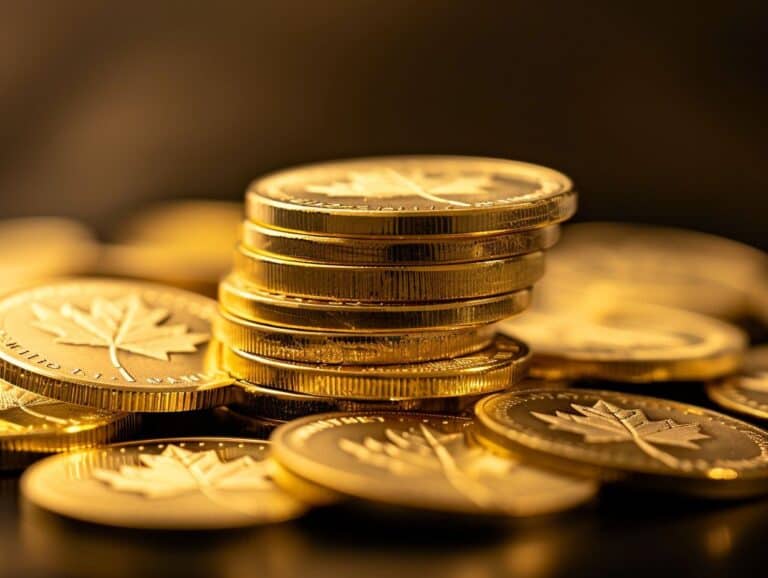
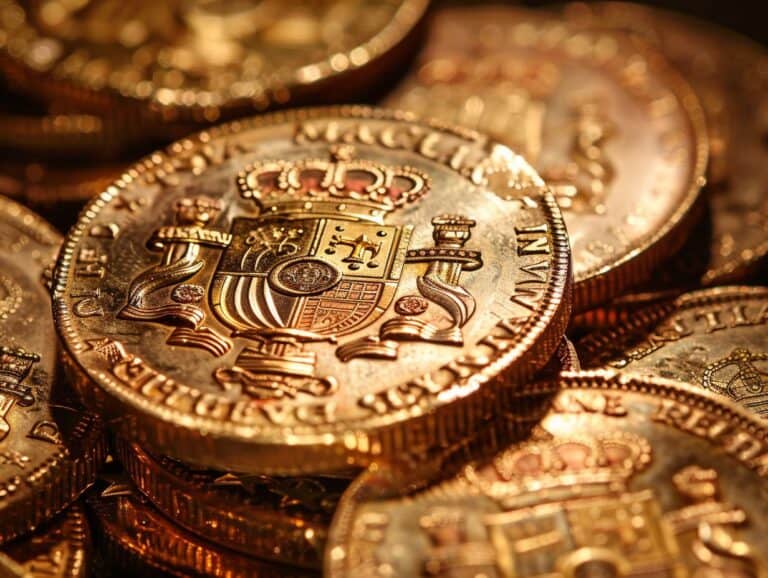
Belgian Gold Francs represent one of Europe’s most historically significant gold coin series, minted during the 19th and early 20th centuries when Belgium was establishing itself as a major European power. These coins were part of the Latin Monetary Union, which standardized gold and silver coinage across several European nations, making them widely accepted for international trade.
The most popular Belgian gold coins are the 20 Franc pieces featuring King Leopold II, which were minted from 1867 to 1882 and contain 0.1867 ounces of pure gold. These 20 Franc gold coins display the king’s portrait on one side and Belgium’s coat of arms on the reverse, with the national motto “L’Union Fait La Force” (Unity Makes Strength) prominently featured.
Today, Belgian Gold Francs attract both collectors and investors due to their historical significance, gold content, and relatively affordable pricing compared to other European gold coins. The coins offer insight into Belgium’s royal heritage while providing a tangible connection to the country’s economic development during the industrial age.
Key Takeaways
- Belgian Gold Francs were part of the Latin Monetary Union and served as internationally accepted currency during the 19th century
- The 20 Franc coins contain nearly one-fifth of an ounce of gold and feature King Leopold II’s portrait with Belgium’s national symbols
- These coins remain popular today among collectors and investors for their historical value and gold content
Overview of Belgian Gold Francs
Belgian gold francs represent some of Europe’s most widely circulated historical gold coins, minted from 1834 to 1914 under three monarchs. These coins played a crucial role in the Latin Monetary Union and remain highly sought after by collectors and investors today.
Definition and Denominations
Belgian gold francs were official gold coins issued by the Kingdom of Belgium following its independence in 1830. The Royal Belgian Mint in Brussels began producing 20 franc gold coins in 1834 after Belgium became a constitutional monarchy under Leopold I.
The primary denomination was the 20 franc gold coin, which became the most common format. These Belgian gold coins were part of the Latin Monetary Union established in 1865, where Belgium joined France, Switzerland, and Italy in creating standardized currency units.
Each coin contained 290.32 mg of fine gold according to the union’s specifications. The 20 franc denomination was designed to be freely exchangeable with similar coins from other member nations at a 1:1 rate.
Historical Significance
Belgian gold francs hold significant importance in European monetary history. 20 francs is believed to be the most common of all ancient gold coins of Europe due to their massive circulation numbers.
The coins were minted during three royal reigns. Leopold I appeared on the first Belgian gold coins from 1834. Leopold II’s reign produced the most coins, with over 28 million pieces issued between 1867-1882.
Albert I issued a special 20 franc gold coin in 1914 just before World War I began. Only 125,000 copies were made, making these coins highly valuable to collectors today.
The Latin Monetary Union allowed these Belgian coins to circulate freely across member countries. This system lasted until 1925, making Belgian gold francs an important part of European economic integration.
Key Features and Specifications
Belgian gold coins feature distinctive characteristics that make them easily recognizable. The standard specifications include:
Physical Properties:
Ready to Protect Your Retirement?
Request your free State-Specific Gold IRA information kit and take the first step toward securing your financial future with precious metals.
Free Gold IRA Guide- Diameter: 21 mm
- Weight: 6.452 grams (Leopold II era)
- Gold Content: 0.1867 troy ounces
- Edge: Inscription “DIEU PROTÈGE LA BELGIQUE”
The obverse typically displays the reigning monarch’s portrait with inscriptions in French. Leopold II coins show “Leopold II” and “King of Belgium” text. Albert I coins were issued in both French and Dutch versions.
The reverse features Belgium’s coat of arms, denomination, and year of minting. These coins are known for their purity and fine craftsmanship that reflects Belgium’s tradition of coinage.
Current market values range from $270-290 for Leopold II era coins, while Albert I coins command $290-400 due to their limited mintage and historical significance.
20 Franc Gold Coin
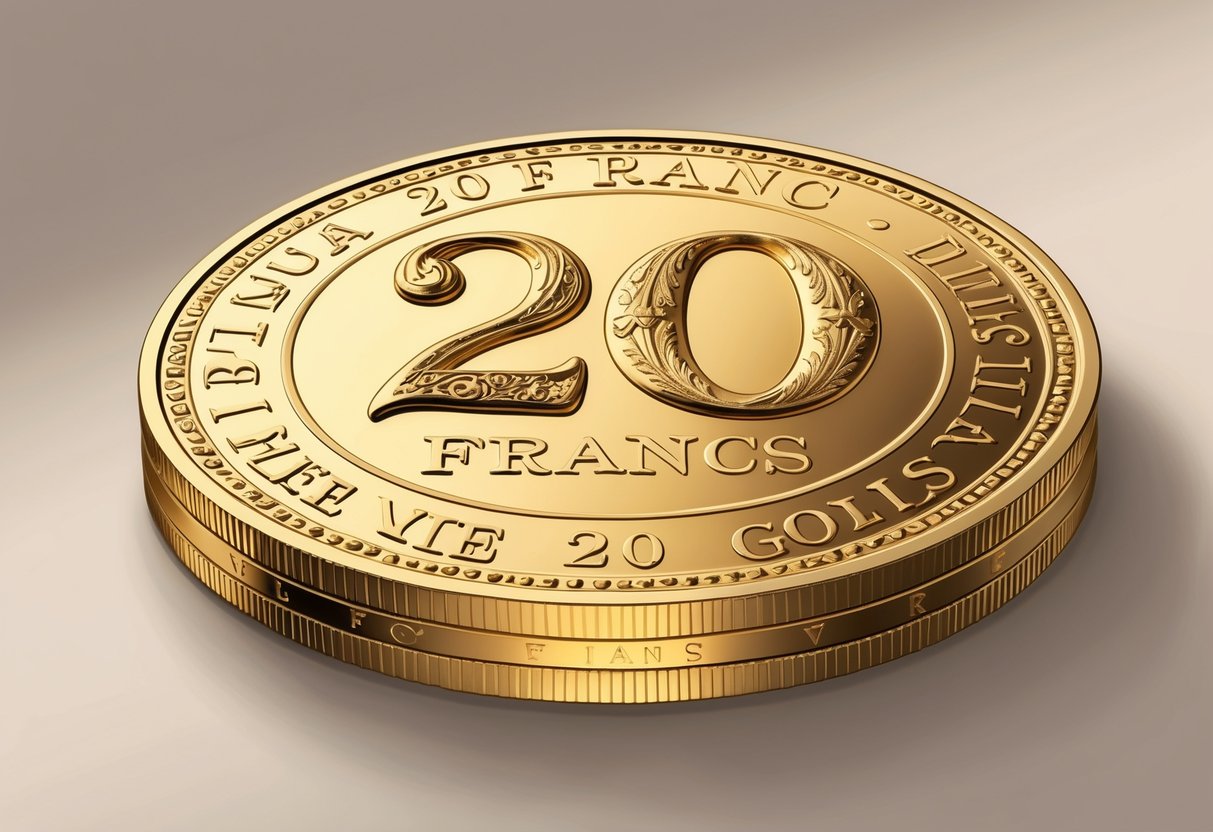
The Belgian 20 franc gold coin represents one of Belgium’s most important gold denominations, featuring King Leopold II and produced from 1867 to 1882. These coins contain 0.1867 troy ounces of gold and follow the same specifications as other European 20 franc pieces from the Latin Monetary Union.
Design and Symbolism
The obverse of the 20 franc Belgian gold coin displays King Leopold II facing right. The inscription “LEOPOLD II ROI DES BELGES” surrounds his portrait, identifying him as King of the Belgians.
Two distinct portraits of Leopold II appear on these coins. The first design was used from 1867 to 1870, while a second portrait featuring a finer beard was introduced in 1871 and continued through 1882.
The reverse features Belgium’s coat of arms, showing a lion rampant holding a shield. The shield contains symbols representing Belgium’s nine provinces. Above the coat of arms, the motto “L’UNION FAIT LA FORCE” (Unity Makes Strength) appears in French.
The denomination “20 FR” is displayed below the coat of arms. The edge contains raised lettering reading “DIEU PROTEGE LA BELGIQUE” (God Protects Belgium).
Production Period and Rarity
Belgian 20 franc gold coins were minted from 1867 to 1882 at the Royal Mint of Belgium in Brussels. Production occurred during Leopold II’s reign, which lasted from 1865 to 1909.
The coins exist in four distinct types based on design variations:
- Type 1 (1867-1870): Large crown, “FR.” with period
- Type 2 (1868-1869): Similar to Type 1 with larger head
- Type 3 (1870-1871, 1874): Small crown, “FR” without period
- Type 4 (1870-1882): Most common type with refined details
The 1877 issue had the highest mintage at 5,906,070 pieces, while 1882 had the lowest at 522,310 pieces. These mintage figures affect current availability and collector interest.
Gold Content and Specifications
The Belgian 20 franc gold coin contains 0.1867 troy ounces of gold. The coin weighs 6.4516 grams total with a diameter of 21 millimeters.
How Much Will Your Gold IRA Really Cost?
See exactly how much you'll pay in setup, annual, and storage fees. Get personalized company recommendations based on your investment amount and retirement timeline.
Calculate My Total FeesThe composition is 90% gold and 10% copper, providing durability while maintaining high precious metal content. The pure gold content equals 5.806 grams or approximately 0.1867 troy ounces.
These specifications match the Latin Monetary Union standards established in 1865. The standardized weight and fineness allowed these coins to circulate freely among member countries.
Comparison with Other European Gold Coins
Belgian 20 franc gold coins share identical specifications with French and Swiss 20 franc pieces. All three countries adhered to Latin Monetary Union standards for weight, diameter, and gold content.
The design approach differs significantly between countries. While French 20 francs feature various republican symbols and imperial portraits, Belgian coins consistently display royal imagery and national symbols.
Swiss 20 francs show Helvetia or crosses, contrasting with Belgium’s royal portraits. However, the identical gold content and weight made these coins interchangeable for trade purposes.
Today, Belgian 20 francs typically trade at similar premiums to their French and Swiss counterparts. Collectors often prefer Belgian examples for their distinctive royal designs and historical significance during Leopold II’s reign.
Leopold II and the Roi des Belges Inscription
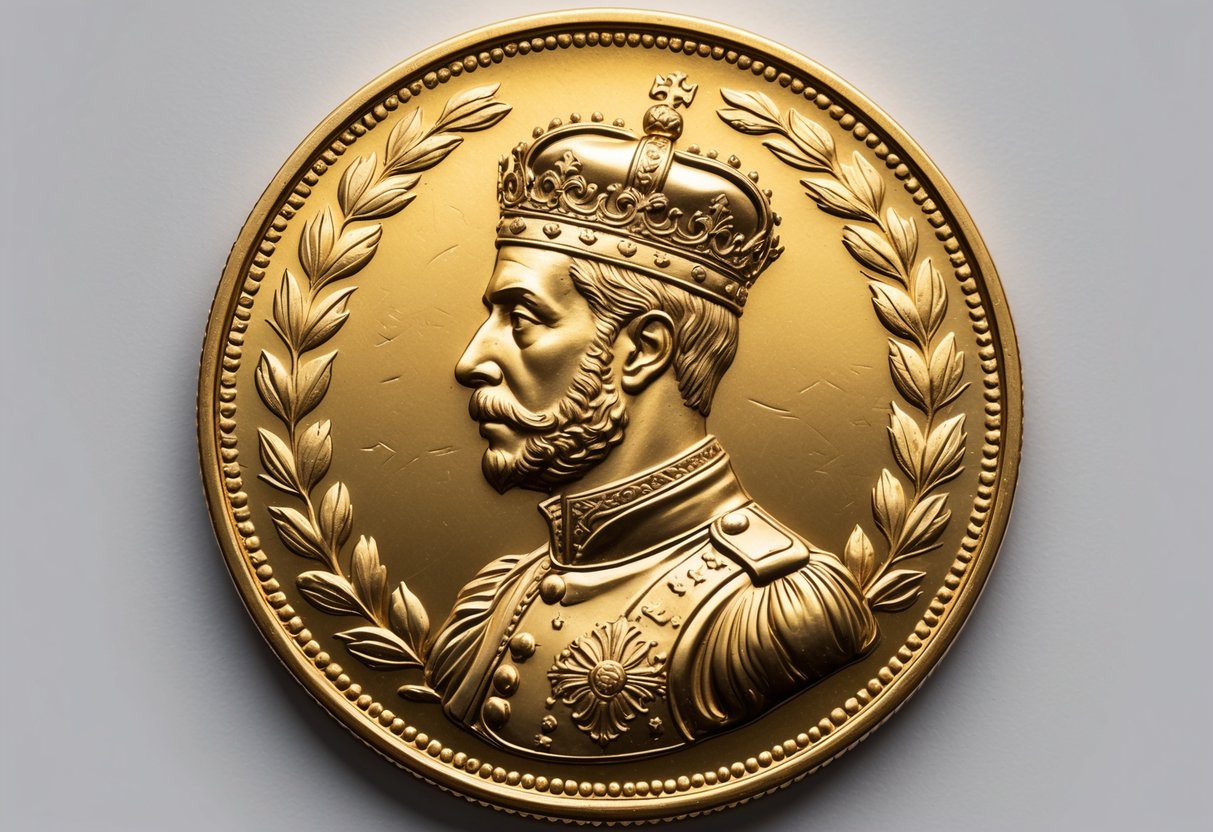
Leopold II ruled Belgium from 1865 to 1909 and his portrait appeared on gold franc coins from 1867 to 1882. The inscription “LEOPOLD II ROI DES BELGES” became a defining feature of Belgian gold currency during this period.
Leopold II’s Legacy in Belgian Numismatics
Leopold II became king in 1865 and initiated Belgium’s most significant gold coin series. Belgian gold coins were issued from 1867 to 1882 during his reign.
The king earned the nickname “Builder King” for modernizing Belgium. His economic policies promoted industrial expansion throughout the nation.
These coins were part of the Latin Monetary Union, which standardized currency specifications among European nations. This system helped Belgium integrate into the broader European economy.
The 20 franc gold pieces became Belgium’s primary gold denomination. They contained 0.1867 troy ounces of fine gold with 90% purity.
Don't Pay More Taxes Than You Have To
The wrong Gold IRA choice could cost you thousands in unnecessary taxes. See exactly how much you'll pay in taxes with a Traditional vs. Roth Gold IRA. Compare both options side-by-side based on your age, income, and retirement timeline.
Portrait and Inscriptions on Gold Francs
The obverse shows Leopold II’s bare head facing right. The portrait underwent changes during the coin series.
Two distinct portrait types exist. The first type was used from 1867 to 1870, while the second type appeared from 1870 to 1882.
The second type shows Leopold II with a longer, coarser beard. The neck truncation shape also differs between the two versions.
The inscription “LEOPOLD II ROI DES BELGES” surrounds the portrait. This translates to “Leopold II, King of the Belgians” in English.
The engraver’s initials “L W” appear below the head. These stand for Leopold Wiener, the coin’s designer.
King Albert I Issues
Albert I succeeded Leopold II in 1909 and continued the gold franc tradition. His coins maintained the “ROI DES BELGES” inscription format.
The 20 franc series extended from 1867 to 1914, spanning both monarchs’ reigns. Albert I’s issues completed this important numismatic period.
Albert I’s portrait replaced Leopold II’s design on new gold coins. The reverse design featuring Belgium’s coat of arms remained consistent.
World War I ended Belgian gold coin production in 1914. This marked the conclusion of the classical “Roi des Belges” gold franc era.
Collectibility and Investment Value

Belgian Gold Francs offer dual appeal as both collectible coins and investment-grade gold bullion. The Belgian 20 Franc gold coin contains 0.1867 troy ounces of bullion, making it attractive to precious metals investors and numismatists alike.
Factors Affecting Value
Several key elements determine the final value of Belgian Gold Francs beyond their gold content. Coin condition plays a major role in pricing, with well-preserved examples commanding higher premiums.
The year of minting significantly impacts value. Belgian 20 Francs were minted between 1834 and 1914, with certain years being scarcer than others.
Gold IRA Company Comparison Checklist
Before choosing a Gold IRA company, use our comprehensive checklist to compare fees, reputation, storage options, and customer service ratings.
Download ChecklistAuthentication remains critical for buyers. Counterfeit coins exist in the market, making verification through reputable dealers essential.
The specific ruler depicted affects collectibility. Leopold I and Leopold II coins each have distinct designs that appeal to different collector preferences.
Grading by professional services like NGC or PCGS can add premium value. Certified coins provide buyers with confidence in authenticity and condition assessment.
Rarity and Demand Among Collectors
Belgium represents an often-underappreciated country in numismatics, creating opportunities for collectors. This lack of mainstream attention keeps premiums relatively low compared to more popular European gold coins.
Certain Belgian gold franc varieties show stronger collector demand. The Leopold II “finer beard” design attracts numismatists seeking specific portrait variations.
Historical significance drives interest among collectors focused on 19th-century European coinage. The coins represent Belgium’s early monetary system and royal heritage.
Limited mintage years create scarcity that collectors value. Research into specific year production numbers helps identify potentially rare dates.
The coin’s 90% gold purity and standardized weight make it appealing to collectors who prefer consistent specifications across their holdings.
Gold Francs as Bullion
Belgian Gold Francs function effectively as bullion investments due to their gold content. Each coin weighs 6.451 grams and contains 5.806 grams of pure gold.
The coins typically trade close to their melt value, making them cost-effective for precious metals investors. Current intrinsic worth stands at $614.19 based on today’s gold spot price.
Liquidity remains strong in the global gold market. Dealers worldwide recognize Belgian Gold Francs and can easily calculate their gold content value.
The standardized Latin Monetary Union specifications make these coins interchangeable with French and Swiss 20 Franc pieces. This compatibility increases market acceptance.
Reserved for Portfolios of $500K or More
Your portfolio qualifies you for an exclusive one-on-one web conference with a senior precious metals advisor, priority service, and direct access to strategies reserved for our most valued clients.
Request Your Exclusive GuideStorage and handling prove straightforward due to the coins’ durable gold composition and reasonable size.
Market Trends and Pricing
Belgian Gold Francs show steady pricing patterns that follow gold market movements. Current melt values provide a baseline of $620.39 for the 20 Franc denomination.
Premium over spot typically ranges from 5-15% depending on condition and dealer markup. This represents competitive pricing compared to other European gold coins.
Online marketplaces show consistent trading activity for Belgian gold coins. Price transparency helps buyers make informed purchasing decisions.
The coins benefit from increasing market value trends as both gold prices and numismatic interest grow over time. Investment potential includes diversification benefits for precious metals portfolios.
Seasonal patterns affect pricing, with higher demand typically occurring during economic uncertainty periods when investors seek gold bullion alternatives.
Buying and Selling Belgian Gold Francs
Belgian gold francs are available through various dealers and platforms, with authenticity verification being crucial for both buyers and sellers. Understanding market pricing and secure transaction methods helps ensure successful purchases and sales.
Major Dealers and Platforms
Several established dealers specialize in Belgian gold franc coins with guaranteed authenticity. Major bullion dealers like APMEX offer 1867-1882 Belgium Gold 20 Francs with fast shipping options.
Online platforms provide convenient access to these coins. JM Bullion stocks 20 Francs Belgium gold coins in circulated condition. European dealers like BullionByPost offer Belgian francs with insured EU delivery.
Key dealer features to consider:
- Established reputation and customer reviews
- Buy-back programs for selling coins
- Secure shipping and insurance options
- Competitive pricing on both purchases and sales
Local coin shops also carry Belgian gold coins. They often provide immediate inspection opportunities and face-to-face transactions.
Authenticity and Grading Considerations
Belgian gold francs require careful authentication due to their historical value. Genuine Belgian 20 franc coins contain 0.1867 troy ounces of gold at 90% purity.
Your Complete Gold IRA Beginner's Guide
No confusing jargon. No pressure. Just clear answers about how Gold IRAs work, what they cost, and whether they're right for your retirement. Get the facts before you invest.
Get Your Free Starter GuideAuthentication checkpoints include:
- Correct weight and dimensions
- Proper gold content testing
- Clear coin details and inscriptions
- Professional grading when possible
Circulated coins show varying degrees of wear. Buyers should understand condition terminology like “Average Circulated” or “Brilliant Uncirculated.”
Third-party grading services provide certification for valuable pieces. This documentation helps establish market value and authenticity for both buying and selling transactions.
Common counterfeits exist for popular dates. Professional dealers typically guarantee authenticity and offer return policies for questionable coins.
Tips for Safe Transactions
Payment methods vary by dealer and transaction size. Wire transfers, stablecoins, and cryptocurrency are accepted by some international dealers.
Safe buying practices:
- Research dealer reputation thoroughly
- Verify return policies before purchase
- Use secure payment methods with buyer protection
- Confirm shipping insurance coverage
Selling Belgian gold coins requires market knowledge. Current gold prices affect coin values, but numismatic premiums add extra value for rare dates or conditions.
Documentation helps establish provenance when selling. Keep purchase receipts and any grading certificates for future transactions.
Consider storage costs when buying larger quantities. Some dealers offer secure vault storage options for long-term holdings.
Market timing affects both buying and selling decisions. Gold prices fluctuate daily, impacting the base value of these coins.
Legacy and Cultural Impact
Belgian Gold Francs established Belgium’s position in European monetary history and influenced gold coinage standards across the continent. These coins reflected the nation’s political evolution through three monarchs while setting precedents for European precious metal currency design.
Role in Belgian History
Belgian Gold Francs served as tangible symbols of national independence and royal authority throughout the 19th and early 20th centuries. The coins documented Belgium’s transition from a newly formed kingdom under Leopold I to a colonial power under Leopold II.
Leopold I Gold 20 Franc coins represented the establishment of Belgian sovereignty in 1832. These early issues demonstrated the young nation’s commitment to creating a stable monetary system independent from neighboring powers.
Don't Choose Blindly
Selecting the right Gold IRA company is crucial for your retirement. Use our comprehensive comparison checklist to evaluate providers and make the best decision for your financial future.
Get Your ChecklistLeopold II’s reign brought economic expansion and colonial wealth. His gold francs reflected Belgium’s growing prosperity and international influence during the late 1800s.
Albert I’s coins captured a nation transformed by World War I. The last Belgian gold coin was the 20 francs 1914, marking the end of an era as war disrupted traditional monetary systems.
The coins became historical artifacts after gold production ceased. They preserved visual records of royal portraits, national symbols, and artistic styles that defined Belgian identity during its formative decades.
Influence on European Gold Coinage
Belgian Gold Francs contributed to standardized European gold coinage through their consistent weight, purity, and design elements. The 20-franc denomination became a model for other European nations seeking to establish credible gold currencies.
The coins’ 90% gold and 10% copper composition provided an ideal balance between purity and durability. This formula influenced similar ratios adopted by neighboring countries for their gold issues.
Belgian minting techniques set quality standards across Europe. The precise striking methods and detailed engravings demonstrated advanced craftsmanship that other mints sought to emulate.
The franc’s integration with international monetary systems established Belgium as a reliable partner in European commerce. The Belgian franc was linked to the gold-dollar standard, connecting Belgian gold coins to global financial networks.
Design elements featuring royal portraits and national symbols became templates for European gold coinage. The artistic traditions established in Belgian gold francs influenced coin aesthetics throughout the continent.
Frequently Asked Questions
Belgian Gold Francs raise common questions about market values, purchasing options, and currency exchanges. Understanding these aspects helps collectors and investors make informed decisions about these historical gold coins.
How can one determine the current market value of Belgian Gold Francs?
The current market value of Belgian Gold Francs depends on several key factors. The spot price of gold forms the base value for these coins.
Coin dealers and auction houses provide current market prices. Online precious metals dealers like JM Bullion offer current pricing for Belgian Gold Francs.
Professional grading services like NGC and PCGS help establish accurate values. These organizations evaluate coin condition and authenticity.
How Gold Performed During Every Stock Market Crash
See the data: when stocks dropped 19.4% in 2022, gold only fell 4.3%. Compare gold's downside protection across decades of market volatility and economic crises.
Compare Crash PerformanceNumismatic publications and websites track price trends. They show how values change over time for different coin types.
What factors influence the value of rare Belgian Gold Franc coins?
Coin condition plays a major role in determining value. Uncirculated coins command higher prices than worn examples.
Rarity affects pricing significantly. Leopold I and Albert I coins are much less common than Leopold II versions.
Historical significance impacts collector interest. Coins from important periods or events often sell for premiums.
The gold content provides intrinsic value. Belgian Gold Francs contain 90% gold and 10% copper.
Authentication and grading increase coin values. Certified coins from reputable services bring higher prices.
Where might one find Belgian Gold Francs available for purchase?
Reputable coin dealers offer the safest purchasing options. They provide authentication and quality guarantees for buyers.
Online precious metals dealers stock Belgian Gold Francs regularly. Major dealers like JM Bullion and Silver.com sell these coins.
Coin shows and auctions present buying opportunities. These venues allow buyers to examine coins before purchase.
Local coin shops may carry Belgian Gold Francs. They often provide personalized service and expert advice.
European dealers like Argentorshop specialize in European gold coins. They offer home delivery and pickup options.
How does the value of Belgian Gold Francs compare to other gold coins, like the Swiss Franc?
Belgian Gold Francs typically trade at similar premiums to Swiss Francs. Both coins contain the same gold content and weight.
Swiss Franc gold coins show “Helvetia” while Belgian coins feature different monarchs. The designs create different collector appeal.
Plan Your Gold IRA Distributions Strategically
Calculate which ounces to sell, when to take distributions, and how to minimize tax impact. Get your personalized RMD strategy based on current gold prices and IRS tables.
Create My RMD PlanMarket demand varies between the two coin types. Swiss Francs often have slightly higher recognition among investors.
Both coins belong to the same European gold standard system. They share similar specifications and minting periods.
Condition and rarity affect individual coin values more than nationality. Well-preserved examples of either type command premiums.
Can you still exchange Belgian Francs for current currency, and if so, how?
Modern Belgian franc banknotes can still be exchanged at the Belgian National Bank. The exchange period for coins ended in 2004.
Gold Belgian Francs have numismatic value beyond their old currency worth. They sell for their gold content plus collector premiums.
Banks no longer accept old Belgian franc coins for exchange. The official exchange period expired years ago.
Collectors and dealers purchase old Belgian coins for their metal value. Gold coins retain worth through their precious metal content.
The euro replaced the Belgian franc in 2002. Old currency exchange options became very limited after that transition.
What would be the equivalent value of 100 Belgian Francs in today’s US dollars?
The face value of 100 Belgian Francs equals about $2.50 in historical exchange rates. This calculation uses pre-euro conversion rates.
Five 20 Franc gold coins would contain approximately 0.1867 troy ounces of gold. The actual value depends on current gold prices.
Gold content determines real value rather than face value. 20 Franc coins were minted from 1831 to 1934 with consistent specifications.
Current gold prices make 100 Belgian Francs worth several hundred dollars. The exact amount fluctuates with precious metals markets.
Collector premiums can increase values beyond gold content. Rare dates or excellent condition coins bring higher prices.




One More Thing...
If you're serious about protecting your retirement, get the complete Gold IRA guide. It's free, there's no obligation, and it could be one of the smartest financial decisions you make.
Get Your Guide