Indian Gold Sovereigns represent a fascinating chapter in numismatic history, bridging British imperial legacy with India’s enduring love for gold. These coins tell the story of international trade, colonial economics, and cultural adaptation across more than a century.
The most significant Indian Gold Sovereign was minted in Bombay in 1918, marked with a distinctive “I” to distinguish it from other sovereigns produced worldwide. This single-year production run created nearly 1.3 million coins that became highly sought after by collectors and investors alike. The Bombay Mint sovereign emerged during World War I when gold shipments from South Africa were diverted to India due to naval blockades.
Today, Indian Gold Sovereigns continue to captivate collectors and investors who appreciate their historical significance and gold content. Modern sovereigns with Indian mint marks have been struck in recent years, maintaining the connection between India and these iconic British coins. The coins remain popular in India, where they are sometimes called “ginni” and valued for their beauty and reliability.
Key Takeaways
- Indian Gold Sovereigns were primarily minted in 1918 at the Bombay branch of the Royal Mint during World War I
- These coins became deeply embedded in Indian culture and continue to be produced and valued today
- Collectors prize Indian Gold Sovereigns for their historical significance, limited production, and connection to both British and Indian heritage
What Are Indian Gold Sovereigns?
Indian Gold Sovereigns are gold coins that were historically minted in India as part of the British Empire’s currency system. These coins share the same specifications as traditional British sovereigns but carry distinctive Indian mint marks that make them unique collectibles.
Definition and Features
Indian Gold Sovereigns are 22-karat gold coins that were produced at the Bombay branch of the Royal Mint. The coins feature the same classic design elements as British sovereigns, including the monarch’s portrait on the obverse side.
The reverse side displays either the traditional heraldic shield design or the famous St. George and the dragon motif created by Benedetto Pistrucci. Indian sovereigns from 1918 are distinguished by a small “I” mint mark that identifies their Indian origin.
These coins are sometimes called “ginni” by people in India. The Indian Gold Sovereign continues to be treasured for its beauty, accuracy, and dependability among collectors and investors.
Denominations and Specifications
Indian Gold Sovereigns follow the standard sovereign specifications established by the Royal Mint. Each coin contains exactly 0.2354 troy ounces of pure gold.
Technical Specifications:
- Weight: 7.98 grams
- Diameter: 22.05 millimeters
- Gold Content: 22-karat (91.67% pure gold)
- Edge: Milled
The 1918 Indian production totaled nearly 1.3 million coins during its single year of operation. Modern Indian sovereigns have been struck in recent years, including commemorative issues.
Legal Tender Status
Indian Gold Sovereigns were legal tender within the British Empire when originally minted. The Bombay Mint Proclamation of December 21, 1917 officially authorized their production as legitimate currency.
Ready to Protect Your Retirement?
Request your free State-Specific Gold IRA information kit and take the first step toward securing your financial future with precious metals.
Free Gold IRA GuideThese coins circulated widely throughout India and were accepted by banks and merchants. They served as a store of wealth and were often given as gifts during important ceremonies.
Today, historical Indian sovereigns are primarily valued as collectibles rather than circulating currency. Modern Indian sovereigns struck in recent years maintain their status as legal tender but are mainly purchased by collectors and investors.
The Origins of Indian Gold Sovereigns
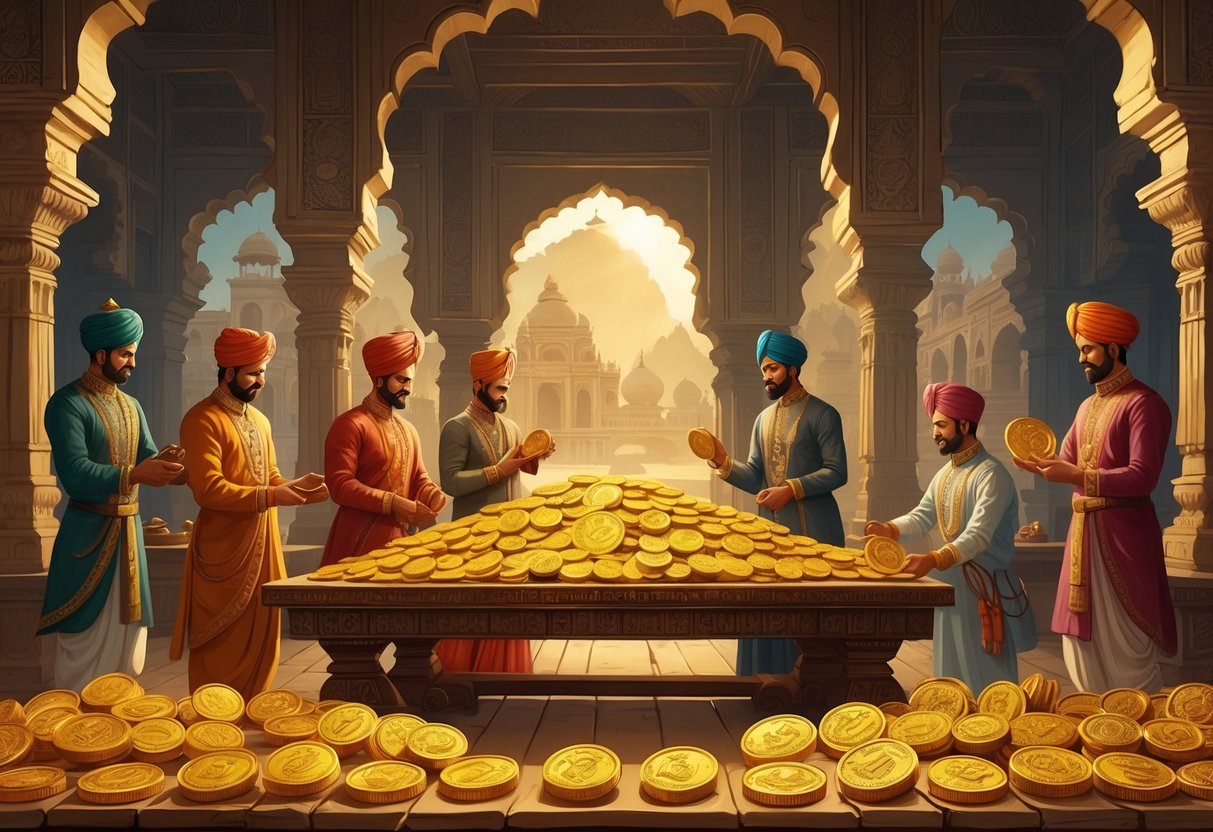
The Royal Mint established its Bombay branch in 1917 during Britain’s colonial expansion, while global gold trade patterns and wartime shipping disruptions created the need for local sovereign production in India.
Establishment of the Royal Mint in Bombay
The Royal Mint established its Bombay branch in 1917 as part of Britain’s strategy to expand gold sovereign production across the empire. This facility became one of several international branches designed to serve local markets with British gold currency.
The Bombay Mint operated differently from India’s existing government mint facilities. The main Indian Government Mint was established in 1829 in Mumbai by the governor of the Bombay Presidency. However, the Royal Mint’s Bombay branch served specifically to produce British sovereigns for regional circulation.
The 1918 Indian Sovereign became the only year a sovereign was struck in India. Each coin featured a small “I” above the date to indicate production at the Bombay facility. This marking distinguished Indian-minted sovereigns from those produced at other Royal Mint branches worldwide.
Historical Context and Global Gold Trade
World War I dramatically affected global gold shipping routes and created the need for local sovereign production. Germany targeted boats carrying gold from South Africa to London in 1914, disrupting traditional supply chains to British territories.
Sovereigns minted in Sydney, Australia, were especially popular in India due to their yellow color from silver alloy content. This preference influenced the decision to establish local production capabilities in India.
The Royal Mint’s global expansion during this period included branches in multiple countries. During George V’s reign, gold sovereigns were produced in London, Ottawa, Bombay, Melbourne, Sydney, Perth, and Pretoria. Each location served specific regional markets within the British Empire.
How Much Will Your Gold IRA Really Cost?
See exactly how much you'll pay in setup, annual, and storage fees. Get personalized company recommendations based on your investment amount and retirement timeline.
Calculate My Total FeesThe Bombay mint sovereign production lasted only one year due to changing economic conditions after the war ended.
The 1918 Bombay Mint Sovereign

The 1918 Bombay Mint sovereign represents a unique chapter in British coinage history, minted for just one year due to wartime conditions. This coin features distinctive production methods, iconic design elements, and limited mintage numbers that make it highly sought after by collectors.
Production Process and Mint Mark
The Royal Mint established a branch within the existing Bombay mint facility in 1918. Construction of the Bombay branch mint concluded in May 1918 with dies, plant, and machinery arriving from London the following month.
Production Timeline:
- May 1918: Construction completed
- August 15, 1918: First coinage issued
- April 22, 1919: Final sovereign struck
- May 1919: Mint closed permanently
The mint processed gold imported from South Africa along with recycled Indian gold. Naval blockades during World War I had diverted South African gold shipments to India instead of London.
Each sovereign bears a small “I” mint mark positioned just above the date on the reverse. This mark distinguishes the Bombay mint sovereign from other sovereigns produced elsewhere in the British Empire.
Design Elements and Symbolism
The 1918 Bombay mint sovereign maintains the classic sovereign design standards established in London. The obverse features King George V facing left, created by Australian sculptor Bertram Mackennal.
The reverse displays Benedetto Pistrucci’s iconic St George and the dragon design. This design has become synonymous with the British sovereign worldwide.
Coin Specifications:
Don't Pay More Taxes Than You Have To
The wrong Gold IRA choice could cost you thousands in unnecessary taxes. See exactly how much you'll pay in taxes with a Traditional vs. Roth Gold IRA. Compare both options side-by-side based on your age, income, and retirement timeline.
- Weight: 123.3 grains (8.0 grams)
- Pure Gold Content: 113 1/623 grains (7.3224 grams)
- Gold Purity: 22 carat
- Standard Weight: 160/623 troy ounce
The St George and dragon motif represents the triumph of good over evil. Pistrucci’s design shows the saint on horseback, spear in hand, defeating the mythical beast below.
Mintage and Circulation
Under Deputy Master R. R. Kahan, the Bombay mint produced 1,294,372 sovereigns during its brief operation. This output exceeded the Canadian branch mint’s production over more than two decades.
The mint ceased production in 1919 when no blanks were forthcoming. Following World War I’s end, the operation was no longer needed.
Production Facts:
- Total Mintage: 1,294,372 pieces
- Production Period: 8 months
- Daily Output: Approximately 5,400 coins
- Unique Feature: Only year sovereigns were struck in India until 2013
These sovereigns circulated primarily in India and surrounding regions. Indian banks and merchants particularly valued sovereigns as a store of wealth. The dies were shipped back to the Royal Mint after closure, preventing any restrike issues.
Commemorative and Modern Indian Gold Sovereigns
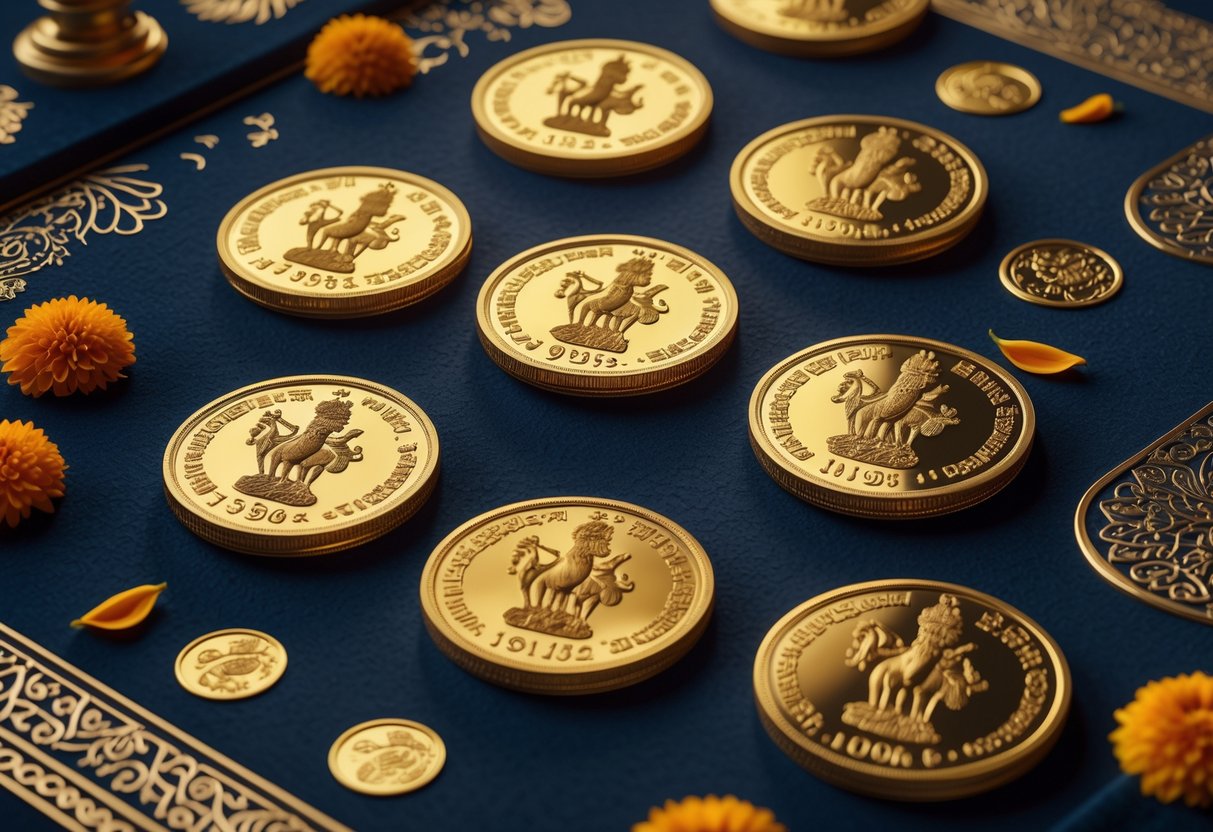
The 2013 partnership between the Royal Mint and MMTC-PAMP India marked a new era in Indian gold sovereign production. This collaboration introduced commemorative editions and special releases that combined traditional British sovereign designs with Indian cultural elements.
2013 Indian Sovereign – Commemorative First Strikes
The 2013 Indian Sovereign – Commemorative First Strikes represented the first modern Indian gold sovereign issued through the partnership between the Royal Mint and MMTC-PAMP India. This coin marked nearly 95 years since the original 1918 Bombay mint sovereigns were produced.
The coin features the classic St. George and the Dragon design on the reverse. The obverse displays Queen Elizabeth II’s portrait. A small “I” mint mark distinguishes these sovereigns as Indian-minted coins.
Selected Indian retailers and the Royal Mint distributed these coins, making them highly sought after by collectors worldwide. The limited availability increased demand among both sovereign collectors and modern gold coin enthusiasts.
Gold IRA Company Comparison Checklist
Before choosing a Gold IRA company, use our comprehensive checklist to compare fees, reputation, storage options, and customer service ratings.
Download ChecklistThe commemorative status of these first strikes added numismatic value beyond their gold content. Collectors valued them as historic pieces that revived Indian sovereign production after decades of absence.
Indian Sovereign Releases After 2013
Following the success of the 2013 commemorative issue, regular Indian sovereign production continued with annual releases. The 2014 gold sovereign was struck in India, continuing the tradition established nearly 100 years after the original Bombay mint closed.
Subsequent years saw continued production of Indian-minted sovereigns. The Royal Mint produced the 2019 gold bullion coin struck in India in limited numbers. These modern sovereigns maintained the traditional sovereign specifications and designs.
Each annual release carried the distinctive “I” mint mark. This small marking connected the modern coins to the historical 1918 Indian sovereigns. The consistent production schedule helped establish a regular market for Indian-minted sovereigns.
The modern releases appealed to both investors seeking gold bullion and collectors interested in sovereign varieties. Limited production numbers maintained their collectible status while meeting investor demand.
2014 India Half-Sovereign and Other Special Editions
The 2014 India Half-Sovereign introduced a smaller denomination to the modern Indian sovereign series. This coin provided collectors with a more affordable entry point into Indian sovereign collecting while maintaining the same design quality as full sovereigns.
Special edition sets also emerged from the collaboration. The 1918 & 2014 Indian Mint Mark Sovereign Set paired historical and modern coins, creating thematic collections that bridged nearly a century of sovereign production.
These special editions featured unique packaging and certification. The sets appealed to collectors who valued the historical connection between original and modern Indian sovereigns. Limited mintages added to their collectible appeal.
The half-sovereign followed traditional British specifications but carried the Indian mint mark. This smaller coin expanded the range of Indian sovereign options available to collectors and investors with different budget requirements.
Collecting and Investing in Indian Gold Sovereigns
Indian Gold Sovereigns offer unique opportunities for collectors and investors due to their limited production history and cultural significance. These coins command premium prices based on their rarity, condition, and authentication status in both domestic and international markets.
Reserved for Portfolios of $500K or More
Your portfolio qualifies you for an exclusive one-on-one web conference with a senior precious metals advisor, priority service, and direct access to strategies reserved for our most valued clients.
Request Your Exclusive GuideRarity and Collector Value
Historical Indian Gold Sovereigns from 1918 are extremely rare because production lasted only one year. The Royal Mint in Bombay produced nearly 1.3 million coins during this brief period.
Modern commemorative editions starting from 2013 also carry significant collector value. The 2013 Indian Sovereign Commemorative First Strikes introduced through the Royal Mint and MMTC-PAMP India partnership created renewed interest among collectors.
Key factors affecting rarity:
- Limited mintage numbers
- Historical significance
- Condition and preservation
- Mint marks and variations
The 1918 & 2014 Indian Mint Mark Sovereign Set bridges historical and modern collecting interests. These sets appeal to collectors seeking both vintage appeal and contemporary craftsmanship.
Half-sovereigns like the 2014 India edition offer more accessible entry points for new collectors. Their smaller size and lower price point make them attractive to those building collections gradually.
Grading and Authentication
Professional grading services evaluate Indian Gold Sovereigns based on condition, authenticity, and rarity. Third-party authentication protects buyers from counterfeits and ensures accurate condition assessment.
Common grading factors include:
- Surface preservation
- Strike quality
- Luster retention
- Edge condition
- Overall eye appeal
Mint marks help identify origin and authenticity. Indian Gold Sovereigns display specific mint marks that indicate where they were produced, with ‘I’ typically marking Indian-minted coins.
Authentication becomes crucial for high-value pieces. Professional services verify gold content, weight, and design elements against known specifications for each year and mint.
Collectors should obtain certificates of authenticity for significant purchases. These documents provide proof of legitimacy and enhance resale value in secondary markets.
Your Complete Gold IRA Beginner's Guide
No confusing jargon. No pressure. Just clear answers about how Gold IRAs work, what they cost, and whether they're right for your retirement. Get the facts before you invest.
Get Your Free Starter GuideMarket Demand in India and Globally
India maintains strong domestic demand for gold sovereigns due to cultural affinity for gold investments. Indian collectors particularly value pieces with local historical significance and traditional designs.
Global markets show increasing interest in Indian Gold Sovereigns as alternative investments. International collectors appreciate their unique designs featuring Indian cultural elements alongside traditional British motifs.
Market demand drivers:
- Gold price fluctuations
- Collector interest in British Commonwealth coins
- Indian diaspora collecting preferences
- Limited availability increasing desirability
The 2014 gold Sovereign struck in India represents nearly 100 years of gap since the original 1918 Bombay mint coins. This historical significance drives collector interest and market premiums.
Modern commemorative releases maintain steady demand among investors seeking alternatives to traditional gold investments. Their limited production runs and cultural designs appeal to both numismatists and precious metals investors.
Secondary market prices often exceed original issue prices due to limited availability and growing collector base.
The Legacy and Cultural Impact of Indian Gold Sovereigns
Indian Gold Sovereigns represent a unique intersection of British imperial history and Indian cultural traditions, creating lasting artistic and numismatic significance. These coins established enduring connections between two distinct monetary systems while showcasing exceptional craftsmanship through iconic designs.
Artistic Heritage and Historic Legacy
The artistic legacy of Indian Gold Sovereigns centers on the masterful designs that crossed continents. The most celebrated design features St George and the dragon by Benedetto Pistrucci, which became widely recognized as a masterpiece of numismatic art.
Pistrucci’s Greek-inspired design replaced traditional heraldic reverses in 1817. This classical artwork appeared on many Indian Gold Sovereigns, though Australian-minted coins with shield designs proved more popular in India.
The 1918 Indian Gold Sovereigns marked with an ‘I’ represent a unique wartime legacy. These coins emerged when German naval threats forced gold shipment redirection from South Africa to India rather than London.
Don't Choose Blindly
Selecting the right Gold IRA company is crucial for your retirement. Use our comprehensive comparison checklist to evaluate providers and make the best decision for your financial future.
Get Your ChecklistIndian communities developed their own cultural connection to these coins. People often called them ‘ginni’ and incorporated them into jewelry as gifts and wealth storage.
The yellow gold color from Australian mines became preferred over the redder British gold. This preference influenced trade patterns and established lasting aesthetic traditions.
Significance in Indian and British Numismatics
Indian Gold Sovereigns hold exceptional importance in both British and Indian numismatic history. The Bombay Mint’s brief operation from 1917-1919 created some of the most sought-after coins in sovereign collecting.
Key Numismatic Features:
- Small ‘I’ mint mark distinguishing Indian-minted coins
- Limited production period making them rare
- Over one million coins struck in 1918 alone
- Abrupt closure in 1919 due to blank shortage
These coins demonstrate the practical challenges of imperial minting operations. The Bombay branch mint operated within existing facilities, equipped with striking blanks by the local mint.
Modern Indian Gold Sovereigns with Indian mint marks continue this tradition. Contemporary production acknowledges the enduring popularity of sovereigns in Indian markets.
The coins represent a crucial period when gold sovereigns circulated widely throughout India, quoted daily in exchange tables and numbering in the millions by the 1880s.
Collectors prize these coins for their historical significance and limited availability. The brief production window creates scarcity that drives continued interest from numismatists worldwide.
Frequently Asked Questions
Indian Gold Sovereigns involve complex valuation factors, authentication methods, and historical connections to British minting traditions. The coins carry specific weight standards and relate to modern investment schemes like India’s bond programs.
What factors influence the value of a British Sovereign gold coin?
The gold content serves as the primary value driver for British Sovereign coins. Each coin contains 91.67% pure gold, which means the current gold market price directly affects its base value.
How Gold Performed During Every Stock Market Crash
See the data: when stocks dropped 19.4% in 2022, gold only fell 4.3%. Compare gold's downside protection across decades of market volatility and economic crises.
Compare Crash PerformanceRarity and mintage numbers significantly impact collector premiums. Coins with lower production runs or from specific years command higher prices among numismatists.
The coin’s condition affects its market value considerably. Well-preserved specimens with minimal wear receive higher valuations than damaged or heavily circulated pieces.
Historical significance adds premium value to certain editions. Coins from notable years or featuring special designs often sell above their gold content value.
How do you determine the authenticity of a Sovereign gold coin?
Weight verification provides the first authentication step. Genuine Sovereign coins weigh exactly 7.98 grams, and any significant deviation indicates a potential counterfeit.
Magnetic testing helps identify fake coins. Real gold Sovereigns will not attract to magnets, while many counterfeit versions contain magnetic metals.
Professional coin grading services offer definitive authentication. These organizations use specialized equipment and expertise to verify genuine coins.
Visual inspection of design details reveals counterfeits. Authentic coins display sharp, precise engravings that counterfeiters struggle to replicate accurately.
What is the historical significance of the 1817 Gold Sovereign?
The 1817 Gold Sovereign marked the revival of British gold coinage after the Napoleonic Wars. This coin reestablished the Sovereign as Britain’s primary gold currency denomination.
The design featured the iconic St. George and the Dragon motif. This imagery became the standard reverse design for most subsequent Sovereign issues.
The 1817 issue represented Britain’s economic recovery and stability. The coin’s introduction signaled the country’s return to gold standard currency systems.
Plan Your Gold IRA Distributions Strategically
Calculate which ounces to sell, when to take distributions, and how to minimize tax impact. Get your personalized RMD strategy based on current gold prices and IRS tables.
Create My RMD PlanWhat are the weight specifications of a typical Gold Sovereign coin?
A standard Gold Sovereign weighs 7.988 grams total. This weight has remained consistent since the modern Sovereign’s introduction in 1817.
The coin contains 7.322 grams of pure gold. The remaining weight consists of copper alloy that provides durability and the distinctive color.
The diameter measures 22.05 millimeters across. The thickness spans approximately 1.52 millimeters for standard full Sovereigns.
How does the Sovereign Gold Bond Scheme work?
Sovereign Gold Bonds are government securities denominated in grams of gold issued by India’s Reserve Bank. Investors purchase these bonds with cash and receive redemption in cash upon maturity.
The bonds provide an alternative to holding physical gold. They eliminate storage concerns while offering exposure to gold price movements.
The government offers an assured interest rate of 2.5 percent per annum on the issue price. Interest payments occur twice yearly throughout the bond’s tenure.
The scheme was introduced in 2015 and raised ₹72,274 crore across 67 tranches before discontinuation in 2024. The program aimed to reduce physical gold imports and provide safer investment options.
What is the role of the Royal Mint of Spain in the production of Sovereign coins?
The Royal Mint of Spain does not produce British Sovereign coins. The Royal Mint of the United Kingdom holds exclusive rights to manufacture official Sovereign coins.
The Royal Mint established operations in Bombay in 1917 to produce Indian Gold Sovereigns during British rule. This facility operated under British authority rather than Spanish control.
Spanish mints focus on their own national coinage and commemorative issues. They do not participate in British Sovereign production or distribution networks.
Modern Sovereign production occurs primarily at the Royal Mint facilities in Wales. Branch mints in former British territories historically produced Sovereigns but followed British specifications and oversight.




One More Thing...
If you're serious about protecting your retirement, get the complete Gold IRA guide. It's free, there's no obligation, and it could be one of the smartest financial decisions you make.
Get Your Guide