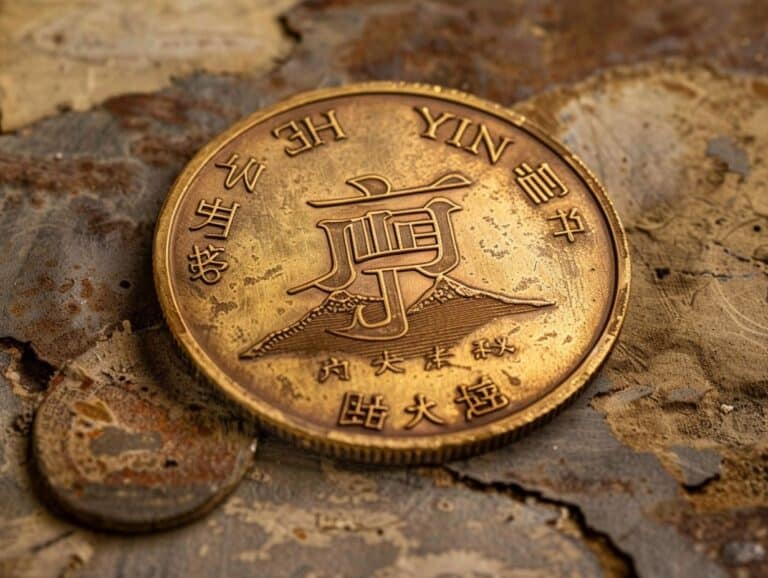
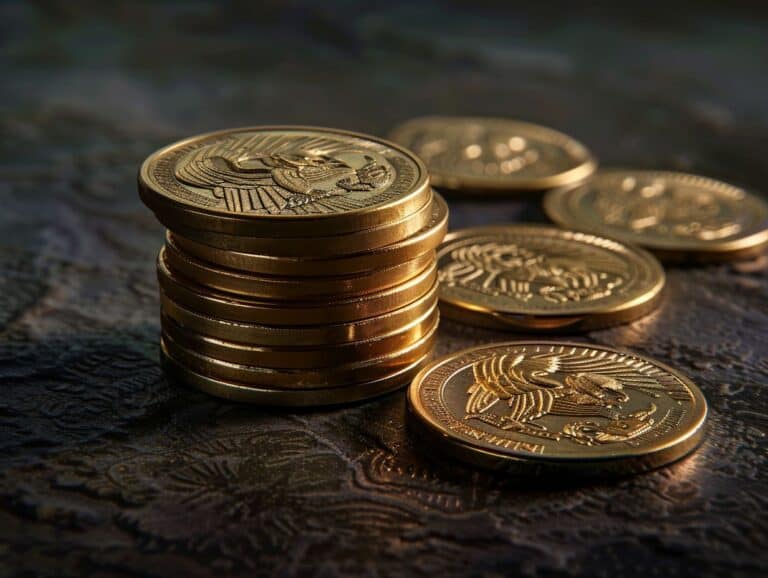
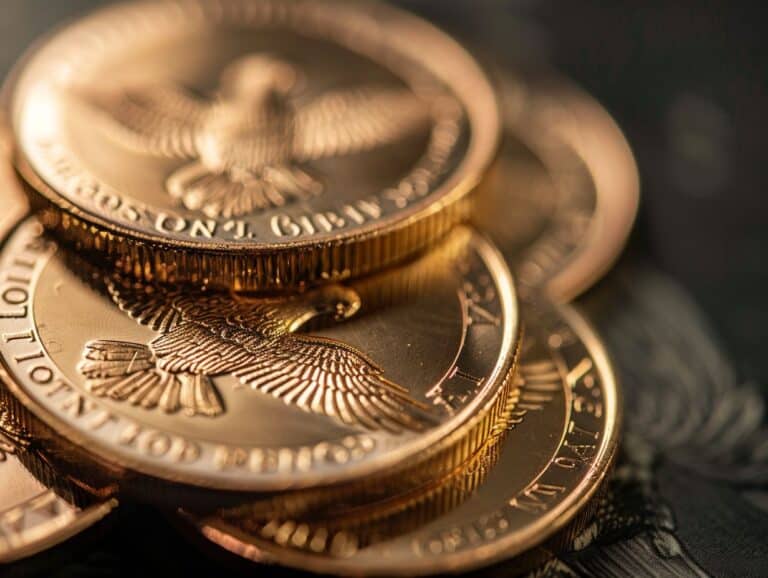
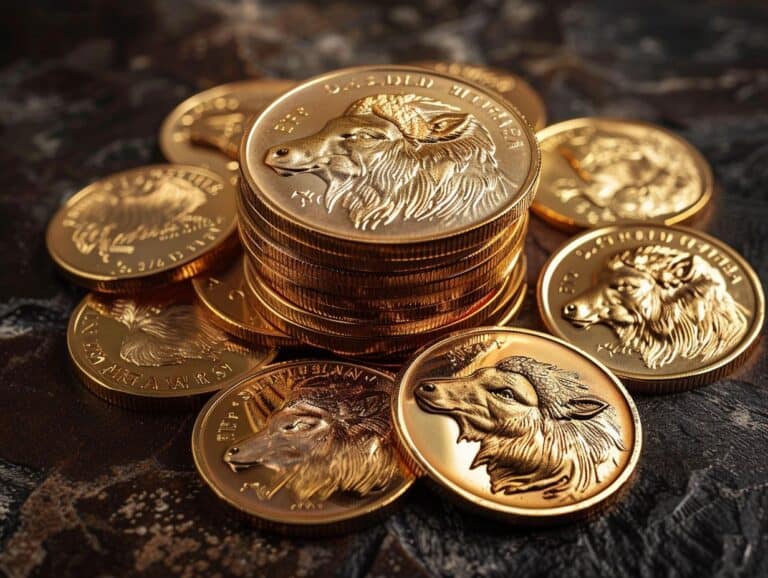
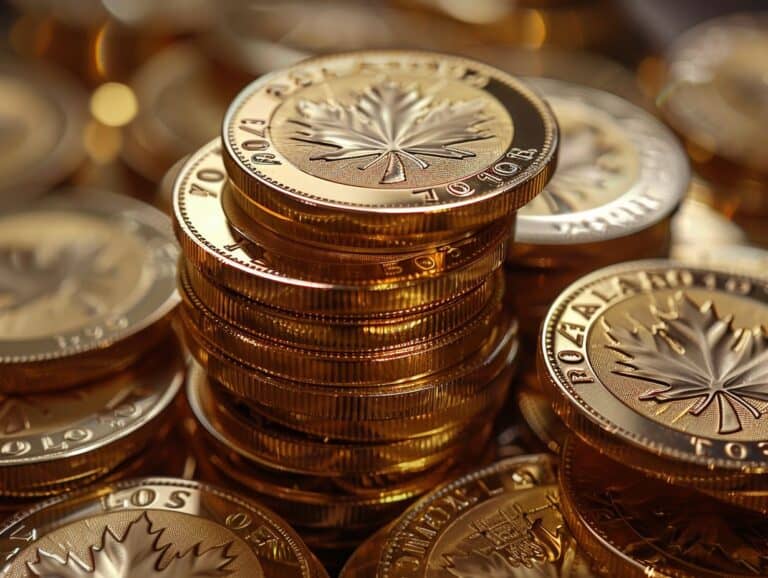
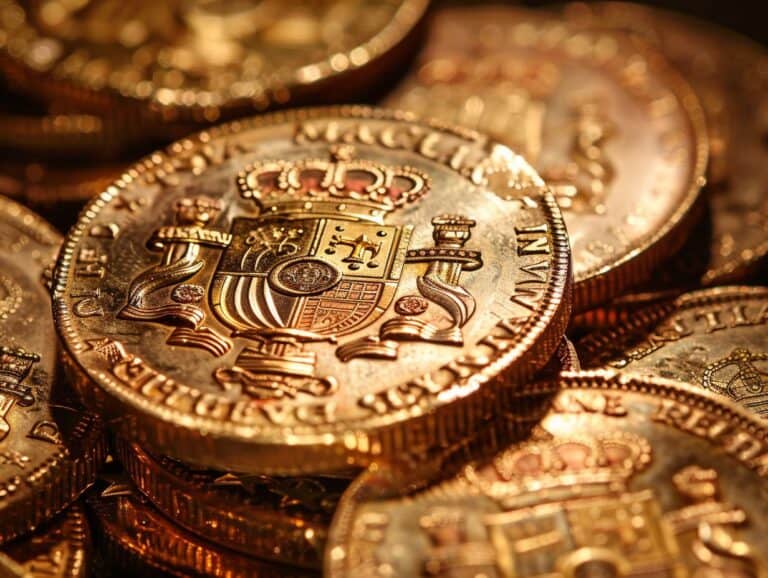
Italian gold lire represent some of Europe’s most elegant and historically significant gold coins. These coins were minted from 1861 to 1902 during the Kingdom of Italy era, featuring intricate designs and containing 90% pure gold. The most popular denomination among collectors and investors is the 20 lire gold coin, which contains 0.1867 ounces of actual gold and was produced by multiple Italian mints including Florence, Milan, Naples, and Turin.
The coins showcase the portraits of Italian monarchs Victor Emmanuel II and Umberto I, along with symbolic imagery representing the newly unified Italian nation. Italian 20 lire gold coins are similar in size and weight to French 20 franc gold coins but are considerably harder to find in today’s market. This scarcity, combined with their historical importance and beautiful craftsmanship, makes them highly sought after by both numismatists and precious metals investors.
Understanding the various aspects of Italian gold lire helps collectors make informed decisions about acquiring these pieces. The coins offer insight into Italy’s political history, artistic heritage, and monetary system during a pivotal period of unification and modernization.
Key Takeaways
- Italian gold lire were minted from 1861-1902 in 90% pure gold during the Kingdom of Italy period
- The 20 lire denomination contains 0.1867 ounces of gold and features portraits of Italian monarchs
- These coins are rarer than similar European gold coins and appeal to both collectors and investors
Overview of Italian Gold Lire
The Italian lira served as Italy’s official currency from 1861 to 2002, with gold coins playing a crucial role in the nation’s monetary system. These coins were minted across multiple Italian cities and became integral to international trade through the Latin Monetary Union.
Definition and Role of the Lira
The Italian lira was the official currency of Italy from 1861 until 2002 when the euro replaced it. The currency name comes from the Latin word for pound, reflecting its historical weight-based origins.
Italy used the lira as its currency linked to the franc, with the ability to be divided into 100 centesimi or cents. The decimal system was established in 1862, replacing the previous division into 20 solidi.
The lira held significant importance in European trade. Italian Gold Lire carries a rich history and significance, being a part of the Latin Monetary Union in the past. This monetary union standardized coin specifications across member nations.
The currency evolved alongside Italy’s political development. It initially emerged during the Napoleonic era but became synonymous with Italy’s growth as a unified nation.
Gold Coins Issued by Italy
The Kingdom of Italy began minting 20 lire gold coins in 1861, matching their size and gold content to the French 20 franc. This standardization facilitated international commerce and trade relationships.
Minting Locations:
- Milan
- Turin
- Naples
- Florence
These 20 Lire Gold Coins from Italy are the same size and weight as the popular French 20 Franc Angel coin but are harder to find when buying gold online. The coins were produced in .900-fine gold with a weight of 6.4516 grams.
Ready to Protect Your Retirement?
Request your free State-Specific Gold IRA information kit and take the first step toward securing your financial future with precious metals.
Free Gold IRA GuideAt .1867 ounces, each of these 20 Lira Gold Coins contains about a fifth of an ounce of gold. The actual gold weight provides intrinsic value beyond the coin’s numismatic worth.
Three distinct versions were produced over 67 years of minting. Each version featured different Italian monarchs and reflected the changing political landscape of the nation.
Historical Significance
Dating back to the Roman Empire, Italy has been a major power in Europe for millennia. The modern Italian Republic was established in 1948 following liberation and the abolition of the monarchy.
Gold lire coins represent key periods in Italian history. The first featured King Victor Emmanuel II (minted 1861-1874), marking the beginning of unified Italy under the new kingdom.
Design Elements:
- National coat of arms on one side
- Wreath motif on reverse
- Royal portraits of different monarchs
Italian 20 Lira Gold Coins are historical artifacts dating back to the founding of the modern Italian kingdom and nation. They were manufactured to the same high standards as famous Swiss, Belgian, and French coins.
The coins ceased production as Italy transitioned away from gold-backed currency. Their historical value continues to attract collectors and investors interested in European monetary history.
The 20 Lire Gold Coin
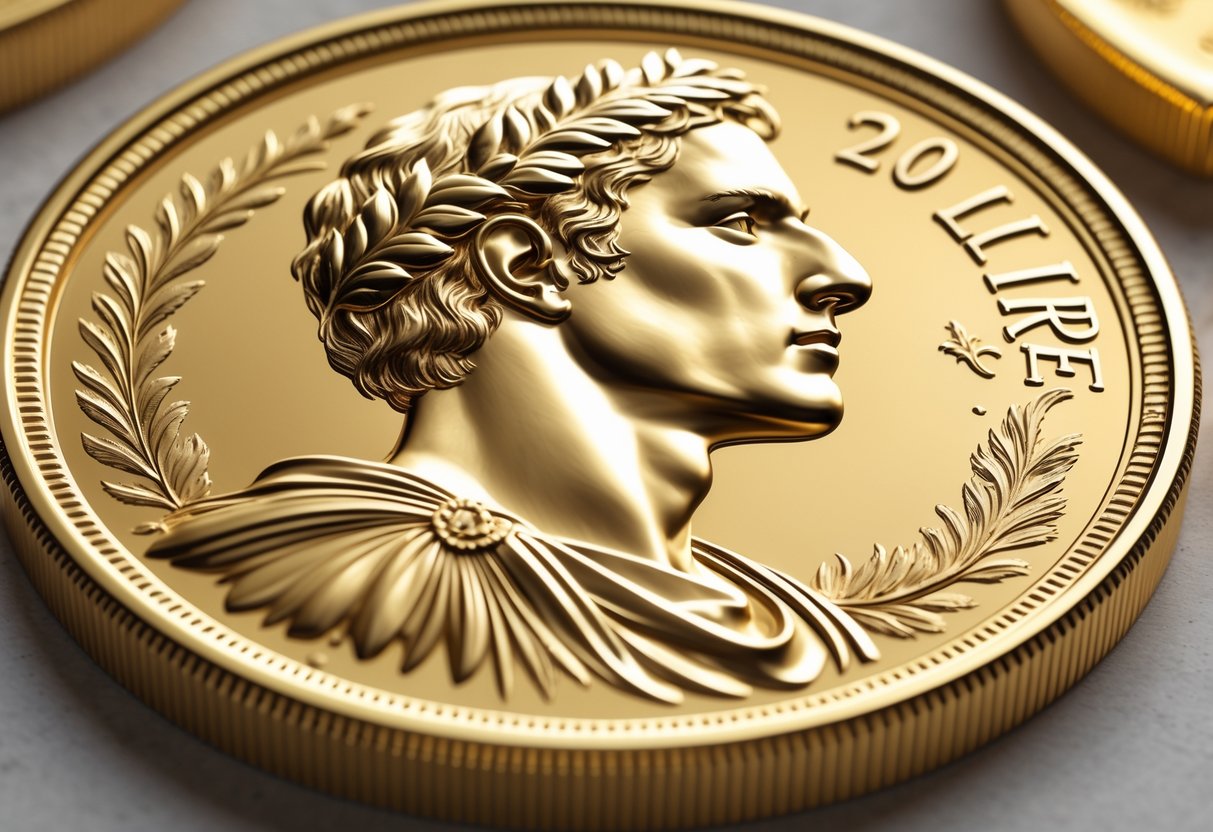
The 20 lire gold coin represents one of Italy’s most significant gold denominations, containing 0.1867 troy ounces of gold in a standardized format that matched European monetary standards. Italian mints produced these coins across multiple decades with consistent specifications and varying mintage numbers.
Denomination and Specifications
The 20 lire gold coin contains 0.1867 troy ounces of bullion and follows precise technical specifications. Each coin weighs exactly 6.4516 grams with a diameter of 21.5 millimeters.
How Much Will Your Gold IRA Really Cost?
See exactly how much you'll pay in setup, annual, and storage fees. Get personalized company recommendations based on your investment amount and retirement timeline.
Calculate My Total FeesThe thickness measures 1.3 millimeters in a standard round shape. The Kingdom of Italy designed these coins to match French 20 franc specifications, which later became the foundation for the Latin Monetary Union standards.
The coins feature milled edges and coin alignment orientation. Italian mints used this standardized format to ensure compatibility with other European gold currencies of the same era.
Production Years and Mintages
Italian mints began producing 20 lire gold coins in 1861 and continued minting them for 67 years across three different royal periods. The mints operated in Milan, Turin, Naples, and Florence during this production span.
The Umberto I series ran from 1879 to 1897, creating 15 different date varieties. The highest mintage year was 1882 with 6,970,007 coins produced, while 1884 had the lowest at just 9,775 pieces.
Production numbers varied significantly by year. Most years produced between 30,000 and 200,000 coins, with notable exceptions during economic conditions that required higher or lower gold coin output.
Gold Content and Purity
The 20 lire gold coin contains 90% pure gold with the remaining 10% consisting of copper alloy for durability. This .900 fine gold composition was standard for European gold coinage of the period.
The actual gold weight equals 0.1867 ounces per coin from the total 6.4516 gram weight. Italian mints struck these coins to the same standards as French, Belgian and Swiss 20 francs.
The gold content provides intrinsic value based on current precious metal prices. The standardized purity level ensures consistent gold content across all production years and mint locations throughout the series.
Design and Features
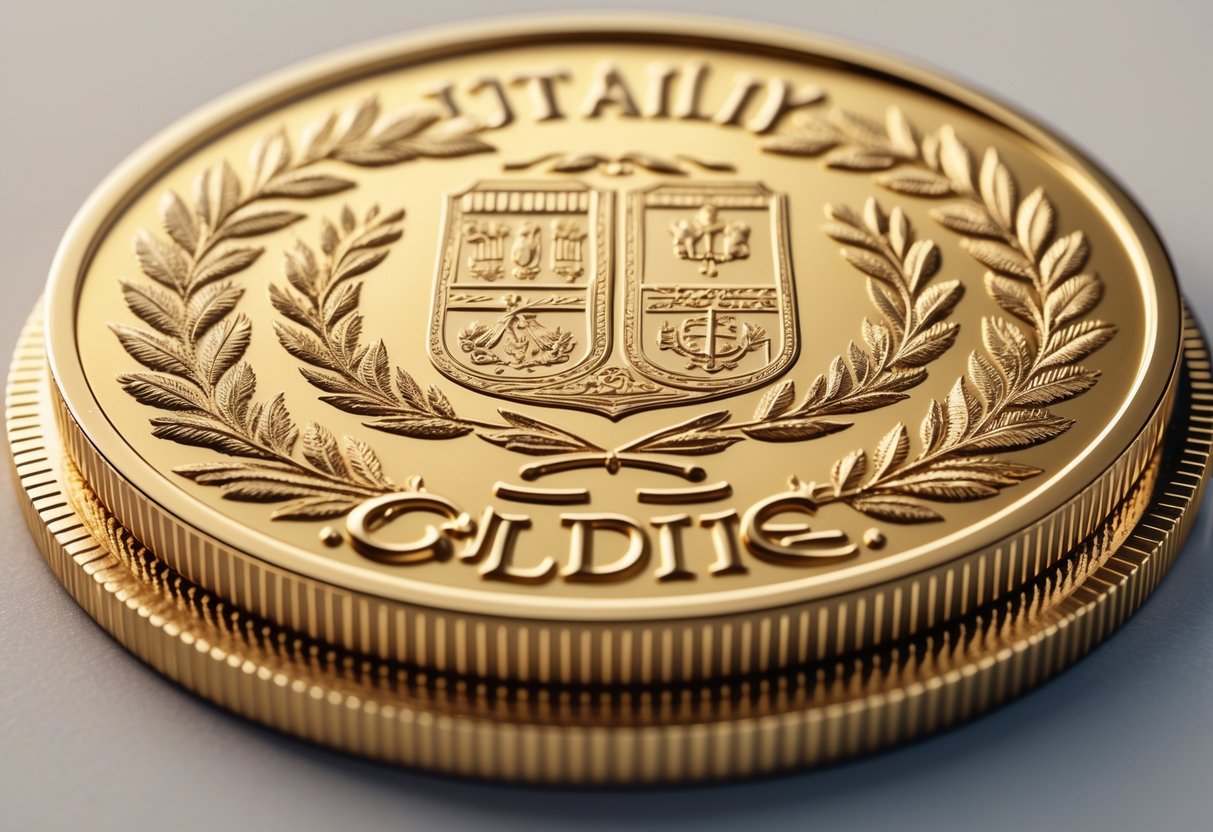
The Italian 20 Lire gold coin showcases detailed craftsmanship with Umberto I’s portrait on the obverse and the crowned arms of Italy on the reverse. The coin features 90% gold purity with precise edge work that reflects 19th-century Italian minting standards.
Obverse: Umberto I Re D’Italia Portrait
The front of the coin displays a finely detailed portrait of the mustached Umberto I. His bust faces right and shows remarkable precision in the engraving work.
Don't Pay More Taxes Than You Have To
The wrong Gold IRA choice could cost you thousands in unnecessary taxes. See exactly how much you'll pay in taxes with a Traditional vs. Roth Gold IRA. Compare both options side-by-side based on your age, income, and retirement timeline.
The text “UMBERTO I RE D’ITALIA” surrounds the portrait. This translates to “Umberto I King of Italy” in English.
The minting date appears on the obverse as well. Umberto’s image first appeared on these 20 Lire coins in 1879, one year after he became king.
The portrait captures Umberto’s distinctive facial features. The engravers paid close attention to details like his mustache and facial structure.
Reverse: Crowned Arms of Italy
The back of the coin features the crowned arms of Italy as the central design element. A decorative wreath encircles the coat of arms completely.
The denomination “L. 20” appears within the wreath design. This marking clearly identifies the coin’s value in Italian lire.
The crowned arms represent the royal authority of the Kingdom of Italy. The design reflects the political structure of Italy during Umberto I’s reign.
The wreath pattern adds artistic appeal to the coin. It also frames the heraldic symbols in a traditional European style.
Edge and Composition
The Italian 20 Lire gold coin contains 90% pure gold in its composition. The remaining 10% consists of copper alloy for durability.
Each coin weighs 0.1867 troy ounces total. The diameter measures exactly 21 millimeters across.
The edge features reeded or milled markings. These grooves help prevent counterfeiting and coin clipping.
Gold IRA Company Comparison Checklist
Before choosing a Gold IRA company, use our comprehensive checklist to compare fees, reputation, storage options, and customer service ratings.
Download ChecklistRed gold was used for minting some coins in 1882. This created a slightly different color appearance for that year’s production.
Key Figures and Symbolism
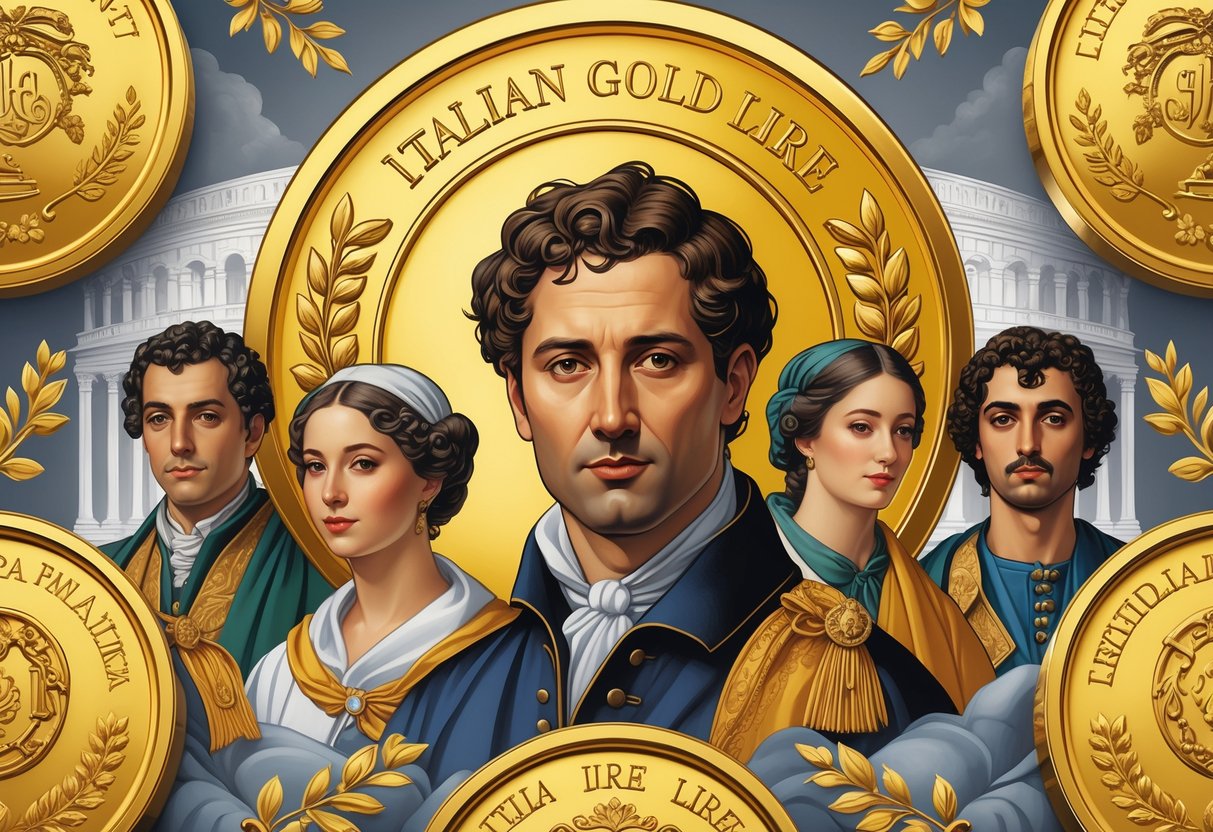
Italian gold lire coins featured portraits of ruling monarchs and national symbols that reflected Italy’s political history. The designs showcased royal imagery and heraldic elements that represented the unified Kingdom of Italy.
King Umberto I’s Reign
King Umberto I became the first monarch to appear on Italian 20 lire gold coins when circulation began in 1879. He ruled Italy from 1878 until his assassination in 1900.
The coins displayed his portrait with a distinctive mustache on the obverse side. Around his bust, the inscription read “UMBERTO I RE D’ITALIA” along with the minting date.
Umberto I’s coins were minted between 1879 and 1897, creating a series with 15 different dates. Before his coronation in 1878, multiple Italian mints in Genoa, Rome, Milan, and Turin produced coins.
After he became king, the Roman mint became the single location for all Italian coin production. Some special 1882 coins were struck using red gold, making them particularly valuable to collectors.
Symbolism in Coin Imagery
The reverse side of Italian gold lire featured the crowned arms of Italy surrounded by decorative wreaths. This national coat of arms represented the unified Kingdom of Italy established in 1861.
The designs depicted Italy’s ruling monarchs and important national symbols that reflected significant historical moments. Later coin designs replaced the coat of arms with an Italian representation of liberty.
The inscription “REGNO D’ITALIA” (Kingdom of Italy) appeared around the edges of the coins. The denomination “20 LIRE” was prominently displayed in the center, with the date positioned at the bottom.
These symbolic elements connected the coins to Italy’s national identity during the monarchy period. The artistic designs represented the pinnacle of Italian coin-making craftsmanship in the late 19th century.
Reserved for Portfolios of $500K or More
Your portfolio qualifies you for an exclusive one-on-one web conference with a senior precious metals advisor, priority service, and direct access to strategies reserved for our most valued clients.
Request Your Exclusive GuideProduction and Italian Mints
The Kingdom of Italy produced gold lire coins at multiple mints across the country from 1861 to 1927. Each mint used specific marks to identify where coins were made, helping collectors track production locations today.
Major Italian Mints Involved
Four primary mints produced Italian gold lire coins during the unified kingdom period. These facilities operated in different regions to serve the newly formed nation.
The Rome Mint became the central production facility. It took over most gold lire production after 1878. The mint handled the largest volume of coins during the later years.
The Milan Mint operated in northern Italy. It produced coins from 1861 through the early production years. Milan’s location made it important for northern Italian commerce.
Turin served as another northern production center. The Turin mint created coins that are now highly sought after by collectors. These coins often command higher prices than common dates.
The Florence Mint handled production in central Italy. Florence contributed to the early years of unified Italian coinage. The mint helped establish the new monetary system.
Naples produced coins for southern Italy. The Naples mint operated during the formation period of the kingdom. It helped distribute currency throughout the southern regions.
Mint Marks and Their Meanings
Italian gold lire coins carry specific marks to identify their production locations. These marks appear as small letters on the coins.
M indicates production at the Milan mint. This mark appears on coins from the northern facility. Milan-marked coins are common from the early years.
T shows production at Turin. These marks help collectors identify the specific mint location. Turin coins often carry premium values today.
Your Complete Gold IRA Beginner's Guide
No confusing jargon. No pressure. Just clear answers about how Gold IRAs work, what they cost, and whether they're right for your retirement. Get the facts before you invest.
Get Your Free Starter GuideR marks coins from Rome. The Rome mint used this identifier throughout its production period. Most later-year coins carry the R mint mark.
BN appears on coins from Naples. This marking system helped track production across the kingdom. Naples used a two-letter system unlike other mints.
Florence coins typically show F as their mint mark. The marking system made it easy to identify coin origins. Collectors use these marks to complete mint sets.
Collecting and Investing in Italian Gold Lire
Italian Gold Lire offer collectors and investors opportunities based on their precious metal content, historical significance, and market rarity. The value of these gold coins depends on factors like condition, mint marks, and specific years of production, while successful collecting requires understanding authentication and market trends.
Market Value and Rarity
Italian Gold Lire are available in 20, 40 and 100 lire denominations, with the 20 lire being the most common among collectors. These coins contain 90% fine gold, making them valuable both for their precious metal content and numismatic worth.
The 20 lire gold coins weigh 6.4516 grams with an actual gold weight of 0.1867 ounces per coin. This fractional gold content makes them accessible to collectors with smaller budgets.
Rarity varies significantly by ruler and minting year. Coins from Umberto I’s reign span 15 different dates from 1879 to 1897, creating different scarcity levels. Earlier issues from Victor Emmanuel II tend to command higher premiums.
Mint marks from Florence, Milan, Naples, and Turin affect value. Some mint locations produced fewer coins, increasing their desirability among collectors.
Factors Influencing Collectibility
Certification from reputable organizations like NGC and PCGS significantly impacts value. Graded coins provide authentication and condition assessment, reducing buyer risk and increasing market confidence.
Historical significance plays a major role in collectibility. Coins from the Kingdom of Italy period showcase important monarchs like Victor Emmanuel II, Umberto I, and Victor Emmanuel III. Each ruler’s reign offers different design elements and production quantities.
Don't Choose Blindly
Selecting the right Gold IRA company is crucial for your retirement. Use our comprehensive comparison checklist to evaluate providers and make the best decision for your financial future.
Get Your ChecklistCondition dramatically affects pricing. Coins range from Poor (PR) to Mint State (MS) grades. Higher grades command substantial premiums over lower-grade examples.
Design elements like olive branches and oak branches add appeal. These symbols represent peace, strength, and prosperity in Italian culture. Collectors appreciate these motifs for their artistic value and historical meaning.
Connection to the Latin Monetary Union increases international interest. These coins were interchangeable with French 20 Franc pieces, making them part of a broader European numismatic tradition.
Tips for Buyers and Sellers
Authentication remains crucial when buying Italian gold coins. Counterfeit coins exist in the marketplace, making professional grading services valuable for verification. Buyers should prioritize certified examples from established dealers.
Market timing affects both buying and selling decisions. Gold prices influence base values, while numismatic premiums fluctuate based on collector demand. Tracking both precious metals markets and coin auction results helps inform decisions.
Storage and handling protect long-term value. Proper storage prevents damage that reduces grades and market value. Certified coins should remain in their protective holders.
Research specific years and varieties before purchasing. Some dates and mint marks are significantly rarer than others, creating substantial price differences between similar-looking coins.
Sellers benefit from accurate descriptions and clear photographs. Honest condition assessments build buyer confidence and achieve better prices. Professional grading often increases sale values beyond the service costs.
Documentation helps establish provenance and authenticity. Original mint packaging, certificates, or historical records add value and buyer confidence.
Frequently Asked Questions
Italian gold lire coins carry deep historical value and present unique challenges for collectors and investors. Understanding their worth requires knowledge of specific factors like gold content, rarity, and market conditions.
How Gold Performed During Every Stock Market Crash
See the data: when stocks dropped 19.4% in 2022, gold only fell 4.3%. Compare gold's downside protection across decades of market volatility and economic crises.
Compare Crash PerformanceWhat is the historical significance of gold Lira coins?
Italian gold lire coins represent the founding of modern Italy as a unified nation in the late 1800s. The lira served as Italy’s official currency from 1861 until 2002, when the euro replaced it.
These coins were part of the Latin Monetary Union. Italy joined this monetary system alongside other European nations, creating standardized gold content across member countries.
The coins featured portraits of Italian kings, including King Umberto I and later King Vittorio Emanuele III. King Umberto I ruled from 1878 until his assassination in 1900.
The 100 lire coins showcase Italy’s rich medallic tradition. Many were designed by renowned artists and engravers of the late 19th and early 20th centuries.
How do you determine the value of an Italy 20 Lire gold coin?
The value of 20 lire gold coins depends primarily on their gold content. Each coin contains 0.1867 troy ounces of gold at 90% purity.
Market pricing follows the spot price of gold closely. These coins do not command significant premiums above spot gold prices despite their historical importance.
The coin’s condition affects its value. Circulated coins typically sell for less than uncirculated examples.
Rarity plays a role in pricing. Factors like rarity and condition influence the overall value of individual coins.
Can old Italian gold coins still be collected or traded?
Yes, collectors and investors actively buy and sell Italian gold lire coins worldwide. These coins are available from coin and bullion dealers in the United States, Europe, and other regions.
Italian gold lire offer enough scope and collectability factors to challenge experienced collectors. Multiple denominations exist, including 5, 10, 20, 50, and 100 lire coins.
The coins lost their legal tender status in Italy when the euro was adopted. However, their gold content makes them valuable as precious metal investments.
Plan Your Gold IRA Distributions Strategically
Calculate which ounces to sell, when to take distributions, and how to minimize tax impact. Get your personalized RMD strategy based on current gold prices and IRS tables.
Create My RMD PlanWhat factors affect the price of 5 Lira gold coins?
The gold content determines the base value of 5 lire coins. Like other Italian gold lire, these coins contain 90% gold.
Market conditions for gold directly impact pricing. Daily fluctuations in international gold markets affect the coins’ value.
Rarity influences premium pricing above gold content value. Some years or mint marks may be scarcer than others.
The coin’s physical condition affects its market price. Damaged or heavily worn coins typically sell for less than well-preserved examples.
How is the conversion from Italian Lira to USD calculated for collectible coins?
The face value conversion is not relevant for collectible Italian gold coins. These coins are worth far more than their 20 lire face value due to their gold content.
The USD value depends on current gold prices and the coin’s gold content. For 20 lire coins, multiply 0.1867 troy ounces by the current gold price per ounce.
Additional factors include dealer premiums and market demand. Collectors may pay slightly more than the gold value for historical significance.
What should collectors know about the authenticity and quality of Italian gold coins?
Collectors should verify the coin’s specifications match known standards. Italian 20 lire coins weigh 6.4516 grams with a diameter of 21.5mm.
Professional grading services can authenticate and grade Italian gold coins. Various certifications and grade options are available for serious collectors.
Buyers should purchase from reputable dealers who guarantee authenticity. Counterfeit coins exist, making dealer reputation important.
The coins’ gold purity should be 90% (900 fineness). This lower purity means they do not qualify for IRA accounts, which require 99.5% purity.




One More Thing...
If you're serious about protecting your retirement, get the complete Gold IRA guide. It's free, there's no obligation, and it could be one of the smartest financial decisions you make.
Get Your Guide