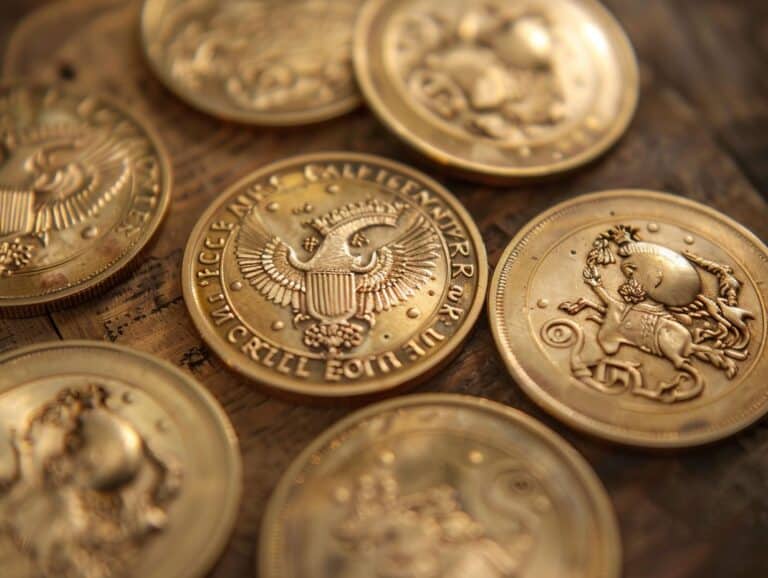
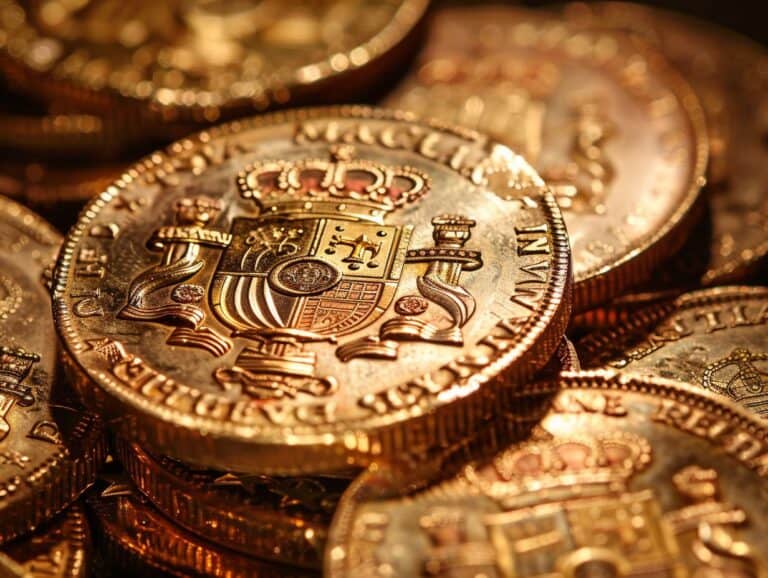
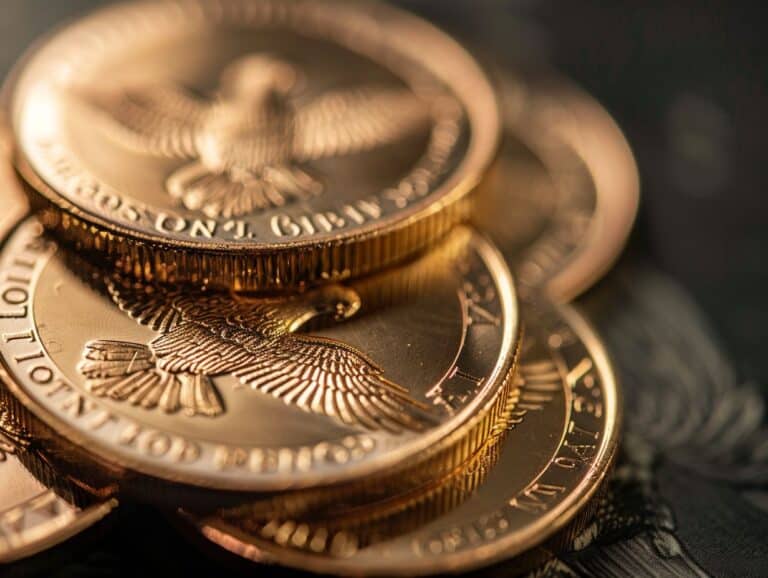
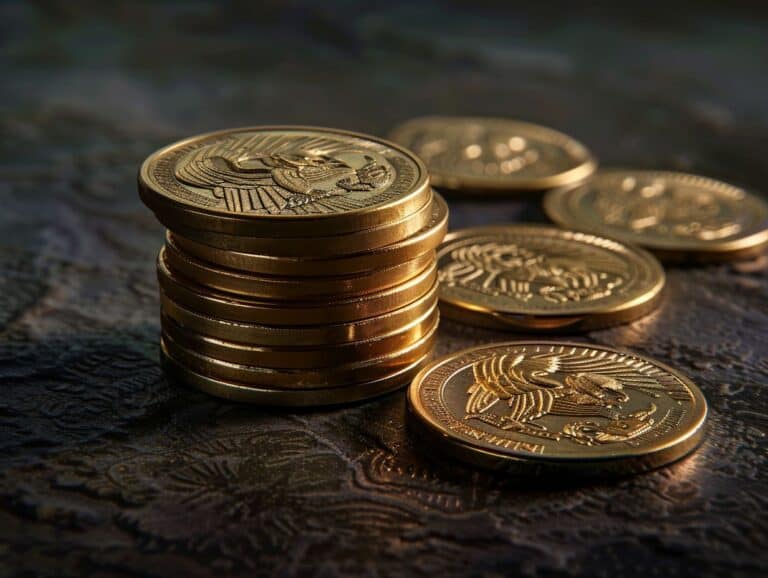
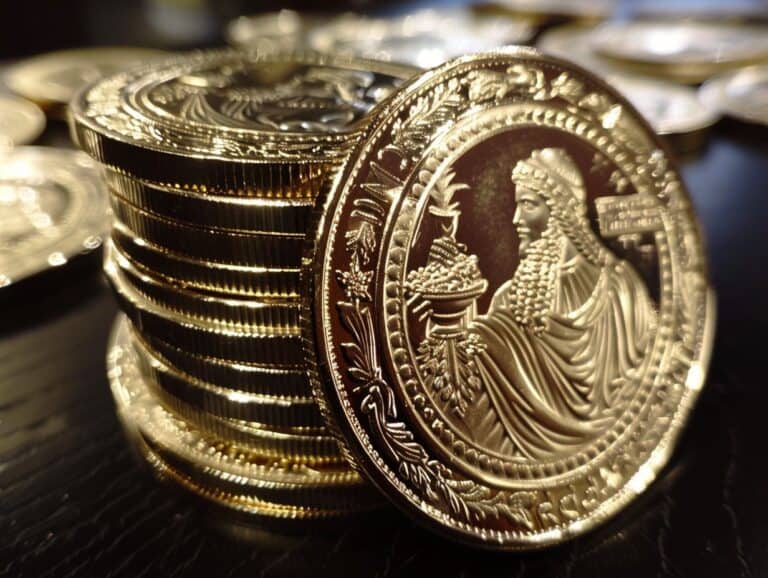
If you’ve ever spotted a shiny, gold-colored quarter in your change, you might wonder if you’ve struck it rich. Gold colored quarters are regular US quarters that have been plated or coated with a thin layer of gold by third-party companies, not the US Mint, and they hold no monetary value beyond their original 25 cents. These modified coins are purely collectible items that cannot be used as legal tender for purchases.
Despite their lack of monetary worth, gold colored quarters have gained popularity among collectors who appreciate their unique appearance and novelty factor. The golden coating gives ordinary quarters an eye-catching finish that makes them stand out from regular circulation coins. Many people collect these coins as conversation pieces or gifts, though they should understand what they’re actually purchasing.
Understanding the difference between genuine gold coins and gold-plated quarters is crucial for anyone considering adding these items to their collection. While authentic gold quarters from the US Mint do exist and contain real gold, the gold-colored quarters commonly found online or in advertisements are simply regular quarters with a decorative coating applied after production.
Key Takeaways
- Gold colored quarters are regular quarters with gold plating applied by third parties and have no monetary value beyond 25 cents
- These coins are collectible novelties that cannot be used as legal currency for making purchases
- Collectors should verify authenticity and understand the difference between gold-plated and genuine gold coins before buying
What Are Gold Colored Quarters?

Gold colored quarters are regular U.S. quarters that have been given a golden appearance through special coating processes. These coins differ significantly from actual gold quarters in both composition and value.
Types of Gold Colored Quarters
Gold-plated quarters are the most common type of gold colored quarters available today. These coins start as standard quarter dollars and receive a thin layer of gold coating on their surface.
The gold plating is typically less than 0.003 inches thick. Third-party companies apply this coating, not the U.S. Mint.
State quarters are popular choices for gold plating. Collectors often seek these because of their unique designs and themes from different states.
Commemorative quarters also receive gold coloring treatments. These include special edition releases and anniversary coins.
Some companies create colorized quarters that combine gold coloring with other colors. These coins feature painted designs over the gold base layer.
The plating process varies by manufacturer. Some use electroplating while others apply gold leaf or gold paint to create the golden appearance.
Differences Between Gold Colored and Gold Quarters
Gold colored quarters contain no actual gold content in their base metal composition. They are standard copper-nickel clad quarters with surface treatments.
Historical gold quarters were actual gold coins minted by the U.S. government. The last gold quarters were struck in 1929, ending production of these genuine gold coins.
Real gold quarters contained 90% gold and 10% copper. These coins had intrinsic value based on their precious metal content.
Ready to Protect Your Retirement?
Request your free State-Specific Gold IRA information kit and take the first step toward securing your financial future with precious metals.
Free Gold IRA GuideValue differences are significant between the two types:
| Type | Gold Content | Intrinsic Value |
|---|---|---|
| Gold colored quarters | None | Face value only |
| Historical gold quarters | 90% gold | Based on gold prices |
Gold colored quarters do not possess intrinsic value based on precious metal content. Their worth remains at face value or slightly above for novelty purposes.
Legal Status and Circulation
Gold colored quarters maintain their legal tender status as U.S. currency. They can be spent at face value like regular quarters.
Few coin dealers will buy gold-plated coins since they are technically considered damaged coins. The alteration affects their collectible value negatively.
The U.S. Mint does not authorize the gold plating process. Private companies perform these modifications independently.
Circulation considerations include:
- Vending machines may reject them due to weight differences
- Banks accept them at face value
- The gold coating can wear off with handling
These coins are legal to own and trade. However, sellers must clearly identify them as plated rather than solid gold to avoid fraud accusations.
Most gold colored quarters end up in collections rather than general circulation. Their novelty appearance makes them popular as gifts or collectibles despite their limited monetary value.
How Gold Colored Quarters Are Made

Gold colored quarters undergo a specialized manufacturing process that transforms regular quarters into collectible coins with golden appearances. The production involves overlaying regular quarters with gold through third-party plating operations, while the US Mint produces genuine gold quarters through different methods.
Gold Plating Process
The gold plating process begins with standard quarters made of copper-nickel clad composition. These coins receive a thin layer of gold coating applied to their surface through electroplating techniques.
Electroplating Steps:
- Quarter cleaning and preparation
- Application of adhesion layers
- Gold layer deposition
- Final polishing and quality control
The gold layer measures only a few microns thick. This creates the distinctive golden appearance while keeping costs lower than solid gold coins.
How Much Will Your Gold IRA Really Cost?
See exactly how much you'll pay in setup, annual, and storage fees. Get personalized company recommendations based on your investment amount and retirement timeline.
Calculate My Total FeesThird-party companies handle most gold plating operations. They use specialized equipment to ensure even coverage across the coin’s surface.
The plating process does not change the quarter’s original design features. All text, images, and details remain visible beneath the gold coating.
Role of Third-Party Platers
Private companies perform the majority of gold quarter plating services. The US Mint does not produce or sell gold colored quarters, leaving this market to independent operators.
These platers obtain regular quarters from circulation or mint sources. They then apply their proprietary coating processes to create the finished products.
Common Third-Party Services:
- Individual coin plating
- Bulk quarter processing
- Custom packaging and presentation
- Certificate of authenticity issuance
Quality varies significantly between different plating companies. Some use higher-grade gold while others apply thinner coatings that may wear off over time.
Collectors should research plating companies before purchasing. Reputable platers provide detailed information about their gold content and application methods.
US Mint Gold Quarters
The US Mint produces genuine gold quarters containing actual gold content. The 2016 W Standing Liberty Centennial Gold Coin contains one-quarter troy ounce of 24-karat gold.
These official gold coins differ significantly from plated versions. They consist of solid gold rather than gold-coated base metals.
US Mint Gold Quarter Features:
- 24-karat gold composition
- Limited mintage numbers
- Official government backing
- Premium pricing structure
The Mint releases gold quarters as commemorative issues rather than regular circulation coins. Each release celebrates specific historical events or anniversaries.
These genuine gold coins carry substantially higher values than plated alternatives. Their gold content alone provides intrinsic worth beyond collectible appeal.
Don't Pay More Taxes Than You Have To
The wrong Gold IRA choice could cost you thousands in unnecessary taxes. See exactly how much you'll pay in taxes with a Traditional vs. Roth Gold IRA. Compare both options side-by-side based on your age, income, and retirement timeline.
Collectors can purchase authentic US Mint gold quarters directly from the Mint or authorized dealers. This ensures authenticity and proper documentation for investment purposes.
Identifying Authentic Gold Colored Quarters
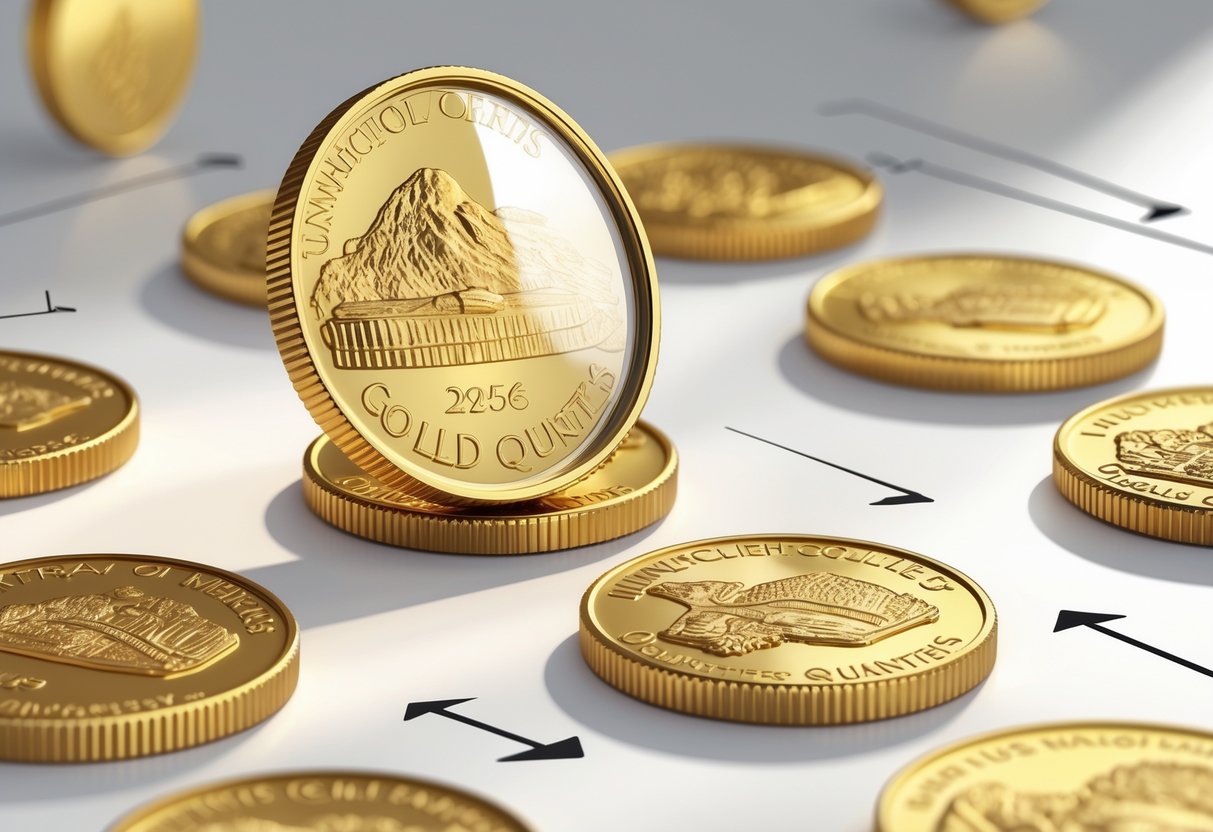
Collectors must learn to spot real gold colored quarters from fakes through proper authentication methods and certification standards. Gold colored quarters require careful examination to verify their authenticity and avoid common counterfeits.
Authentication Methods
Professional authentication starts with examining the coin’s surface texture and gold plating quality. Authentic gold quarters display uniform coloring across the entire surface without patches or discoloration.
Collectors should use a magnifying glass to inspect the plating edges. Real gold plating appears smooth and even around the coin’s rim.
The weight test helps identify genuine pieces. Gold colored quarters weigh the same as regular quarters since they only have a thin gold layer.
Visual inspection checklist:
- Consistent gold color throughout
- No flaking or peeling edges
- Clear underlying coin details
- Proper mint marks and dates
Numismatics experts recommend the scratch test on inconspicuous areas. Real gold plating resists light scratching better than paint or fake coatings.
Certification Standards
Third-party grading services provide the most reliable authentication for valuable gold colored quarters. These services examine coins under controlled conditions using specialized equipment.
Major certification companies:
- Professional Coin Grading Service (PCGS)
- Numismatic Guaranty Corporation (NGC)
- Independent Coin Graders (ICG)
Certified coins come in protective holders with tamper-evident seals. The certification label shows the coin’s grade and authenticity status.
Collectors should verify certification numbers on the grading service’s website. This prevents fake certification labels from fooling buyers.
Some gold colored quarters lack official certification because they are novelty items rather than official mint products.
Gold IRA Company Comparison Checklist
Before choosing a Gold IRA company, use our comprehensive checklist to compare fees, reputation, storage options, and customer service ratings.
Download ChecklistCommon Signs of Fakes
Fake gold colored quarters often show uneven coloring or paint-like finishes. The gold coating may appear too bright or artificial compared to real gold plating.
Red flags to watch for:
- Bubbling or peeling surfaces
- Inconsistent color depth
- Rough or grainy texture
- Missing or altered mint marks
Paint-based fakes chip easily around the edges. Real gold plating bonds better to the underlying metal surface.
Collectors should research thoroughly before purchasing to avoid scams. Many sellers misrepresent painted quarters as genuine gold-plated coins.
Extremely low prices often indicate fake products. Authentic gold colored quarters cost more than regular quarters due to the plating process and collector demand.
Value and Rarity Factors

The value of gold colored quarters depends on mintage numbers, condition, and market demand. Gold quarter values vary dramatically between genuine gold pieces and gold-plated versions.
Limited Mintage and Scarcity
Limited mintage creates the foundation for valuable gold quarters. The 1808 Capped Bust Gold Quarter Eagle had only 2,710 pieces struck, with just 12-15 examples surviving today.
Genuine gold quarters from the U.S. Mint are extremely rare. The 1796 No Stars quarter had only 66 pieces minted originally. Only two mint state examples exist today.
Key Scarcity Factors:
- Original mintage numbers
- Survival rates over time
- Mint errors and varieties
- Special commemorative issues
Most gold colored quarters in circulation are gold-plated state quarters. These have no rarity value since millions were produced. Private companies created these novelty items by plating regular quarters.
The 2016 W Standing Liberty Centennial Gold Coin represents modern limited mintage. These official U.S. Mint products have restricted production numbers. They carry premium values due to their limited availability.
Factors That Affect Market Value
Condition plays a major role in determining gold quarter values. Uncirculated gold quarters in MS60 to MS65 grades command the highest prices. Circulated examples sell for much less.
Reserved for Portfolios of $500K or More
Your portfolio qualifies you for an exclusive one-on-one web conference with a senior precious metals advisor, priority service, and direct access to strategies reserved for our most valued clients.
Request Your Exclusive GuideGrading Impact on Value:
- MS65: Premium pricing
- MS60: Standard uncirculated value
- AU58: Slight circulation wear
- XF40: Noticeable wear, lower value
Authentication matters significantly for valuable pieces. PCGS and NGC certification protects buyers from counterfeits. Certified coins typically sell for higher prices than raw examples.
Historical significance adds premium value. The 1848 CAL quarter eagle contains California Gold Rush gold. It carries special “CAL” marking and commands $402,500 in MS60 condition.
Market demand from collectors drives prices higher. Competition among numismatics enthusiasts creates bidding wars for rare dates. Economic factors influence gold coin values as investors seek inflation hedges.
Investment Potential
Gold quarters offer investment potential through their rarity and precious metal content. Historical performance shows rare coins outperforming traditional investments during market volatility.
Investment Considerations:
- Buy certified examples only
- Focus on key dates and low mintages
- Consider condition carefully
- Work with reputable dealers
The specialized market for gold quarters requires expert knowledge. Price fluctuations occur based on supply and demand cycles. Collectors must understand numismatics before making significant purchases.
Gold-plated quarters have no investment value. These novelty items cost more than face value but lack precious metal content. Genuine gold quarters provide both numismatic and bullion value.
Long-term appreciation potential exists for rare dates. The 1808 Capped Bust sold for $2.35 million in 2015. Early American gold quarters continue setting auction records as more collectors enter the market.
Collecting Gold Colored Quarters
Gold colored quarters offer collectors an accessible entry point into numismatics with unique visual appeal. These modified coins require specific knowledge about authentic designs, proper storage methods, and market values to build a meaningful collection.
Building a Collection
Collectors should start by researching gold colored quarters from reputable dealers to avoid fraudulent coins. Many gold quarters available today are regular quarters that have been plated with gold by third-party companies.
The most common approach involves focusing on state quarters from the 50 State Quarters Program. These quarters were released between 1999 and 2008 and feature distinctive state-specific designs.
Your Complete Gold IRA Beginner's Guide
No confusing jargon. No pressure. Just clear answers about how Gold IRAs work, what they cost, and whether they're right for your retirement. Get the facts before you invest.
Get Your Free Starter GuideCollectors often organize their coins by:
- State release order
- Mint marks (P, D, S)
- Condition grades
- Design themes
Budget considerations play a crucial role in collection building. Most gold colored quarters sell for $5 to $25 each, depending on the design and condition.
Beginners should verify that coins come with certificates of authenticity. This documentation helps distinguish between legitimate collectibles and mass-produced novelty items.
Notable Designs and Themes
State quarter designs showcase iconic landmarks, historical figures, and cultural symbols. Popular themes among collectors include national parks, founding fathers, and state mottos.
The most sought-after designs feature:
- Yellowstone National Park (Wyoming)
- Mount Rushmore (South Dakota)
- Statue of Liberty themes (New York)
- Historical ships and exploration
Some collectors focus on specific commemorative themes like the America the Beautiful quarters series. These designs often command higher prices due to their detailed artwork.
Presidential dollar designs and territorial quarters also receive gold plating treatment. These coins feature unique designs not found in regular circulation.
Special edition sets sometimes include multiple coins with matching themes. These sets appeal to collectors who prefer complete thematic collections rather than individual pieces.
Storage and Maintenance Tips
Proper storage protects the gold plating from damage and maintains coin value. Collectors should use acid-free holders specifically designed for coins to prevent chemical reactions.
Recommended storage options:
- Individual coin flips or holders
- Display albums with protective sleeves
- Air-tight containers with silica gel
- Temperature-controlled environments
Gold plating can wear off with excessive handling. Collectors should hold coins by the edges and avoid touching the plated surfaces directly.
Regular inspection helps identify early signs of plating deterioration. Common issues include discoloration, flaking, or tarnishing around the edges.
Climate control prevents humidity damage that can cause plating to separate from the base metal. Storage areas should maintain 30-50% humidity levels.
Don't Choose Blindly
Selecting the right Gold IRA company is crucial for your retirement. Use our comprehensive comparison checklist to evaluate providers and make the best decision for your financial future.
Get Your ChecklistProfessional cleaning should be avoided as it can remove the gold plating entirely. Light dusting with a soft brush represents the safest maintenance approach for most collectors.
Where and How to Buy Gold Colored Quarters
Finding authentic gold colored quarters requires careful research and choosing trustworthy dealers. Understanding safe buying practices and recognizing common scams protects collectors from fraudulent sellers.
Reputable Sources
Established coin dealers offer the most reliable source for authentic gold colored quarters. These dealers typically have years of experience in numismatics and can verify the quality of their inventory.
Local coin shops allow buyers to examine quarters in person before purchasing. This hands-on approach helps collectors assess the gold plating quality and overall condition.
Certified numismatic dealers often carry a wider selection of gold colored quarters. They usually provide certificates of authenticity and detailed descriptions of each coin’s condition.
Coin shows and numismatic conventions feature multiple dealers in one location. These events offer opportunities to compare prices and find rare designs.
Auction houses specializing in gold coins and collectibles may feature gold colored quarters in their sales. However, buyers should research the auction house’s reputation before bidding.
Bank coin departments rarely carry gold colored quarters since these are not official mint products. Collectors should focus on specialized dealers instead.
Buying Online Safely
Online purchases require extra caution when buying gold colored quarters. Verified seller ratings and detailed product photos help buyers make informed decisions.
Established online coin dealers typically offer return policies and authenticity guarantees. These protections give buyers confidence in their purchases.
Payment methods like credit cards provide additional buyer protection compared to wire transfers or cash. Credit card companies often help resolve disputes with sellers.
Detailed product descriptions should include information about the gold plating process and coin condition. Vague descriptions may indicate inexperienced or dishonest sellers.
Customer reviews provide insights into seller reliability and product quality. Buyers should read both positive and negative reviews before making purchases.
How Gold Performed During Every Stock Market Crash
See the data: when stocks dropped 19.4% in 2022, gold only fell 4.3%. Compare gold's downside protection across decades of market volatility and economic crises.
Compare Crash PerformanceShipping insurance protects valuable gold colored quarters during transport. Reputable dealers recommend secure shipping methods to prevent loss or damage.
Avoiding Common Scams
Sellers claiming gold colored quarters contain significant amounts of real gold often mislead buyers. These quarters typically have very thin gold plating worth minimal amounts.
Inflated pricing represents a common scam targeting new collectors. Gold quarter sets may only be worth 50 cents each from legitimate dealers.
Fake certificates of authenticity can fool inexperienced buyers. Collectors should verify certificates with the issuing organization before making purchases.
Pressure sales tactics often indicate fraudulent sellers. Legitimate dealers allow buyers time to research and consider their purchases.
Sellers offering “investment grade” gold colored quarters may exaggerate their future value potential. These coins are primarily collectibles rather than investments in gold coins.
Email or phone solicitations frequently target elderly collectors with overpriced gold colored quarters. Buyers should research sellers independently before responding to unsolicited offers.
Frequently Asked Questions
Gold-colored quarters involve specific production methods and valuation factors that collectors should understand. These coins have unique characteristics that distinguish genuine gold quarters from plated versions, with historical context and minting years playing important roles in their worth.
How are gold-colored quarters produced?
Gold-colored quarters are created through third-party plating operations that apply a thin layer of gold over regular quarters. The process involves electroplating or chemical coating to give standard quarters their golden appearance.
Most gold-colored quarters start as regular circulation coins. The plating process adds visual appeal but does not change the coin’s base metal composition.
The U.S. Mint does not produce gold-colored quarters directly. All gold-colored quarters in circulation have been modified by private companies after leaving the mint.
What determines the value of a gold-plated quarter?
The value of gold-plated quarters depends on several key factors including condition, rarity, and market demand. These coins typically have no monetary value beyond their collectible appeal.
Collector interest plays a major role in pricing. Popular designs like state quarters or commemorative themes may command higher prices among collectors.
Plan Your Gold IRA Distributions Strategically
Calculate which ounces to sell, when to take distributions, and how to minimize tax impact. Get your personalized RMD strategy based on current gold prices and IRS tables.
Create My RMD PlanThe thickness and quality of the gold plating can affect value. Coins with better plating that resists wear may be more desirable to collectors.
Can gold quarters be considered rare collectible items?
Gold-plated quarters have limited rarity since they are privately produced modifications of common coins. Their collectibility comes from aesthetic appeal rather than scarcity.
Genuine gold quarters issued by the U.S. Mint are much rarer and more valuable. These official releases have actual gold content and limited production numbers.
The collectible market for gold-plated quarters remains niche. Most collectors focus on coins with genuine precious metal content or official mint production.
What are the distinguishing features of a genuine gold quarter versus a gold-plated one?
Genuine gold quarters differ significantly from gold-plated versions in weight, mint marks, and authenticity documentation. Real gold quarters contain actual gold and are much heavier than plated coins.
Official gold quarters have proper mint marks and come with certificates of authenticity. They also have different denominations and are not meant for circulation.
Gold-plated quarters maintain the same weight as regular quarters. The plating can wear off over time, revealing the underlying copper-nickel composition.
What is the historical significance behind the issuance of certain gold-colored quarters?
Gold-colored quarters often feature iconic designs honoring historical figures, landmarks, or events. Many belong to the 50 States Quarter program, which celebrated each state’s unique heritage.
The historical significance lies in the original quarter designs rather than the gold plating itself. State quarters commemorated important landmarks, symbols, and historical moments from each state.
Private companies capitalize on the historical themes by adding gold plating to enhance visual appeal. The plating process adds no historical value to the coins.
How does the year of minting affect the worth of a gold-colored quarter?
The minting year of the underlying quarter can influence collector interest and value. Earlier years in popular series like state quarters may attract more attention from collectors.
Market demand varies based on the original quarter’s design and historical significance. Quarters from significant years or featuring popular designs may command higher prices when gold-plated.
The age of the gold plating also matters. Older gold-plated quarters may show more wear, potentially reducing their appeal to collectors who prefer coins in better condition.




One More Thing...
If you're serious about protecting your retirement, get the complete Gold IRA guide. It's free, there's no obligation, and it could be one of the smartest financial decisions you make.
Get Your Guide