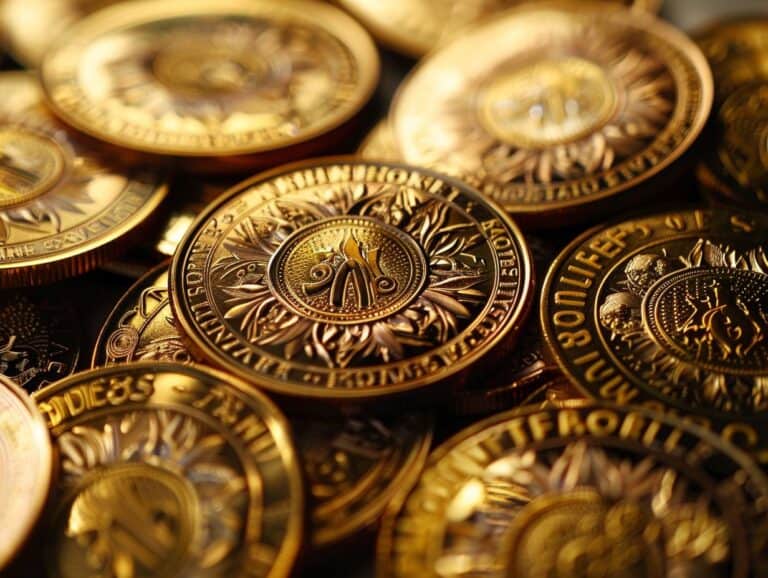
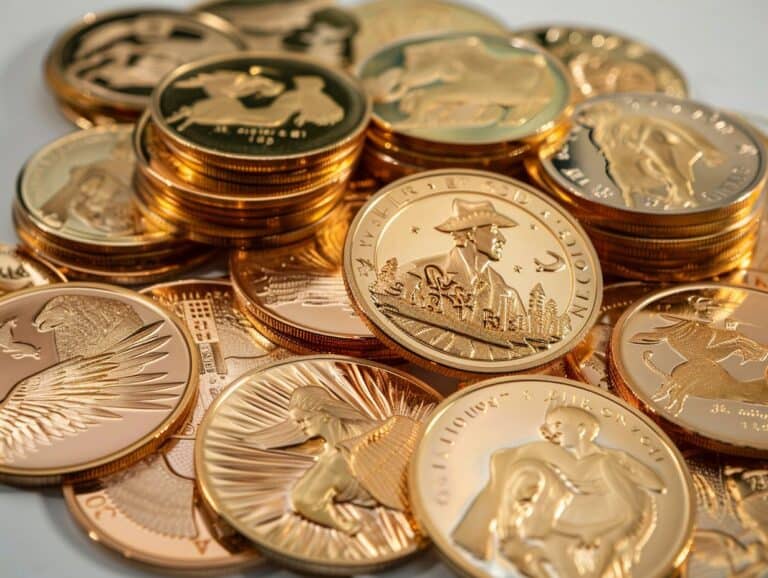
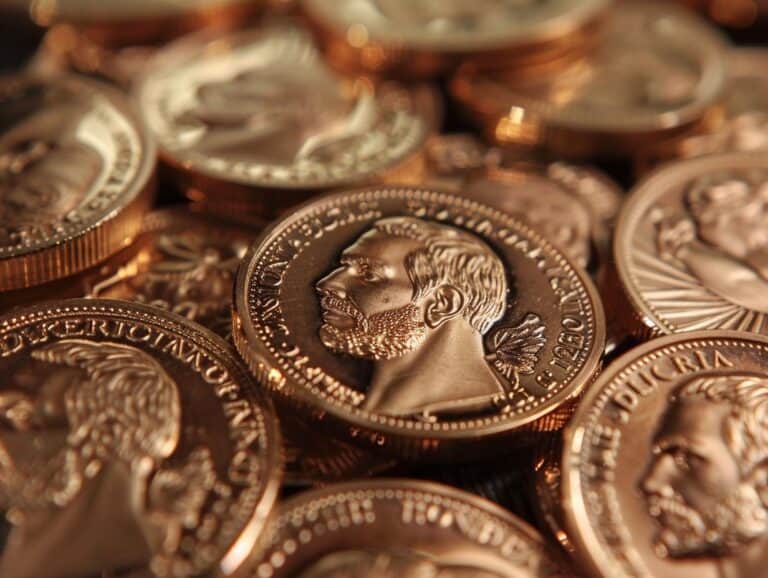
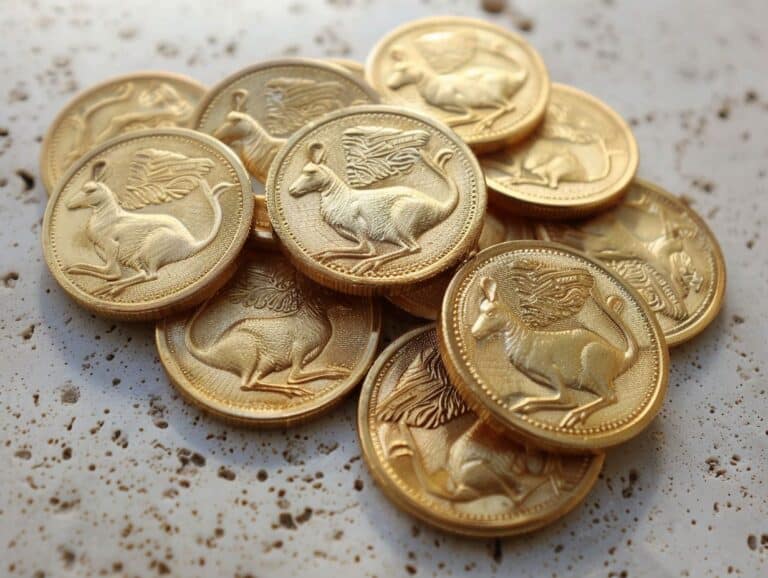
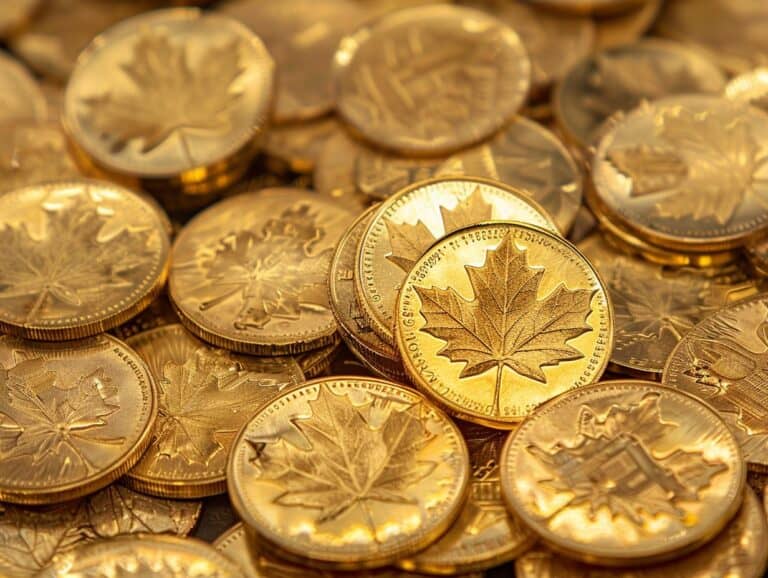
American Gold Eagle Rounds represent one of the most popular precious metals investments in the United States. They combine the security of government backing with the timeless appeal of gold ownership.
These coins have captured the attention of both seasoned investors and newcomers to precious metals since their introduction in 1986.
American Gold Eagle Rounds are 22-karat gold coins produced by the United States Mint, featuring iconic designs of Lady Liberty and the American bald eagle that symbolize freedom and strength. The coins offer multiple weight options and maintain consistent purity standards.
This makes them accessible to a wide range of investors and collectors.
Understanding the specifications, market value, and purchasing options for these coins helps investors make informed decisions about adding gold to their portfolios.
The combination of artistic design, government backing, and investment potential makes American Gold Eagle Rounds a compelling choice for those seeking to diversify their holdings with precious metals.
Key Takeaways
- American Gold Eagle Rounds are government-backed 22-karat gold coins that provide investors with a trusted precious metals investment option.
- These coins feature distinctive designs of Lady Liberty and the American bald eagle while offering multiple weight denominations from 1/10 oz to 1 oz.
- Investors can purchase these rounds through authorized dealers and benefit from both their bullion value and potential collectible appeal.
What Are American Gold Eagle Rounds?
American Gold Eagle rounds are privately minted gold bullion pieces. They differ from official government coins in legal tender status and backing.
These rounds contain precious metal content similar to coins but lack government guarantees and face values.
Distinct Features of Gold Rounds
Gold rounds share several key characteristics that distinguish them from other precious metal products. Most rounds contain one troy ounce of gold with purity levels ranging from .999 to .9999 fine gold.
The design freedom allows private mints to create unique artwork and themes. Many rounds feature patriotic American imagery, historical figures, or symbolic representations of liberty and freedom.
Physical specifications typically include:
- Standard diameter of 39mm for one-ounce pieces
- Thickness of approximately 2.5mm
- Weight of exactly one troy ounce
- Smooth or reeded edges
Rounds often display the weight, purity, and mint mark clearly on the surface. Some manufacturers add security features like micro-engraving or special finishes to prevent counterfeiting.
The production process involves striking gold blanks with specially designed dies. This creates detailed images and text that identify the round’s specifications and manufacturer.
Comparison: Coins vs. Rounds
The primary difference between American Gold Eagle coins and rounds lies in government backing and legal tender status. Official coins carry face values and full faith guarantees from the U.S. government.
Ready to Protect Your Retirement?
Request your free State-Specific Gold IRA information kit and take the first step toward securing your financial future with precious metals.
Free Gold IRA GuideKey distinctions include:
| Feature | Government Coins | Private Rounds |
|---|---|---|
| Legal tender | Yes | No |
| Face value | $50 (1 oz) | None |
| Government backing | Full guarantee | None |
| Premiums | Higher | Lower |
| Liquidity | Excellent | Good |
Gold bullion coins from the U.S. Mint undergo strict quality controls and authentication processes. Private rounds rely on the manufacturer’s reputation and third-party verification.
Pricing differences reflect these distinctions. Rounds typically sell for lower premiums over spot gold prices compared to government coins.
Recognition and acceptance vary globally. Government coins enjoy universal recognition while rounds may require additional verification during transactions.
Recognized Mints and Manufacturers
Several established private mints produce American-themed gold rounds with strong market recognition. These manufacturers build reputations through consistent quality and reliable gold content.
Leading private mints include:
- Sunshine Minting – Known for security features and anti-counterfeiting technology
- Highland Mint – Produces collectible and bullion rounds
- Provident Metals – Offers various patriotic designs
- Golden State Mint – Specializes in American historical themes
Each manufacturer maintains specific standards for gold purity and weight accuracy. Reputable mints provide certificates of authenticity and detailed product specifications.
Quality control measures include X-ray fluorescence testing and precise weight verification. These processes ensure rounds meet advertised gold content and purity levels.
Market acceptance depends largely on the mint’s reputation and track record. Established manufacturers command higher premiums and easier resale opportunities compared to lesser-known producers.
Some mints offer buyback programs or dealer networks that enhance liquidity for their products.
Specifications and Purity Standards
American Gold Eagle Rounds feature 22-karat gold composition with government-guaranteed purity standards. The coins are available in four standard sizes and use troy ounce measurements for precise weight specifications.
How Much Will Your Gold IRA Really Cost?
See exactly how much you'll pay in setup, annual, and storage fees. Get personalized company recommendations based on your investment amount and retirement timeline.
Calculate My Total FeesTypical Weights and Sizes
American Gold Eagle Rounds come in four standard denominations. Each size contains different amounts of pure gold content.
The 1 oz coin contains exactly one troy ounce of pure gold. This represents the most popular size among investors and collectors.
1/2 oz coins contain half a troy ounce of pure gold. These offer a mid-range investment option for buyers.
1/4 oz coins contain one-quarter troy ounce of pure gold. This size provides an accessible entry point for new investors.
The 1/10 oz coin contains 0.1 troy ounces of pure gold. This represents the smallest denomination available.
Each coin’s actual weight exceeds its gold content due to added copper and silver. The 1 oz coin weighs approximately 1.0909 troy ounces total.
Gold Fineness and Purity Markings
American Gold Eagles use 22-karat gold with .9167 fineness. This means each coin contains 91.67% pure gold by weight.
The remaining 8.33% consists of copper and silver alloys. These metals increase durability and scratch resistance compared to pure gold.
The .9167 fine gold standard was established over 350 years ago. This proven composition provides optimal balance between purity and durability.
Each coin displays purity markings on the obverse side. The markings clearly indicate the gold content and fineness level.
The U.S. government guarantees the weight, purity, and content of every American Gold Eagle.
Measuring in Troy Ounces
Gold bullion uses troy ounces as the standard measurement unit. One troy ounce equals 31.1035 grams or 1.0971 regular ounces.
Don't Pay More Taxes Than You Have To
The wrong Gold IRA choice could cost you thousands in unnecessary taxes. See exactly how much you'll pay in taxes with a Traditional vs. Roth Gold IRA. Compare both options side-by-side based on your age, income, and retirement timeline.
Troy ounces differ from standard avoirdupois ounces used for everyday items. The troy system provides greater precision for precious metals trading.
Each American Gold Eagle specifies its troy ounce content clearly. The 1 oz coin contains exactly one troy ounce of pure gold despite weighing more overall.
Gold bullion dealers and investors use troy ounces for all transactions. This universal standard ensures consistent pricing and trading worldwide.
The troy ounce measurement appears prominently on each coin’s design. This marking helps verify authenticity and gold content for buyers and sellers.
Design Elements and Symbolism
The American Gold Eagle features artwork from two master artists whose designs capture America’s spirit of liberty and strength. The coin’s imagery draws from classical American numismatic traditions while incorporating modern minting techniques that enhance both beauty and security.
Augustus Saint-Gaudens Influences
Augustus Saint-Gaudens created one of America’s most celebrated coin designs for the $20 gold piece from 1907 to 1933. His iconic Lady Liberty design was modernized for the American Gold Eagle’s obverse side.
The design shows Lady Liberty striding forward with confidence. Her hair flows in the wind as she holds a torch in her right hand and an olive branch in her left.
Saint-Gaudens’ original artwork is widely considered the most beautiful in American coinage history. The intricate details of Liberty’s flowing robes and the sun’s rays create a sense of movement and energy.
The word “LIBERTY” arches above the figure. The year of minting appears to her right, maintaining the classic layout from the original design.
Obverse and Reverse Motifs
The obverse features Lady Liberty as a symbol of enlightenment and peace. The torch represents knowledge and freedom, while the olive branch symbolizes America’s desire for peaceful relations.
Miley Busiek designed the reverse side, which shows a family of eagles in their nest. A male eagle carrying an olive branch descends toward a female eagle and her hatchlings.
This eagle family scene represents American values of family unity and protection. The male eagle’s outstretched wings span nearly the full width of the coin.
The reverse includes several inscriptions around the edge:
Gold IRA Company Comparison Checklist
Before choosing a Gold IRA company, use our comprehensive checklist to compare fees, reputation, storage options, and customer service ratings.
Download Checklist- “UNITED STATES OF AMERICA”
- “E PLURIBUS UNUM”
- “IN GOD WE TRUST”
The coin’s weight and purity are also marked on the reverse side.
Evolution of American Iconography
The bald eagle became America’s national bird in 1782 when Congress adopted it as the country’s emblem. The eagle symbolizes strength and freedom in American culture.
Lady Liberty has appeared on U.S. coins since the late 1700s. She represents the nation’s founding principles of democracy and individual rights.
The American Gold Eagle combines these two powerful symbols on one coin. This pairing creates a complete picture of American ideals from liberty to strength.
The design choices reflect both historical significance and artistic excellence. They connect modern investors to America’s numismatic heritage.
Modern Artwork and Mint Techniques
The U.S. Mint uses advanced striking techniques to bring out fine details in both designs. Multiple strikes with high pressure create sharp, clear images on each coin.
The 22-karat gold alloy gives the coins a distinctive warm, reddish color. This composition makes them more durable than pure gold coins while maintaining their precious metal value.
Modern proof versions feature mirror-like backgrounds with frosted raised surfaces. Special burnishing techniques create different finishes for collector editions.
Security features have been enhanced over the years to prevent counterfeiting. These improvements maintain the coin’s integrity in the global marketplace.
The reeded edges add both visual appeal and security. This traditional coin feature makes tampering more difficult to conceal.
Investment Value and Market Demand
American Gold Eagle rounds offer investors exposure to gold bullion with government backing and high market recognition. Their value depends on gold prices, market conditions, and liquidity factors that make them attractive for both new and experienced investors.
Factors Influencing Value
American Gold Eagle values track closely with spot gold prices plus a premium that varies based on market conditions. The premium typically ranges from 3% to 8% above gold content value.
Reserved for Portfolios of $500K or More
Your portfolio qualifies you for an exclusive one-on-one web conference with a senior precious metals advisor, priority service, and direct access to strategies reserved for our most valued clients.
Request Your Exclusive GuideKey Price Drivers:
- Gold spot price – Primary determinant of base value
- Supply and demand – Affects premium levels
- Economic uncertainty – Increases safe-haven demand
- Currency strength – Weak dollar often boosts gold appeal
Supply and demand dynamics significantly impact market value. When demand exceeds available supply, prices rise above typical premiums.
Economic factors play a major role in value fluctuations. During inflation or market volatility, investors often turn to gold bullion as a hedge against economic uncertainty.
Interest rates also influence demand. Lower rates make non-yielding assets like gold more attractive compared to interest-bearing investments.
Market Liquidity and Recognizability
American Gold Eagles rank among the world’s leading gold bullion coins due to their high demand and government backing. This recognition creates excellent liquidity in global markets.
Liquidity Advantages:
- Instant recognition by dealers worldwide
- Standardized content (22-karat gold)
- Government guarantee of weight and purity
- Active secondary market for buying and selling
Sovereign coins like Gold Eagles are easily recognizable and trade at higher premiums than bars. This recognition makes them easier to sell quickly when needed.
Dealers readily buy and sell these coins due to their trusted reputation. The consistent demand ensures investors can convert their holdings to cash without significant delays or price concessions.
Storage, Security, and Insurance
Proper storage protects investment value and ensures coins remain in good condition. Physical gold requires secure storage solutions that protect against theft and environmental damage.
Storage Options:
- Home safes – Convenient but requires insurance
- Bank safety deposit boxes – Secure but limited access
- Professional depositories – Highest security with insurance
- IRA-approved facilities – Required for retirement accounts
Gold Eagles can be included in Individual Retirement Accounts for tax advantages. IRA gold must be stored in approved depositories to maintain tax benefits.
Insurance costs vary based on storage method and coverage amount. Home storage typically requires separate riders on homeowner’s policies.
Professional storage facilities offer segregated storage options where individual coins remain separate from other holdings. This provides additional security and makes insurance claims easier to process.
Your Complete Gold IRA Beginner's Guide
No confusing jargon. No pressure. Just clear answers about how Gold IRAs work, what they cost, and whether they're right for your retirement. Get the facts before you invest.
Get Your Free Starter GuideCollecting American Gold Eagle Rounds
American Gold Eagle collecting involves choosing from four different sizes, understanding rare variants, and proper storage methods. The American Gold Eagle series offers multiple denominations and finish types that appeal to different collecting strategies.
Popular Sizes and Editions
The American Gold Eagle comes in four standard sizes that collectors commonly pursue. The 1-ounce coin carries a $50 face value and remains the most popular choice among collectors.
The half-ounce version has a $25 face value and measures 1.063 inches in diameter. Quarter-ounce coins carry $10 denominations with 0.866-inch diameters.
The smallest option is the 1/10-ounce coin with a $5 face value. This coin measures just 0.650 inches across, making it smaller than a dime.
Common Collecting Approaches:
- By Year: Acquiring one coin from each minting year
- By Denomination: Focusing on specific sizes like $5 or $50 coins
- By Mint Location: Collecting coins from Philadelphia and West Point facilities
Most collectors start with smaller denominations due to lower costs. The 1/10-ounce coins provide an affordable entry point into the series.
Collectible Variants and Rarities
Different finish types create collecting opportunities beyond standard bullion coins. Proof coins feature polished surfaces with high contrast and come in protective cases with certificates.
Burnished coins have matte finishes and are hand-loaded during production. These coins carry “W” mint marks from West Point.
Notable Rarities:
- 1999 $5 and $10 coins with “W” mint marks (minting errors)
- First-year 1986 proof coins in 1-ounce size only
- Type-1 design coins (1986-2020) versus Type-2 (2021-present)
The 2021 design change created two distinct collecting categories. Type-1 coins feature the family of eagles reverse design, while Type-2 coins show a close-up eagle profile.
Reverse proof coins offer frosted surfaces with mirrored design elements. These special editions appear less frequently than standard proofs.
Care, Handling, and Display
Proper handling preserves coin values and prevents damage. Collectors should never touch coins with bare hands, as oils and acids cause permanent marks.
Don't Choose Blindly
Selecting the right Gold IRA company is crucial for your retirement. Use our comprehensive comparison checklist to evaluate providers and make the best decision for your financial future.
Get Your ChecklistCotton gloves provide the best protection during handling. Hold coins by their edges rather than flat surfaces to avoid fingerprints.
Storage Solutions:
- Individual coin capsules for high-value pieces
- Coin albums with protective pages
- Safety deposit boxes for valuable collections
- Climate-controlled environments to prevent tarnishing
Scratches and handling marks reduce overall appeal and potential resale values. Professional grading services evaluate coin conditions for collectors planning future sales.
Display cases should protect coins from direct sunlight and humidity. Avoid storing coins in areas with temperature fluctuations or high moisture levels.
How to Buy and Sell American Gold Eagle Rounds
Buying and selling American Gold Eagle rounds requires careful selection of dealers, understanding premiums over spot price, and considering transaction costs. Smart buyers research dealer reputations and compare prices across multiple platforms.
Choosing Reputable Dealers
Finding trustworthy dealers protects buyers from counterfeit coins and unfair pricing. Established online dealers like APMEX offer authentication guarantees and competitive pricing for gold bullion purchases.
Key dealer qualities to verify:
- Better Business Bureau accreditation
- Professional coin grading service partnerships
- Transparent pricing with no hidden fees
- Secure shipping and insurance options
Local coin shops provide immediate transactions but may offer limited inventory. Buyers should visit multiple shops to compare prices before making purchases.
Online marketplaces like eBay require extra caution due to counterfeit risks. Buyers should only purchase from sellers with high ratings and return policies.
Red flags to avoid:
- Prices significantly below market value
- No physical address or contact information
- Pressure to buy immediately
- Requests for unusual payment methods
Transaction Considerations
Payment methods affect transaction security and costs. Most dealers accept wire transfers, checks, and credit cards with varying fees and processing times.
Wire transfers typically offer the lowest fees but require 1-3 business days for processing. Credit cards provide buyer protection but often include 3-4% surcharges.
Storage and insurance decisions:
How Gold Performed During Every Stock Market Crash
See the data: when stocks dropped 19.4% in 2022, gold only fell 4.3%. Compare gold's downside protection across decades of market volatility and economic crises.
Compare Crash Performance- Home storage requires a quality safe
- Bank safety deposit boxes offer security
- Professional storage services provide insurance
Shipping costs range from $25-50 for insured delivery. Buyers should factor these costs into their total investment calculations.
Tax implications vary by state and purchase amount. Some states exempt precious metals from sales tax, while others charge full rates.
Spot Price and Premiums
Gold bullion prices include the current spot price plus dealer premiums. American Gold Eagle rounds typically carry premiums of $75-150 per ounce above spot price.
Factors affecting premiums:
- Coin condition and certification
- Market demand fluctuations
- Dealer inventory levels
- Purchase quantity discounts
Spot prices fluctuate throughout trading hours, making timing important for both buyers and sellers. Prices update every few seconds during market hours.
Bulk purchases often reduce per-ounce premiums. Dealers may offer discounts for orders of 20 or more coins.
Premium comparison by purchase size:
- 1-4 coins: $120-150 premium
- 5-19 coins: $100-130 premium
- 20+ coins: $75-110 premium
Selling premiums are typically lower than buying premiums. Dealers usually pay spot price or slightly above for common date coins in good condition.
Frequently Asked Questions
American Gold Eagle coins come in four distinct sizes and contain 22-karat gold with copper alloy. Their value depends on gold spot prices plus premiums, and they can be purchased from authorized dealers nationwide.
What are the different sizes available for American Gold Eagle coins?
American Gold Eagle coins are available in four sizes: 1 oz, 1/2 oz, 1/4 oz, and 1/10 oz. Each size offers different investment options for buyers with varying budgets.
The 1 oz coin is the most popular choice among investors. The fractional sizes allow people to start investing in gold with smaller amounts of money.
All sizes feature the same design with Lady Liberty on the front and the American bald eagle on the back. The coins maintain the same proportional dimensions regardless of size.
How is the value of an American Eagle Gold coin determined?
The value of an American Gold Eagle coin depends on the current gold spot price plus a premium above that price. The premium covers minting costs, dealer markup, and demand factors.
Gold spot prices change throughout each trading day based on market conditions. Economic uncertainty, inflation, and currency fluctuations affect gold prices.
Plan Your Gold IRA Distributions Strategically
Calculate which ounces to sell, when to take distributions, and how to minimize tax impact. Get your personalized RMD strategy based on current gold prices and IRS tables.
Create My RMD PlanThe premium typically ranges from 3% to 10% above the spot price of gold. Popular sizes like the 1 oz coin usually have lower premiums than smaller fractional coins.
What is the composition of an American Gold Eagle coin?
American Gold Eagle coins contain 22-karat gold with a small amount of copper and silver alloy. The gold purity is 91.67%, which makes the coins more durable than pure gold.
The copper content gives the coins their distinctive color and helps prevent scratching. Pure gold is too soft for regular handling and storage.
Each coin contains exactly one troy ounce of pure gold regardless of the total weight. The 1 oz coin actually weighs 1.0909 troy ounces due to the added alloy metals.
Where can one purchase American Gold Eagle coins?
American Gold Eagle coins can be purchased from authorized precious metals dealers, coin shops, and online bullion retailers. Reputable dealers like JM Bullion offer certified coins with guaranteed authenticity.
Local coin shops provide the opportunity to examine coins before purchase. Online dealers often offer competitive pricing and larger inventory selections.
Banks and credit unions sometimes carry American Gold Eagles but typically charge higher premiums. Always verify dealer credentials and check customer reviews before making purchases.
What factors influence the price of a 1 oz American Gold Eagle?
The 1 oz American Gold Eagle price fluctuates based on gold spot prices, dealer premiums, and market demand. Supply and demand dynamics affect how much buyers pay above the gold content value.
Economic conditions like inflation and currency weakness typically increase gold demand. Political uncertainty and stock market volatility also drive investors toward gold.
Dealer inventory levels and production schedules from the US Mint impact availability. Limited supply during high demand periods can increase premiums significantly.
How do the values of American Eagle Gold coins change over time?
American Eagle Gold coin values generally follow gold price trends over time. The coins have maintained their value since their introduction in 1986, with periods of significant growth during economic uncertainty.
Gold prices reached historic highs during the 2008 financial crisis and again during the COVID-19 pandemic. Long-term holders typically benefit from gold’s role as an inflation hedge.
Rare dates, mint errors, and special editions may develop numismatic value beyond their gold content. Most common-date coins trade primarily based on their precious metal value rather than collector premiums.




One More Thing...
If you're serious about protecting your retirement, get the complete Gold IRA guide. It's free, there's no obligation, and it could be one of the smartest financial decisions you make.
Get Your Guide