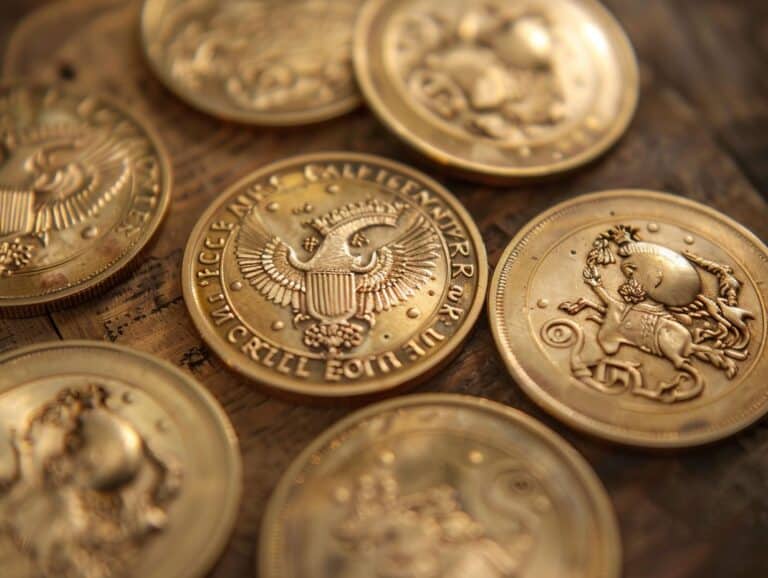
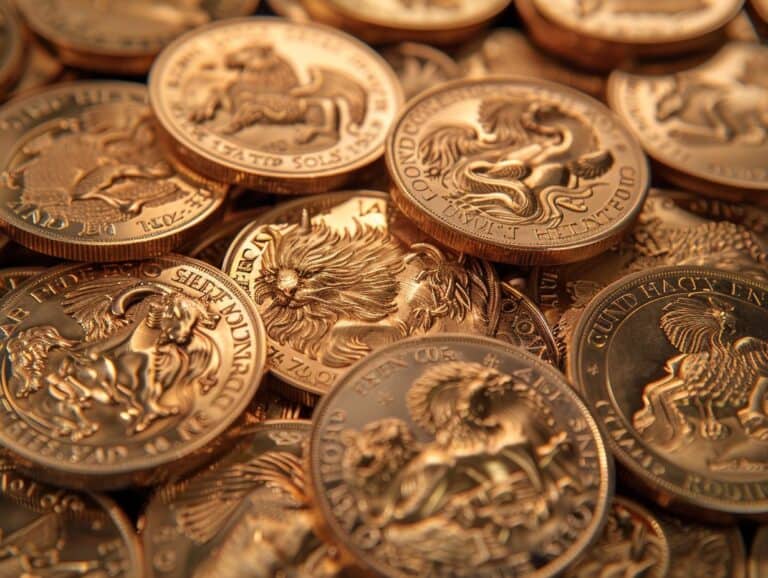
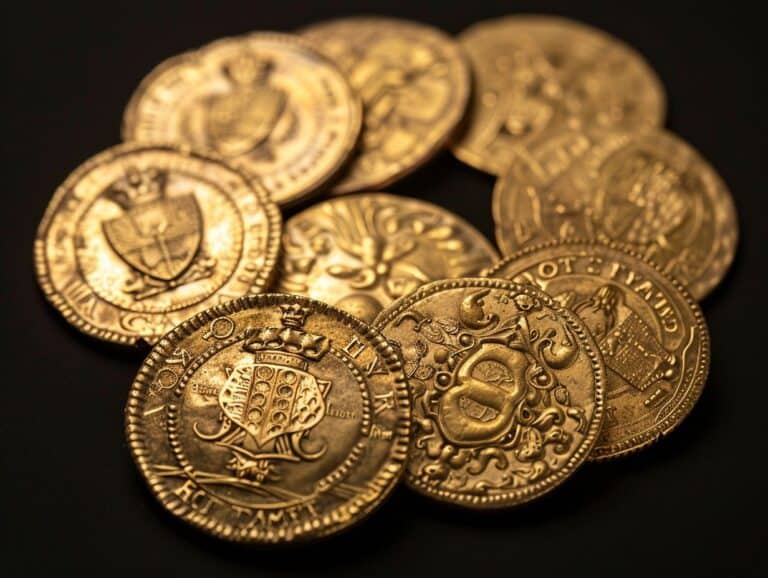
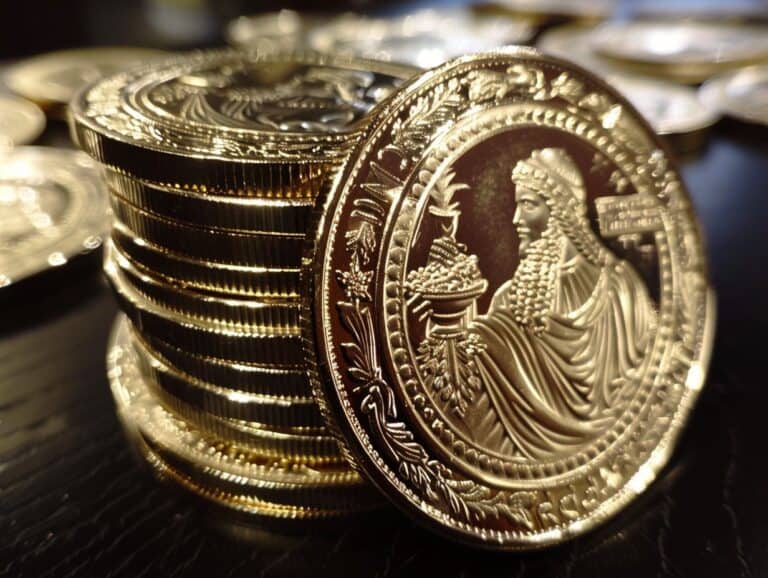
Greek gold drachmas represent one of the most fascinating chapters in ancient monetary history. The ancient drachma was used as currency by Greek city-states for over ten centuries, spanning from the Archaic period through the Roman era. These coins served not only as money but also as symbols of political power and artistic achievement across the Mediterranean world.
Greek gold drachmas are highly valued by collectors today due to their historical significance, craftsmanship, and rarity, with some modern examples like the 1884 gold 20 drachmai featuring King George I being particularly sought after. Modern Greek gold drachmas from the 19th century continue to attract numismatists and investors who appreciate their connection to Greek heritage and their intrinsic precious metal content.
The story of Greek gold drachmas extends beyond ancient times into the modern era. Greece issued commemorative gold drachmas as recently as 2002, marking the end of the drachma’s circulation before the euro adoption. These coins bridge thousands of years of Greek monetary tradition and offer insights into the evolution of currency, art, and culture.
Key Takeaways
- Greek gold drachmas were used for over 1,000 years and represent one of history’s most enduring currency systems
- These coins showcase exceptional craftsmanship and serve as important artifacts of ancient Greek art and politics
- Modern collectors highly value both ancient and 19th-century Greek gold drachmas for their historical significance and precious metal content
Historical Significance of Greek Gold Drachmas
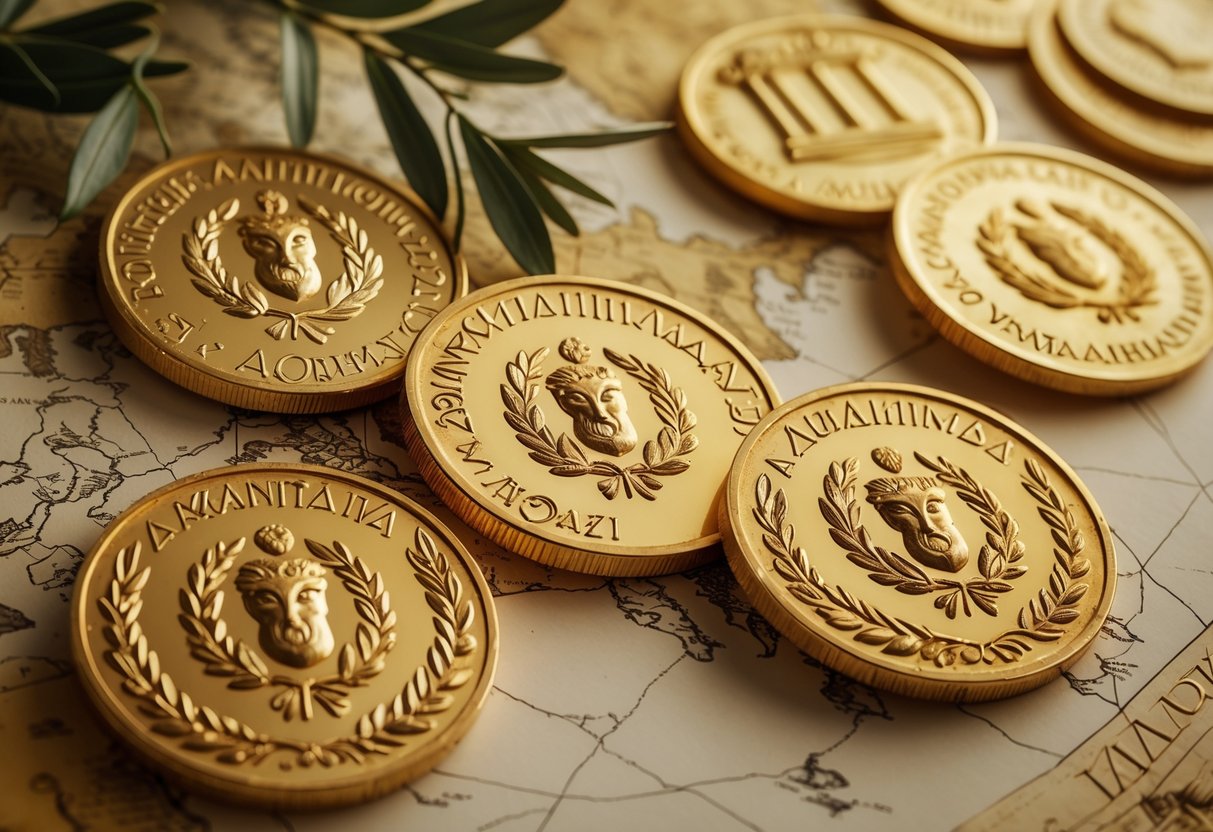
The Greek Gold Drachmas originated in ancient Greece during the Archaic period and became one of the world’s most influential currencies. These coins shaped Mediterranean trade networks and reached their peak under Alexander the Great’s conquests, spreading Greek monetary standards across three continents.
Origins and Evolution in Ancient Greece
The drachma emerged as an ancient currency unit issued by many city-states during a ten-century period from the Archaic through Roman periods. The name derives from the Greek verb meaning “to grasp,” with its original value equivalent to a handful of arrows.
King Pheidon of Argos imposed the drachma in Greece as a replacement for the obol around the 6th century BC. This standardization occurred about a century after the first coins were minted in Lydia.
Key Development Timeline:
- 7th century BC: First coins minted in Lydia
- 6th century BC: Drachma established in Greece
- Classical period: Widespread adoption across city-states
The gold drachmas evolved from earlier silver versions, representing increased wealth and prestige. Different city-states developed their own variations while maintaining the basic drachma standard.
Role in Greek History and Economy
The drachma served as a cornerstone of the ancient Greek monetary system, facilitating trade, economic transactions, and cultural exchange throughout the Mediterranean. Its stability and recognition made it one of the most widely used coins in the ancient world.
Greek merchants relied on drachmas for international commerce. The coins’ consistent weight and purity established trust in trade relationships across different regions.
Primary Uses:
Ready to Protect Your Retirement?
Request your free State-Specific Gold IRA information kit and take the first step toward securing your financial future with precious metals.
Free Gold IRA Guide- Daily commercial transactions
- Tax payments to city-states
- Religious offerings to gods
- Payment of military wages
The spread of Greek coins fostered economic integration across the Mediterranean. The drachma’s stability allowed Greek merchants to expand their influence and establish trading networks from Egypt to Asia Minor.
Athens became particularly influential in coinage standards. Athenian drachmas set quality benchmarks that other city-states adopted, creating a more unified monetary system.
Alexander the Great and His Influence
Alexander the Great’s reign marked the peak period for Greek Gold Drachmas, with widespread circulation across the Hellenistic kingdoms and significant impact on Middle Eastern coinage systems. His conquests spread Greek monetary standards from Egypt to India.
Alexander’s gold drachmas featured classical Greek motifs and symbols of power. These coins showcased exceptional craftsmanship with detailed depictions of gods, goddesses, and mythological creatures.
Alexander’s Monetary Impact:
- Standardized coinage across conquered territories
- Introduced Greek designs to local populations
- Established trade currency for the Hellenistic world
The coins minted under Alexander’s authority became instrumental in facilitating trade across his vast empire. They represented both economic value and political authority, reflecting the reach of Macedonian power.
These drachmas influenced local currencies in regions like Armenia, where they affected the development of the Armenian dram. The Arabic unit dirham also shows Greek influence through Alexander’s monetary legacy.
Alexander’s gold drachmas continued circulating long after his death, maintaining their value and recognition throughout the Hellenistic period.
Physical Characteristics and Craftsmanship
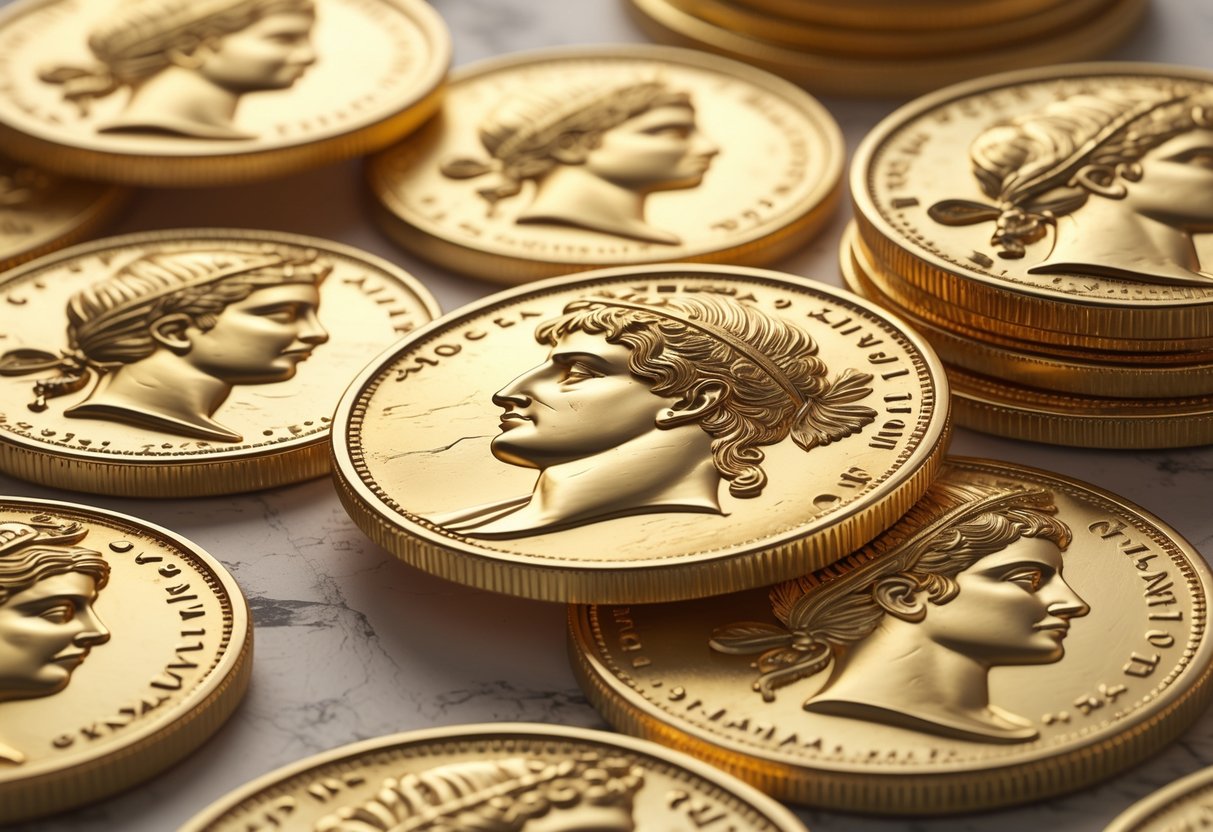
Greek gold drachmas displayed exceptional artistry through detailed designs featuring gods, heroes, and city symbols. Ancient Greek minters used advanced techniques to create coins with precise weight standards and high gold content.
Design Elements and Symbols
Greek gold drachmas featured intricate artwork that reflected the culture and beliefs of ancient Greece. Each coin displayed carefully crafted images of gods, goddesses, and mythological figures.
How Much Will Your Gold IRA Really Cost?
See exactly how much you'll pay in setup, annual, and storage fees. Get personalized company recommendations based on your investment amount and retirement timeline.
Calculate My Total FeesCommon designs included the head of Athena, the goddess of wisdom and warfare. The owl, her sacred animal, often appeared on the reverse side. These symbols represented the power and protection of the gods.
City-states created unique designs to show their identity. Athens used the image of Athena and her owl. Corinth featured the winged horse Pegasus. Each design told a story about the city’s history and values.
The intricate designs often showcased gods, heroes, and symbols of power. These artistic elements made each drachma a work of art as well as currency.
Minting Techniques and Materials
Ancient Greek minters used advanced techniques to create gold drachmas with consistent quality. They heated gold to high temperatures and poured it into molds to form blank coins.
Workers then placed the blank coins between two metal dies. They hammered the top die to press the design into both sides of the coin. This process required great skill to create clear, detailed images.
The gold used in drachmas came from mines in Greece and other parts of the Mediterranean. Minters often mixed gold with small amounts of silver to make the coins harder and more durable.
Quality control was important in ancient Greek minting. Officials checked each coin’s weight and purity to maintain trust in the currency. This attention to detail helped Greek gold drachmas gain acceptance across the ancient world.
Denominations and Divisions
The drachma system used multiple denominations to meet different trading needs. The basic unit was the drachma, but larger and smaller coins existed for various transactions.
The tetradrachma was worth four drachmas and became the most widely used denomination. The tetradrachma was the most widely-used denomination for major purchases and international trade.
Don't Pay More Taxes Than You Have To
The wrong Gold IRA choice could cost you thousands in unnecessary taxes. See exactly how much you'll pay in taxes with a Traditional vs. Roth Gold IRA. Compare both options side-by-side based on your age, income, and retirement timeline.
Smaller denominations included the obol, worth one-sixth of a drachma. Six obols equaled one drachma. The didrachma was worth two drachmas and served as a middle denomination.
Gold coins typically came in higher denominations due to gold’s greater value. Most everyday transactions used silver drachmas, while gold drachmas were reserved for large purchases or stored as wealth.
Geographic Distribution and Circulation
Greek gold drachmas spread from major city-states like Athens throughout the Mediterranean world, reaching distant territories through trade networks. The ancient drachma circulated across multiple regions during ten centuries of Greek influence.
Spread Across Ancient Greek City-States
Athens dominated early gold drachma production and circulation. The city’s economic power made its coins the standard for trade across Greek territories.
Other major city-states developed their own drachma systems. Corinth, Sparta, and Aegina each minted distinct versions with local symbols and weights.
Regional variations emerged based on local silver and gold supplies. Greek city-states issued drachmas with different designs reflecting their unique identities and religious beliefs.
Trade routes connected these city-states economically. Merchants carried drachmas between regions, creating a network of accepted currency across the Greek world.
The coins’ standardized weights made them practical for long-distance commerce. This consistency helped establish the drachma as a trusted medium of exchange.
Expansion into Hellenistic and Foreign Regions
Alexander the Great’s conquests spread Greek currency systems eastward. His armies carried drachmas into Asia Minor, Egypt, and as far as India.
The Hellenistic period saw widespread distribution of Greek coins throughout the Mediterranean and Black Sea regions. Colonial cities like Callatis struck their own drachmas while maintaining Greek standards.
Gold IRA Company Comparison Checklist
Before choosing a Gold IRA company, use our comprehensive checklist to compare fees, reputation, storage options, and customer service ratings.
Download ChecklistRoman territories adopted Greek monetary practices before developing their own systems. The Greek drachma influenced Roman currency design and weight standards.
Archaeological evidence shows drachmas reached northern Europe and North Africa. These discoveries prove the extensive reach of Greek economic influence.
The coins facilitated cultural exchange beyond simple commerce. Greek artistic and religious symbols on drachmas spread Hellenic culture throughout the ancient world.
Numismatic Value and Collecting
Greek gold drachmas represent some of the most prized ancient coins in numismatics today. Their value stems from historical significance, artistic craftsmanship, and extreme rarity in the modern collecting market.
Importance in Numismatics
Greek gold drachmas hold exceptional status among ancient coin collectors and numismatists. These coins showcase the pinnacle of ancient Greek artistry and monetary systems.
The numismatic community values gold drachmas for their historical documentation of ancient Greek civilization. Each coin provides evidence of political systems, religious beliefs, and artistic achievements from specific time periods.
Key factors driving numismatic importance:
- Historical documentation of ancient Greek city-states
- Artistic excellence in coin design and execution
- Monetary system evidence showing ancient economic structures
- Cultural significance representing Greek mythology and politics
Collectors prize these coins for their connection to major historical figures like Alexander the Great. The coins serve as tangible links to ancient Mediterranean trade networks and political systems.
Advanced collectors often focus on specific regions or time periods. Athens, Syracuse, and other major city-states produced distinctive gold drachma designs that appeal to specialized collectors.
Rarity and Notable Examples
Gold drachmas are among the rarest ancient Greek coins available to collectors today. Most surviving examples exist in museums or private collections built over decades.
Reserved for Portfolios of $500K or More
Your portfolio qualifies you for an exclusive one-on-one web conference with a senior precious metals advisor, priority service, and direct access to strategies reserved for our most valued clients.
Request Your Exclusive GuideThe scarcity stems from several factors. Ancient Greeks primarily used silver for drachmas, making gold versions exceptional even in antiquity. Many gold coins were melted down throughout history for their precious metal content.
Notable rare examples include:
- Syracuse dekadrachms from the 5th century BC
- Alexander III gold staters from Macedonia
- Ptolemaic gold drachmas from Egypt
- Bactrian gold coins from the Hellenistic period
Auction prices for quality specimens can reach tens of thousands of dollars. Condition plays a crucial role in determining value, with well-preserved examples commanding premium prices.
Authentication remains critical in this market. Professional grading services help collectors verify authenticity and condition of these valuable ancient coins.
Cultural and Artistic Impact
Greek gold drachmas served as powerful symbols in ancient society, appearing in religious ceremonies and artistic works that reflected the wealth and values of Greek civilization. These coins carried deep spiritual meaning and influenced artistic traditions that extended far beyond their monetary value.
Depictions in Ancient Art and Literature
Greek gold drachmas frequently appeared in ancient pottery, sculptures, and wall paintings as symbols of prosperity and divine favor. Artists often depicted gods and heroes holding or receiving these precious coins in temple frescoes and ceremonial vessels.
Ancient Greek writers referenced gold drachmas in their works to convey wealth, power, and social status. Epic poems and theatrical plays used these coins as plot devices to show character transformations or divine interventions.
The intricate designs on Greek gold drachmas themselves became artistic subjects. Craftsmen copied the coin imagery onto jewelry, household items, and decorative objects throughout the Mediterranean world.
Literary works from the Hellenistic period describe gold drachmas as offerings to gods and rewards for heroic deeds. These references helped establish the cultural significance of the coins beyond their economic function.
Symbolism and Religious Uses
Gold drachmas held sacred meaning in ancient Greek religious practices. Temples used these coins in purification rituals and as offerings to specific deities associated with wealth and prosperity.
Your Complete Gold IRA Beginner's Guide
No confusing jargon. No pressure. Just clear answers about how Gold IRAs work, what they cost, and whether they're right for your retirement. Get the facts before you invest.
Get Your Free Starter GuideThe owl and Athena imagery on Athenian gold drachmas became powerful religious symbols. Worshippers believed these coins carried the goddess’s protection and wisdom when used in ceremonies.
Religious festivals incorporated gold drachmas into traditional practices:
- Temple offerings during harvest celebrations
- Burial customs for wealthy citizens
- Oracle consultations as payment for prophecies
- Victory celebrations honoring successful military campaigns
Mystery religions used gold drachmas as initiation tokens. The coins’ precious metal content represented spiritual purity and the candidate’s commitment to sacred teachings.
Greek colonies spread these religious uses throughout the Mediterranean, making drachma symbolism part of Hellenistic culture.
Modern Legacy and Commemorative Issues
Greece has maintained the drachma’s legacy through special commemorative gold coins and carefully managed the historic transition to the euro. The Bank of Greece issued commemorative coins throughout the 20th century to honor significant events and preserve monetary heritage.
Modern Gold Drachma Coins
The Bank of Greece produced various commemorative gold drachma coins during the currency’s final decades. From 1975 onwards, commemorative coins ranged from 50 drachma to 20,000 drachma in gold denominations.
These coins featured diverse themes including sporting events. The Pan-European Games in 1981 and Chess Olympiad in 1988 received special commemorative issues.
Key specifications for modern gold drachmas:
- Denominations: 2,500 to 20,000 drachma
- Metal: Gold (various purities)
- Production: Limited mintages
- Themes: Sports, cultural events, historical commemorations
Early commemorative coins from 1940-1967 were minted in Birmingham, Paris, Vienna, and Prague. After 1978, all commemorative Greek coins were produced domestically in Athens.
Transition from Drachma to Euro
The greek drachma officially ended circulation in January 2002 when Greece adopted the euro. The drachma served as Greece’s official currency from 1832 until the euro launch in 2001.
The Greek Finance Ministry created a final tribute to the historic currency. On February 26, 2002, they announced plans for 10,000 commemorative gold drachmas after the currency’s withdrawal.
Don't Choose Blindly
Selecting the right Gold IRA company is crucial for your retirement. Use our comprehensive comparison checklist to evaluate providers and make the best decision for your financial future.
Get Your ChecklistFinal commemorative gold coin specifications:
- Mintage: 10,000 pieces
- Weight: 8.5 grams
- Diameter: 24.00 mm
- Purity: 916.7/1000 gold (22K)
- Quality: Proof finish
The gold coin replicated the last circulating one-drachma design. One side featured a sailing ship, while the other displayed Greek independence heroine Bouboulina.
The Bank of Greece sold these coins for €230 each with an 18% VAT included. They required identification from each buyer to prevent coin dealers from acquiring the entire supply.
Frequently Asked Questions
Ancient Greek gold drachmas present unique challenges for collectors and investors. Their value depends on multiple factors including historical context, authenticity verification, and market conditions.
What factors determine the value of ancient Greek gold drachmas?
The weight and purity of Greek gold drachmas serve as primary value determinants. Ancient mints maintained specific weight standards, with variations affecting purchasing power and acceptance in trade.
Rarity plays a crucial role in modern valuations. Coins from specific regions or time periods command higher prices due to limited surviving examples.
Condition significantly impacts worth. Well-preserved specimens with clear designs and minimal wear fetch premium prices compared to damaged examples.
Historical provenance adds substantial value. Coins with documented histories or connections to major historical events or figures increase in worth.
Market demand fluctuates based on collector interest and investment trends. Popular rulers like Alexander the Great generate consistent buyer interest.
How does the historical significance of Greek gold drachmas influence their price?
Notable Greek gold drachmas from Alexander the Great’s reign command premium prices due to their widespread circulation across Hellenistic kingdoms. These coins represent the peak of ancient Greek monetary influence.
How Gold Performed During Every Stock Market Crash
See the data: when stocks dropped 19.4% in 2022, gold only fell 4.3%. Compare gold's downside protection across decades of market volatility and economic crises.
Compare Crash PerformanceRegional significance affects pricing. Athenian drachmas often carry higher values due to Athens’ historical importance as a major trading center.
Political connections enhance worth. Coins associated with major historical events or famous rulers attract collectors willing to pay elevated prices.
Cultural impact influences demand. Drachmas featuring important deities or mythological scenes appeal to collectors interested in ancient Greek religion and culture.
Where can collectors find authentic Greek gold drachmas for sale?
Reputable coin dealers specializing in ancient numismatics provide the most reliable sources. These professionals offer authentication services and guarantee authenticity.
Major auction houses regularly feature ancient Greek coins. Established firms provide detailed provenance information and expert evaluations.
Numismatic shows offer opportunities to examine coins in person. Collectors can compare multiple examples and consult with experts before purchasing.
Online marketplaces require extreme caution. Buyers should verify seller credentials and request detailed photographs and documentation before making purchases.
What are the characteristics of a rare Greek gold drachma coin?
Limited mintage numbers create rarity. Coins produced in small quantities or for short periods become highly sought after by collectors.
Unique design elements distinguish rare examples. Unusual artistic motifs or experimental designs increase desirability among numismatists.
Exceptional preservation defines valuable specimens. Coins showing minimal wear with sharp details command significant premiums.
Historical documentation adds rarity value. Coins with traced ownership histories or archaeological context become more valuable than anonymous examples.
Plan Your Gold IRA Distributions Strategically
Calculate which ounces to sell, when to take distributions, and how to minimize tax impact. Get your personalized RMD strategy based on current gold prices and IRS tables.
Create My RMD PlanError coins possess special appeal. Minting mistakes or variations from standard designs create unique collectibles with enhanced worth.
How are ancient Greek gold coins evaluated for authenticity and value?
Professional numismatists examine weight against historical standards. Ancient Greek coinage operated on specific weight standards with the Attic standard based on a 4.3-gram drachma being most widely used.
Experts analyze artistic style and craftsmanship. Authentic coins display consistent artistic quality matching known historical examples from specific regions and periods.
Chemical composition testing verifies gold content. Genuine ancient coins contain gold alloys consistent with ancient mining and refining techniques.
Patina examination reveals age indicators. Natural aging processes create surface characteristics difficult to replicate in modern forgeries.
Provenance research confirms historical authenticity. Documentation tracing ownership history provides additional verification of genuine ancient coins.
In what ways do the historical exchange rates compare to the modern valuation of Greek gold drachmas?
Ancient Greek gold drachmas held significant purchasing power with one drachma worth approximately 4.3 grams of gold. This represented substantial value for daily transactions and trade.
Modern collector values far exceed historical purchasing power. Rarity and historical significance create premiums many times greater than original gold content worth.
Investment demand drives contemporary pricing. Collectors and investors pay substantial premiums for historical significance beyond mere precious metal value.
Auction results demonstrate market appreciation. Recent sales show consistent price increases for quality specimens over the past decades.
Gold content provides baseline value. Current gold prices establish minimum worth, though collector premiums typically exceed metal value significantly.




One More Thing...
If you're serious about protecting your retirement, get the complete Gold IRA guide. It's free, there's no obligation, and it could be one of the smartest financial decisions you make.
Get Your Guide