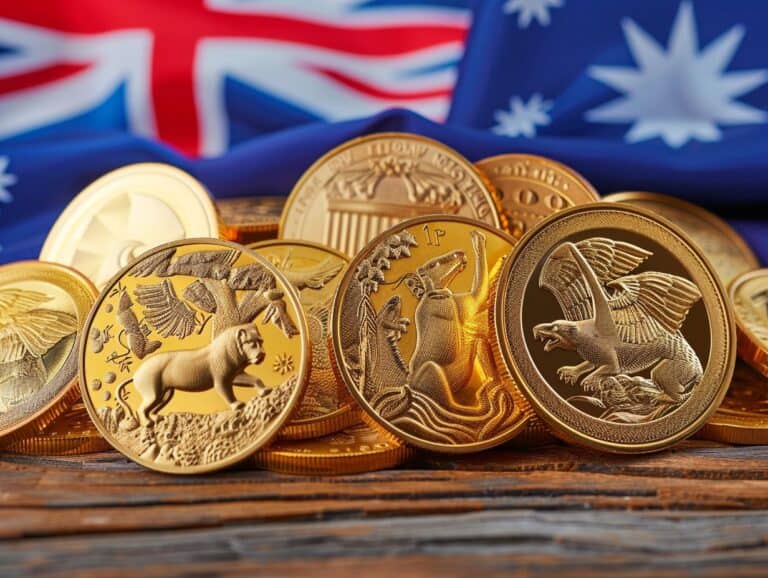
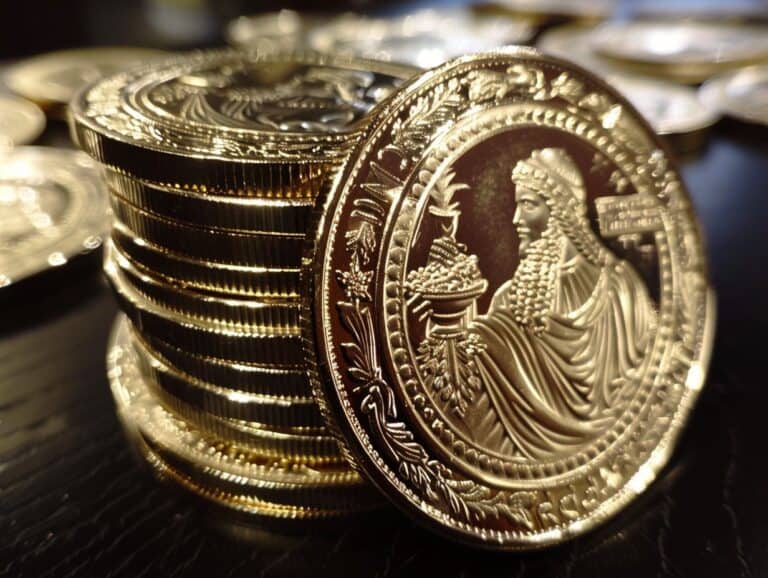
Portuguese Gold Escudos represent one of the most fascinating chapters in monetary history, spanning nearly three centuries of Portuguese commerce and colonial expansion. These gold coins served as Portugal’s primary currency from 1722 to 1910, playing a crucial role in international trade during the height of the Portuguese Empire.
The Portuguese Gold Escudo was worth 1.6 milréis and came in denominations of ½, 1, 2, 4, and 8 escudos, with each coin featuring Portugal’s coat of arms as a symbol of state authority. The word “escudo” literally means shield, reflecting the protective symbolism embedded in Portuguese currency design. These coins were minted not only in Portugal but also in Portuguese colonies, making them valuable artifacts of global trade networks.
Understanding Portuguese Gold Escudos requires examining their intricate designs, various denominations, and the economic conditions that shaped their production. From their origins during King João V’s reign to their eventual replacement by the modern escudo system, these coins tell the story of Portugal’s economic evolution and its lasting impact on numismatic collecting today.
Key Takeaways
- Portuguese Gold Escudos were minted from 1722 to 1800 in five denominations and featured Portugal’s coat of arms
- These coins played a vital role in Portuguese colonial trade and were produced in both Portugal and its overseas territories
- Modern collectors value Portuguese Gold Escudos for their historical significance and intricate craftsmanship
What Are Portuguese Gold Escudos?
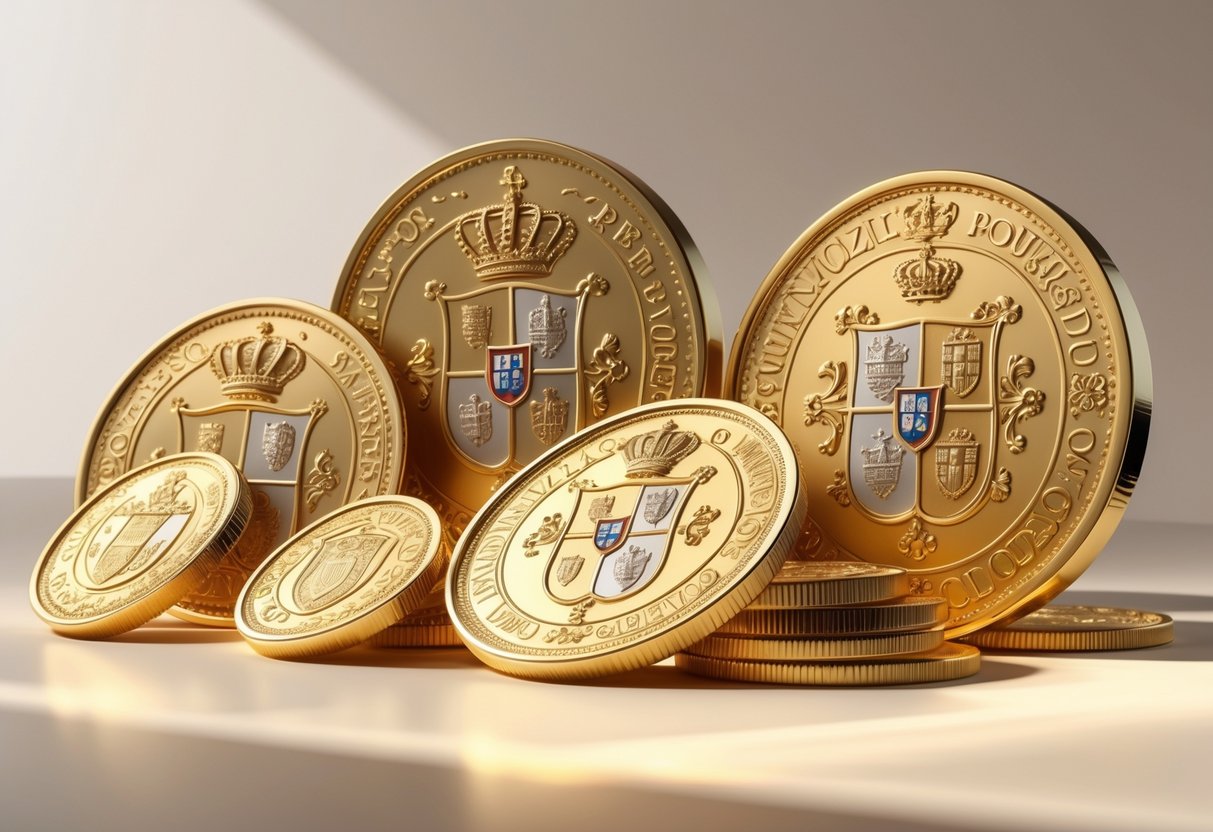
Portuguese gold escudos were gold coins that served as currency in Portugal from 1722 to 1800, worth 1.6 milréis each. These coins came in multiple denominations and played a crucial role in Portugal’s monetary system during the colonial period.
Definition and Characteristics
Portuguese Gold Escudos are available in various types and denominations, each showcasing unique design elements and historical significance. These coins were made of gold and functioned as currency rather than commemorative pieces.
The gold escudo was worth 1.6 milréis or 1,600 réis. This made them valuable coins in Portugal’s monetary system at the time.
The coins featured distinctive Portuguese design elements. Like other escudo coins, they typically displayed Portugal’s coat of arms, as the word “escudo” literally means “shield.”
Gold escudos worth 1.6 milréis were issued from 1722 to 1800 in five different denominations. These world coins represented significant purchasing power during their circulation period.
Historical Timeframes of Minting
Different denominations of Portuguese gold escudos had varying production periods. The mintage period for the various denominations introduced in 1722 was different across each coin type.
The ½ escudo had the longest production run, minted through 1821. The 2 escudos were produced through 1789.
4 escudos were minted through 1799. The eight-escudo coin was only struck between 1722 and 1730, making it the rarest denomination.
| Denomination | Production Period |
|---|---|
| ½ escudo | 1722-1821 |
| 1 escudo | 1722-1800 |
| 2 escudos | 1722-1789 |
| 4 escudos | 1722-1799 |
| 8 escudos | 1722-1730 |
Role in Portuguese Monetary System
Portuguese gold escudos operated within a complex monetary system based on the real currency. The real was the base unit, with 1,000 réis equal to one milréis.
These gold coins held significant value compared to other denominations. At 1.6 milréis each, they represented substantial purchasing power for most Portuguese citizens.
The gold escudo system preceded the modern Portuguese escudo currency by over a century. The escudo was again introduced on 22 May 1911, after the 1910 Republican revolution, but this later currency was entirely different from the historical gold coins.
Ready to Protect Your Retirement?
Request your free State-Specific Gold IRA information kit and take the first step toward securing your financial future with precious metals.
Free Gold IRA GuideDuring their circulation period, these gold coins facilitated major transactions and international trade. They served Portugal’s expanding colonial empire and maritime commerce effectively.
Origins and Historical Evolution
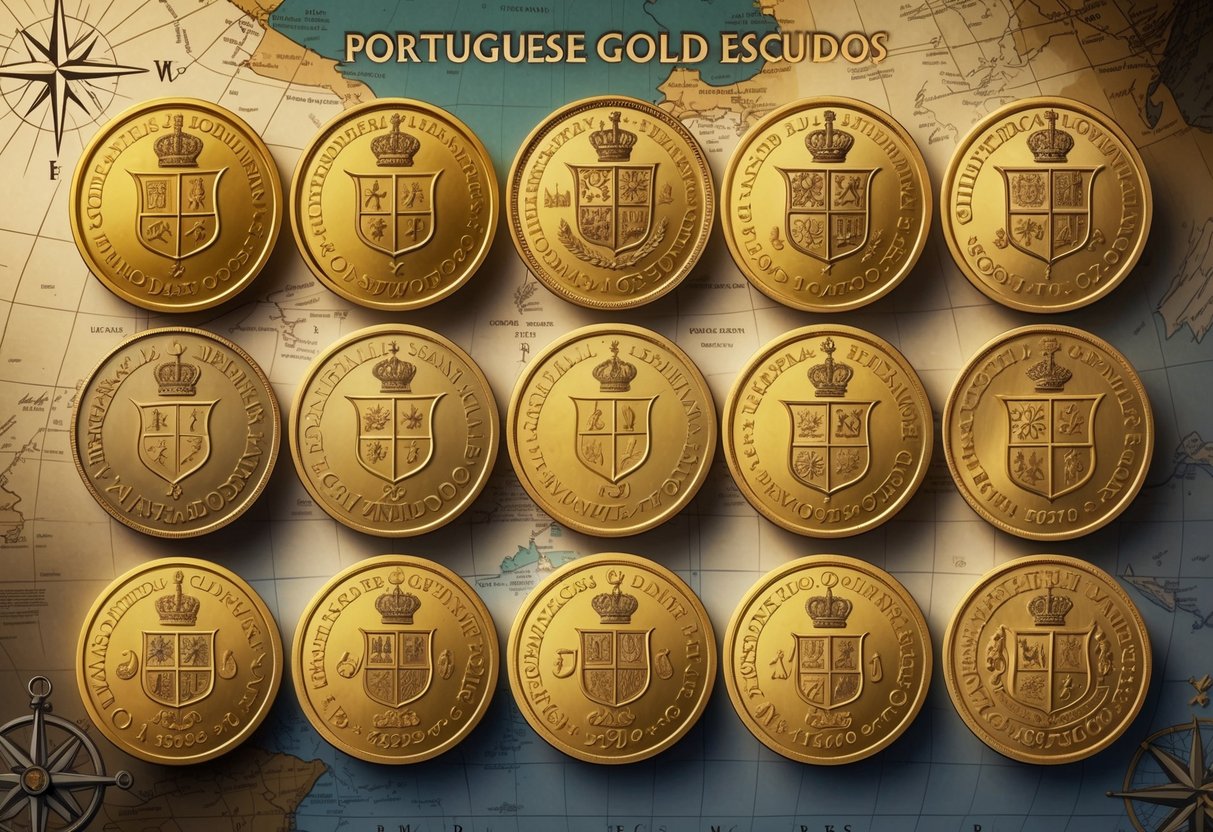
The Portuguese monetary system evolved through several distinct phases, beginning with the real and dinheiro systems before transitioning to gold escudos. The Portuguese escudo replaced the real on 22 May 1911 and remained Portugal’s currency until the euro adoption in 2002.
Predecessors: The Real and Dinheiro
Portugal’s early monetary system relied on the real as its primary currency unit. The real served as the foundation of Portuguese commerce for centuries before modern reforms.
The dinheiro functioned as a smaller denomination within this system. It circulated widely among the general population for everyday transactions.
Gold escudos worth 1.6 milréis were issued from 1722 to 1800 in various denominations. These early gold coins came in ½, 1, 2, 4, and 8 escudo denominations.
The real system remained stable through Portugal’s colonial expansion period. It supported trade across the Portuguese empire, including Brazil and African colonies.
Introduction and Circulation of Gold Escudos
The modern escudo emerged after the 1910 Republican revolution. The escudo was introduced on 22 May 1911 to replace the real at a conversion rate of 1,000 réis to 1 escudo.
Banco de Portugal played a crucial role in standardizing the new currency system. The bank managed the transition and ensured proper circulation of the new escudos.
Portuguese monarchs like King João II and King João III had previously influenced gold coinage standards. Their reigns established the foundation for Portugal’s numismatic traditions.
The Portuguese Gold Escudos were made of 22-karat gold and represented the gold standard. These coins featured intricate designs showcasing Portugal’s royal symbols and national identity.
Transition to Modern Currencies
The Portuguese escudo faced significant challenges during the 20th century. A new rate of 27$50 escudos to the U.S. dollar was established in 1940, changing to 25$00 in 1940 and 28$75 in 1949.
How Much Will Your Gold IRA Really Cost?
See exactly how much you'll pay in setup, annual, and storage fees. Get personalized company recommendations based on your investment amount and retirement timeline.
Calculate My Total FeesInflation severely impacted the escudo’s purchasing power. Fractional value coins with values such as $50 or 2$50 were eventually withdrawn from circulation in the 1990s.
The euro replaced the Portuguese escudo on 1 January 2002. This transition marked the end of Portugal’s independent monetary system after nearly a century.
Banco de Portugal managed the currency conversion process. The bank ensured a smooth transition from escudos to euros for Portuguese citizens and businesses.
Design Features and Symbolism
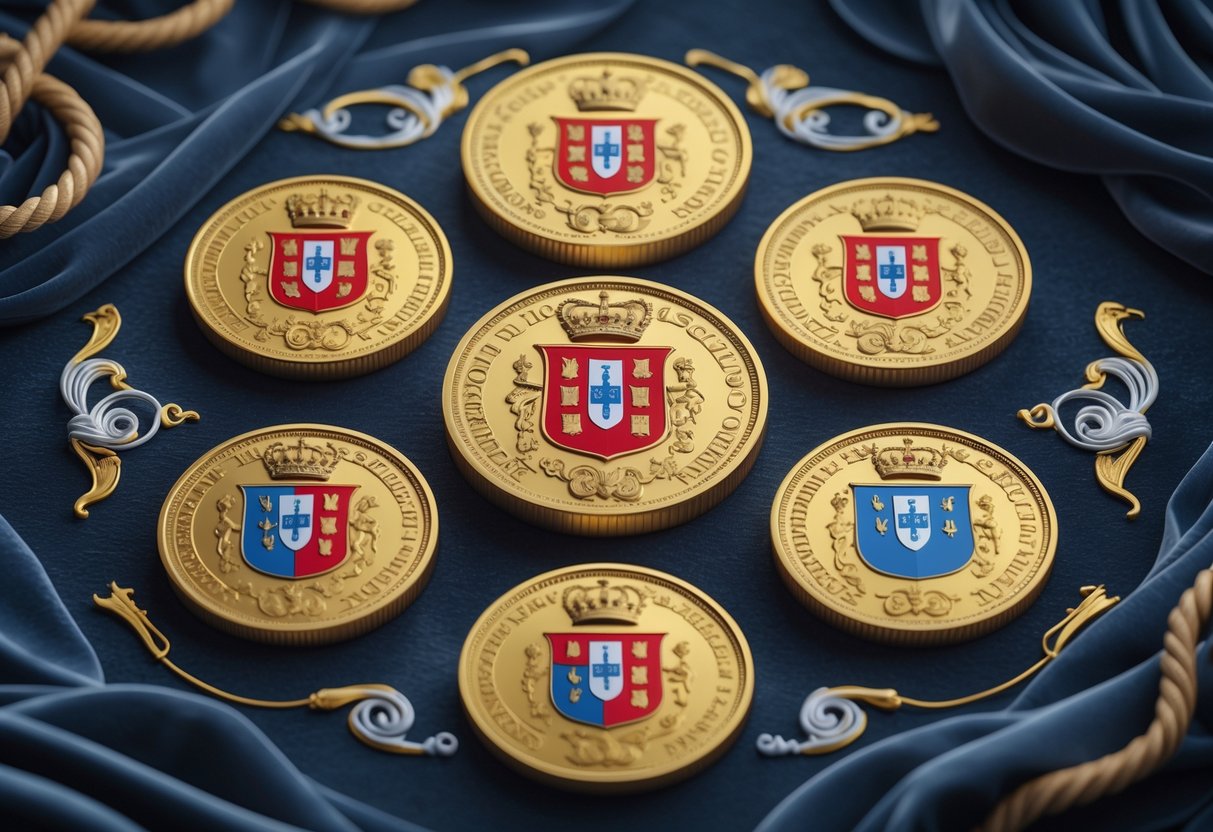
Portuguese Gold Escudos showcase intricate heraldic symbols, Latin inscriptions, and royal motifs that reflect Portugal’s maritime heritage and monarchical power. The coins feature Portugal’s royal symbols and important historical figures, creating a visual narrative of the nation’s golden age of exploration.
Iconography and Heraldic Crosses
The most prominent design element on Portuguese Gold Escudos is the Order of Christ cross. This red cross appears on many coins as a symbol of Portugal’s crusading heritage and maritime expansion.
The cross connects directly to explorers like Vasco da Gama, who sailed under its banner. Portuguese navigators carried this symbol to India, Brazil, and beyond during the Age of Discovery.
Five quinas from the Portuguese coat of arms frequently appear on coin designs. These five blue shields represent the five Moorish kings defeated by Portugal’s first king, Afonso Henriques.
Royal crowns and scepters adorn many escudos, emphasizing monarchical authority. The Portuguese coat of arms often dominates the central field, surrounded by decorative borders and flourishes.
Inscriptions and Legends
Latin inscriptions circle the edges of most Portuguese Gold Escudos. Common phrases include “JOANNES” for King João or “PETRUS” for King Pedro, followed by titles like “DEI GRATIA” (by the grace of God).
The word “PORTUGALIAE” appears frequently, identifying the kingdom. Some coins include “ET ALGARBIAE” to acknowledge the Algarve region’s separate status.
Mint marks and dates help identify production locations and years. Portuguese coins often display Roman numerals for dates, making authentication easier for collectors.
Religious phrases like “CHRISTUS VINCIT” (Christ conquers) reflect Portugal’s Catholic identity. These inscriptions reinforced the divine right of kings and Portugal’s role as a Christian nation.
Don't Pay More Taxes Than You Have To
The wrong Gold IRA choice could cost you thousands in unnecessary taxes. See exactly how much you'll pay in taxes with a Traditional vs. Roth Gold IRA. Compare both options side-by-side based on your age, income, and retirement timeline.
Significance of Coin Imagery
The imagery on Portuguese Gold Escudos tells Portugal’s story through symbols. Maritime contents include ships, anchors, and navigational instruments that celebrate Portugal’s seafaring achievements.
Vasco da Gama’s voyages to India influenced coin designs featuring exotic elements. Some escudos show palm trees, elephants, or other imagery from Portuguese territories overseas.
Royal portraits became more common in later periods. These detailed engravings showed kings in ceremonial dress, reinforcing their authority and majesty.
The escudo name itself means “shield,” reflecting the coin’s protective symbolism. Each design element reinforced Portugal’s strength, faith, and global reach during its imperial height.
Major Types and Denominations of Portuguese Gold Escudos
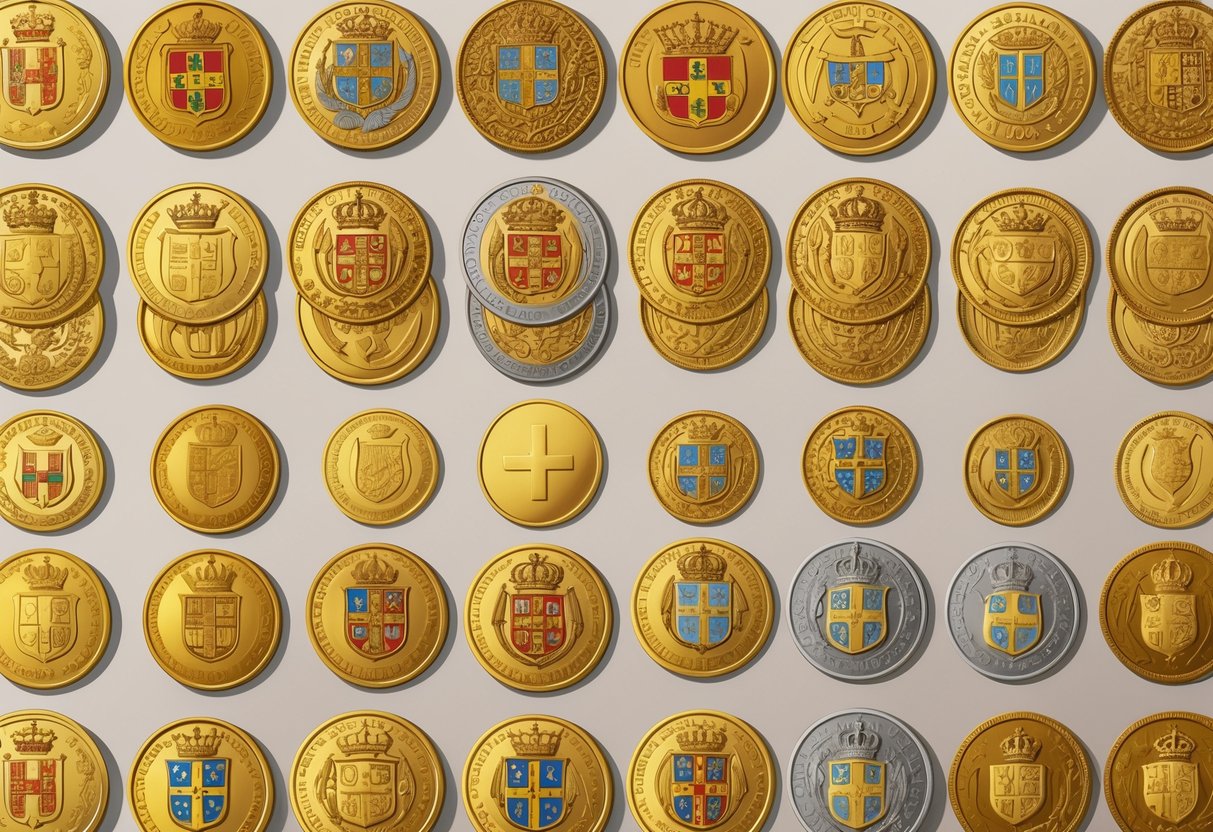
Portuguese gold escudos were issued in five distinct denominations between 1722 and 1821, with different production periods for each type. These gold coins differed significantly from the later paper escudo currency and hold unique positions among world gold coins.
Popular Denominations and Series
The Portuguese gold escudo system featured five main denominations: ½, 1, 2, 4, and 8 escudos. Each denomination had different production periods based on economic needs.
The 8 escudo coin was the largest denomination but had the shortest production run. It was only struck between 1722 and 1730, making it the rarest gold escudo today.
4 escudo coins were produced for a longer period. These gold escudos were minted through 1799, giving collectors more options to find specimens.
The 2 escudo denomination had an even longer production period. These coins were struck through 1789, making them more common than the larger denominations.
1 escudo and ½ escudo coins had the longest production runs. The ½ escudo was minted through 1821, making it the most available gold escudo denomination.
All gold escudo denominations were worth 1.6 milréis or 1,600 réis in the old Portuguese currency system.
Portuguese Escudo Coins vs. Gold Escudos
Portuguese escudo coins and gold escudos represent two completely different currency systems separated by more than a century. The gold escudos were produced in the 18th and early 19th centuries as actual gold coins.
The modern Portuguese escudo currency was introduced in 1911 and replaced the real. This currency used centavos as its subdivision, with 100 centavos equal to one escudo.
Gold IRA Company Comparison Checklist
Before choosing a Gold IRA company, use our comprehensive checklist to compare fees, reputation, storage options, and customer service ratings.
Download ChecklistModern escudo coins were made from various metals including silver, bronze, and cupro-nickel. Between 1912 and 1916, silver 10, 20, and 50 centavos were the first coins issued in the new system.
The gold escudos were actual gold coins with intrinsic value. Modern escudo coins were fiat currency with face value only.
Gold escudos displayed Portuguese coat of arms and royal symbols. Modern escudo coins featured republican symbols and cultural designs after 1911.
Comparison with Other World Gold Coins
Portuguese gold escudos competed with other European gold coins in international trade during the 18th century. They were similar in concept to Spanish doubloons and French louis d’or.
The weight and purity of Portuguese gold escudos matched standards used by other major European powers. This made them acceptable for international commerce and trade.
Unlike some world gold coins that continued into the 20th century, Portuguese gold escudos ended production in 1821. Many other countries produced gold coins much longer.
Modern commemorative gold escudos were issued between 1911 and 2001 in denominations of 1, 100, and 200 escudos. These were not circulation coins but collector items.
Portuguese gold escudos are less common in the world coin market compared to Spanish or British gold coins. Their limited production periods make them more specialized collector items.
The 4 escudos from 1804-1817 currently trade between $650 and $4,500 depending on condition and rarity.
Collecting Portuguese Gold Escudos
Portuguese gold escudos present unique collecting challenges due to their historical significance and varying mintages across different periods. Key factors include identifying rare dates, understanding current market values, maintaining proper coin condition, and verifying authenticity through proper documentation.
Rarity and Key Dates
The rarity of Portuguese gold escudos varies significantly by denomination and minting period. Early gold escudos from the 18th century represent the most sought-after pieces by collectors.
Most Notable Rare Issues:
Reserved for Portfolios of $500K or More
Your portfolio qualifies you for an exclusive one-on-one web conference with a senior precious metals advisor, priority service, and direct access to strategies reserved for our most valued clients.
Request Your Exclusive Guide- 4 Escudos (Peca) from João VI era (1804-1817)
- Pattern coins from the 1950s and 1960s
- Limited commemorative issues from the 1980s
Portuguese gold coins from the colonial period command premium prices due to their historical importance. The 4 Escudos denomination, also called “Peca,” remains particularly desirable among collectors.
Commemorative 100 Escudos pieces from 1987-1989 featuring Portuguese explorers like Gil Eanes and Bartolomeu Dias are relatively common but still valuable due to their gold content.
Valuation and Pricing Trends
Gold escudo values depend on multiple factors including gold content, historical significance, and condition. Current market prices show wide ranges based on these variables.
Price Ranges by Type:
- 1 Escudo (2001): $1.20-$24.70
- 4 Escudos (1804-1817): $650-$4,500
- 100 Escudos (1987-1989): Premium above gold content
The intrinsic gold value provides a price floor for most pieces. Coins with 91.6% to 99.9% gold purity maintain strong value even when numismatic premiums fluctuate.
Market trends show consistent demand for authenticated pieces with clear provenance. Collectors should expect to pay premiums for coins in superior condition or with historical significance.
Preservation and Grading
Proper storage protects gold escudos from environmental damage and maintains their collector value. Gold’s resistance to corrosion makes these coins relatively stable compared to other metals.
Storage Best Practices:
- Use acid-free coin holders
- Maintain stable temperature and humidity
- Avoid direct handling of coin surfaces
- Store in protective cases or albums
Professional grading services provide standardized condition assessments. Third-party grading adds credibility and often increases marketability for higher-value pieces.
Cleaning should never be attempted on collectible gold escudos. Even gentle cleaning can reduce value significantly by removing original surfaces and luster.
Authentication and Provenance
Authenticating Portuguese gold escudos requires knowledge of historical minting practices and design details. Counterfeit pieces exist, particularly for higher-value denominations.
Authentication Methods:
- Weight and dimension verification
- Gold content testing
- Design detail examination
- Edge lettering and reeding patterns
Provenance documentation strengthens authenticity claims and can increase value. Auction records, dealer certificates, and historical documentation provide valuable proof of legitimacy.
Your Complete Gold IRA Beginner's Guide
No confusing jargon. No pressure. Just clear answers about how Gold IRAs work, what they cost, and whether they're right for your retirement. Get the facts before you invest.
Get Your Free Starter GuideCollectors should purchase from reputable dealers who guarantee authenticity. Portuguese gold escudo specialists often provide detailed descriptions and authenticity guarantees with their offerings.
Professional authentication services offer expert opinions on questionable pieces. The cost of authentication typically justifies itself for coins worth several hundred dollars or more.
Historical and Cultural Significance
Portuguese gold escudos served as symbols of national power and prestige during Portugal’s most influential period in world history. These coins facilitated major trade expeditions and carried deep religious symbolism that reflected Portugal’s identity as a maritime empire.
Role During the Age of Discovery
Portuguese gold coins played a crucial role in funding and facilitating Portugal’s expansion across the globe. The high-value português gold coin was commissioned by King Manuel specifically to commemorate the Portuguese Empire and Discoveries.
This prestigious coin was first minted shortly before major voyages began. Vasco da Gama carried some of these gold coins during his expedition to India in 1497. The coins weighed 35 grams and were worth 10 gold cruzados or ducats.
The português was designed for large commercial transactions rather than everyday use. It was particularly valuable for purchasing spices in Asia during the age of discovery. Between 1500 and 1538, approximately 400,000 golden Portuguese coins were struck, equivalent to 14.2 tons in gold.
Connection to the Order of Christ
The religious symbolism on Portuguese gold escudos reflected the nation’s deep ties to Christianity and maritime exploration. The reverse side of the português featured the cross of the Order of Christ, a powerful religious military order.
This cross became an iconic symbol that appeared on Portuguese coins and flags. The Latin inscription “In Hoc Signo Vinces” meaning “By This Sign You Shall Triumph” accompanied the cross. This phrase emphasized Portugal’s belief that divine favor supported their maritime ventures.
The Order of Christ provided both spiritual justification and financial support for Portuguese exploration. The organization’s symbol on gold coins reinforced Portugal’s identity as a Christian empire expanding across the world’s oceans.
Influence on International Trade
Portuguese gold escudos achieved remarkable international recognition and influence. The português coin became so prestigious that many European realms began minting their own versions called “portugalesers” or “portugalösers.”
These imitation coins were particularly popular among the wealthy commercial cities of the Hanseatic League. They were worth 2.5 to 10 ducats and often retained the iconic Cross of Christ design. Northern European countries including Germany, the Netherlands, Denmark, Poland, and Sweden continued issuing these variants until the 17th century.
Notable Examples:
Don't Choose Blindly
Selecting the right Gold IRA company is crucial for your retirement. Use our comprehensive comparison checklist to evaluate providers and make the best decision for your financial future.
Get Your Checklist- Hamburg minted large numbers between 1553 and 1560
- Deventer and Zwolle struck them between 1640 and 1641 for Dutch Brazil sugar trade
- Hamburg continues awarding commemorative versions to citizens today
The widespread adoption of Portuguese-style coins demonstrated Portugal’s economic influence during its golden age of exploration and trade.
Legacy and Impact on Modern Currency
The Portuguese escudo’s transition to the euro marked a significant monetary shift that preserved Portugal’s numismatic heritage through commemorative pieces. The Banco de Portugal maintained careful records of this currency change while collectors sought modern reproductions of historic gold escudos.
From Escudo to Euro
Portugal replaced the escudo with the euro on January 1, 2002, ending nearly a century of escudo circulation. The Portuguese escudo served as legal tender from 1911 to 2002, replacing the earlier real currency system.
The Banco de Portugal coordinated the currency transition process. Citizens exchanged their escudo banknotes and coins for euros at fixed conversion rates. This change eliminated the centavo subdivisions that had become nearly worthless due to inflation.
Key transition details:
- Exchange period lasted several years after 2002
- Fixed conversion rates protected citizens from currency fluctuations
- Banks handled most exchange transactions
The euro adoption connected Portugal more closely with European economic systems. Portuguese gold escudos gained renewed interest as historical artifacts rather than functional currency.
Commemoration and Modern Reproductions
Modern Portuguese institutions create commemorative coins that honor the escudo’s legacy. The Banco de Portugal occasionally issues special edition pieces featuring classic escudo designs and Portuguese royal symbols.
Collectors seek authentic reproductions of historical gold escudos. These modern versions maintain the artistic elements of original coins while using contemporary minting techniques.
Popular commemorative features:
- Royal coat of arms designs
- Historic Portuguese monarchs
- Traditional Portuguese symbols
Numismatic markets offer both authentic Portuguese gold escudos and modern reproductions. Collectors value these pieces for their connection to Portugal’s monetary history.
Museums display escudo collections alongside euro exhibits. These displays show the evolution of Portuguese currency from medieval times through modern European integration.
Frequently Asked Questions
Portuguese gold escudos present unique challenges for collectors and investors regarding valuation, authentication, and market dynamics. These historic coins require specific knowledge about rarity indicators, pricing factors, and distinguishing characteristics from other Portuguese currency.
What factors determine the value of a Portuguese gold escudo?
The value of a Portuguese gold escudo depends on several key factors. Rarity plays the most significant role, with coins minted during specific royal reigns commanding higher prices in numismatic markets.
How Gold Performed During Every Stock Market Crash
See the data: when stocks dropped 19.4% in 2022, gold only fell 4.3%. Compare gold's downside protection across decades of market volatility and economic crises.
Compare Crash PerformanceCondition determines much of the final price. Coins with minimal wear, clear details, and well-preserved surfaces fetch premium amounts from collectors.
Historical provenance adds substantial value. Escudos with documented histories or those recovered from shipwrecks carry additional worth beyond their gold content.
The gold content itself provides baseline value. Portuguese gold escudos made from 22-karat gold maintain intrinsic metal value regardless of numismatic factors.
Market demand influences pricing significantly. Economic conditions, collector interest, and gold prices all affect what buyers will pay for these coins.
How can one identify a rare Portuguese gold escudo?
Rare Portuguese gold escudos display specific characteristics that distinguish them from common examples. Mint marks and dates provide the first clues to rarity and authenticity.
Royal symbols and coat of arms designs vary between different periods. Coins featuring elaborate engravings of national emblems and royal motifs often indicate higher value pieces.
Weight and dimensions match historical specifications. Authentic escudos conform to precise measurements established during their minting periods.
Latin inscriptions appear on many genuine examples. These inscriptions reflect the intellectual traditions of Portuguese coinage and help verify authenticity.
Edge details and minting quality reveal production standards. Professional minting produces consistent edges and sharp design elements throughout the coin.
Where can one find authentic Portuguese gold escudos for sale?
Reputable numismatic dealers offer the most reliable sources for authentic Portuguese gold escudos. Established institutions like Banco Commercial de Braga and Banco Commercial do Porto provide verified coins with proper documentation.
Auction houses specialize in rare coin sales. Numisma and Antique Coins Exchange host exclusive events featuring Portuguese gold escudos and other numismatic treasures.
Online platforms provide convenient purchasing options. NumisMarket and CoinCollectors.com offer detailed descriptions and authenticity certification for buyers seeking genuine pieces.
Coin shows and numismatic conventions allow direct examination. These events let collectors inspect coins personally before making purchases.
What is the historical significance of the Portuguese gold escudo?
Portuguese gold escudos represent Portugal’s economic strength during major historical periods. During the Napoleonic Wars, these coins maintained the country’s financial stability when other currencies faced instability.
Plan Your Gold IRA Distributions Strategically
Calculate which ounces to sell, when to take distributions, and how to minimize tax impact. Get your personalized RMD strategy based on current gold prices and IRS tables.
Create My RMD PlanThe Brazilian Gold Rush increased demand for Portuguese escudos. This period highlighted their enduring value and international recognition as reliable currency.
Royal authority appears symbolically on each coin. Escudos minted under Kings João II, João III, and Pedro II serve as lasting symbols of Portuguese heritage.
International trade relied heavily on these coins. Portuguese escudos facilitated commerce across Europe and colonial territories during the age of exploration.
How are Portuguese gold escudo values calculated in contemporary currency markets?
Contemporary valuation combines numismatic worth with gold content value. Current gold prices establish the minimum value based on the coin’s precious metal content.
Numismatic premiums add significant value above gold content. Rare dates, exceptional condition, and historical importance create premiums that often exceed the base metal value.
Market comparisons use recent auction results. Professional appraisers examine similar coins sold at recent auctions to establish fair market values.
Certification services provide standardized grading. Professional grading companies assign condition grades that directly impact market values.
Currency conversion applies current exchange rates. International buyers use contemporary exchange rates to determine values in their local currencies.
What distinguishes Portuguese gold escudos from other old Portuguese coins?
Portuguese gold escudos differ from other Portuguese coins primarily in their gold composition. The escudo represented a major denomination in Portugal’s monetary system during the 17th and 18th centuries.
Design elements set escudos apart from smaller denominations. While dinheiro coins featured everyday life scenes, escudos displayed elaborate royal symbols and national emblems.
Size and weight distinguish escudos from other coins. The substantial gold content makes escudos notably heavier than silver or copper Portuguese coins from the same periods.
Minting quality differs significantly between denominations. Escudos received superior craftsmanship and attention to detail compared to lower-value Portuguese coins.
Historical usage patterns varied between coin types. Escudos served primarily for large transactions and international trade, while smaller denominations handled daily commerce.




One More Thing...
If you're serious about protecting your retirement, get the complete Gold IRA guide. It's free, there's no obligation, and it could be one of the smartest financial decisions you make.
Get Your Guide