Silver properties, uses, prices, and market factors center on silver, a lustrous precious metal, a chemical element (symbol Ag, atomic number 47) in group 11 of the periodic table. Silver properties, uses, prices, and market factors cover physical traits (density of 10.49 g/cm3, melting point of 961.78°C), the highest electrical conductivity of any metal, and major roles in industry, jewelry, coinage, and investment. Pure silver is soft, bright white, and highly reflective, which explains the metal’s value in mirrors, ornaments, and electronics. Fine silver reaches 99.9% purity, the standard in bullion bars and coins. Sterling silver (92.5% silver, 7.5% copper) adds hardness to tableware and jewelry.
Pricing is quoted per troy ounce (31.1035 grams), driven by industrial demand, mine output, recycling, investor flows, and market inventories. Spot silver traded near [$63.55] per troy ounce on August 8, 2026. Gold comparisons clarify differences in rarity, density, liquidity, and price per unit. Buyers evaluate bullion bars, bullion coins, collectible coins, jewelry, and silverware, then compare dealer premiums, fabrication fees, taxes, and shipping. Silver attracts investors through a dual identity, precious metal plus industrial commodity, so price swings run wider than gold’s. The sections below explain each topic in detail.
What Is Silver?
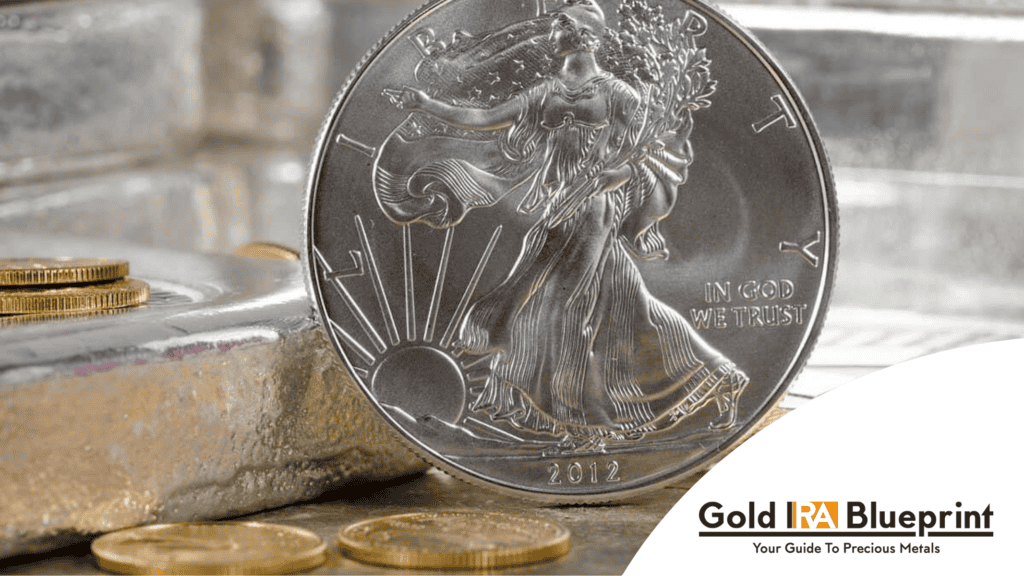
Silver is a soft, white, lustrous metal with the chemical symbol Ag. The element belongs to group 11, period 5, alongside copper and gold. Silver is classified as a precious metal because of its relative scarcity, conductivity, and historical use in currency, jewelry, and investment products.
Natural silver occurs in native deposits and mineral ores, including silver sulfide, and is frequently recovered as a byproduct of lead, zinc, copper, and gold mining. Major producing countries include Mexico, Peru, and China. Global mine production reached approximately 820 million troy ounces in 2024, according to the Silver Institute. Modern applications extend beyond bullion and decorative products because silver’s electrical conductivity, thermal conductivity, and antimicrobial properties support its use in electronics, solar panels, medical equipment, and industrial manufacturing.
What Defines Silver as a Chemical Element?
Silver is a chemical element with atomic number 47, meaning each silver atom contains 47 protons in its nucleus. The element has two stable isotopes, silver 107 and silver 109, with natural abundances of approximately 51.84% and 48.16%, respectively. Silver has a standard atomic weight of 107.8682 and belongs to group 11 of the periodic table. Its electron configuration supports excellent electrical and thermal conductivity, while its metallic structure produces a bright, reflective luster.
Silver typically forms compounds with a +1 oxidation state. Common compounds include silver nitrate, silver chloride, and silver sulfide, each with distinct chemical properties and applications. Silver nitrate serves laboratory and industrial purposes, while silver chloride has applications in photographic materials and specialized electronics. Silver sulfide occurs naturally in certain silver ores and contributes to tarnishing when silver reacts with sulfur compounds in the environment.
Ready to Protect Your Retirement?
Request your free State-Specific Gold IRA information kit and take the first step toward securing your financial future with precious metals.
Free Gold IRA GuideWhat Are the Chemical Symbol and Atomic Number of Silver?
The chemical symbol for silver is Ag, and its atomic number is 47. The symbol derives from argentum, the Latin word for silver, associated with the meaning “white” or “shining.” Silver occupies group 11 and period 5 of the periodic table, between palladium, with atomic number 46, and cadmium, with atomic number 48.
The atomic number identifies the number of protons in an element’s nucleus. Every silver atom contains 47 protons, while a neutral silver atom holds 47 electrons. The electron arrangement contributes to silver’s high electrical conductivity, thermal conductivity, and metallic luster. Silver’s chemical symbol and atomic number distinguish the element from every other substance on the periodic table.
What are the key physical and chemical properties of silver?
The key physical and chemical properties of silver are listed below. Silver is a transition metal valued for brightness, conductivity, and workability. The metal ranks first among elements in electrical conductivity, thermal conductivity, and visible light reflectivity.
The key physical and chemical properties of silver are listed below.
- Color: Silver shows a bright white metallic luster, and polished surfaces reflect about 95% of visible light.
- Density: Silver has a density of 10.49 g/cm3 at 20°C, roughly half the density of gold.
- Malleability: Silver is malleable, which allows it to be hammered into thin leaf used in decoration and electronics.
- Ductility: Silver draws into fine wire without breaking, a trait that supports jewelry chains, filigree, and electrical wiring.
- Melting point: Silver melts at 961.78°C (1,763°F), boils at 2,162°C (3,924°F).
- Electrical conductivity: Silver conducts electricity at about 6.3 × 10^7 siemens per meter, the highest value of any metal.
- Thermal conductivity: Silver conducts heat at about 429 watts per meter kelvin, the highest value of any metal.
- Chemical behavior: Silver resists oxidation in air, tarnishes after exposure to sulfur compounds (black silver sulfide), and dissolves in nitric acid.
What is silver used for in everyday life and industry?
The uses of silver in everyday life and industry are listed below. Silver applications rely on conductivity, reflectivity, malleability, antimicrobial action, and lasting value. Consumer, industrial, and technological sectors each draw on a different property of the metal.
How Much Will Your Gold IRA Really Cost?
See exactly how much you'll pay in setup, annual, and storage fees. Get personalized company recommendations based on your investment amount and retirement timeline.
Calculate My Total FeesUses of silver in everyday life and in industry are listed below.
- Consumer goods: Jewelry, silverware, mirrors, decorative objects use silver for luster; tarnish-resistant alloys.
- Industrial manufacturing: Electrical contacts, brazing alloys, chemical catalysts use silver for conductivity, heat transfer, reaction control.
- Electronics: Circuit boards, switches, RFID antennas, touchscreens use silver pastes, inks, plating.
- Energy: Crystalline silicon solar cells use silver paste to collect current.
- Healthcare: Wound dressings, burn creams, catheter coatings use silver for antimicrobial action.
- Investment: Bullion bars and bullion coins store value and track the spot price.
What are the main industrial uses of silver?
The main industrial uses of silver are listed below. Industrial demand now accounts for over half of total silver demand (Silver Institute). Conductivity, reflectivity, and chemical stability support each application.
The main industrial uses of silver are listed below.
- Electrical contacts: Silver contacts in switches, relays, and circuit breakers carry current at low resistance and resist arc wear. Silver oxide conducts electricity, so contact surfaces keep low resistance after oxidation.
- Brazing alloys: Silver brazing filler metals (5% to 56% silver) join copper, steel, and stainless steel in HVAC, refrigeration, and plumbing. Silver lowers the melting range and improves flow into tight joints.
- Industrial catalysts: Silver catalysts convert ethylene into ethylene oxide, methanol into formaldehyde. Surface chemistry of silver promotes partial oxidation at controlled temperatures.
- Specialized manufacturing: Silver coats mirrors, low-emissivity window glass, reflective films. Silver-zinc, silver oxide batteries (aerospace, hearing aids, watches) rely on stable chemistry and high energy density.
How is silver used in jewelry, coins, and tableware?
Pure silver (99.9% fine) is too soft for daily wear, so makers alloy the metal with copper and other elements. Purity marks separate fine silver from sterling silver, coin silver, and plated items.
The uses of Silver in jewelry, coins, and tableware are listed below.
Don't Pay More Taxes Than You Have To
The wrong Gold IRA choice could cost you thousands in unnecessary taxes. See exactly how much you'll pay in taxes with a Traditional vs. Roth Gold IRA. Compare both options side-by-side based on your age, income, and retirement timeline.
- Jewelry: Sterling silver (92.5% silver, 7.5% copper, stamped 925) dominates rings, chains, and bracelets. Argentium silver (93.5% or 96% silver, germanium added) resists tarnish better.
- Bullion coins: The American Silver Eagle (U.S. Mint), Silver Maple Leaf (Royal Canadian Mint), Britannia (Royal Mint), Vienna Philharmonic (Austrian Mint) hold one troy ounce of 99.9% or 99.99% silver.
- Collectible coins: Morgan dollars, Peace dollars (90% silver) earn value from rarity, condition, and mintage, beyond metal content.
- Tableware and decorative objects: Flatware, tea sets, trays, candlesticks use sterling silver. Silver-plated items carry a thin silver layer over base metal, and nickel silver contains no silver.
How is silver used in electronics, solar panels, and healthcare?
The uses of silver in electronics, solar panels, and healthcare are listed below. Silver leads metals in conductivity, which suits current-carrying parts. Antimicrobial action supports selected medical products.
The uses of Silver in electronics, solar panels, and healthcare are listed below.
- Conductive components: Silver pastes, inks, and plating form traces in smartphones, membrane keyboards, RFID tags, and printed circuits. Low resistance reduces power loss and heat buildup.
- Photovoltaic cells: Silver paste forms the front gridlines of crystalline silicon solar cells. Conductivity moves captured electrons to the cell contacts at minimal loss, and the Silver Institute lists photovoltaics among the fastest-growing industrial segments.
- Medical applications: Silver sulfadiazine (1% cream) treats burn wounds, silver-impregnated dressings cover chronic wounds, silver coatings line catheters. Silver ions release slowly from the surface, which limits bacterial growth.
Does Silver Have Antimicrobial Properties?
Yes, silver has antimicrobial properties. Silver ions (Ag+) bind to bacterial cell membranes, disrupt enzymes, and interfere with DNA replication, which inhibits the growth of many bacteria and fungi. Medical products use silver in selected wound dressings, burn treatments, and catheter coatings. The effectiveness depends on the product formulation, silver concentration, and intended application. Silver-based treatments do not replace appropriate medical care or infection control practices. The FDA states that colloidal silver supplements are not proven safe or effective against any disease. Long-term exposure to certain silver compounds causes argyria, a permanent gray or blue-gray skin discoloration.
How Does Gold Bar Weight Matter in a Gold IRA?
Gold bar weight affects purchase costs, investment flexibility, and the amount of gold held in a Gold IRA. IRS rules require gold bullion to meet a minimum fineness of 99.5% and satisfy applicable eligibility requirements. Qualifying metals must remain under an approved trustee or custodian and in an eligible storage arrangement. Home storage generally does not meet the requirements for tax-advantaged retirement accounts.
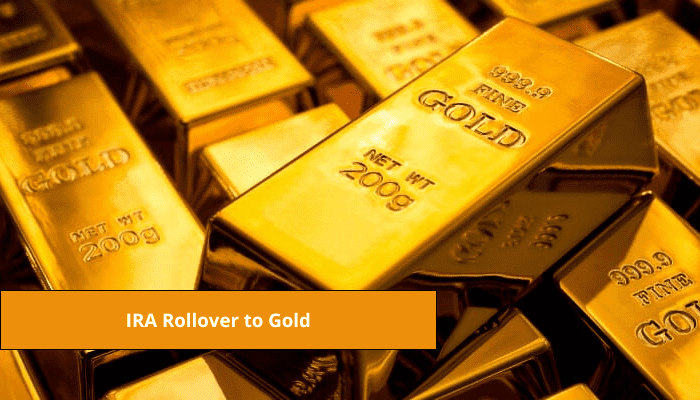
Gold bars come in weights ranging from one gram and ten grams to one troy ounce, ten troy ounces, one kilogram, and 400 troy ounces. Larger bars often carry lower premiums per ounce, while smaller bars offer greater flexibility when adjusting holdings or arranging distributions. Account holders must consider dealer premiums, custodian fees, storage expenses, and future distribution plans before selecting bar sizes. The right weight depends on the account balance, eligible products, and the investor’s retirement strategy for a Gold IRA.
What Determines the Silver Price Today?
Gold IRA Company Comparison Checklist
Before choosing a Gold IRA company, use our comprehensive checklist to compare fees, reputation, storage options, and customer service ratings.
Download ChecklistGlobal market trading, supply, and demand determine the silver price today. Major trading centers in London, New York, and Shanghai influence price discovery across different time zones. The London Bullion Market Association publishes the LBMA Silver Price benchmark, while COMEX silver futures trade through CME Group. Spot quotes retrieved during 2026 ranged from $55.97 to $87.33 per troy ounce, reflecting changing market conditions during the observed period.
Industrial demand, mine production, recycling, and investor activity influence silver prices. Manufacturing demand from electronics and solar energy affects consumption, while mine output and recycled silver influence available supply. U.S. dollar movements and interest rate expectations influence investment demand because silver trades internationally in dollars. Geopolitical developments and economic data can trigger short-term price changes as traders adjust their expectations. Buyers must check current market quotes because historical ranges do not establish the live silver price.
What Is the Current Silver Price per Troy Ounce and Gram?
The latest verifiable silver spot price in the supplied data is $63.55 per troy ounce, dated August 8, 2026, with a 24-hour change of minus 0.04%. The equivalent price is approximately $2.04 per gram, calculated by dividing the ounce price by 31.1035 grams. The retrieval date is October 15, 2026, but the source provides no exact publication time. The quote represents the spot market rather than a futures contract or a fixed benchmark auction price.
Historical quotes show silver rising from $55.97 on July 17, 2026, to $63.55 on August 8, 2026, an increase of approximately 13.5%. The observed prices equate to roughly $1.80 to $2.04 per gram over the stated dates. Since the latest supplied quote is from August, it does not establish the live price on October 15, 2026. Buyers must check a current market feed before making purchase decisions because spot prices fluctuate throughout trading.
What factors influence silver rates today?
The factors that influence silver rates today are listed below. Silver trades as a precious metal and an industrial input, so supply and demand signals arrive from several markets.
Factors that influence silver rates today are listed below.
Reserved for Portfolios of $500K or More
Your portfolio qualifies you for an exclusive one-on-one web conference with a senior precious metals advisor, priority service, and direct access to strategies reserved for our most valued clients.
Request Your Exclusive Guide- Industrial demand: Electronics, solar panels, automotive parts, and medical products absorb over half of annual silver demand. Factory output and solar installations move prices.
- Mine production: About 70% of mined silver arrives as a byproduct of lead, zinc, copper, and gold mining. Output follows base metal economics, not silver prices.
- Recycling: Scrap jewelry, silverware, electronics, industrial residue return metal to the market. Higher prices raise scrap flow.
- Investor activity: Purchases of bars, coins, exchange-traded funds, and COMEX futures shift demand. Inflation expectations and currency moves drive flows.
- Market inventories: Stocks held in LBMA vaults, COMEX warehouses signal tightness. Falling inventories lift prices, rising inventories weigh on prices.
How does the international silver price differ from local retail rates?
The international silver price differs from local retail rates through market type, quantity, and added costs. Physical coins, rounds, and bars carry dealer premiums of about 5% to 20% over spot. The table below compares spot, benchmark, futures, and local retail prices.
The price difference of international silver from local retail rates is shown in the table below.
| Price Type | Definition | Where Quoted | Relation to Spot |
| Global spot price | Wholesale price per troy ounce for immediate delivery | London, New York, Hong Kong, Sydney | Baseline |
| Benchmark price | Daily reference price set by auction (LBMA Silver Price) | London | Close to spot at the auction time |
| Futures price | Contract price for delivery on a set future date (COMEX) | New York | Above or below spot, depending on storage cost, expectations |
| Local retail price | Price paid at a dealer, includes premium, taxes, delivery | Local dealers, online sellers | 5% to 20% above spot for coins, bars |
Is the International Silver Spot Price the Same as a Buyer’s Retail Price?
No, the international silver spot price is not the same as a buyer’s retail price. Spot represents the wholesale market price for large quantities of silver. Retail prices add dealer premiums, fabrication fees, shipping, insurance, and applicable taxes. Dealers quote a bid and ask price, so resale proceeds generally fall below the original retail purchase price. Product type and order size influence the premium charged above spot. Silver coins often carry higher premiums than larger bullion bars because manufacturing and distribution costs represent a greater share of their value. Buyers must compare the full purchase cost and expected resale price to assess the true cost of ownership.
How Much Does a Gold Bar Weigh Compared to a Silver Bar?
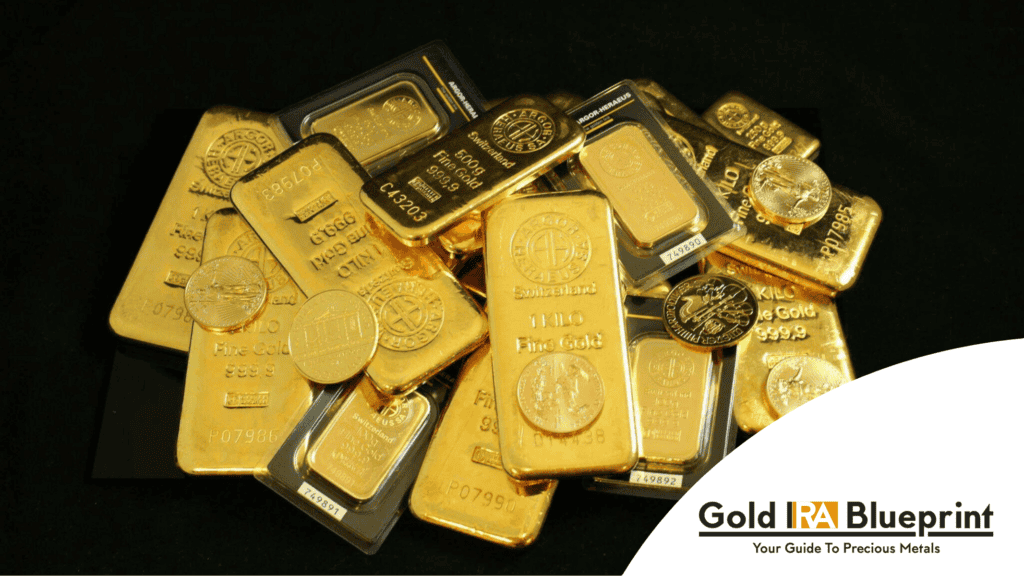
Gold bars range from one gram to 400 troy ounces, or approximately 12.4 kilograms, while silver bars range from one troy ounce to 1,000 troy ounces, or approximately 31.1 kilograms. Standard weights vary by product type and market purpose. Gold has a density of 19.32 grams per cubic centimeter, nearly twice silver’s density of 10.49 grams per cubic centimeter. A one-ounce gold bar therefore occupies less space than a one-ounce silver bar, despite containing the same weight of metal.
A bar’s stated weight measures its total metal content before fineness adjustments. A 100 troy ounce silver bar with .999 fineness contains approximately 99.9 troy ounces of pure silver. London Good Delivery gold bars typically weigh 350 to 430 troy ounces, while silver bars range from 750 to 1,100 troy ounces under the relevant standards. Retail bars offer smaller sizes for accessible purchases, while large bars serve institutional markets. The answer to How Much Does a Gold Bar Weigh? depends on its format, intended use, and applicable market standard.
How Does Silver Compare With Gold?
Your Complete Gold IRA Beginner's Guide
No confusing jargon. No pressure. Just clear answers about how Gold IRAs work, what they cost, and whether they're right for your retirement. Get the facts before you invest.
Get Your Free Starter GuideSilver differs from gold in rarity, density, conductivity, price, and industrial demand. Silver has a lower price per ounce and supports large-scale industrial applications in electronics, solar panels, and manufacturing. Gold serves primarily as a precious metal for jewelry, investment, and central bank reserves. Silver tarnishes more readily when exposed to sulfur compounds, while gold resists corrosion and retains its appearance over time. Physical storage requirements differ because gold holds more value in a smaller volume.
Financial differences between silver and gold extend to volatility, liquidity, and market behavior. Silver prices often experience larger percentage swings because industrial demand influences its market alongside investment activity. Gold generally benefits from its established role as a reserve asset and store of value. Investors comparing Silver vs Gold must consider purchase costs, storage needs, market risks, and investment objectives before choosing a metal.
What are the main differences between gold and silver?
The main differences between gold and silver cover chemical properties, conductivity, appearance, rarity, common uses, and market traits. The table below compares both metals across practical, financial categories.
The main differences between Gold and Silver are shown in the table below.
| Category | Silver | Gold |
| Symbol, atomic number | Ag, 47 | Au, 79 |
| Density | 10.49 g/cm3 | 19.32 g/cm3 |
| Melting point | 961.78°C | 1,064.18°C |
| Appearance | Bright white, tarnishes in sulfur air | Yellow, does not tarnish |
| Electrical conductivity | Highest of any metal | Lower, but corrosion-free contacts |
| Chemical behavior | Reacts with sulfur, nitric acid | Inert, resists most acids |
| Rarity | About 19 times more abundant in Earth’s crust | Scarcer in Earth’s crust |
| Common uses | Industry, solar, electronics, jewelry, coins | Jewelry, bullion, central bank reserves, electronics |
| Price per unit | Far below gold per troy ounce | Far above silver per troy ounce |
| Liquidity | Liquid, wider dealer premiums | Deeper market, narrower premiums |
| Industrial demand | Over half of demand | Small share of demand |
How Does the Gold-to-Silver Ratio Help Compare Prices?
The gold-to-silver ratio helps compare prices by dividing the gold price per ounce by the silver price per ounce. A ratio of 80 means one ounce of gold buys 80 ounces of silver. A high ratio suggests silver trades cheaply against gold, while a low ratio suggests the reverse. On March 24, 2026, gold at $4,408.07 and silver at $70.13 produced a ratio near 63.
The ratio peaked above 120 in March 2020, according to historical LBMA data, while the Coinage Act of 1792 established a 15-to-1 ratio in the United States. Traders follow the ratio to assess relative value rather than forecast prices. Historical averages provide context for evaluating current readings, but the ratio alone does not establish whether either metal is undervalued. Changes in industrial demand, investment flows, and economic conditions influence the relationship between gold and silver. Investors must consider broader market factors before using the ratio to guide buying or selling decisions.
Don't Choose Blindly
Selecting the right Gold IRA company is crucial for your retirement. Use our comprehensive comparison checklist to evaluate providers and make the best decision for your financial future.
Get Your ChecklistHow does silver’s price volatility compare with gold’s?
Silver price volatility runs higher than gold price volatility. A smaller market, thinner liquidity, and industrial demand cycles amplify silver moves, while central bank buying and safe-haven flows steady gold. Silver fell from [87.33]onMarch12,2026to[67.75] on March 26, 2026, a drop of about 22%. Gold fell from [5,184.80]to[4,441.35] across the same dates, a drop of about 14%. The table below compares the factors behind different price swings.
The comparison of Silver’s price volatility with Gold is shown in the table below.
| Factor | Silver | Gold |
| Market size | Smaller, thinner trading | Larger, deeper trading |
| Demand source | Industry, investment, jewelry | Investment, central banks, jewelry |
| Haven role | Weaker | Stronger |
| Supply response | Byproduct mining, slow reaction | Dedicated mining, recycling |
| Price swing size | Wider | Narrower |
| Sensitivity to economic cycles | High, via industrial use | Moderate |
Does Silver Always Move in the Same Direction as Gold?
No, silver does not always move in the same direction as gold. Both metals respond to interest rates, U.S. dollar strength, and inflation expectations, so daily price movements often align. Silver prices depend on industrial demand, solar energy growth, and manufacturing data, which influence the gold-to-silver ratio when factory activity changes. Daily price gaps appear when industrial news affects silver alone, and price swings differ even during shared market trends. Gold often attracts safe-haven demand during economic uncertainty, while silver faces additional pressure from weaker industrial activity. Investors must examine each metal’s market drivers rather than assume their prices will rise or fall together. Historical price correlations offer useful context, but they do not guarantee matching future performance.
How Do Gold Bar Sizes Compare With Gold Coin Sizes?
Gold bars and gold coins differ in weight options, dimensions, and pricing structures. Gold bars range from one gram to 400 troy ounces, while gold coins follow standardized weights set by each mint. Popular bullion coins, including American Gold Eagles, Canadian Gold Maple Leafs, and South African Krugerrands, come in one ounce, one half ounce, one quarter ounce, and one tenth ounce sizes. Gold bars suit buyers seeking flexible weight choices, while coins offer recognizable designs and established bullion specifications.
Gold bars and coins with equal gold content do not always share the same price. Coins often carry higher premiums per ounce, particularly in fractional sizes, while larger bars generally offer lower premiums. Collectibility, brand recognition, dealer markups, and resale demand influence the final price. Buyers comparing Gold Bars vs Gold Coins must assess premiums, resale liquidity, and preferred weight before choosing a product.
What should buyers know before purchasing silver?
Silver buyers must evaluate product type, purity, weight, and dealer pricing before making a purchase. Each factor affects the upfront cost, metal content, resale value, and liquidity of the investment. The following considerations help buyers compare available options and understand the costs of owning silver.
How Gold Performed During Every Stock Market Crash
See the data: when stocks dropped 19.4% in 2022, gold only fell 4.3%. Compare gold's downside protection across decades of market volatility and economic crises.
Compare Crash PerformanceThe things buyers should know before purchasing silver are listed below.
- Product Form: Bars, coins, jewelry, and silverware differ in premiums, liquidity, and resale value.
- Purity: Fineness marks such as .999, .925, and .900 indicate the silver content of an item.
- Weight: Troy ounces, grams, and kilograms specify the quantity of silver purchased.
- Premium: Dealer markups above the spot price vary by product type, quantity, and seller.
- Seller Reputation: Verified credentials, assay records, and clear buyback policies help reduce counterfeit risks.
- Storage and Insurance: Home safes, bank deposit boxes, and private vaults involve different costs and security considerations.
What forms of silver can buyers purchase?
The forms of silver that buyers purchase are listed below. Each form balances premium, liquidity, and resale value in a different way.
Forms of silver that buyers can purchase are listed below.
- Bullion bars: Bars from one troy ounce to 1,000 troy ounces carry the lowest premium per ounce at larger sizes.
- Bullion coins: Government-minted coins (American Silver Eagle, Silver Maple Leaf, Britannia) hold one troy ounce of 99.9% or 99.99% silver and trade easily.
- Collectible coins: Rare, historic coins (Morgan dollars, Peace dollars) are priced on rarity and condition, beyond metal content.
- Jewelry: Sterling pieces (92.5% silver) are priced on craftsmanship, brand, and design, so resale value follows scrap value.
- Silverware: Sterling flatware, tea sets, and trays sell near metal value, antique pieces carry maker premiums.
How can buyers evaluate silver purity, weight, and premiums?
Buyers evaluate silver purity, weight, and premiums through the numbered checklist below. Each step confirms metal content before payment, which protects against counterfeits and overpricing.
Buyers can evaluate silver purity, weight, and premiums by following the six steps below.
- Read the purity marks. Look for stamps (.999, .925, 925, 900) plus mint and refiner hallmarks. Marks state the claimed fineness, not verified content.
- Verify the weight. Weigh the item on a calibrated scale in grams and troy ounces. Measured weight must match the stamped weight within tolerance.
- Confirm the fineness. Fineness of .999 means 99.9% silver. Multiply weight by fineness to find the pure silver content.
- Check the authenticity. Silver is not magnetic, so a strong magnet should not attract the item. Assay certificates, serial numbers, sealed mint packaging, and dealer X-ray fluorescence (XRF) testing add proof.
- Calculate the underlying metal value. Multiply troy ounces by fineness, then by the spot price. A ten troy ounce .999 bar at [63.55]spotholds[634.86] of silver.
- Compare the dealer premium. Subtract metal value from the asking price, then divide by metal value. An asking price of [$700] on the bar above equals a premium of about 10.3%, inside the usual range of 5% to 20%.
What costs should buyers compare before choosing silver products?
The costs that buyers compare before choosing silver products include quoted silver value, dealer premium, fabrication fees, taxes, shipping, resale deductions. The table below lists each cost, its meaning, and the comparison point.
The cost comparison before buying silver products is shown in the table below.
Plan Your Gold IRA Distributions Strategically
Calculate which ounces to sell, when to take distributions, and how to minimize tax impact. Get your personalized RMD strategy based on current gold prices and IRS tables.
Create My RMD Plan| Cost Item | Meaning | What to Compare |
| Quoted silver value | Metal content priced at spot | Spot price at the time of order |
| Dealer premium | Markup over spot, 5% to 20% for coins, bars | Premium per ounce across dealers, sizes |
| Fabrication fees | Minting, refining, making charges (jewelry, silverware) | Fee per piece, per ounce |
| Taxes | Sales tax, VAT, import duty by jurisdiction | Local bullion tax rules, exemptions |
| Shipping, insurance | Delivery, tracked, insured transport | Flat fee, percentage of order value |
| Resale deductions | Dealer buyback discount, assay charges | Buyback price compared to spot |
What Should Readers Consider Before Investing in Silver?
Silver serves a dual role as a precious metal and an industrial commodity tied to manufacturing demand. Its use in coinage, jewelry, and bullion attracts investors seeking tangible assets, while demand from solar energy, electronics, automotive manufacturing, and medical applications influences market prices. Silver offers portfolio diversification and accessible entry points through physical coins, bullion bars, and exchange-traded products. Each investment option carries different costs, ownership rights, liquidity conditions, and risks.
Investors must compare purchase premiums, storage expenses, transaction fees, and potential resale values before committing funds. Price volatility and changes in industrial demand can affect returns, even during periods of inflation or economic uncertainty. Physical bullion requires secure storage, while exchange-traded products and futures follow different structures and risk profiles. Investors must consider their financial goals, time horizon, and tolerance for losses before choosing an approach. Educational information does not replace personalized guidance from a licensed financial advisor.
What factors influence silver’s investment demand?
The factors that influence silver investment demand are listed below. Investors reach silver through physical metal, funds, and derivatives, each channel reacting to market signals.
Factors that influence silver’s investment demand are listed below.
- Bullion demand: Purchases of bars and coins from mints and dealers rise during price dips and inflation worries.
- Exchange-traded products: Silver-backed funds hold metal in vaults, so inflows raise physical demand, and outflows add supply.
- Silver-related financial instruments: COMEX futures, options, and mining company shares give price exposure and leverage, with margin risk.
- Macroeconomic drivers: Interest rates, U.S. dollar strength, and inflation expectations shift investor appetite for metals.
- Relative value signals: A high gold-to-silver ratio draws buyers who see silver as cheap against gold.
What Are the Potential Benefits and Risks of Silver as an Investment?
Silver offers potential benefits through portfolio diversification, tangible ownership, and exposure to industrial demand from electronics and solar energy. However, silver prices are volatile and depend on market conditions. Spot silver fell from $87.33 on March 12, 2026, to $67.75 on March 26, 2026, a decline of about 22% in 14 days.
Physical silver pays no interest or dividends, while dealer premiums, storage fees, and resale spreads reduce returns. Futures and margin products introduce additional leverage risks. Industrial demand slowdowns and changes in interest rates can pressure prices. Physical bullion holders must consider secure storage and insurance expenses. Investors must assess their risk tolerance and investment timeframe because returns are not guaranteed and past performance does not predict future prices.
Can silver preserve purchasing power during inflation?
Yes, silver can preserve purchasing power during inflationary periods, yet no outcome is guaranteed. Silver rose sharply in the high-inflation 1970s, then fell hard in the early 1980s, which shows that timing drives results. On March 24, 2026, silver stood at $70.13 compared to $33.02 one year earlier, while the price had fallen 17.12% over the prior month. Real interest rates, U.S. dollar strength, industrial demand, dealer premiums, and storage costs shape the net outcome for buyers. Silver prices often fluctuate more sharply than gold because industrial demand contributes significantly to market movements. Physical silver holders must account for the difference between buying and selling prices when calculating actual returns. A diversified portfolio and a suitable investment timeframe help reduce reliance on silver as the sole inflation hedge.

One More Thing...
If you're serious about protecting your retirement, get the complete Gold IRA guide. It's free, there's no obligation, and it could be one of the smartest financial decisions you make.
Get Your Guide