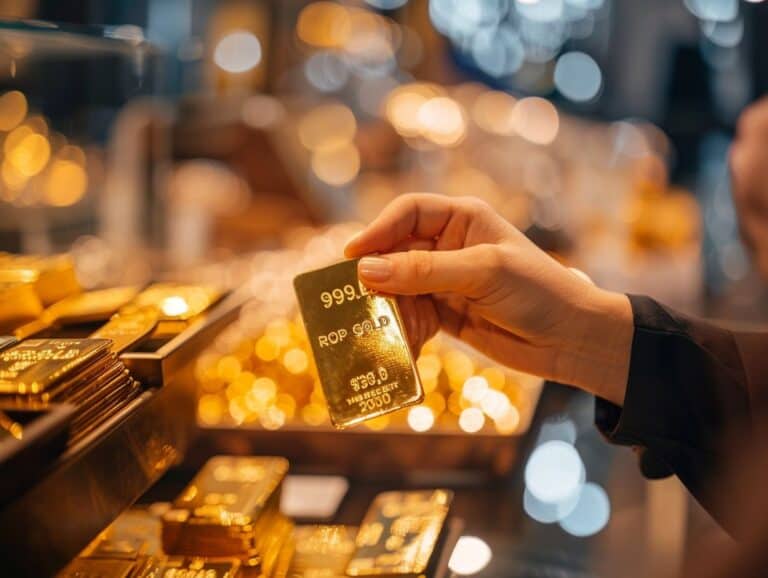
Many people wonder if they should sell their silver and gold jewelry, especially when prices are high or financial needs arise. The decision to sell depends on your current financial situation, the market value of your pieces, and whether you’re emotionally ready to part with items that may hold sentimental value.
Gold and silver jewelry can serve as valuable investments that appreciate over time. They can be useful assets during economic uncertainty.
Understanding when and how to sell requires knowledge of current market conditions and proper valuation methods. There are various selling options available.
Gold continues to trade near historically high levels in early 2025, which may present an opportune time for sellers. However, rushing into a sale without proper preparation can lead to missed opportunities or unfavorable deals.
The process involves evaluating your jewelry’s worth and choosing the right buyer. Timing your sale strategically is also important.
Whether dealing with inherited pieces, modern jewelry, or collectible items, each type requires different considerations. This helps maximize returns while avoiding common mistakes that can cost sellers money.
Key Takeaways
- Selling silver and gold jewelry should be based on your financial needs, market conditions, and emotional attachment to the pieces.
- Professional appraisals and market research are essential to determine true value and avoid getting less than your jewelry is worth.
- Choosing reputable buyers and comparing multiple offers helps ensure you receive fair compensation for your precious metals.
Deciding Whether to Sell Silver and Gold Jewelry
The decision to sell precious metal jewelry depends on personal financial needs, market conditions, and emotional attachment to the pieces. Understanding these factors helps jewelry owners make informed choices about when and why to liquidate their assets.
Common Reasons for Selling Jewelry
People sell silver jewelry for various practical reasons. Financial emergencies often drive immediate sales when cash is needed quickly.
Primary motivations include:
- Unexpected medical bills or home repairs
- Job loss or reduced income
- Debt consolidation needs
- Major purchases like cars or education expenses
Market opportunities also prompt sales. When gold or silver prices reach historic highs, owners may choose to capitalize on favorable conditions.
Some people inherit jewelry they don’t wear or appreciate. Rather than storing unused pieces, they convert them to cash for more practical uses.
Lifestyle changes create selling opportunities too. Divorced individuals may sell wedding rings, while those moving to smaller homes might liquidate collections.
Emotional and Financial Considerations
Selling silver and gold jewelry requires balancing emotional attachment with financial benefits. Family heirlooms carry sentimental value that exceeds their monetary worth.
Key emotional factors:
- Memories associated with specific pieces
- Family history and generational significance
- Personal milestones marked by jewelry gifts
Financial considerations focus on immediate needs versus long-term potential. Precious metals typically appreciate over time, making them solid investments.
Ready to Protect Your Retirement?
Request your free State-Specific Gold IRA information kit and take the first step toward securing your financial future with precious metals.
Free Gold IRA GuideThe value of silver fluctuates based on market conditions. Current financial situations may outweigh future appreciation potential.
Professional appraisals help separate emotional value from actual market worth. This information enables more objective decision-making.
Timing Your Sale for Maximum Value
Market timing significantly impacts selling prices. Gold and silver values respond to economic uncertainty and inflation concerns.
Optimal selling conditions:
- Economic downturns when investors seek safe assets
- High inflation periods
- Currency instability
- Geopolitical tensions
Patience often rewards sellers with better prices. Rushing sales during market lows reduces potential returns.
Seasonal patterns affect demand. Holiday periods and tax seasons may influence buyer behavior and pricing.
Multiple appraisals provide market timing insights. Comparing offers from different buyers reveals current demand levels.
Those who sell silver should monitor price trends for several weeks before committing to sales. This approach helps identify favorable selling windows.
Understanding the Value of Silver and Gold Jewelry
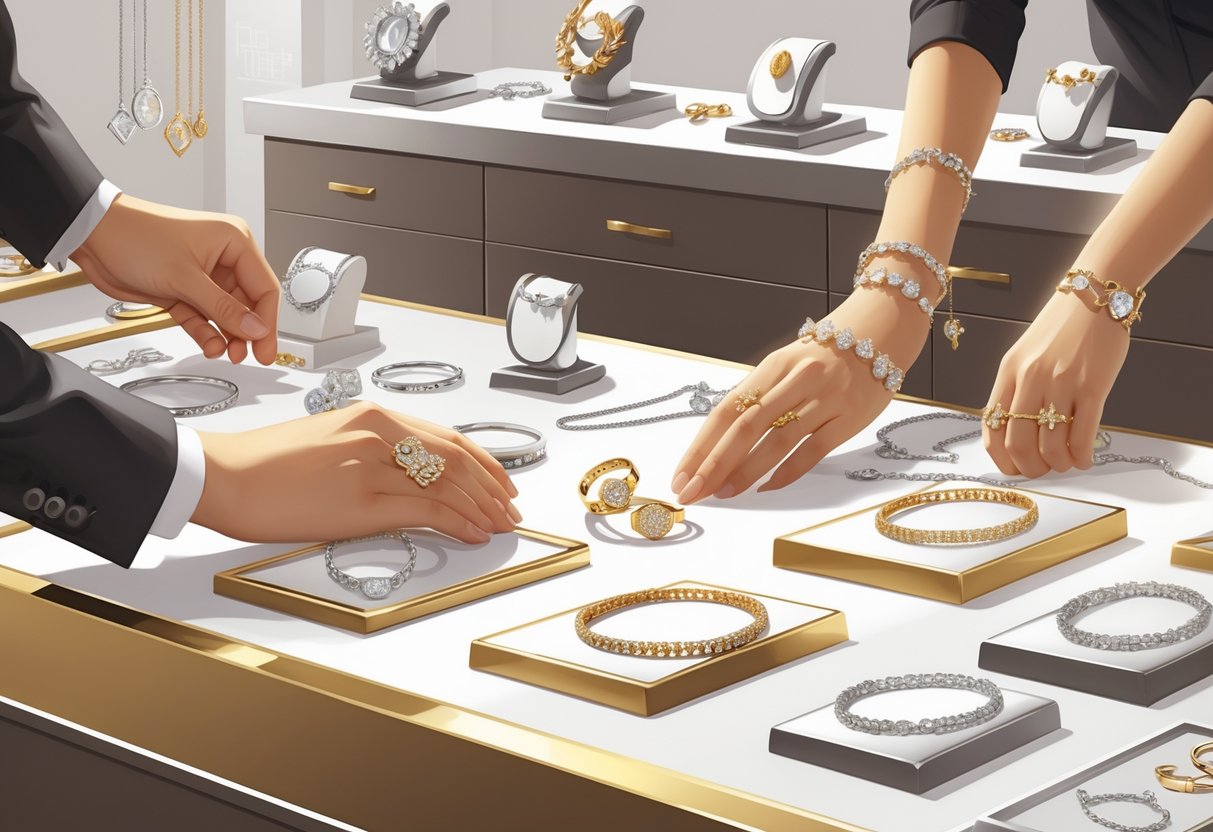
The value of precious metal jewelry depends on multiple factors including current market prices, metal purity, and consumer demand. Silver and gold prices fluctuate daily based on economic conditions, while the metal content and craftsmanship directly impact individual piece valuations.
Market Price Influences
Precious metal prices change based on global economic conditions and market sentiment. When economies face uncertainty, investors often turn to gold and silver as safe investments, driving prices higher.
Daily spot prices determine the base value of gold and silver content. These prices reflect what traders pay for raw metals on commodity exchanges.
Market trends and timing can significantly impact selling decisions. Economic indicators like inflation rates, currency strength, and geopolitical events directly affect precious metal values.
How Much Will Your Gold IRA Really Cost?
See exactly how much you'll pay in setup, annual, and storage fees. Get personalized company recommendations based on your investment amount and retirement timeline.
Calculate My Total FeesDuring economic downturns, gold typically maintains or increases value better than silver.
Key Market Factors:
- Economic uncertainty and inflation
- Currency exchange rates
- Supply and demand dynamics
- Geopolitical tensions
Silver prices tend to be more volatile than gold prices. This volatility creates both opportunities and risks for sellers.
Silver Versus Gold Value
Gold consistently maintains higher value per ounce compared to silver. The gold-to-silver ratio typically ranges from 50:1 to 80:1, meaning one ounce of gold equals 50-80 ounces of silver in value.
Sterling silver contains 92.5% pure silver mixed with other metals for durability. Pure silver is too soft for most jewelry applications, making silver alloy compositions standard in the industry.
Gold holds its value better over time than silver due to its industrial applications and investment demand. Silver experiences more price swings because of its dual role as both precious metal and industrial commodity.
Value Comparison:
- Gold: Higher stability, premium pricing
- Silver: More volatile, lower entry point
- Sterling silver: Standard jewelry grade (92.5% purity)
- Pure silver: Rarely used in jewelry due to softness
The value of silver depends heavily on purity markings like “925” for sterling silver or “999” for pure silver.
Impact of Demand on Pricing
Consumer demand for silver and gold jewelry varies by region, fashion trends, and economic conditions. Higher demand typically leads to better selling prices for jewelry owners.
Silver jewelry demand often depends on fashion trends and affordability. Silver appeals to younger buyers and those seeking trendy pieces at lower price points.
Industrial demand affects silver prices more than gold. Silver’s use in electronics, solar panels, and medical devices creates additional price pressure beyond jewelry demand.
Demand Factors:
- Fashion and style trends
- Economic purchasing power
- Industrial applications
- Investment interest
Seasonal patterns also influence demand. Wedding seasons and holidays typically increase jewelry demand, potentially improving selling conditions for owners.
Don't Pay More Taxes Than You Have To
The wrong Gold IRA choice could cost you thousands in unnecessary taxes. See exactly how much you'll pay in taxes with a Traditional vs. Roth Gold IRA. Compare both options side-by-side based on your age, income, and retirement timeline.
The resale value between gold and silver jewelry depends on these demand cycles and market conditions at the time of sale.
Identifying and Evaluating Your Jewelry
Proper identification starts with understanding metal purity, recognizing official markings, and knowing different silver compositions. Identifying materials and their hallmarks determines the true value of precious metal jewelry.
Spotting Authentic Silver and Gold
Real silver has a bright white color with a slight gray tint. It feels heavier than similar-sized costume jewelry pieces.
Silver tarnishes naturally over time, developing a black or dark gray coating. This tarnishing actually indicates authenticity since pure silver and sterling silver both react with air.
Gold maintains its color and does not tarnish. Real gold feels dense and heavy in the hand.
Simple Tests for Authenticity:
- Magnet test: Neither silver nor gold sticks to magnets
- Ice test: Silver conducts heat quickly, melting ice faster than other metals
- Skin test: Real gold does not turn skin green
Fake metals often have a yellowish or brassy tint underneath plating. They may also cause allergic reactions or skin discoloration.
Recognizing Hallmarks and Markings
Most gold jewelry and silver coins bear hallmarks indicating their purity and origin. These tiny stamps appear on clasps, inner bands, or hidden surfaces.
Common Silver Markings:
- 925: Sterling silver (92.5% pure silver)
- 999 or Fine: Nearly pure silver (99.9%)
- 800: Lower grade silver alloy
- STERLING: Indicates sterling silver quality
Gold Markings:
- 14K or 585: 14-karat gold (58.5% gold content)
- 18K or 750: 18-karat gold (75% gold content)
- 24K: Pure gold (rare in jewelry)
Use a magnifying glass to find these small stamps. Missing hallmarks do not always mean fake jewelry, but they make authentication harder.
Identifying Silver Alloys and Purity
Sterling silver contains 92.5% pure silver mixed with 7.5% other metals, usually copper. This combination creates durability while maintaining silver’s appearance.
Pure silver is too soft for most jewelry applications. It bends easily and scratches quickly with normal wear.
Silver Alloy Types:
Gold IRA Company Comparison Checklist
Before choosing a Gold IRA company, use our comprehensive checklist to compare fees, reputation, storage options, and customer service ratings.
Download Checklist- Sterling Silver: Most common jewelry grade
- Coin Silver: 90% silver content, found in older American pieces
- Britannia Silver: 95.8% silver, higher purity than sterling
- Fine Silver: 99.9% pure, used mainly for bullion
Silver jewelry often shows wear patterns that reveal the base metal underneath. Real sterling silver shows the same white color throughout when scratched lightly.
Lower-grade silver alloys may contain nickel, which can cause skin reactions. Higher silver content generally means better value and fewer allergic reactions.
Preparing Your Jewelry for Sale
Getting jewelry ready for sale requires three key steps: cleaning pieces to show their best appearance, weighing and documenting each item accurately, and obtaining professional appraisals to determine fair market value.
Cleaning and Presenting Jewelry
Clean jewelry sells for better prices than tarnished or dirty pieces. Silver jewelry needs special attention since it tarnishes over time.
Use a soft cloth and mild soap to clean gold pieces gently. Avoid harsh chemicals that can damage delicate settings or gemstones.
For silver jewelry, use a silver polishing cloth or gentle silver cleaner. Remove tarnish carefully to restore the metal’s natural shine.
Never use abrasive materials that can scratch the surface.
Essential cleaning supplies:
- Soft microfiber cloths
- Mild dish soap
- Silver polishing cloths
- Soft-bristled toothbrush
- Warm water
Check each piece for loose stones or damaged clasps after cleaning. Professional cleaning services can handle valuable or delicate items safely.
Take clear photos of cleaned jewelry from multiple angles. Good lighting shows the true condition and helps buyers see the quality.
Weighing and Documenting Items
Accurate weight measurements help determine the value of silver and gold jewelry. Precious metals are priced by weight, making this step crucial.
Use a digital scale that measures to at least 0.1 grams for accuracy. Record the weight of each piece separately.
Documentation checklist:
Reserved for Portfolios of $500K or More
Your portfolio qualifies you for an exclusive one-on-one web conference with a senior precious metals advisor, priority service, and direct access to strategies reserved for our most valued clients.
Request Your Exclusive Guide- Item weight in grams
- Metal type and purity
- Stone descriptions
- Current condition notes
- Clear photographs
Create a detailed inventory list with descriptions of each piece. Include any maker’s marks, hallmarks, or stamps that indicate purity.
Note the karat for gold items (10k, 14k, 18k) and sterling silver markings. These stamps affect the final selling price significantly.
Keep all original receipts, certificates, or previous appraisals. This paperwork proves authenticity and helps justify asking prices.
Getting Professional Appraisals
Professional appraisals provide accurate market values for jewelry pieces. Certified appraisers evaluate metals, stones, and craftsmanship objectively.
Choose appraisers with proper credentials from recognized organizations. Look for American Society of Appraisers or American Gem Society certifications.
Expect to pay $50-150 per piece for detailed appraisals. The cost is worthwhile for valuable items or when selling silver jewelry worth hundreds of dollars.
Appraisal benefits:
- Establishes fair market value
- Provides written documentation
- Identifies genuine vs. fake pieces
- Reveals hidden damage or repairs
Schedule appraisals for items you suspect have significant value. Family heirlooms, designer pieces, or jewelry with large stones warrant professional evaluation.
The appraiser will examine each piece under magnification. They will test metals and evaluate gemstones.
Detailed reports with current market valuations are provided after the examination.
Where and How to Sell Silver and Gold Jewelry
Sellers have three main options for turning their precious metal jewelry into cash: local jewelers who provide immediate transactions, online marketplaces that reach global buyers, and auction or consignment services that handle the selling process.
Each method offers different advantages in terms of speed, pricing, and convenience.
Selling to a Local Jeweler
Local jewelers provide the fastest way to convert jewelry into cash. Most jewelry stores will evaluate pieces on the spot and make immediate offers.
Advantages of local sales:
Your Complete Gold IRA Beginner's Guide
No confusing jargon. No pressure. Just clear answers about how Gold IRAs work, what they cost, and whether they're right for your retirement. Get the facts before you invest.
Get Your Free Starter Guide- Instant cash payment
- No shipping risks
- Face-to-face negotiation
- Professional evaluation equipment
Jewelers typically pay based on the metal’s weight and current market prices. They may offer more for designer pieces or items they can resell as complete jewelry rather than scrap metal.
Pawn shops and jewelry stores often display “We Buy Gold” signs and accept silver as well. These businesses need inventory and may pay competitive rates for quality pieces.
Getting multiple quotes helps sellers understand their jewelry’s value. Different buyers may offer varying prices based on their current inventory needs and business models.
Utilizing Online Marketplaces
Online platforms connect sellers with buyers worldwide. This broader reach often results in higher selling prices compared to local options.
Popular online selling platforms:
- eBay for auctions and fixed-price listings
- Facebook Marketplace for local transactions
- Etsy for vintage or handmade pieces
- Specialized jewelry resale sites
Online marketplaces require sellers to create detailed listings with clear photos. Good descriptions and professional-looking images significantly impact sale prices.
eBay allows sellers to set reserve prices or use auction formats. This platform works well for unique pieces that might attract collector interest.
Sellers must handle shipping, insurance, and customer service. Payment processing fees typically range from 3-13% depending on the platform.
Auctions and Consignment Options
Professional auction houses and consignment shops handle the entire selling process. These services work best for valuable or unique pieces.
Consignment process:
- Professional appraisal
- Photography and listing creation
- Marketing to potential buyers
- Transaction handling
- Payment processing
Specialty platforms like Worthy or The RealReal focus on high-end jewelry and luxury items. They provide authentication services and access to serious collectors.
Consignment shops take 20-50% commission but offer expertise in pricing and marketing. The process takes longer than direct sales but may yield higher final prices.
Auction houses work well for antique pieces, designer jewelry, or items with historical significance. They provide professional marketing and reach collectors willing to pay premium prices.
Don't Choose Blindly
Selecting the right Gold IRA company is crucial for your retirement. Use our comprehensive comparison checklist to evaluate providers and make the best decision for your financial future.
Get Your ChecklistTips to Maximize Your Return
Getting the best price when selling silver and gold jewelry requires preparation and smart negotiation. Understanding market dynamics and protecting yourself during transactions can significantly increase profits.
Negotiating Sale Prices
Research current market rates before entering any negotiation. Silver prices change daily based on global economic conditions and supply demands.
Get multiple quotes from different buyers. Jewelry stores might offer better prices for high-quality pieces, while pawn shops provide quick sales at lower rates.
Know your jewelry’s exact weight and purity. Bring a scale and magnifying glass to verify measurements during negotiations.
Key negotiation tactics:
- Start with higher-end buyers first
- Ask about their pricing formula
- Request written offers
- Don’t accept the first offer immediately
Present your items professionally. Clean pieces thoroughly and organize them by metal type and quality.
Time your sale strategically. Economic uncertainty often drives precious metal prices higher, creating better selling opportunities.
Avoiding Common Selling Mistakes
Never sell without getting a professional appraisal first. Understanding the process and what to expect can help avoid common pitfalls.
Don’t rush into quick cash offers. High-pressure tactics often signal below-market pricing.
Common mistakes to avoid:
- Selling to the first buyer contacted
- Accepting verbal offers only
- Not checking buyer credentials
- Ignoring antique or designer value
Separate scrap metal from valuable pieces. Designer jewelry or antique items are often worth more than their metal content alone.
Avoid selling during market lows. Track precious metal prices for several weeks before making decisions.
Research buyer reputations thoroughly. Read online reviews and check Better Business Bureau ratings before committing to any sale.
Ensuring Safe Transactions
Choose reputable buyers with established business locations. Online marketplaces provide broader audiences but require great caution regarding trustworthiness.
How Gold Performed During Every Stock Market Crash
See the data: when stocks dropped 19.4% in 2022, gold only fell 4.3%. Compare gold's downside protection across decades of market volatility and economic crises.
Compare Crash PerformanceMeet in public places for private sales. Police stations often provide safe exchange zones for valuable item transactions.
Safety checklist:
- Verify buyer identification
- Bring a trusted friend
- Use secure payment methods
- Keep transaction records
Get all agreements in writing. Include item descriptions, weights, purities, and final prices before completing any sale.
Use insured shipping for mail transactions. Require signature confirmation and photograph items before packaging.
Verify payment before releasing items. Cashier’s checks and wire transfers offer more security than personal checks.
Keep detailed records for tax purposes. Document all sales with receipts, photos, and buyer information for future reference.
Frequently Asked Questions
Selling precious metals involves timing the market correctly and understanding authentication methods. Sellers need to know about tax requirements, pricing factors, and how to identify trustworthy buyers while avoiding common scams.
What are the signs that now is the right time to sell my gold and silver jewelry?
Economic uncertainty often drives precious metal prices higher as investors seek safe assets. When stock markets decline or inflation rises, gold and silver typically gain value.
High spot prices for gold and silver indicate favorable selling conditions. Sellers should monitor daily precious metal prices and compare them to historical averages.
Personal financial needs also determine timing. Emergency expenses or major purchases might require liquidating jewelry regardless of market conditions.
How do I determine if my sterling silver is genuine before selling it?
Genuine sterling silver contains 92.5% pure silver and carries hallmarks like “925,” “SS,” or “Sterling.” These stamps typically appear on clasps, backs, or hidden areas of jewelry pieces.
The magnet test helps identify fake silver since real silver is not magnetic. A strong magnet should not attract genuine sterling silver items.
Professional testing by jewelers or precious metal dealers provides accurate verification. They use acid tests or electronic testers to confirm silver content and purity levels.
What factors should I consider to ensure I receive a fair price for my gold jewelry?
Gold purity measured in karats directly affects value. 24-karat gold contains 100% pure gold, while 14-karat contains 58.3% gold content.
Weight determines the base value of gold jewelry. Sellers should know the exact weight in grams or troy ounces before seeking quotes.
Plan Your Gold IRA Distributions Strategically
Calculate which ounces to sell, when to take distributions, and how to minimize tax impact. Get your personalized RMD strategy based on current gold prices and IRS tables.
Create My RMD PlanCurrent market prices for gold change daily. Professional evaluators can accurately price gold items and explain their worth to sellers.
Designer brands or antique pieces may carry premium values beyond their metal content. Craftsmanship and historical significance add extra worth.
Are there tax implications I need to be aware of when selling precious metals like gold and silver?
The IRS considers precious metals as collectibles subject to capital gains tax. Sellers pay taxes on the difference between purchase price and selling price.
Short-term capital gains apply to metals held for less than one year. These gains are taxed as ordinary income at regular tax rates.
Long-term capital gains rates apply to metals held over one year. These rates are typically lower than ordinary income tax rates.
Sellers should keep detailed records of purchase dates, prices, and selling transactions. Documentation helps calculate accurate tax obligations.
What are the best practices for selling gold and silver jewelry to avoid scams?
Reputable buyers provide detailed explanations of jewelry value and pricing methods. They should test items in front of sellers and explain their evaluation process.
Sellers should obtain multiple quotes from different buyers before making decisions. Price comparisons help identify fair market offers versus lowball attempts.
Legitimate dealers display proper licenses and business credentials. They operate from established locations rather than temporary setups or door-to-door operations.
Sellers should never feel pressured to accept immediate offers. Trustworthy buyers allow time for consideration and comparison shopping.
How do I find reputable buyers for my gold and silver jewelry?
Jewelry stores often offer better prices for high-quality pieces compared to other buying options. Established jewelers have professional appraisers and transparent pricing.
Specialized precious metal dealers understand market values and provide competitive rates. They focus specifically on gold and silver transactions.
Online platforms reach broader audiences but require careful verification of buyer credentials. Sellers should research buyer ratings and reviews thoroughly.
Local coin shops often purchase jewelry along with coins and bullion. Many have experienced appraisers familiar with precious metal values.




One More Thing...
If you're serious about protecting your retirement, get the complete Gold IRA guide. It's free, there's no obligation, and it could be one of the smartest financial decisions you make.
Get Your Guide