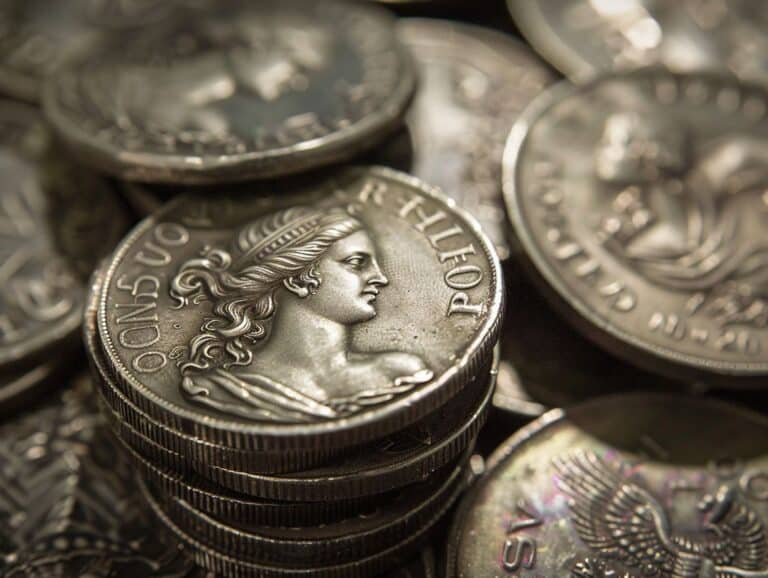
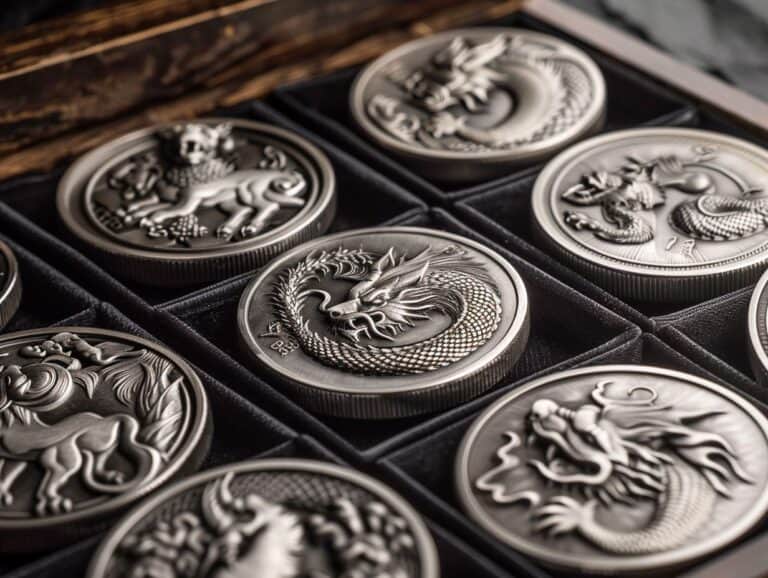
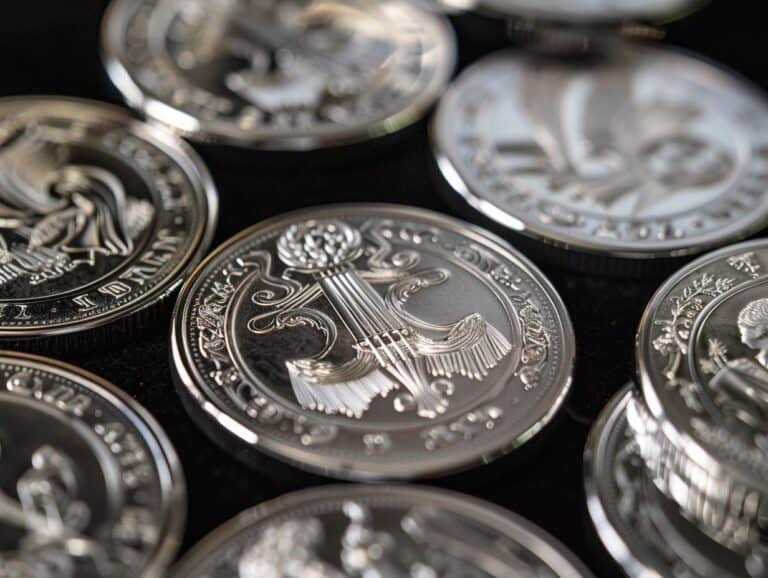
Chinese Lunar Silver Coins represent one of the most fascinating intersections of cultural tradition and precious metal investing. These commemorative silver coins minted by the People’s Bank of China celebrate the Chinese zodiac’s 12-year cycle, with each coin featuring a different animal sign.
These coins have become highly popular among collectors and investors worldwide due to their unique designs, cultural significance, and precious metal content.
The Chinese government began producing lunar coins in 1981 to commemorate the Chinese New Year celebrations. Each coin displays the zodiac animal for its corresponding year on the reverse side, while the obverse features historical buildings or notable cultural images.
The series has evolved significantly over the decades. Changes in size, metal content, and production standards reflect China’s economic growth and technological advances.
Understanding these coins requires knowledge of their various series, grading standards, and market dynamics. The coins come in multiple formats including different weights, denominations, and special shapes like scalloped and fan designs.
Collectors and investors need to navigate the complexities of authentication, pricing trends, and the long-term investment potential of these culturally rich precious metal assets.
Key Takeaways
- Chinese Lunar Silver Coins are commemorative coins that celebrate the 12-year Chinese zodiac cycle and have gained worldwide popularity since 1981
- The coins feature unique designs with zodiac animals on the reverse and cultural imagery on the obverse, produced in various series with different specifications
- These coins offer both collectible value through their cultural significance and investment potential through their precious metal content
Understanding Chinese Lunar Silver Coins
Chinese Lunar Silver Coins started in 1981 as commemorative pieces celebrating the Chinese New Year. Each coin features zodiac animals in a 12-year cycle, making them valuable collectibles and investments.
Definition and Significance
Chinese lunar coins are commemorative pieces issued by China since 1981 to celebrate the Chinese New Year. These coins come in gold, silver, and platinum varieties with different sizes and shapes.
Each silver lunar coin shows the zodiac animal for its year on the back. The front features important Chinese buildings or cultural images.
This design makes them both art pieces and money. The coins hold deep meaning in Chinese culture.
They represent the connection between time, nature, and human life. Many people buy them as gifts for Chinese New Year celebrations.
Key Features:
- Reverse side: Zodiac animal for the year
- Obverse side: Historical buildings or cultural symbols
- Materials: Available in silver, gold, and platinum
- Purpose: Commemorate Chinese New Year traditions
Silver lunar coins serve as both investments and cultural artifacts. Their limited production numbers make them popular with collectors worldwide.
Origins of the Lunar Calendar
The Chinese lunar calendar dates back over 4,000 years. It follows moon cycles instead of the sun like Western calendars.
Each month begins with a new moon. This calendar system divides time into 12-year cycles.
Ready to Protect Your Retirement?
Request your free State-Specific Gold IRA information kit and take the first step toward securing your financial future with precious metals.
Free Gold IRA GuideEach year gets assigned one of 12 animals. The animals repeat in the same order every 12 years.
Ancient Chinese people used this calendar for farming and festivals. They believed each animal year brought different luck and personality traits.
This belief still influences Chinese culture today. The calendar affects major Chinese holidays.
Chinese New Year happens on the first new moon between January 21 and February 20. This date changes each year because of the lunar system.
The 12-Year Animal Cycle:
- Rat, Ox, Tiger, Rabbit
- Dragon, Snake, Horse, Goat
- Monkey, Rooster, Dog, Pig
Modern China still uses this calendar alongside the Western calendar. Many Asian countries also follow similar lunar calendar systems.
Chinese Zodiac Themes
Each zodiac animal represents specific traits and meanings. The dragon symbolizes power and good fortune.
The tiger represents courage and strength. People born in each animal year supposedly share certain characteristics.
Dragon year babies are thought to be lucky and successful. Snake year children might be wise and mysterious.
Popular Zodiac Animals on Coins:
- Dragon: Most sought-after, represents imperial power
- Tiger: Symbolizes bravery and protection
- Snake: Associated with wisdom and mystery
- Monkey: Represents cleverness and curiosity
Coin designs often show animals in traditional Chinese art styles. Artists use flowing lines and detailed backgrounds.
Some coins feature the animals with Chinese symbols or landscapes. The artwork changes between different coin series.
Early coins had simpler designs. Modern coins show more detailed and colorful artwork.
How Much Will Your Gold IRA Really Cost?
See exactly how much you'll pay in setup, annual, and storage fees. Get personalized company recommendations based on your investment amount and retirement timeline.
Calculate My Total FeesCollectors often focus on specific animals that match their birth years. This personal connection makes the coins more meaningful to buyers.
Key Features and Designs
Chinese lunar silver coins feature distinctive zodiac animal designs on the reverse side with traditional Chinese cultural imagery on the obverse. These coins come in various shapes, sizes, and special editions including colorized versions.
Iconic Silver Lunar Coin Motifs
The reverse of each coin depicts the zodiac animal for the corresponding year of issue. Each design showcases detailed artwork representing one of the twelve animals from the Chinese zodiac cycle.
Common zodiac animals featured include:
- Dragon – Symbol of power and good fortune
- Tiger – Represents courage and strength
- Snake – Associated with wisdom and transformation
- Ox – Symbolizes hard work and determination
The obverse side displays historical buildings or notable cultural images from Chinese heritage. These designs often feature famous landmarks like temples, pagodas, or traditional architecture.
Artists create intricate details that highlight the characteristics of each zodiac animal. The craftsmanship emphasizes traditional Chinese artistic styles while maintaining modern minting quality.
Popular Shapes and Sizes
Chinese lunar series consist of gold, silver and platinum coins, in a variety of sizes, denominations and shapes. Silver lunar coins typically come in several standard weights and formats.
Common Sizes:
| Weight | Diameter | Typical Use |
|---|---|---|
| 1 oz | 40mm | Most popular size |
| 2 oz | 45mm | Premium collecting |
| 5 oz | 65mm | Investment grade |
| 10 oz | 80mm | Collector showcase |
The 2025 30g China Lunar Snake Blossom Shape demonstrates unique formatting options. Some coins feature non-traditional shapes like flowers or geometric patterns.
Round coins remain the most common format for silver lunar coin designs. Rectangular and scalloped edge versions also exist for special releases.
Colorized and Special Editions
Many silver lunar coins feature colorized elements that enhance the zodiac animal designs. These special versions add vibrant colors to highlight specific details of the featured animal.
The 2025 30g China Lunar Snake Blossom Shape .999 Silver Coloured Proof coin showcases a harmonious blend of traditional Chinese culture and modern artistic styles. This demonstrates how color applications create visual appeal.
Special Edition Features:
Don't Pay More Taxes Than You Have To
The wrong Gold IRA choice could cost you thousands in unnecessary taxes. See exactly how much you'll pay in taxes with a Traditional vs. Roth Gold IRA. Compare both options side-by-side based on your age, income, and retirement timeline.
- Gold gilding on select design elements
- Multi-colored enamel applications
- Holographic security features
- Antique finish treatments
Proof versions offer mirror-like surfaces with frosted design elements. These coins undergo special minting processes that create superior visual quality compared to standard bullion versions.
Limited mintage numbers make colorized editions particularly attractive to collectors. The combination of precious metal content and artistic enhancement increases both aesthetic and investment value.
History and Evolution of Chinese Lunar Silver Coins
Chinese lunar coins began in 1981 with the Year of the Rooster, marking the start of a commemorative series that would span decades. The series evolved from simple gold and silver offerings to include platinum coins and innovative formats that challenged traditional coin collecting.
Early Issues and Developments
China launched its first pair of lunar calendar coins in 1981 with an eight-gram gold coin and a fifteen-gram silver coin for the Year of the Rooster. The People’s Bank of China created these coins to celebrate the Chinese zodiac’s twelve-year cycle.
Each silver lunar coin featured the zodiac animal for its corresponding year on the reverse side. The obverse displayed historical buildings or notable cultural images that represented Chinese heritage.
The early coins established a pattern that would continue for decades. The zodiac inspiration came from thousands of years of Chinese astrology and cultural tradition.
Collectors worldwide quickly embraced these early issues. The coins combined investment value with cultural significance, making them appealing to both numismatists and investors.
Major Series and Milestones
The Lunar Series expanded significantly over 31 years to include silver, gold, and platinum denominations. By 1988, platinum coins joined the series, offering collectors more precious metal options.
The China Mint introduced various innovative formats throughout the series’ development. These changes made collecting lunar coins both interesting and challenging for enthusiasts.
Key Milestones:
- 1981: First rooster coins released
- 1988: Platinum coins added
- Various sizes from 3 grams to 10 kilograms introduced
The series included China’s largest gold coin at 10 kilograms with a 100,000 Yuan denomination and only eighteen pieces minted. This massive coin demonstrated the series’ range and exclusivity.
Modern Innovations
The Chinese lunar series evolved to include multiple sizes, denominations, and shapes beyond traditional round coins. Modern issues feature advanced minting techniques and varied formats.
Contemporary lunar coins range from small 3-gram gold pieces to substantial 30-gram silver coins. This variety allows collectors with different budgets to participate in the series.
Gold IRA Company Comparison Checklist
Before choosing a Gold IRA company, use our comprehensive checklist to compare fees, reputation, storage options, and customer service ratings.
Download ChecklistThe China Mint incorporated new design elements and security features in recent years. These improvements enhanced both the coins’ aesthetic appeal and their authenticity verification.
Modern Features:
- Multiple shapes beyond traditional rounds
- Enhanced security elements
- Varied denominations for different collectors
- Improved minting techniques
The series continues to attract global attention from collectors and investors. Each new zodiac year brings fresh designs while maintaining the traditional elements that define lunar coins.
Mints and Production Insights
Multiple mints across the world produce Chinese lunar silver coins, with China’s official mint leading production alongside international facilities. Each mint uses specific techniques and quality standards to create these collectible pieces.
China Mint and Its Role
The China Mint serves as the primary producer of official Chinese lunar silver coins. The first pair of lunar calendar coins were issued in 1981, featuring an eight gram gold coin and a fifteen gram silver coin.
The mint operates under strict government oversight. It controls the official design standards for all lunar-themed coins.
Each year’s release follows the traditional Chinese zodiac calendar. China’s official mint produces coins in multiple formats.
These include standard bullion coins, proof versions, and special commemorative editions. The mint also creates different sizes and denominations each year.
Quality control remains a top priority. The mint uses advanced security features to prevent counterfeiting.
Official coins receive proper certification and documentation upon release.
International Mints Involved
The Perth Mint in Western Australia leads international production of Chinese lunar silver coins. The Perth Mint started releasing these lunar-themed coins in 1999 and continues annual production.
Australia’s Perth Mint has established itself as a leader in terms of Chinese zodiac coins. The facility currently produces Series III, which began in 2020 with the Year of the Rat.
The Royal Mint also participates in lunar coin production. The Royal Mint Shēngxiào Collection runs from 2014 to 2025, creating a complete 12-year zodiac set.
These international mints offer different design approaches. Each facility maintains its own artistic interpretation while respecting Chinese cultural traditions.
Reserved for Portfolios of $500K or More
Your portfolio qualifies you for an exclusive one-on-one web conference with a senior precious metals advisor, priority service, and direct access to strategies reserved for our most valued clients.
Request Your Exclusive GuideProduction Techniques
Modern lunar silver coin production uses advanced minting technology. Perth Mint lunar coins are struck from .9999 fine silver, meeting the highest purity standards.
Mints produce both proof and business strike versions. Proof coins receive multiple strikes for enhanced detail and mirror-like finishes.
Business strikes focus on durability and mass production.
Production Methods Include:
- High-pressure coin presses
- Multiple die strikes for proofs
- Quality inspection systems
- Anti-counterfeiting features
The mint strikes Australian lunar coins in gold and silver, producing both proofs and business strikes in multiple sizes. This variety meets different collector and investor needs.
Advanced die-cutting technology creates intricate zodiac animal designs. Each year requires new dies to reflect the current zodiac animal.
The process ensures consistent quality across all denominations.
Collecting and Grading Chinese Lunar Silver Coins
Professional grading services like NGC provide standardized coin evaluations and population data. Collectors typically start with a specific zodiac animal or year before expanding to complete 12-year cycles.
Coin Grading and the NGC Census
The NGC grading service evaluates Chinese lunar silver coins on a 70-point scale. Mint State (MS) coins range from MS-60 to MS-70.
Proof coins use the PF scale with the same numbering system. NGC tracks current silver lunar coin prices and updates values every fifteen minutes during market hours.
The NGC census shows population reports for graded coins. This data helps collectors understand rarity levels.
Higher grade coins command premium prices. MS-69 and MS-70 examples often sell for multiples of lower grade coins.
Proof coins typically grade higher than business strikes due to their production methods.
Common grade ranges for lunar coins include:
- MS-65 to MS-67: Average circulated quality
- MS-68 to MS-69: Above average condition
- MS-70: Perfect condition (rare)
How to Start a Collection
New collectors should focus on one zodiac animal or recent years first. The lunar series began in 1981 with the Year of the Rooster coin.
This makes building complete sets challenging for beginners. Collectors can find current values by year and grade to help guide purchases.
Your Complete Gold IRA Beginner's Guide
No confusing jargon. No pressure. Just clear answers about how Gold IRAs work, what they cost, and whether they're right for your retirement. Get the facts before you invest.
Get Your Free Starter GuideStarting with common years like 2000s issues provides affordable entry points.
Popular starting strategies include:
- Choose your birth year animal
- Focus on recent years (2010-present)
- Buy one coin from each denomination
- Start with silver before gold
Budget between $50-200 for common year silver coins in MS-65 to MS-67 condition. Early years like 1981-1985 cost significantly more.
Building Complete Zodiac Sets
Complete 12-year zodiac sets cover specific periods: 1981-1992, 1993-2004, and 2005-present. Each cycle offers different designs and denominations.
The first series (1981-1992) represents the most expensive set to complete. The 1981 Rooster coins are particularly scarce in high grades.
Collectors often spend several years finding quality examples.
Set Building Timeline:
- Years 1-3: Acquire common animals (Rat, Ox, Tiger)
- Years 4-6: Add mid-range animals (Rabbit, Dragon, Snake)
- Years 7-9: Focus on scarcer animals (Horse, Sheep, Monkey)
- Years 10-12: Complete with final animals (Rooster, Dog, Pig)
Many collectors choose mixed grade sets to balance cost and quality. This approach allows completion without paying premium prices for every coin in MS-69 or higher grades.
Storage in proper coin holders prevents damage during the collection process. Air-tight capsules protect silver from tarnishing over time.
Market Value, Pricing, and Investment Potential
Chinese Lunar Silver Coins demonstrate significant price variation based on year, condition, and size, with early series coins commanding premium prices. Investment potential remains strong due to limited mintages and growing collector demand worldwide.
Factors Affecting Value
Coin Age and Rarity play the most important role in determining value. Early Chinese Lunar Silver Coins from the 1980s command the highest prices, with the 1983 Year of the Pig 10 Yuan reaching $1,550 in top condition.
Coin Size and Weight directly impact pricing. Standard 1-ounce coins typically range from $90 to $675 depending on the year.
Larger 5-ounce coins command $400 to $3,150, while rare 12-ounce pieces can exceed $5,600.
Certification and Condition significantly affect market value.
NGC-certified coins maintain premium pricing over raw coins. The NGC census data helps collectors understand population numbers for each grade level.
Zodiac Animal Popularity influences demand patterns. Dragons and monkeys often trade at higher premiums than other animals due to cultural significance and collector preference.
Historic Price Trends
1980s Issues represent the strongest performers in the series. The 1981 Year of the Rooster 30 Yuan has maintained values between $350-$900.
Don't Choose Blindly
Selecting the right Gold IRA company is crucial for your retirement. Use our comprehensive comparison checklist to evaluate providers and make the best decision for your financial future.
Get Your ChecklistThe 1983 Year of the Pig shows exceptional strength at $650-$1,550 across different grades.
1990s Coins generally trade at more moderate levels.
Most 1-ounce pieces from this period range from $90-$290, making them more accessible to new collectors. The 1992 Year of the Monkey shows particular strength among this group.
Recent Performance indicates Lunar Series coins appreciate in value over time, with older series demonstrating this trend consistently. Price stability has improved as the market has matured and international recognition has grown.
Investment Perspectives
Long-term Appreciation potential remains strong based on several factors. Limited mintages, growing Chinese wealth, and international collector interest support future value growth.
The coins offer investment potential beyond their silver content value.
Market Liquidity has improved significantly over the past decade.
Major dealers now regularly stock these coins, and auction houses include them in regular sales. This increased liquidity benefits both buyers and sellers.
Risk Considerations include market volatility and authenticity concerns. Buyers should focus on certified examples and established dealers.
The premium over silver content can fluctuate based on collector demand and economic conditions.
Frequently Asked Questions
Collectors and investors often have specific questions about valuing, purchasing, and collecting Chinese Lunar Silver Coins. Understanding pricing guides, authentication methods, and the differences between various mint series helps buyers make informed decisions.
How can you determine the value of a Chinese Lunar Silver Coin?
The value of a Chinese Lunar Silver Coin depends on several key factors. Mintage numbers play a crucial role, as lower production quantities typically increase rarity and value.
The coin’s condition significantly affects its worth. Coins in pristine condition command higher prices than those with scratches or wear.
Silver content and purity also influence value. Most Chinese Lunar Silver Coins contain .999 pure silver, which provides intrinsic metal value.
The specific zodiac animal year depicted can impact desirability. Some animals are more popular among collectors than others.
Market demand fluctuates based on precious metal prices and collector interest. Current market trends affect pricing significantly.
How Gold Performed During Every Stock Market Crash
See the data: when stocks dropped 19.4% in 2022, gold only fell 4.3%. Compare gold's downside protection across decades of market volatility and economic crises.
Compare Crash PerformanceAuthentication and certification from reputable grading services add value. Certified coins typically sell for higher prices than uncertified examples.
What is the price guide for various years of Chinese Lunar Silver Coins?
Price guides for Chinese Lunar Silver Coins vary by year, condition, and mint. The NGC Chinese Modern Coin Price Guide provides updated values every fifteen minutes during market hours.
Early years in the series often command premium prices. The 1998 lunar calendar coin is considered the most sought-after in the Royal Canadian Mint series.
Coin dealers and auction results provide current market values. Professional appraisals offer accurate assessments for insurance or resale purposes.
Weight and denomination affect pricing structures. Coins range from small fractional sizes to larger commemorative pieces.
Special editions and proof versions typically cost more than standard bullion coins. Limited mintages increase collector premiums above silver spot prices.
Where can you purchase authentic Chinese Lunar Silver Coins?
Authorized precious metals dealers offer authentic Chinese Lunar Silver Coins. Major bullion dealers like APMEX stock various lunar series coins.
Local coin shops provide hands-on inspection opportunities. Collectors can examine coins before purchasing and build relationships with knowledgeable dealers.
Online marketplaces require careful verification of seller credentials. Reputable sellers provide detailed photos and accurate descriptions.
Coin shows and numismatic conventions offer direct access to multiple dealers. These events allow collectors to compare prices and selections.
Auction houses sell rare and high-grade examples. Estate sales sometimes yield valuable lunar coins at competitive prices.
What are the characteristics that make Chinese Lunar Silver Coins collectible?
Chinese Lunar Silver Coins feature intricate designs depicting zodiac animals. Each coin represents a specific year in the twelve-year lunar calendar cycle.
The cultural significance attracts collectors interested in Chinese heritage. The coins showcase traditional folklore and symbolism from ancient Chinese culture.
High silver purity and quality minting enhance collectibility. Most coins contain .999 fine silver with detailed engravings.
Plan Your Gold IRA Distributions Strategically
Calculate which ounces to sell, when to take distributions, and how to minimize tax impact. Get your personalized RMD strategy based on current gold prices and IRS tables.
Create My RMD PlanLimited production runs create scarcity among collectors. Annual releases maintain ongoing interest in completing sets.
Artistic merit and craftsmanship appeal to numismatists. The detailed artwork incorporates traditional Chinese motifs and symbols.
Investment potential combines precious metal value with collector premiums. The dual nature makes these coins attractive to both investors and collectors.
How does the Perth Mint Lunar Series differ from other Chinese Lunar Silver Coins?
The Perth Mint Lunar Series began in 1996 and features Australian production quality. The Perth Mint played a significant role in popularizing lunar coins globally.
Australian legal tender status distinguishes Perth Mint coins from Chinese-minted versions. This provides additional authenticity and recognition.
Design styles vary between Perth Mint and Chinese mint productions. Each mint incorporates unique artistic interpretations of zodiac animals.
Mintage quantities differ between the two producers. Perth Mint often has different production numbers than Chinese government mints.
Collector markets sometimes value one mint’s production over another. Regional preferences influence demand and pricing structures.
Quality control standards may vary between minting facilities. Both mints maintain high standards but use different production methods.
What should a collector look for when buying a Chinese Zodiac Coin Set?
Complete zodiac sets should include all twelve animals in the cycle. Missing animals reduce the set’s overall value and appeal.
Consistent minting years ensure cohesive collection presentation. Sets spanning multiple decades may have varying designs and quality levels.
Matching conditions across all coins enhance set value. Mixed conditions can significantly impact the collection’s worth.
Original packaging and certificates of authenticity add value. Proper certification from recognized agencies provides assurance.
Verify that all coins come from the same mint series. Mixing different mint productions creates inconsistent sets.
Check for any rare or low-mintage years within the set. These coins may command premium prices and increase overall value.




One More Thing...
If you're serious about protecting your retirement, get the complete Gold IRA guide. It's free, there's no obligation, and it could be one of the smartest financial decisions you make.
Get Your Guide