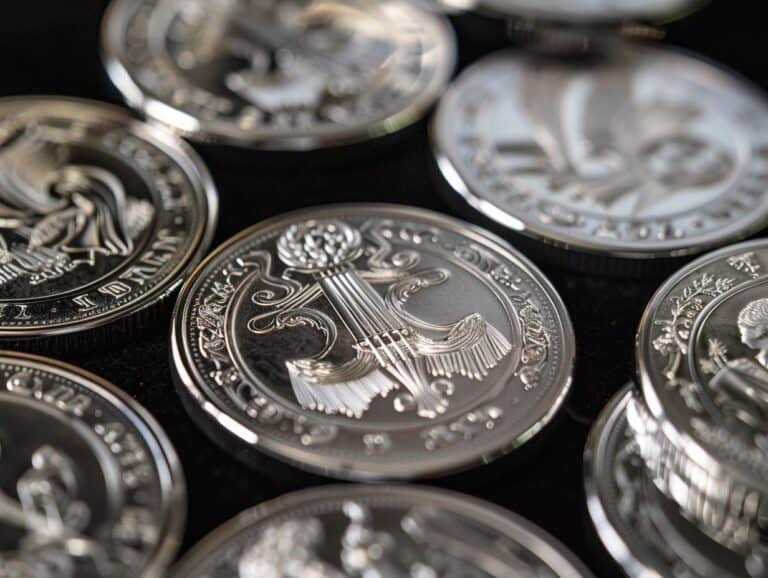
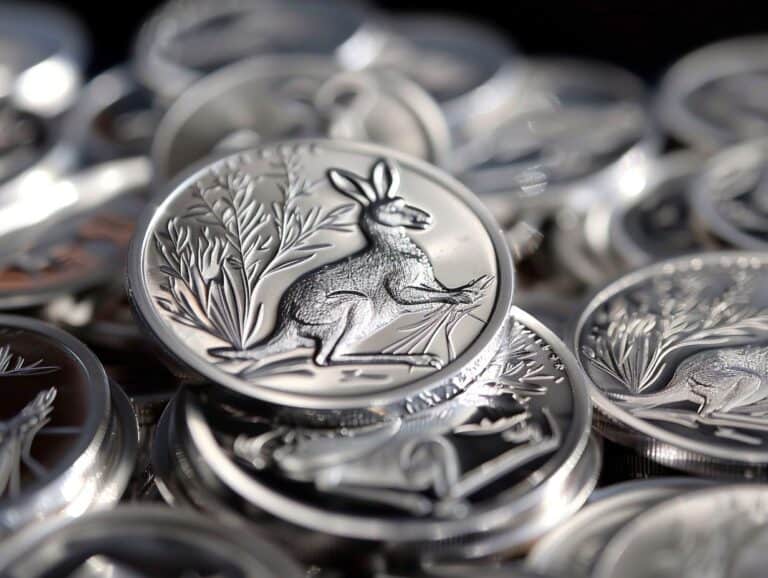
The British Silver Britannia coins are a series of silver bullion coins issued by the Royal Mint that have captured the attention of collectors and investors worldwide since their introduction in 1997. These coins feature the iconic figure of Britannia, a feminine personification of the United Kingdom that has appeared on British currency for centuries.
The coins contain one troy ounce of .999 fine silver and carry a face value of £2, making them both legal tender and valuable precious metal investments. The Royal Mint produces these coins with unlimited mintage based on demand, ensuring availability for those interested in adding them to their portfolios.
British Britannia silver coins offer a unique combination of historical significance, artistic beauty, and investment potential. The coins have evolved over the years, with changes in silver purity, design variations, and special editions that appeal to different types of collectors and investors.
Key Takeaways
- British Britannia silver coins are official bullion coins from the Royal Mint containing one troy ounce of .999 fine silver
- The coins feature the historic figure of Britannia and have been produced annually since 1997 with unlimited mintage
- These coins serve as both collectible items and precious metal investments with legal tender status in the United Kingdom
What Are British Britannia Silver Coins?
British Britannia silver coins are bullion coins minted by the Royal Mint that contain one troy ounce of silver with a £2 face value. These coins serve as both legal tender in the United Kingdom and popular investment vehicles for precious metals collectors worldwide.
Definition and Overview
The British Silver Britannia coin series launched in 1997 as part of the broader Britannia bullion program. The Royal Mint produces these coins as silver bullion coins featuring the iconic female figure of Britannia on the reverse side.
Each coin contains exactly one troy ounce of silver. The composition changed significantly in 2013 when the Royal Mint upgraded the purity from 95.8% silver to 99.9% silver.
This improvement made the coins more competitive with other international silver bullion products. The coins measure 38.61mm in diameter and weigh 31.21 grams in their current specification.
The obverse features the monarch’s portrait, which changed to King Charles III in 2023 after featuring Queen Elizabeth II since the series began.
Legal Tender Status
British Britannia silver coins carry official legal tender status in the United Kingdom with a face value of £2. This designation means the coins are backed by the British government and can theoretically be used as currency, though their silver content makes them worth significantly more than face value.
The legal tender status provides important benefits for investors. It offers additional security and authenticity guarantees from the Royal Mint.
The coins also receive certain tax advantages in the UK market compared to other silver bullion products. The Royal Mint produces these coins with unlimited mintage based on demand for the standard bullion versions.
This ensures adequate supply for investors while maintaining the coins’ official status and quality standards.
Investment and Collecting Appeal
Silver Britannia coins attract high premiums and offer easy storage or resale options for precious metals investors. The coins provide exposure to silver prices while offering the security of government-backed bullion.
The Britannia series includes both bullion and proof versions, with proof coins featuring limited mintages and special finishes. Collectors favor these coins for their design symbolizing British strength and stability.
The coins work well for large investors seeking portfolio diversification and long-term precious metals exposure. Their one-ounce size makes them practical for both small and large purchases.
Their liquidity ensures easy resale in global markets.
Ready to Protect Your Retirement?
Request your free State-Specific Gold IRA information kit and take the first step toward securing your financial future with precious metals.
Free Gold IRA GuideRoyal Mint and the Creation of Britannia Silver Coins
The Royal Mint launched the silver Britannia coin in 1997 as part of its broader bullion strategy. This move followed the success of gold Britannia coins and positioned the UK to compete with other major silver bullion products worldwide.
History of the Royal Mint
The Royal Mint has served as Britain’s official coin producer for over 1,000 years. Located in Llantrisant, South Wales, the facility handles all UK currency production.
The mint moved from London to Wales in 1968. This relocation allowed for modern production methods and increased capacity.
Throughout its history, the Royal Mint has maintained strict quality standards. The organization holds responsibility for creating legal tender coins that meet precise specifications.
Key Royal Mint Facts:
- Established over 1,000 years ago
- Current location: Llantrisant, South Wales
- Produces all UK legal tender coins
- Maintains international bullion coin programs
The mint expanded into precious metals bullion during the 1980s. This expansion reflected growing investor demand for government-backed precious metals products.
Origins of the Britannia Series
The Britannia bullion coin series began with gold coins in 1987. The Royal Mint created these coins to compete with popular international bullion products like the South African Krugerrand.
Silver Britannia coins launched in 1997 to commemorate the 10th anniversary of the gold Britannia. The timing allowed the mint to capitalize on growing silver bullion demand.
The first silver Britannia coins contained 958.0 fine silver. In 2013, the Royal Mint increased the silver content to 999.0 fine silver to match investor preferences.
Britannia Series Timeline:
- 1987: Gold Britannia coins introduced
- 1997: Silver Britannia coins launched
- 2013: Silver purity increased to 999.0
- 2018: Platinum Britannia coins added
The series expanded further when platinum Britannia coins joined the lineup in 2018. This addition completed the precious metals trilogy.
Role in UK Coinage
Britannia has appeared on British coins for over 350 years. The figure represents Britain’s maritime heritage and national identity.
The modern bullion coins maintain this tradition while serving investment purposes. Each coin carries legal tender status within the United Kingdom.
How Much Will Your Gold IRA Really Cost?
See exactly how much you'll pay in setup, annual, and storage fees. Get personalized company recommendations based on your investment amount and retirement timeline.
Calculate My Total FeesThe Royal Mint designed the silver Britannia to compete with the American Silver Eagle and Canadian Maple Leaf. This competition helped establish the UK’s presence in the global silver bullion market.
The coins feature changing designs of Britannia on the reverse side. The obverse displays the current monarch’s portrait, updating with each reign.
Current Specifications:
- Weight: 1 troy ounce (31.1 grams)
- Purity: 999.0 fine silver
- Diameter: 38.61mm
- Legal Tender: £2 face value
The Royal Mint continues expanding the Britannia series with new sizes and finishes. Recent additions include fractional sizes and special edition releases.
Design and Symbolism
British Britannia Silver Coins feature carefully crafted designs that showcase the monarch’s portrait on one side and the iconic Britannia figure on the other. The coins include advanced security features and symbolic elements that reflect British heritage and strength.
Obverse: Monarch Portraits
The obverse side displays the reigning monarch’s portrait, which has evolved throughout the coin’s history. Queen Elizabeth II appeared on Britannia coins from their 1997 launch until her death in 2022.
Her portrait underwent several updates during this period to reflect her aging. King Charles III’s portrait now appears on current Britannia coins.
The Royal Mint updates these portraits periodically to maintain accuracy. Each portrait includes the monarch’s name and titles around the edge.
The obverse also shows the coin’s face value and year of minting. This side represents the coin’s status as legal tender in the United Kingdom.
The detailed engraving work demonstrates the Royal Mint’s craftsmanship standards.
Reverse: Iconic Britannia Imagery
The reverse features Lady Britannia, a female figure representing Britain’s strength and maritime power. She typically holds a trident and shield while standing or seated near the sea.
This design connects to Roman-era imagery of Britain. Philip Nathan created the original Britannia design for the 1987 gold coins.
The Silver Britannia coin design maintains similar elements while adapting to the silver format. Britannia’s flowing robes and determined expression convey resilience.
The background often includes waves or coastal elements. These details emphasize Britain’s island geography and naval history.
Don't Pay More Taxes Than You Have To
The wrong Gold IRA choice could cost you thousands in unnecessary taxes. See exactly how much you'll pay in taxes with a Traditional vs. Roth Gold IRA. Compare both options side-by-side based on your age, income, and retirement timeline.
The trident symbolizes control over the seas, while the shield represents defense and protection.
Symbolic Elements and Tincture Lines
Tincture lines appear as fine parallel lines etched into the coin’s surface. These lines create texture and depth while serving as security features.
They help distinguish authentic coins from counterfeits through their precise spacing and appearance. The lines follow traditional heraldic patterns that represent different colors in coat of arms designs.
This technique adds artistic value while maintaining historical connections to British heraldry. The tincture lines require specialized equipment to reproduce accurately.
Fine silver composition enhances the coin’s symbolic value. The British Silver Britannia coin originally contained 95.8% silver but now features 99.9% pure silver.
This purity level demonstrates quality and investment value.
Security Features and Anti-Counterfeiting
Modern Britannia coins include multiple security elements to prevent counterfeiting. The surface texture changes when viewed from different angles, creating a distinctive appearance.
These features make unauthorized reproduction extremely difficult. Micro-engraving appears in various locations on the coin.
These tiny details require magnification to see clearly but help verify authenticity. The Royal Mint regularly updates these security measures to stay ahead of counterfeiters.
The coin’s weight, dimensions, and silver content provide additional verification methods. Authentic coins have precise specifications that counterfeiters struggle to match exactly.
These physical properties work alongside visual security features for comprehensive protection.
Silver Purity and Specifications
British Britannia silver coins contain 99.9% pure silver as of 2013, making them fine silver bullion coins. The coins weigh exactly one troy ounce and carry a £2 face value as legal tender.
.999 Fine Silver Content
Modern Silver Britannia coins contain 99.9% pure silver, meeting the international standard for fine silver bullion. This purity level makes them highly sought after by investors and collectors.
The Royal Mint upgraded the silver content in 2013. Before this change, the coins contained 95.8% silver.
This improvement brought British silver bullion in line with other major world coins.
Gold IRA Company Comparison Checklist
Before choosing a Gold IRA company, use our comprehensive checklist to compare fees, reputation, storage options, and customer service ratings.
Download ChecklistFine silver benefits include:
- Higher precious metal content
- Better investment value
- Easier trading globally
- Standard bullion purity
Each coin contains exactly one troy ounce of silver. The remaining 0.1% consists of other metals that provide durability and prevent damage during handling.
Britannia Silver (.958) vs. Fine Silver (.999)
Early Silver Britannia coins from 1997 to 2012 contained 95.8% silver, known as Britannia silver. This traditional British silver standard dates back centuries.
The change to 99.9% fine silver occurred in 2013. This shift increased the actual silver content per coin and aligned with global bullion standards.
| Period | Silver Content | Purity Level |
|---|---|---|
| 1997-2012 | 95.8% | Britannia Silver |
| 2013-Present | 99.9% | Fine Silver |
The purity increase makes modern coins more valuable to silver bullion investors. Each coin now contains 4.1% more pure silver than earlier versions.
Collectors often prefer the higher purity coins. The fine silver content makes them easier to value and trade internationally.
Weight, Dimensions, and Denominations
Silver Britannia coins weigh exactly one troy ounce with a £2 face value. The Royal Mint produces them as legal tender in the United Kingdom.
Standard specifications:
- Weight: 1 troy ounce (31.1 grams)
- Diameter: 38.61 mm
- Face value: £2 (Two Pounds)
- Thickness: 2.5 mm
The coins measure slightly larger than most world silver bullion coins. Their substantial size and weight give them a premium feel that appeals to collectors.
The Royal Mint maintains unlimited mintage for these coins, adjusting production based on market demand. This flexibility ensures consistent availability for investors and collectors worldwide.
Notable Issues and Special Editions
The Royal Mint has released numerous special editions and commemorative versions of the Silver Britannia beyond the standard annual issues. These range from proof versions and privy-marked coins to unique historical releases with special silver sources.
Key Annual and Commemorative Releases
The Royal Mint produces several distinct versions of the Silver Britannia each year. The most common types include uncirculated bullion coins and proof versions with mirror-like finishes.
Proof Silver Britannias feature enhanced striking and polished dies. These coins show greater detail and contrast than regular bullion issues.
The Royal Mint packages proof coins in protective cases with certificates of authenticity. Reverse Proof Britannias present the opposite finish pattern.
Reserved for Portfolios of $500K or More
Your portfolio qualifies you for an exclusive one-on-one web conference with a senior precious metals advisor, priority service, and direct access to strategies reserved for our most valued clients.
Request Your Exclusive GuideThe background appears frosted while Britannia’s figure shows mirror-like surfaces. This creates a unique visual effect that collectors prize.
Annual design changes keep the Britannia series fresh for collectors. The Royal Mint updates security features and artistic elements regularly.
Each year brings subtle modifications to Britannia’s pose or surrounding elements. The 2013 release marked a major change.
The Royal Mint increased silver purity from 95.8% to 99.9% fine silver. This improvement made Silver Britannias more competitive with other world bullion coins.
Limited Editions and Privy Marks
Limited edition Silver Britannias feature special markings or reduced mintages. These coins appeal to collectors seeking rarer pieces within the series.
Privy marks appear as small symbols added to coin designs. The Lunar Privy editions include zodiac symbols marking Chinese calendar years.
These marks create distinct varieties within annual releases. Fractional Silver Britannias come in sizes beyond the standard one-ounce format.
The Royal Mint has produced tenth-ounce and half-ounce versions sporadically. A collector noted owning BU tenth ounce coins from 2006 and half-ounce coins from 2011.
The Royal Mint strikes these fractional coins irregularly. Some years feature multiple sizes while others offer only standard one-ounce pieces.
This inconsistent release pattern makes fractional Britannias particularly sought after. Special packaging often accompanies limited editions.
The Royal Mint creates themed presentation cases and sets. These packages include certificates and sometimes additional collectibles.
Colorized and Gilded Britannias
Enhanced Silver Britannias feature added precious metals or color treatments. These specialized versions command premium prices due to their unique appearance and limited production.
Gilded Silver Britannias receive selective gold plating over the silver base. Gold highlights typically accent Britannia’s figure or specific design elements.
This two-tone effect creates visual contrast and luxury appeal. Colorized versions use special printing techniques to add color.
These coins might feature colored Union Jack shields or other patriotic elements. The coloring process requires careful application to maintain durability.
Your Complete Gold IRA Beginner's Guide
No confusing jargon. No pressure. Just clear answers about how Gold IRAs work, what they cost, and whether they're right for your retirement. Get the facts before you invest.
Get Your Free Starter GuideThe Royal Mint produces these enhanced versions in smaller quantities. Limited mintages make them more exclusive than standard silver issues.
Collectors often seek these pieces as centerpieces for their collections. Presentation standards remain high for premium versions.
Enhanced coins come in protective capsules with detailed documentation. The Royal Mint provides authenticity certificates and quality guarantees.
S.S. Gairsoppa and Unique Historical Issues
The Royal Mint created special Silver Britannias using historically significant silver sources. The most notable example used silver recovered from the shipwrecked S.S. Gairsoppa.
The S.S. Gairsoppa sank in 1941 during World War II while carrying silver cargo. Salvage operations in 2011 recovered tons of silver from the ocean floor.
This silver became the raw material for special Britannia coins. Historical significance adds value beyond precious metal content.
Each Gairsoppa Silver Britannia contains metal with a documented wartime story. The Royal Mint marketed these coins as pieces of living history.
Authentication measures ensure genuine Gairsoppa silver usage. The Royal Mint tracked the recovered silver through the entire production process.
Special certificates document the chain of custody from shipwreck to finished coin. Limited availability made these historical issues highly collectible.
The finite amount of recovered silver restricted production numbers. Once the special silver supply was exhausted, no additional Gairsoppa coins could be produced.
Collecting and Investing in British Britannia Silver Coins
British Britannia silver coins offer strong market liquidity and global recognition among precious metals dealers. These coins provide excellent portfolio diversification benefits while maintaining competitive storage requirements and authentication standards.
Market Recognition and Liquidity
Silver Britannia coins enjoy widespread recognition among precious metals dealers worldwide. The Royal Mint’s reputation ensures these coins trade at transparent, competitive prices.
Dealers readily buy and sell Britannia silver bullion coins due to their standardized specifications. The 1 troy ounce weight and 99.9% silver purity make price calculations straightforward for both investors and collectors.
Key liquidity advantages include:
Don't Choose Blindly
Selecting the right Gold IRA company is crucial for your retirement. Use our comprehensive comparison checklist to evaluate providers and make the best decision for your financial future.
Get Your Checklist- Global dealer network acceptance
- Standardized pricing based on silver spot price
- Low bid-ask spreads compared to rare coins
- Easy verification of authenticity
The silver bullion market provides consistent demand for these coins. Collectors can easily convert their holdings to cash through coin dealers, online platforms, or precious metals exchanges.
Storage, Authentication, and Security
Proper storage protects Britannia silver coins from environmental damage and maintains their value. Collectors should use acid-free coin holders or capsules for individual coin protection.
Storage requirements:
- Cool, dry environment with stable temperature
- Protection from direct sunlight and UV exposure
- Acid-free storage materials only
- Climate-controlled space when possible
Authentication becomes crucial as counterfeit silver bullion enters the market. Genuine Britannia coins feature precise weight, dimensions, and distinctive security features from the Royal Mint.
Collectors can verify authenticity through weight testing, visual inspection, and ping tests. Professional grading services offer authentication and encapsulation for valuable pieces.
Insurance coverage protects collections against theft, damage, or loss. Many homeowner’s policies require separate riders for precious metals collections exceeding specific dollar amounts.
Portfolio Diversification
Silver Britannia coins provide portfolio diversification beyond traditional stocks and bonds. Precious metals often perform differently than financial markets during economic uncertainty.
These coins offer exposure to both silver bullion prices and numismatic premiums. Collectors benefit from silver’s industrial demand while enjoying the coins’ collectible appeal.
Diversification benefits:
- Hedge against inflation
- Currency debasement protection
- Tangible asset ownership
- Geographic diversification (UK-minted)
The silver bullion coin market provides liquidity while maintaining physical asset ownership. Investors can hold actual silver rather than paper certificates or futures contracts.
Portfolio allocation typically ranges from 5-20% in precious metals depending on individual risk tolerance and investment goals.
Long-Term Value Trends
Britannia silver coins have shown consistent value appreciation since their 1997 introduction. The combination of silver content value and numismatic premiums drives long-term performance.
Historical price factors:
- Silver spot price movements
- Collector demand for specific years
- Mintage numbers and rarity
- Condition and grading premiums
Early years (1997-2012) with lower mintages command higher premiums among collectors. The 2013 purity increase to 99.9% silver enhanced investor appeal and market acceptance.
Silver Britannia coins typically carry lower premiums over spot price compared to other popular silver bullion coins. This pricing efficiency benefits both new collectors and large investors.
How Gold Performed During Every Stock Market Crash
See the data: when stocks dropped 19.4% in 2022, gold only fell 4.3%. Compare gold's downside protection across decades of market volatility and economic crises.
Compare Crash PerformanceMarket trends show growing international demand for government-issued silver bullion. The Royal Mint’s reputation and the coins’ tax advantages for UK investors support long-term value prospects.
Frequently Asked Questions
Silver Britannia coins raise common questions about their value, evolution, and authentication among collectors and investors. These coins have undergone significant changes in purity and design since their introduction in 1997.
What factors determine the value of a Britannia silver coin?
The value of a Britannia silver coin depends on several key factors. The current spot price of silver forms the base value since these coins contain one troy ounce of silver.
Condition plays a major role in determining worth. Coins graded MS-69 or MS-70 command significant premiums over lower-grade examples.
Year of minting affects value significantly. Limited releases and special editions from certain years are more valuable than common issues.
Mintage numbers create scarcity premiums. Years with lower production runs typically sell for higher prices than high-mintage years.
The coin’s version also matters. Proof coins generally carry higher premiums than bullion versions due to their superior finish and lower mintages.
How has the Britannia silver coin evolved since it was first minted?
The Silver Britannia has undergone major changes since its 1997 debut. Initially, these coins contained 95.8% silver (0.958 fineness) until 2012.
In 2013, the Royal Mint increased the purity to 99.9% silver. This change aligned the Silver Britannia with other top-tier silver bullion coins globally.
The obverse design has evolved with British monarchy changes. Coins now feature King Charles III following Queen Elizabeth II’s passing.
Each year brings new reverse designs featuring different artistic interpretations of Britannia. Various British artists create fresh takes on the original standing portrait.
The Royal Mint has also expanded the series. In 2024, they introduced 1/10 oz and 1/4 oz versions alongside the standard one-ounce coin.
What were the mintage numbers for the silver Britannia in recent years?
Mintage numbers for Silver Britannia coins changed dramatically in 2013. Before this year, the Royal Mint produced limited quantities with specific mintage caps.
Since 2013, bullion versions have been minted to meet demand without predetermined limits. This approach makes them more accessible to investors and collectors.
Early years had particularly low mintages. The 1999 Y2K privy mark edition had only 10,000 coins produced.
The 2011 matte finish edition represents one of the rarest releases. Only 2,337 coins were issued due to a production issue.
Plan Your Gold IRA Distributions Strategically
Calculate which ounces to sell, when to take distributions, and how to minimize tax impact. Get your personalized RMD strategy based on current gold prices and IRS tables.
Create My RMD PlanProof versions continue to have limited mintages each year. These special editions maintain their appeal to dedicated collectors despite the unlimited bullion production.
How can one authenticate a 1997 Britannia silver coin?
Authenticating a 1997 Silver Britannia requires examining several key features. The coin should weigh exactly 31.1 grams (1 troy ounce) and measure 38.61 mm in diameter.
The 1997 edition contains 95.8% silver with a specific gravity that differs from counterfeits. A precision scale and calipers help verify correct weight and dimensions.
Visual inspection reveals important details. Genuine coins display crisp, well-defined features with proper font placement and correct edge reeding.
The ping test produces a distinctive ring when genuine silver coins are tapped. Counterfeit coins often produce a dull sound due to different metal composition.
Professional authentication services offer X-ray fluorescence analysis. This method determines metal composition accurately and identifies sophisticated counterfeits.
What is the difference in value between pre-1947 British silver coins and Britannia silver coins?
Pre-1947 British silver coins and Britannia silver coins differ significantly in silver content and value structure. Pre-1947 coins contain 92.5% silver (sterling silver) while modern Britannias contain 99.9% silver.
Pre-1947 coins carry both numismatic and silver value. Their worth depends on rarity, condition, and historical significance beyond just silver content.
Britannia coins function primarily as bullion investments. Their value tracks closely with silver spot prices plus small premiums for minting and dealer markup.
Pre-1947 coins often sell for higher premiums over silver content. Collectors pay extra for their historical significance and connection to British monetary history.
Britannia coins offer tax advantages as legal tender. UK investors benefit from Capital Gains Tax exemption on these coins.
How does the silver content in Britannia coins compare to other British silver coins?
Modern Britannia coins contain 99.9% silver. This purity level matches international bullion coin standards.
Historical British silver coins used sterling silver (92.5% purity). Pre-1947 coins like shillings and florins contained this lower silver percentage.
Britannia silver alloy historically contained 95.8% silver. The Royal Mint used this standard for Britannia coins from 1997 to 2012.
Other modern British commemorative coins vary in silver content. Some contain 92.5% silver while others use different purities depending on their intended purpose.




One More Thing...
If you're serious about protecting your retirement, get the complete Gold IRA guide. It's free, there's no obligation, and it could be one of the smartest financial decisions you make.
Get Your Guide