Planning for retirement requires careful consideration of asset diversification. Many investors are exploring precious metals as a way to protect their savings from inflation and market volatility.
Silver, in particular, has gained attention as an accessible precious metal investment option for retirement accounts.
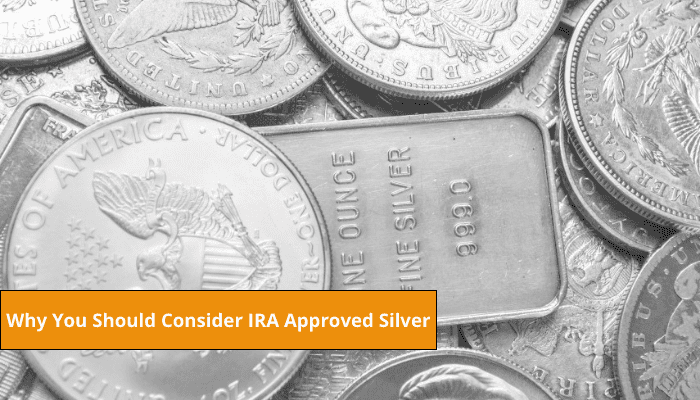
IRA approved silver refers to specific silver products that meet IRS requirements for inclusion in a self-directed Individual Retirement Account, including coins and bars that are at least 99.9% pure and produced by government mints or accredited manufacturers. Understanding IRA approved silver helps investors make informed decisions about incorporating physical silver into their retirement portfolios.
This guide examines the specific requirements for IRA eligible silver and explores the different types of approved products. It also explains the investment process.
Investors will learn about the benefits and considerations of silver investments. The rules governing storage and custodial requirements for precious metals IRAs are also discussed.
Key Takeaways
- IRA approved silver must meet strict IRS purity standards of 99.9% and be produced by government mints or accredited manufacturers
- Popular options include American Silver Eagles, Canadian Silver Maple Leafs, and approved silver bars from recognized refineries
- Silver investments in IRAs require professional storage at approved depositories and work with qualified custodians to maintain tax advantages
Defining IRA Approved Silver
The IRS sets specific standards for silver investments in retirement accounts, requiring minimum purity levels and approved formats. IRA-approved silver must meet strict requirements that distinguish it from collectible items and ensure compliance with tax regulations.
IRS Standards for Silver in IRAs
The Internal Revenue Service establishes clear guidelines for silver investments within self-directed IRAs. Silver products must meet IRS requirements for inclusion in a precious metals IRA to maintain tax advantages.
Key IRS Requirements:
- Silver must be produced by approved mints or refineries
- Products require proper documentation and certification
- Storage must occur in IRS-approved depositories
- Investors cannot take physical possession of IRA silver
The IRS mandates that silver comes from national government mints or accredited manufacturers. Examples include the U.S. Mint, Royal Canadian Mint, and refineries approved by the London Bullion Market Association (LBMA).
All silver investments must remain in qualified storage facilities. Personal storage disqualifies the investment from IRA benefits and triggers tax penalties.
Purity and Authenticity Requirements
Silver must contain at least 99.9% pure silver to qualify for IRA inclusion. This purity standard ensures the metal’s value and authenticity for retirement investments.
Approved Silver Products:
- American Silver Eagles (.999 fineness)
- Canadian Silver Maple Leafs (.9999 fineness)
- Australian Silver Kangaroos (.999 fineness)
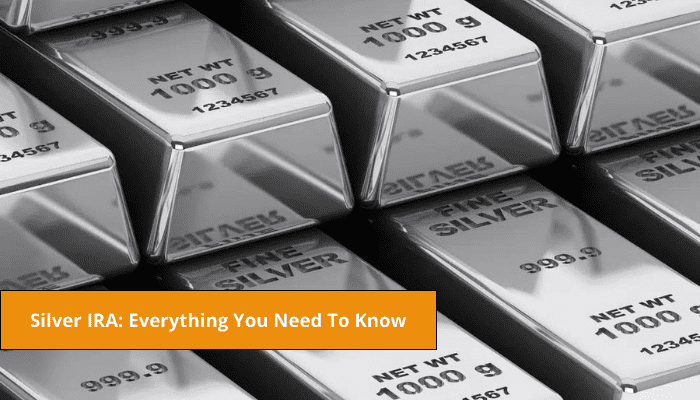
- LBMA-approved silver bars
Proof coins must include original mint packaging and certificates of authenticity. The documentation verifies the silver’s purity and origin from approved sources.
Ready to Protect Your Retirement?
Request your free State-Specific Gold IRA information kit and take the first step toward securing your financial future with precious metals.
Free Gold IRA GuideSilver rounds and bars from private mints qualify only if produced by COMEX-approved refiners. Popular approved refiners include PAMP Suisse, Johnson Matthey, and Engelhard.
Difference Between IRA Approved and Collectible Silver
IRA silver focuses on bullion value rather than collectible worth. Collectible coins are generally not permissible within precious metals IRAs, with limited exceptions for specific proof coins.
IRA Silver Characteristics:
- Valued primarily for silver content
- Meets minimum purity standards
- Produced by approved mints
- Stored in qualified depositories
Collectible Silver Restrictions:
- Rare coins with numismatic value
- Vintage silver items and jewelry
- Commemorative coins below purity standards
- Privately minted collectibles
The distinction protects retirement accounts from speculative investments. Collectible coins derive value from rarity and condition rather than precious metal content.
American Silver Eagle proof coins represent the main exception. These coins qualify for silver IRAs despite having collectible characteristics due to their government backing and purity standards.
Eligibility Criteria and IRS Rules
The IRS sets strict standards for silver investments in retirement accounts, requiring minimum purity of 99.9% fine silver and production by approved entities. Only specific forms qualify, while collectibles and jewelry remain prohibited.
Minimum Fineness Requirements
Silver must meet a minimum purity standard of 99.9% fine silver to qualify for IRA inclusion. This .999 fineness requirement ensures the metal’s authenticity and value preservation within retirement portfolios.
The IRS mandates this purity standard applies to all eligible silver products, including bullion coins and bars. Products below this threshold cannot participate in tax-advantaged retirement accounts.
Popular qualifying products include American Silver Eagles and Canadian Silver Maple Leafs. Both coins contain .999 fine silver and meet federal requirements.
Silver bars from accredited refiners must also achieve this 99.9% purity level. The fineness requirement prevents lower-grade silver alloys from entering retirement accounts.
How Much Will Your Gold IRA Really Cost?
See exactly how much you'll pay in setup, annual, and storage fees. Get personalized company recommendations based on your investment amount and retirement timeline.
Calculate My Total FeesApproved Mints and Accredited Refiners
Only government mints and accredited refiners can produce IRA-eligible silver products. The IRS requires production by official mints to ensure quality standards and authenticity.
Recognized entities include the LBMA (London Bullion Market Association) and COMEX accredited refiners. These organizations maintain strict quality control protocols for precious metals production.
NYMEX and LME also provide market standards that influence acceptable silver products. Private refiners must obtain proper accreditation from these recognized bodies.
Each qualifying product requires a certificate of authenticity from the producing mint or refiner. This documentation verifies the silver’s purity and origin for IRS compliance.
Government mints like the U.S. Mint, Royal Canadian Mint, and Perth Mint automatically qualify as approved producers.
Ineligible Silver Products
Several silver categories cannot participate in IRA investments despite containing precious metal content. Collectible coins and jewelry are specifically excluded from retirement account eligibility.
Prohibited items include:
- Silver jewelry and decorative objects
- Collectible or numismatic coins
- Damaged or incomplete coins
- Silver products below 99.9% purity
- Items lacking proper documentation
Proof coins require complete original mint packaging and certificates to qualify. Missing documentation or damaged packaging renders otherwise eligible products ineligible.
Commemorative coins typically fail to meet IRS standards due to collectible premiums and limited mintage. These items focus on artistic value rather than precious metal content.
Investors cannot hold any silver products personally while maintaining IRA status. All eligible silver must remain in an IRS-approved depository under professional custody.
IRA Approved Silver Coins
IRA eligible silver coins must meet strict IRS purity standards of 99.9% fine silver and come from approved government mints. Popular options include American Silver Eagles, Canadian Silver Maple Leafs, and Austrian Silver Philharmonics.
American Silver Eagle
American Silver Eagles are the most popular choice for IRA investments due to their government backing and widespread recognition. The U.S. Mint produces these coins with exactly one troy ounce of 99.9% pure silver.
Don't Pay More Taxes Than You Have To
The wrong Gold IRA choice could cost you thousands in unnecessary taxes. See exactly how much you'll pay in taxes with a Traditional vs. Roth Gold IRA. Compare both options side-by-side based on your age, income, and retirement timeline.
Each coin carries full government assurance of weight and purity. This backing provides investors with confidence in their authenticity and quality.
Key Features:
- Purity: 99.9% fine silver
- Weight: 1 troy ounce
- Legal tender: $1 face value
- Mint: U.S. Mint
American Silver Eagles maintain strong liquidity in the precious metals market. Their consistent demand makes them easy to buy and sell when needed.
The coins feature the iconic Walking Liberty design on the front. The reverse displays a heraldic eagle, making them instantly recognizable to dealers and collectors.
Canadian Silver Maple Leaf
Canadian Silver Maple Leafs offer exceptional purity at 99.99% fine silver, exceeding the minimum IRS requirements. The Royal Canadian Mint produces these coins with meticulous attention to quality and detail.
These coins provide excellent diversification benefits for retirement portfolios. Their higher purity level appeals to investors seeking maximum silver content.
Specifications:
- Purity: 99.99% fine silver
- Weight: 1 troy ounce
- Face value: 5 Canadian dollars
- Mint: Royal Canadian Mint
The maple leaf design represents Canada’s national symbol. This distinctive appearance makes the coins easily identifiable in the global market.
Canadian Silver Maple Leafs trade at competitive premiums compared to other government-minted coins. Their intrinsic metal value provides stability during market fluctuations.
Austrian Silver Philharmonic
Austrian Silver Philharmonics meet IRS approval standards with 99.9% fine silver content. The Austrian Mint creates these coins with designs inspired by the Vienna Philharmonic Orchestra.
The coins feature musical instruments including organ pipes, a harp, and various orchestral instruments. This unique aesthetic sets them apart from other government-issued silver coins.
Gold IRA Company Comparison Checklist
Before choosing a Gold IRA company, use our comprehensive checklist to compare fees, reputation, storage options, and customer service ratings.
Download ChecklistDetails:
- Purity: 99.9% fine silver
- Weight: 1 troy ounce
- Denomination: 1.5 euros
- Mint: Austrian Mint
Austrian Silver Philharmonics offer European diversification within precious metals IRAs. They provide an alternative to North American silver coin options.
The Austrian Mint’s reputation for quality ensures consistent production standards. These coins maintain good liquidity in international precious metals markets.
Other Approved International Coins
Several other international silver coins qualify for IRA inclusion when they meet purity requirements. The Chinese Silver Panda and British Silver Britannia represent additional approved options from established government mints.
Chinese Silver Pandas feature annually changing panda designs with 99.9% silver content. British Silver Britannias contain 99.9% fine silver with the iconic Britannia figure.
Additional Options:
- Chinese Silver Panda (99.9% pure)
- British Silver Britannia (99.9% pure)
- Mexican Silver Libertad (99.9% pure)
These coins must come from recognized national mints to qualify for IRA inclusion. Silver rounds from private mints typically do not meet IRS approval requirements for retirement accounts.
Investors should verify specific coin eligibility with their IRA custodian before purchasing. Different custodians may have varying policies regarding international silver coin acceptance.
IRA Approved Silver Bars and Rounds
Silver bars from recognized refiners and government-minted rounds offer investors cost-effective ways to add precious metals to retirement accounts. These products must meet strict purity standards and come from approved manufacturers to qualify for IRA inclusion.
Popular Bullion Bars for IRAs
IRA-approved silver bars must contain at least 99.9% pure silver and originate from accredited refiners. The most trusted names in the industry produce bars that meet these stringent requirements.
Johnson Matthey Silver Bar products rank among the most popular choices for IRA investors. This London-based refiner has operated since 1817 and produces bars in various sizes from 1 ounce to 100 ounces.
PAMP Suisse Silver bars represent another premium option for retirement accounts. The Swiss refiner creates bars with distinctive designs and security features that prevent counterfeiting.
Reserved for Portfolios of $500K or More
Your portfolio qualifies you for an exclusive one-on-one web conference with a senior precious metals advisor, priority service, and direct access to strategies reserved for our most valued clients.
Request Your Exclusive GuidePopular IRA-Approved Silver Bar Brands:
- Johnson Matthey (1 oz to 100 oz)
- PAMP Suisse (1 oz to 10 oz)
- Engelhard (1 oz to 100 oz)
- Sunshine Minting (1 oz to 10 oz)
- Asahi (1 oz to 100 oz)
These silver bullion bars typically carry lower premiums than coins. This makes them attractive for investors seeking maximum silver content per dollar spent.
Key Private Refiners and Mints
Private refiners and government mints produce the majority of IRA-eligible silver bars. These institutions must maintain strict quality standards and proper certifications to ensure their products qualify for retirement accounts.
The Royal Canadian Mint produces both coins and bars that meet IRA requirements. Their silver bars feature advanced security elements and maintain the 99.99% purity standard.
PAMP Suisse Silver bars stand out for their Veriscan technology, which creates unique digital fingerprints for each bar. This Swiss refiner produces some of the most recognizable silver products worldwide.
Accredited Refiners for IRA Silver:
- PAMP Suisse (Switzerland)
- Johnson Matthey (United Kingdom)
- Royal Canadian Mint (Canada)
- Perth Mint (Australia)
- Sunshine Minting (United States)
These refiners must maintain London Bullion Market Association accreditation or similar certifications. Their products undergo regular testing to verify purity and weight specifications.
Accepted Silver Rounds
Silver rounds differ from government-issued coins but can qualify for IRA inclusion when they meet specific criteria. These privately minted products must contain 99.9% pure silver and come from approved manufacturers.
Buffalo rounds represent one of the most popular private mint options. These rounds feature the classic Indian Head and Buffalo designs but carry no face value like government coins.
Generic silver rounds from established mints often provide the lowest cost entry point for IRA investors. They contain the same silver content as premium products but without collectible designs.
IRA-Eligible Round Manufacturers:
- Sunshine Minting
- Highland Mint
- Northwest Territorial Mint
- Silvertowne Mint
Silver rounds meeting minimum fineness requirements must be stored in approved depositories. Investors cannot take physical possession while maintaining tax advantages.
Your Complete Gold IRA Beginner's Guide
No confusing jargon. No pressure. Just clear answers about how Gold IRAs work, what they cost, and whether they're right for your retirement. Get the facts before you invest.
Get Your Free Starter GuideThese products typically trade closer to silver’s spot price than government coins. They offer an efficient way to add silver bullion to retirement portfolios without paying high premiums.
How to Invest in IRA Approved Silver
Investing in IRA approved silver requires establishing a self-directed IRA account, partnering with a reputable precious metals company, and arranging secure storage at an IRS-approved facility. The process involves specific steps and regulatory requirements that investors must follow to maintain compliance.
Setting Up a Self-Directed IRA
A self-directed IRA allows investors to hold alternative assets like precious metals beyond traditional stocks and bonds. Unlike regular IRAs, these accounts give investors direct control over investment decisions.
Investors can establish a new self-directed IRA or roll over funds from existing retirement accounts. The rollover process typically takes 7-10 business days when done properly.
Required Documentation:
- Personal identification information
- Social Security number
- Employment and income verification
- Beneficiary designations
The account holder must choose between a traditional or Roth structure. Traditional accounts offer tax-deferred growth, while Roth accounts provide tax-free withdrawals in retirement.
Many investors transfer funds from 401(k) plans or existing IRAs without tax penalties. The custodian handles the transfer process to ensure compliance with IRS regulations.
Selecting a Silver IRA Company
Choosing the right silver IRA company requires careful evaluation of fees, reputation, and product selection. Reputable companies offer transparent pricing and educational resources.
Key Selection Criteria:
- Experience: Companies with 5+ years in precious metals IRAs
- Fees: Setup fees typically range from $50-$200
- Product Selection: Access to American Silver Eagles and Canadian Maple Leafs
- Customer Service: Dedicated account representatives
Many companies also offer gold IRA services alongside silver investments. This allows investors to diversify across multiple precious metals within the same account.
The company should provide clear documentation about IRA eligible silver products and current market pricing. They handle the purchase and transfer of metals to the designated depository.
Depository Storage and Security
All precious metals in an IRA must be stored at an IRS-approved depository facility. Personal storage or home safes are not permitted under IRS regulations.
Don't Choose Blindly
Selecting the right Gold IRA company is crucial for your retirement. Use our comprehensive comparison checklist to evaluate providers and make the best decision for your financial future.
Get Your ChecklistDepository Requirements:
- IRS certification and approval
- Full insurance coverage
- Segregated storage options
- Regular auditing and reporting
Most depositories offer segregated storage where individual metals are kept separate from other investors’ holdings. This provides additional security and easier identification during audits.
Storage fees typically range from $100-$300 annually depending on the depository and storage method chosen. Some facilities offer non-segregated storage at lower costs.
The depository provides regular statements showing the exact metals held in the account. Investors can request physical delivery upon retirement or account closure, subject to applicable taxes and penalties.
Benefits and Considerations for Silver Investment
Silver investment through an IRA offers distinct advantages like portfolio protection against market volatility and inflation hedging capabilities. Investors must weigh these benefits against liquidity constraints and specific tax treatment rules that apply to precious metals withdrawals.
Portfolio Diversification
Silver provides portfolio diversification benefits by moving independently from traditional assets like stocks and bonds. This precious metal typically maintains value during economic downturns when other investments decline.
Key diversification advantages:
- Acts as a hedge against inflation and currency devaluation
- Reduces overall portfolio risk through asset class variation
- Provides stability during market fluctuations
A precious metals IRA allows investors to hold physical silver alongside traditional retirement assets. This combination creates a more balanced investment approach.
Silver’s industrial demand from technology and manufacturing sectors supports its long-term value proposition. Unlike paper assets, physical silver represents tangible wealth that cannot be devalued through monetary policy changes.
Market data shows silver prices often rise when stock markets face uncertainty. This inverse relationship strengthens portfolio resilience during volatile periods.
Liquidity and Market Access
Silver markets offer strong liquidity through established trading platforms and dealer networks. The metal trades continuously on major exchanges, providing price transparency and market access.
Liquidity factors include:
- Active trading on commodities exchanges
- Established dealer networks for physical silver
- Standardized products with recognized values
IRA-approved silver products like American Silver Eagles and Canadian Silver Maple Leafs maintain high liquidity. These government-minted coins are easily recognizable and widely accepted.
How Gold Performed During Every Stock Market Crash
See the data: when stocks dropped 19.4% in 2022, gold only fell 4.3%. Compare gold's downside protection across decades of market volatility and economic crises.
Compare Crash PerformanceStorage requirements can impact liquidity timing. IRA silver must remain in approved depositories, which may add processing time for transactions compared to publicly traded securities.
Investors should consider premium costs when buying and selling physical silver. Dealer markups and storage fees can affect net returns compared to paper silver investments.
Tax Implications and Withdrawals
Silver IRA investments receive the same tax advantages as traditional IRAs, including tax-deferred growth until withdrawal. This structure allows investments to compound without immediate tax consequences.
Tax considerations:
- Traditional IRA: Contributions may be tax-deductible; withdrawals taxed as ordinary income
- Roth IRA: After-tax contributions; qualified withdrawals are tax-free
- Early withdrawal penalties: 10% penalty applies before age 59½
Silver withdrawals can occur in physical form or cash equivalent. Investors taking physical possession must arrange secure transportation and storage outside the IRA structure.
Required minimum distributions (RMDs) begin at age 73 for traditional IRAs. The custodian typically sells silver to meet cash distribution requirements unless the investor arranges for physical delivery.
Silver is taxed as a collectible when held outside retirement accounts, with maximum rates up to 28%. IRA structures help investors avoid these higher collectible tax rates during the accumulation phase.
Frequently Asked Questions
Silver IRA investments require specific purity standards and IRS compliance. Physical silver must be stored with approved custodians and cannot be held personally by investors.
What criteria determine if silver is eligible for an IRA investment?
Silver must meet 99.9% purity requirements to qualify for IRA inclusion. The IRS requires silver products to be manufactured by national government mints or accredited private manufacturers.
Popular IRA eligible silver coins include American Silver Eagles and Canadian Silver Maple Leafs. These coins meet the strict fineness standards set by federal regulations.
Silver bars must also achieve the same 99.9% purity level. Reputable sources include the United States Mint, Royal Canadian Mint, and other recognized facilities.
What are the benefits of including silver in an individual retirement account?
Silver provides portfolio diversification and protection against market volatility. It serves as a hedge against inflation because its value remains independent of paper currency fluctuations.
Plan Your Gold IRA Distributions Strategically
Calculate which ounces to sell, when to take distributions, and how to minimize tax impact. Get your personalized RMD strategy based on current gold prices and IRS tables.
Create My RMD PlanSilver IRAs offer tax advantages similar to traditional retirement accounts. Investors can defer taxes on contributions and earnings until retirement.
The precious metal maintains intrinsic value during economic downturns. This makes it a safe-haven asset that preserves wealth when other investments decline.
Are there any specific IRS regulations regarding silver investments in an IRA?
The IRS mandates that silver in an IRA must be held by qualified custodians. Investors cannot take physical possession of the metals while they remain in the account.
Silver products must come from approved manufacturers and meet minimum fineness requirements. The IRS maintains specific lists of acceptable coins and bars for retirement accounts.
Withdrawal rules apply to silver IRAs just like other retirement accounts. Early distributions before age 59½ may result in penalties and tax consequences.
How can one purchase silver for an IRA, and what are the process steps?
Investors must first establish a self-directed IRA with an approved custodian. The account requires adequate cash funding before any silver purchases can occur.
A reputable precious metals dealer must be selected for the transaction. The dealer should specialize in IRA-approved silver products and understand compliance requirements.
The custodian facilitates the purchase and arranges secure storage at an IRS-approved facility. All transactions must go through the custodian rather than directly to the investor.
What are the storage requirements for silver in an IRA?
IRS rules require silver to be stored with qualified custodians in approved depositories. The storage facility must meet specific security and insurance standards.
Investors cannot store IRA silver at home or in personal safe deposit boxes. The custodian maintains responsibility for the metal’s security and compliance with federal regulations.
Storage fees typically apply for maintaining the precious metals in the approved facility. These costs vary depending on the custodian and storage provider selected.
Can existing silver holdings be transferred into an IRA, or must it be purchased anew?
Existing silver holdings generally cannot be transferred directly into an IRA. The IRS requires that IRA-approved silver be purchased through the custodian using account funds.
Investors must sell existing silver holdings outside the IRA if they want to invest those funds. The proceeds can then be contributed to the IRA for new silver purchases.




One More Thing...
If you're serious about protecting your retirement, get the complete Gold IRA guide. It's free, there's no obligation, and it could be one of the smartest financial decisions you make.
Get Your Guide