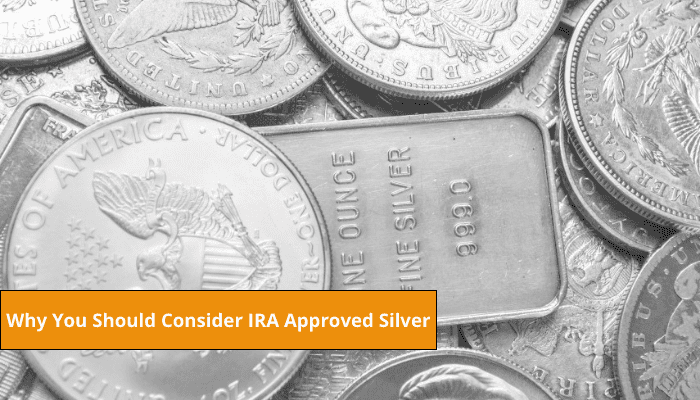
A Silver IRA allows investors to hold physical silver coins and bullion within a retirement account, providing an alternative to traditional paper assets. This self-directed retirement account option offers diversification benefits and potential protection against inflation while maintaining the tax advantages of traditional IRAs.
Opening a Silver IRA at home requires choosing a qualified custodian and selecting an approved precious metals dealer. Completing the necessary paperwork to establish and fund the account is also required.
The process involves transferring funds from existing retirement accounts or making new contributions. Investors then purchase IRS-approved silver products that meet specific purity requirements.
Understanding the different account types, storage requirements, and eligible silver products helps investors make informed decisions. The step-by-step process provides structure for those looking to diversify their retirement portfolio with tangible assets.
Key Takeaways
- Silver IRAs are self-directed retirement accounts that allow investment in physical silver coins and bullion instead of traditional paper assets.
- The opening process requires selecting a qualified custodian and approved dealer to handle account setup and silver purchases.
- Proper storage solutions and understanding eligible silver products are essential for maintaining IRS compliance and account security.
What Is a Silver IRA?
A silver IRA is a self-directed individual retirement account that allows investors to hold physical silver coins and bars within their retirement portfolio. Unlike traditional retirement accounts that limit investments to paper assets, a silver IRA provides the same tax advantages while offering diversification through precious metals.
How Silver IRAs Differ From Traditional and Roth IRAs
Traditional IRAs and Roth IRAs typically restrict investments to conventional assets like stocks, bonds, and mutual funds. A silver IRA allows investors to hold physical precious metals in their retirement accounts instead of paper assets.
The tax treatment varies between these account types:
| Account Type | Tax Treatment | Asset Types |
|---|---|---|
| Traditional IRA | Tax-deferred contributions and withdrawals | Stocks, bonds, mutual funds |
| Roth IRA | After-tax contributions, tax-free withdrawals | Stocks, bonds, mutual funds |
| Silver IRA | Same as traditional or Roth depending on structure | Physical silver coins and bars |
A silver IRA can be structured as either a traditional or Roth account. This means investors receive the same tax benefits while gaining exposure to precious metals markets.
Storage requirements set silver IRAs apart from other retirement accounts. The IRS requires all precious metals to be stored in approved depositories rather than at home.
Role of Self-Directed IRAs in Precious Metals Investing
A self-directed IRA serves as the foundation for precious metals investing within retirement accounts. These accounts give investors control over their investment choices beyond traditional options.
Self-directed individual retirement accounts require specialized custodians who understand precious metals regulations. These custodians handle the administrative duties while investors make the investment decisions.
The IRS sets specific requirements for precious metals IRAs:
- Silver must meet minimum purity standards of 99.9%
- Only certain coins and bars qualify for IRA investment
- All metals must remain in approved storage facilities
Investment flexibility allows holders to diversify beyond silver into other approved precious metals like gold, platinum, and palladium. This creates opportunities for broader precious metals IRA portfolios within a single self-directed account.
Investors maintain decision-making authority over which precious metals to purchase and when to buy or sell them.
Ready to Protect Your Retirement?
Request your free State-Specific Gold IRA information kit and take the first step toward securing your financial future with precious metals.
Free Gold IRA GuideKey Benefits of a Silver IRA
A Silver IRA offers three major advantages for retirement planning: favorable tax treatment that allows savings to grow without immediate tax burdens, portfolio diversification that reduces overall investment risk, and protection against inflation that preserves purchasing power over time.
Tax Advantages and Retirement Savings Growth
Silver IRAs provide the same tax benefits as traditional retirement accounts, allowing investors to choose between tax-deferred or tax-free growth options. Traditional Silver IRAs offer tax-deferred growth, meaning contributions may be tax-deductible and earnings grow without taxes until withdrawal.
Roth Silver IRAs provide tax-free growth opportunities. Investors pay taxes on contributions upfront but enjoy tax-free withdrawals in retirement.
Key Tax Benefits:
- No annual taxes on silver price appreciation
- Potential tax deduction for Traditional IRA contributions
- Tax-free qualified withdrawals from Roth accounts
- Compound growth without tax interference
The tax-deferred structure allows retirement investments to grow faster than taxable accounts. Silver price gains remain untaxed until distribution, maximizing long-term wealth accumulation.
Portfolio Diversification and Risk Management
Silver IRAs allow investors to diversify retirement portfolios beyond traditional stocks and bonds. This diversification reduces overall portfolio risk through asset class variation.
Silver performs differently than paper assets during market cycles. When stocks decline, precious metals often maintain or increase value.
Diversification Benefits:
- Reduces dependence on stock market performance
- Adds tangible asset exposure to retirement savings
- Balances portfolio during economic uncertainty
- Provides alternative investment vehicle
Physical silver offers portfolio stability that digital assets cannot match. The metal’s industrial demand creates price support independent of financial markets.
Retirement investors gain access to a historically stable asset class. Silver’s finite supply and industrial applications provide fundamental value backing.
Hedge Against Inflation and Market Volatility
Silver serves as an effective inflation hedge for retirement savings, protecting purchasing power as living costs rise. Historical data shows precious metals maintaining value during inflationary periods.
How Much Will Your Gold IRA Really Cost?
See exactly how much you'll pay in setup, annual, and storage fees. Get personalized company recommendations based on your investment amount and retirement timeline.
Calculate My Total FeesMarket volatility affects traditional investments more severely than physical silver. The metal’s tangible nature provides stability during economic downturns.
Inflation Protection Features:
- Silver prices typically rise with inflation
- Physical asset maintains intrinsic value
- Protection against currency devaluation
- Industrial demand supports price floors
Silver’s dual role as investment and industrial commodity creates consistent demand. Technology sectors require silver for electronics, solar panels, and medical devices.
Economic uncertainty often drives investors toward precious metals. Silver IRAs provide this protection within a tax-advantaged retirement structure.
The metal’s liquidity allows investors to convert holdings to cash when needed. This flexibility maintains retirement savings accessibility while preserving value.
Types of Silver IRA Accounts
Silver IRAs come in three main account types that offer different tax advantages and investment control levels. Each type follows specific IRS rules for contributions, withdrawals, and tax treatment while allowing physical silver investments.
Traditional Silver IRA Options
A traditional silver IRA works like a standard traditional IRA but holds physical silver instead of stocks or bonds. Investors can deduct contributions from their current year taxes if they meet income requirements.
The account grows tax-deferred until retirement. Withdrawals after age 59½ get taxed as regular income at the person’s current tax rate.
Key Traditional Silver IRA Features:
- Tax-deductible contributions (income limits apply)
- Tax-deferred growth on silver investments
- Required minimum distributions starting at age 73
- Early withdrawal penalties before age 59½
Traditional silver IRAs work well for people who expect to be in a lower tax bracket during retirement. The immediate tax deduction can reduce current year tax bills significantly.
Roth Silver IRA Structure
A Roth silver IRA uses after-tax dollars for contributions but offers tax-free growth and withdrawals in retirement. This account type provides unique advantages for silver IRA investing over long time periods.
Contributions to Roth silver IRAs are never tax-deductible. However, qualified withdrawals after age 59½ are completely tax-free including any gains from silver price increases.
Don't Pay More Taxes Than You Have To
The wrong Gold IRA choice could cost you thousands in unnecessary taxes. See exactly how much you'll pay in taxes with a Traditional vs. Roth Gold IRA. Compare both options side-by-side based on your age, income, and retirement timeline.
Roth Silver IRA Benefits:
- Tax-free qualified withdrawals
- No required minimum distributions
- Contributions can be withdrawn penalty-free anytime
- Income limits apply for eligibility
Roth silver IRAs suit investors who expect higher tax rates in retirement or want to leave tax-free assets to heirs. The tax-free growth potential makes this option attractive for younger investors.
Self-Directed Silver IRA Features
A self-directed silver IRA gives investors direct control over their investment choices within the account. This structure allows for physical silver investments that traditional IRA custodians typically don’t offer.
Self-directed retirement accounts require a specialized custodian who handles precious metals transactions. The investor makes all buying and selling decisions for their silver holdings.
Self-Directed IRA Advantages:
- Complete investment control
- Access to physical silver coins and bars
- Ability to diversify with multiple precious metals
- Professional storage and insurance included
Self-directed IRAs work as either traditional or Roth accounts depending on the investor’s choice. The main difference is the expanded investment options and increased personal responsibility for investment decisions.
These accounts require more active management but offer greater flexibility for silver IRA setup and precious metals investing strategies.
How to Open a Silver IRA at Home: Step-by-Step Process
Opening a Silver IRA at home requires selecting a qualified precious metals company and choosing an IRS-approved custodian. Most investors can transfer funds from existing retirement accounts to fund their new silver IRA within a few weeks.
Selecting a Reputable Silver IRA Company
Choosing the right silver IRA company is the foundation of a successful precious metals investment. Investors should research companies that specialize in precious metals IRAs and have established track records.
Key factors to evaluate include:
- Years in business and industry experience
- Customer reviews and Better Business Bureau ratings
Other factors to consider are a transparent fee structure for all services and educational resources and investor support.
Top silver IRA companies typically offer comprehensive services including custodian recommendations and storage solutions. They should provide clear information about product options and pricing without high-pressure sales tactics.
Gold IRA Company Comparison Checklist
Before choosing a Gold IRA company, use our comprehensive checklist to compare fees, reputation, storage options, and customer service ratings.
Download ChecklistMany reputable companies specialize in self-directed IRAs that allow precious metals investments. Investors should verify that their chosen company works with IRS-approved custodians and offers IRA-eligible silver products.
The company should also provide ongoing support throughout the account setup process. This includes assistance with paperwork, custodian coordination, and answering questions about silver investments.
Opening and Funding Your Account
The account opening process involves completing necessary paperwork with the chosen custodian and silver IRA company. Investors must provide personal identification, Social Security numbers, and beneficiary information.
Required documentation typically includes:
- Driver’s license or government-issued ID
- Social Security card or tax documents
Other required documents include beneficiary information for account inheritance and existing account statements for transfers.
The paperwork process usually takes 24-48 hours to complete once all documents are submitted. Most companies offer electronic document submission to speed up the process.
Account funding options include direct contributions, IRA transfers, and 401(k) rollovers. New contributions are subject to annual IRS limits, while transfers and rollovers typically have no dollar restrictions.
Investors should understand the tax implications of each funding method. Direct transfers between IRAs maintain tax-deferred status, while 401(k) rollovers may require careful timing to avoid penalties.
Choosing an IRA Custodian
An IRA custodian holds and manages the silver assets on behalf of the investor. Federal law requires that precious metals IRAs use qualified custodians who specialize in alternative investments.
Custodians must be IRS-approved and experienced in precious metals storage and administration. They handle all regulatory compliance and reporting requirements for the account.
Important custodian considerations include:
| Factor | What to Look For |
|---|---|
| Insurance Coverage | FDIC or private insurance protection |
| Storage Options | Segregated and pooled storage choices |
| Fee Structure | Annual maintenance and transaction fees |
| Experience | Years handling precious metals IRAs |
Custodian fees typically range from $100-$300 annually for account maintenance. Additional fees may apply for transactions, storage, and account setup.
The custodian works directly with approved precious metals dealers to purchase silver on behalf of the investor. They also coordinate secure storage at IRS-approved depositories.
Reserved for Portfolios of $500K or More
Your portfolio qualifies you for an exclusive one-on-one web conference with a senior precious metals advisor, priority service, and direct access to strategies reserved for our most valued clients.
Request Your Exclusive GuideTransferring or Rolling Over Existing Retirement Funds
Transferring funds from existing retirement accounts is the most common way to fund a silver IRA. This process moves money from traditional IRAs, 401(k)s, or other qualified accounts.
Direct transfers between IRAs are the simplest option. The current custodian sends funds directly to the new silver IRA custodian without tax consequences or penalties.
401(k) rollovers require more coordination but allow access to larger fund amounts. Investors must request distributions from their plan administrator and complete the rollover within 60 days.
The rollover process involves:
- Contacting current plan administrator to initiate distribution
- Completing rollover paperwork with new custodian
- Transferring funds within the 60-day window
- Confirming receipt and beginning silver purchases
Most silver IRA companies provide rollover assistance to ensure compliance with IRS regulations. They coordinate with existing custodians to minimize delays and avoid tax penalties.
Investors should verify that their current retirement plan allows distributions before beginning the rollover process. Some employer plans restrict distributions while still employed.
Selecting Eligible Silver for Your IRA
Not all silver qualifies for IRA investment, making proper selection crucial for compliance and investment success. The IRS sets strict purity requirements, specific coins and bars meet approval standards, and working with reputable dealers ensures proper acquisition of physical silver.
IRS Purity Standards and IRA-Approved Silver
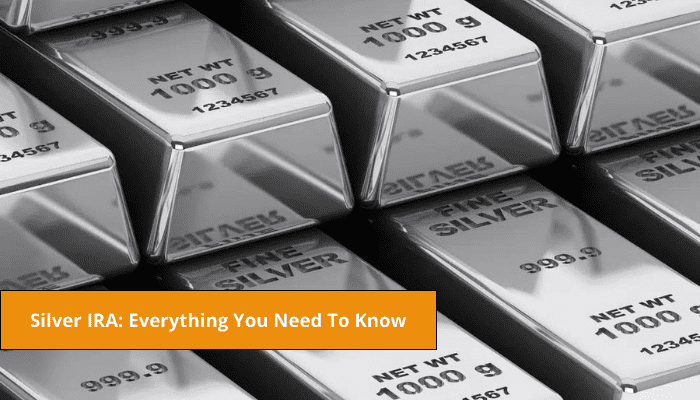
The IRS requires silver to be 99.9% pure or higher to qualify for IRA inclusion. This purity standard applies to both silver coins and silver bars.
IRA-approved precious metals must come from national government mints or accredited manufacturers. The IRS recognizes specific bullion products that meet these stringent requirements.
Silver bullion that fails to meet the .999 fineness standard cannot be held in an IRA. This rule protects investors and ensures consistent quality across all precious metals investments.
Approved Silver Sources:
- U.S. Mint
- Royal Canadian Mint
- Austrian Mint
- Royal Mint of England
- Sunshine Mint
The purity requirement distinguishes investment-grade silver from collectible or numismatic pieces. Investors must verify that their chosen silver products carry proper certification from approved mints.
Your Complete Gold IRA Beginner's Guide
No confusing jargon. No pressure. Just clear answers about how Gold IRAs work, what they cost, and whether they're right for your retirement. Get the facts before you invest.
Get Your Free Starter GuidePopular Silver Coins and Bars for IRAs
American Silver Eagles are the most popular choice for IRA investments. Each coin contains one troy ounce of 99.9% pure silver and carries U.S. government backing.
The Canadian Silver Maple Leaf offers exceptional purity at 99.99% fine silver. These coins provide legal tender status and are produced by the Royal Canadian Mint with high-quality standards.
Top IRA-Approved Silver Coins:
- American Silver Eagle (99.9% pure)
- Canadian Silver Maple Leaf (99.99% pure)
- Austrian Silver Philharmonic (99.9% pure)
- Australian Silver Kangaroo (99.9% pure)
Silver bars must meet the same .999 purity requirement as coins. Johnson Matthey Silver Bars and other reputable manufacturers produce IRA-eligible bars.
Bullion coins typically carry higher premiums than bars due to minting costs and collectibility. However, American Silver Eagles maintain strong liquidity and recognition in the marketplace.
Working With Dealers for Physical Silver Acquisition
Reputable precious metals dealers facilitate the purchase of IRA-eligible silver coins and bars. These dealers work directly with IRA custodians to ensure proper handling and storage procedures.
Dealers must verify that all silver products meet IRS standards before sale. They provide documentation proving purity levels and mint authentication for each purchase.
Key Dealer Services:
- Product verification and certification
- Direct custodian coordination
- Secure shipping to approved depositories
- Market pricing and premium comparisons
Investors should compare premiums across different dealers and products. Silver bars generally offer lower premiums than coins, while American Silver Eagles command higher premiums due to recognition and liquidity.
The dealer handles transfer of purchased silver to IRS-approved depositories for storage. This process ensures compliance with IRA regulations while maintaining proper custody of physical assets.
Storage Solutions and Security for Your Silver IRA
Proper storage of physical silver in an IRA requires compliance with strict IRS regulations and careful selection of secure facilities. Storage costs, security features, and allocation methods directly impact both the safety and expenses of your retirement investment.
IRS-Approved Depositories and Secure Storage Options
The IRS mandates that all physical silver in retirement accounts must be stored in IRS-approved depositories rather than at home or in personal safes. These facilities meet federal safety and security standards for precious metals storage.
Professional custodians coordinate with approved depositories like Delaware Depository and Brinks Global Services. These facilities provide 24/7 surveillance, armed security personnel, and advanced alarm systems.
Don't Choose Blindly
Selecting the right Gold IRA company is crucial for your retirement. Use our comprehensive comparison checklist to evaluate providers and make the best decision for your financial future.
Get Your ChecklistKey security features include:
- Multi-layer authentication systems
- Climate-controlled environments
- Fire and flood protection
- Real-time inventory tracking
- Insurance coverage through Lloyd’s of London
Storing silver improperly can disqualify your entire IRA. This results in immediate taxation and potential penalties on the full account value.
Segregated Versus Non-Segregated Storage
Segregated storage keeps your silver separate from other investors’ metals in designated areas or containers. This method ensures you receive the exact silver bars or coins you originally deposited.
Segregated storage benefits:
- Individual identification of your metals
- Protection from other investors’ claims
- Easier audit and verification processes
Non-segregated storage pools your silver with other investors’ metals in shared storage areas. You receive equivalent amounts of silver upon withdrawal, not your specific pieces.
Non-segregated storage characteristics:
- Lower storage costs
- Shared vault space
- Fungible metal allocation
Allocated storage specifically designates metals with your name. This protects your investment from creditor claims if the depository faces financial difficulties.
Understanding Storage Fees and Safekeeping
Storage fees typically calculate based on the value of silver or physical space occupied. Annual costs range from 0.5% to 1.5% of your total precious metals value.
Common fee structures:
- Flat annual fees: $100-$300 per year
- Percentage-based fees: 0.5%-1.5% of metal value
- Per-item fees: $5-$15 per bar or coin
Segregated storage commands higher fees than non-segregated options due to individual space requirements and handling procedures. The premium typically adds $50-$150 annually to storage costs.
Additional fees may include:
- Insurance premiums
- Transaction fees for deposits/withdrawals
- Administrative charges
- Shipping and handling costs
Some custodians offer segregated and allocated storage as standard practice without additional charges. Compare total costs including all fees before selecting a storage arrangement.
Frequently Asked Questions
What steps are required to initiate a precious metals IRA for silver investments?
Investors must first choose a qualified custodian who specializes in self-directed IRAs for precious metals. The custodian handles account setup and ensures compliance with IRS regulations.
How Gold Performed During Every Stock Market Crash
See the data: when stocks dropped 19.4% in 2022, gold only fell 4.3%. Compare gold's downside protection across decades of market volatility and economic crises.
Compare Crash PerformanceNext, investors select a reputable precious metals dealer who offers IRS-approved silver products. The dealer provides silver coins and bullion that meet purity requirements.
Account funding occurs through direct contributions, IRA transfers, or 401(k) rollovers. Direct rollovers help avoid tax penalties when moving funds from existing retirement accounts.
After funding, investors purchase approved silver products through their chosen dealer. The silver must be stored in an IRS-approved depository facility.
Can physical silver be included in a self-directed individual retirement account?
Yes, physical silver can be included in a self-directed IRA that allows investment in precious metals. The IRA must be structured specifically to hold physical assets rather than paper investments.
Silver products must meet IRS purity standards to qualify for IRA inclusion. Approved silver includes certain coins and bullion bars with specific fineness requirements.
Storage must occur in an IRS-approved depository facility. Investors cannot store IRA silver at home without facing potential penalties and tax consequences.
What are the tax implications for investing in a silver individual retirement account?
Silver IRAs offer tax advantages similar to traditional IRAs. Contributions may be tax-deductible depending on income levels and existing retirement plan participation.
Growth within the silver IRA occurs on a tax-deferred basis. Investors pay no taxes on gains until they begin taking distributions during retirement.
Early withdrawals before age 59½ typically incur a 10% penalty plus regular income taxes. Required minimum distributions begin at age 73 for traditional silver IRAs.
Roth silver IRAs use after-tax contributions but offer tax-free growth and withdrawals in retirement. This structure benefits investors expecting higher tax rates in the future.
How does one choose a custodian for a silver IRA?
Custodian selection requires evaluating experience with precious metals IRAs and regulatory compliance. Qualified custodians specialize in self-directed IRAs and understand precious metals regulations.
Fee structures vary among custodians and include setup fees, annual maintenance charges, and storage costs. Transparent pricing helps investors compare total costs accurately.
Storage options include segregated and pooled storage at approved depositories. Segregated storage keeps individual silver separate but typically costs more than pooled storage.
Plan Your Gold IRA Distributions Strategically
Calculate which ounces to sell, when to take distributions, and how to minimize tax impact. Get your personalized RMD strategy based on current gold prices and IRS tables.
Create My RMD PlanInsurance coverage protects against theft, damage, and natural disasters. Custodians should provide clear information about coverage limits and protection levels.
What are the potential risks and rewards of including silver in a retirement portfolio?
Silver provides diversification benefits and inflation protection for retirement portfolios. Physical silver offers tangible asset exposure beyond traditional stocks and bonds.
Price volatility represents a primary risk with silver investments. Silver prices fluctuate based on industrial demand, economic conditions, and market sentiment.
Storage and insurance costs reduce overall returns compared to paper investments. Annual fees for secure storage typically range from 0.5% to 1% of silver value.
Liquidity allows relatively quick conversion to cash when needed. Silver markets operate globally with established pricing and trading mechanisms.
What types of silver can be included in an individual retirement account according to IRS regulations?
IRS regulations require silver products to meet minimum purity standards of 99.9% fineness.
Approved silver includes specific coins and bullion bars that meet these requirements.
Eligible silver coins include American Silver Eagles, Canadian Silver Maple Leafs, and Austrian Silver Philharmonics.
These government-minted coins automatically qualify for IRA inclusion.
Silver bars and rounds must be produced by approved refiners and meet purity standards.
Common acceptable brands include PAMP Suisse, Johnson Matthey, and Engelhard products.
Collectible or numismatic silver coins generally do not qualify for IRA inclusion.
The focus remains on silver content rather than collectible value for retirement accounts.




One More Thing...
If you're serious about protecting your retirement, get the complete Gold IRA guide. It's free, there's no obligation, and it could be one of the smartest financial decisions you make.
Get Your Guide