Platinum is a rare precious metal and chemical element with the symbol Pt and atomic number 78. Platinum has a silvery white color, a density of 21.45 grams per cubic centimeter, and a melting point of 1,768°C. Platinum belongs to Group 10 of the periodic table, alongside nickel and palladium. The metal resists corrosion and oxidation at high temperatures, and aqua regia (a mixture of nitric acid and hydrochloric acid) dissolves platinum. Annual mine supply reaches 170 metric tons, compared to 3,600 metric tons of gold, which makes platinum about 20 times scarcer than gold.
Automotive catalytic converters, chemical plants, hospitals, and jewelers use platinum, with the automotive sector accounting for about 40% of demand. South Africa supplies 70% of mined platinum from the Bushveld Igneous Complex, and Russia and Zimbabwe add the next largest volumes. Kitco quoted platinum at [$1,670.00] per troy ounce, which sits 43% below the record high of [$2,923.70]. Investors gain exposure through physical bars, American Platinum Eagle coins, exchange-traded products, and mining shares. The sections below cover platinum’s properties, industrial uses, natural sources, price drivers, purchase checks, and investment risks.
What is platinum?
Platinum is a dense, silvery-white transition metal with the symbol Pt and atomic number 78 that ranks among the rarest precious metals. Spanish naval officer Antonio de Ulloa encountered the metal in Colombia, and the name derives from the Spanish word platina, meaning little silver. Platinum resists corrosion and speeds up chemical reactions without being consumed. Gold has a density of 19.3 grams per cubic centimeter, so platinum weighs about 11% heavier than gold at the same volume. Mine supply remains small because the metal occurs at 0.005 parts per million in the Earth’s crust. Catalytic converters, pacemaker electrodes, chemotherapy drugs (cisplatin, carboplatin), and wedding bands (Pt950) rely on the metal. Platinum trades as a global commodity on NYMEX (CME Group) in 50 troy ounce futures contracts, and one troy ounce equals 31.1035 grams.
How is it classified? Platinum is classified by its position in Group 10 and Period 6 of the periodic table as a d-block transition metal. Chemists place the metal among the six platinum group metals (ruthenium, rhodium, palladium, osmium, iridium, platinum), which share high melting points and strong catalytic activity. Markets classify platinum as a precious metal, alongside gold, silver, and palladium, because the metal holds value and appears in bullion form (.9995 fine). Chemical classification adds the noble metal label, since platinum resists oxidation in moist air. Industry classifies the metal as a critical raw material in the European Union and as a critical mineral in the United States.
What defines platinum as a chemical element?
An atomic number of 78 defines platinum as a chemical element. Each platinum atom holds 78 protons and 78 electrons arranged as [Xe] 4f14 5d9 6s1. The standard atomic weight is 195.084 atomic mass units, and natural platinum includes six isotopes (Pt190, Pt192, Pt194, Pt195, Pt196, Pt198). Pt195 accounts for 33.8% of natural platinum, followed by Pt194 at 33.0% and Pt196 at 25.2%. Platinum shows oxidation states of +2 and +4 in compounds (PtCl2, PtCl4, cisplatin), which supports the metal’s catalytic and medical chemistry. The element is a transition metal with a face-centered cubic crystal structure and a Mohs hardness of 3.5. IUPAC maintains the official atomic weight and symbol of platinum.
Where is platinum located on the periodic table?
Platinum is located on the periodic table in Group 10 and Period 6, within the d-block. Nickel (atomic number 28) and palladium (atomic number 46) sit above platinum in Group 10, and darmstadtium (110) sits below. Iridium (77) lies to the left of platinum, and gold (79) lies to the right in Period 6. Platinum sits in the transition metal block at the center of the table. The six platinum group metals fill two rows, with ruthenium (44), rhodium (45), and palladium (46) in Period 5 and osmium (76), iridium (77), and platinum (78) in Period 6. The d-block placement explains the metal’s high melting point, strong catalytic activity, and variable oxidation states.
Ready to Protect Your Retirement?
Request your free State-Specific Gold IRA information kit and take the first step toward securing your financial future with precious metals.
Free Gold IRA GuideWhat is platinum made of in its natural and refined forms?
Platinum is made of elemental platinum combined with alloying metals in its natural and refined forms. Native platinum nuggets contain 70% to 90% platinum, alloyed with iron, iridium, osmium, palladium, and rhodium. Platinum minerals (sperrylite, PtAs2; cooperite, PtS; braggite) hold platinum bonded to arsenic and sulfur in ore bodies. Refined investment bullion (bars and coins) reaches 99.95% purity (.9995 fine), and the remaining 0.05% consists of trace impurities. Pt950 jewelry contains 95% platinum and 5% ruthenium, iridium, cobalt, or copper. Refined platinum sponge, the gray powder from final chemical precipitation, melts into ingots at 1,768°C. Industrial platinum grades range from 99.9% to 99.99% purity, depending on the catalyst, laboratory, or electronics application.
What are the main physical and chemical properties of platinum?
The main physical and chemical properties of platinum are density, melting point, color, malleability, corrosion resistance, hardness, and catalytic activity. The properties explain platinum’s performance in jewelry, medical devices, industrial equipment, and automotive emission control. Measured values reveal how the metal’s composition and structure influence durability, heat tolerance, and commercial demand.
The main physical and chemical properties of platinum are shown in the table below.
| Property | Value | Commercial Influence |
| Density | 21.45 g/cm³ at 20°C | Gives jewelry a substantial weight and lets bullion hold value in a small volume. |
| Melting point | 1,768°C (3,215°F) | Supports furnaces, glass fiber, and laboratory equipment that operate at extreme heat. |
| Color | Silvery white | Keeps a white appearance without rhodium plating, which supports the jewelry market. |
| Malleability | Ductile and malleable | Allows fine wire, thin foil, and detailed prong settings. |
| Corrosion resistance | Unaffected by air, water, and single acids; dissolves in aqua regia | Extends the life of medical implants, electrodes, and chemical equipment. |
| Hardness | 3.5 on the Mohs scale | Resists scratches better than pure gold (2.5 to 3). |
| Catalytic activity | Speeds up oxidation and hydrogenation reactions | Drives automotive demand, accounting for nearly 40% of the total. |
What is platinum used for in everyday life and industry?
How Much Will Your Gold IRA Really Cost?
See exactly how much you'll pay in setup, annual, and storage fees. Get personalized company recommendations based on your investment amount and retirement timeline.
Calculate My Total FeesPlatinum is used for emission control, chemical processing, medical devices, jewelry, and electronics in everyday life and industry. WPIC data places automotive demand near 40% of the total.
Platinum is used for the sectors listed below in everyday life and industry.
- Automotive: Platinum coats the ceramic honeycomb inside diesel and gasoline vehicle catalytic converters. The metal converts carbon monoxide, hydrocarbons, and nitrogen oxides into carbon dioxide, water, and nitrogen. Emission rules in the United States, European Union, and China sustain demand.
- Chemical: Platinum catalysts cure silicone through hydrosilylation and support fertilizer and specialty chemical production. Chemical plants value the metal’s stability in corrosive process streams. The metal retains catalytic activity through repeated reaction cycles.
- Medical: Platinum forms pacemaker electrodes, guidewires, and stent markers because the metal resists body fluids. Cisplatin, carboplatin, and oxaliplatin treat testicular, ovarian, and colorectal cancers. The metal stays biocompatible during long-term implantation.
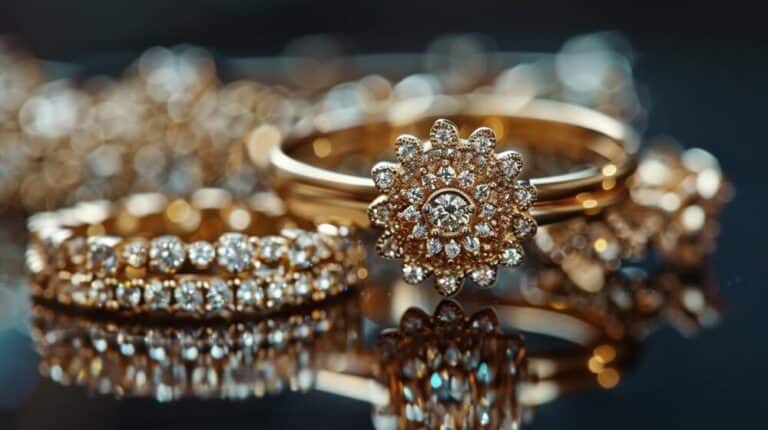
- Jewelry: Platinum jewelry uses Pt950 alloy in rings, wedding bands, and necklaces. The metal keeps a white color without plating, and the density gives pieces a substantial weight. Pt950 meets the U.S. Federal Trade Commission minimum of 95% platinum.
- Technology: Platinum-cobalt alloy films coat hard disk platters, and platinum catalysts drive hydrogen fuel cells. Platinum-rhodium thermocouples measure temperatures near 1,700°C in furnaces. Proton exchange membrane electrolyzers require platinum group metal catalysts.
What are the main industrial uses of platinum?
The main industrial uses of platinum are chemical catalysts, petroleum refining, glass manufacturing, and specialized industrial equipment. Operating temperatures reach 500°C in refineries and 1,200°C in glass furnaces. Platinum tolerates the heat and chemical attack.
The main industrial uses of platinum are listed below.
- Chemical Catalysts: Platinum on alumina or carbon supports speeds up hydrogenation and oxidation reactions in chemical plants. Platinum-rhodium gauze converts ammonia to nitric oxide in the Ostwald process at about 900°C. Operators recover spent catalyst through refining.
- Petroleum Refining: Platinum-rhenium catalysts on alumina reform naphtha into high-octane gasoline blending components at about 500°C. The reaction produces hydrogen, which refineries reuse for sulfur removal. Operators regenerate the catalyst bed on a scheduled cycle.
- Glass Manufacturing: Platinum-rhodium alloy bushings form glass fibers from molten glass above 1,200°C. Display glass makers line melting and stirring vessels with platinum to prevent contamination in LCD panels. The alloy resists corrosion from molten glass.
- Specialized Industrial Equipment: Platinum crucibles, electrodes, and spark plug tips withstand heat and corrosive samples. Pt100 resistance thermometers read 100 ohms at 0°C and track temperature with high repeatability. The International Electrotechnical Commission (IEC) 60751 standard defines the Pt100 curve.
How is platinum used in automotive catalytic converters?
Platinum is used in automotive catalytic converters by coating a ceramic honeycomb with nanoscale platinum particles. Hot exhaust at 400°C to 800°C passes through the channels, and the platinum oxidizes carbon monoxide and unburned hydrocarbons into carbon dioxide and water. A typical converter holds three to seven grams of platinum group metals, depending on engine size. Platinum dominates diesel catalysts, and palladium and rhodium dominate gasoline catalysts. The converters cut carbon monoxide, hydrocarbon, and nitrogen oxide emissions by over 90% after warm-up. Automakers in the United States, European Union, and China follow Tier 3, Euro 6, and China 6 standards. Battery electric vehicles require no converter, which shapes long-term platinum demand.
How is platinum used in jewelry and luxury products?
Platinum is used in jewelry and luxury products by forming Pt950 alloys for rings, bands, necklaces, and watch cases. Pt950 contains 95% platinum, so pieces keep a white color and resist tarnish.
Don't Pay More Taxes Than You Have To
The wrong Gold IRA choice could cost you thousands in unnecessary taxes. See exactly how much you'll pay in taxes with a Traditional vs. Roth Gold IRA. Compare both options side-by-side based on your age, income, and retirement timeline.
Platinum is used in jewelry and luxury products listed below.
- Rings: Platinum rings use Pt950 alloy for prong settings that hold diamonds securely. The metal wears by displacement, which creates a soft patina instead of metal loss. Solitaire, halo, and three-stone engagement rings rely on platinum prongs.
- Wedding Bands: Platinum wedding bands weigh seven to 15 grams depending on width, so the metal value reaches [$357 to $765]. Brushed, polished, and hammered finishes suit different tastes. The density of 21.45 grams per cubic centimeter adds weight.
- Necklaces: Platinum necklaces include chains, pendants, and diamond tennis strands set in Pt950 links. The strength of platinum allows thin links that hold gemstones securely. Jewelers apply no rhodium plating because platinum already has a white color.
- Fine Jewelry: Fine jewelry includes earrings, bracelets, brooches, and luxury watch cases in Pt950 or Pt900. Pt900 contains 90% platinum, and the added alloy metals raise hardness. Craftsmanship, brand, and gemstone quality set the retail price beyond the metal value.
How is platinum used in medicine and advanced technology?
Platinum is used in medicine and advanced technology by forming implant components, chemotherapy compounds, laboratory vessels, and electronic parts. The metal resists body fluids, heat, and corrosion. Four applications are described in the list that follows.
Platinum is used in medicine and advanced technology in the components listed below.
- Medical Implants: Platinum-iridium alloys form pacemaker electrodes, neurostimulation leads, and cochlear implant contacts. The alloys deliver electrical charge to tissue without corroding in body fluids. Radiopaque platinum markers on stents and catheters appear clearly under X-rays.
- Chemotherapy Drugs: Cisplatin, carboplatin, and oxaliplatin are platinum-based treatments that bind to DNA and stop cancer cell division. The U.S. Food and Drug Administration approved cisplatin for clinical use. Oncologists treat testicular, ovarian, and colorectal cancers with the medications.
- Laboratory Equipment: Platinum crucibles and dishes heat samples above 1,000°C for ash determination and fusion analysis. The metal resists acids and molten borate fluxes, so samples stay free of contamination. Platinum electrodes in electrochemical cells provide stable surfaces for voltage measurements.
- Specialized Electronics: Platinum-cobalt films coat hard disk platters in data center drives. Platinum thin-film resistors and temperature sensors serve aerospace and automotive systems. Platinum electrodes in zirconia oxygen sensors regulate engine air-fuel ratios.
Does platinum have catalytic properties?
Yes, platinum has catalytic properties. The metal adsorbs gas molecules (hydrogen, oxygen, carbon monoxide) on its surface and lowers the energy needed for reactions. Automotive converters, nitric acid plants, and petroleum reformers apply the property at scale. Platinum stays unchanged after each reaction, so a catalyst charge lasts through repeated cycles. Fuel cells in hydrogen vehicles use platinum on carbon supports to split hydrogen at 60°C to 80°C. Platinum nanoparticles of two to five nanometers provide high surface area, which reduces the metal loading needed.
Where is platinum found naturally?
Platinum is found naturally in layered intrusions, nickel-copper sulfide deposits, and placer deposits in the Earth’s crust. Crustal abundance measures 0.005 parts per million. Platinum occurs alongside five other platinum group metals in ore.
Platinum is found naturally in the geological settings and mineral associations listed below.
Gold IRA Company Comparison Checklist
Before choosing a Gold IRA company, use our comprehensive checklist to compare fees, reputation, storage options, and customer service ratings.
Download Checklist- Earth’s Crust: Platinum averages 0.005 parts per million in the continental crust. Ore bodies hold platinum group metals at three to eight grams per metric ton. The low crustal abundance limits annual mine output to 170 metric tons.
- Layered Igneous Intrusions: The Bushveld Igneous Complex in South Africa hosts the Merensky Reef and UG2 Chromitite Layer. South Africa holds 83% of global platinum group metal reserves. The Great Dyke in Zimbabwe forms a 550 kilometer intrusion with platinum-bearing layers.
- Nickel-Copper Sulfide Deposits: Platinum occurs as a byproduct of nickel and copper mining in Russia’s Norilsk region and Canada’s Sudbury Basin. Sulfide minerals (pentlandite, chalcopyrite, pyrrhotite) carry the metal in small amounts. Production from sulfide deposits follows nickel and copper output.
- Platinum Group Metal Association: Platinum occurs alongside palladium, rhodium, ruthenium, iridium, and osmium in the same ore bodies. Bushveld ore yields platinum and palladium in a 60 to 40 ratio. Refiners separate the metals chemically after mining.
- Placer Deposits: Placer deposits in Colombia’s Chocó region and Russia’s Ural Mountains hold native platinum grains in river gravels. Weathering of source rocks releases the dense grains, and rivers concentrate them. Placer output remains small compared to hard rock mining.
Which countries produce the most platinum?
South Africa, Russia, and Zimbabwe are the countries that produce the most platinum. Five countries supplied 97.7% of the 170 metric tons mined annually, according to the U.S. Geological Survey (USGS).
The countries that produce the most platinum are listed below.
- South Africa: South Africa supplies about 70% of mined platinum from the Bushveld Igneous Complex. USGS estimated a 9% annual decline in output from deep-level mining costs and power disruptions. Mines operate across the Western, Eastern, and Northern Limbs.
- Russia: Russia supplies about 10% of mined platinum as a byproduct of nickel and copper mining near Norilsk. The Taimyr Peninsula hosts the Norilsk Talnakh sulfide deposits. USGS reported a 6% annual decline due to lower ore grades.
- Zimbabwe: Zimbabwe supplies about 7% of mined platinum from the Great Dyke, a 550 kilometer intrusion. The Ngezi, Mimosa, and Unki mines operate along the structure. WPIC and USGS report lower ore grades in Zimbabwe and Russia.
- Canada: Canada supplies about 3% of mined platinum, mainly from the Sudbury Basin in Ontario. Platinum group metals emerge as byproducts of nickel and copper mining in the basin. The Lac des Iles mine in Ontario produces palladium and platinum.
- United States: The United States supplies about 1.5% of mined platinum from the Stillwater Complex in Montana. The J M Reef holds platinum and palladium near a one-to-three ratio. The USGS lists the platinum group metals as critical minerals.
How is platinum extracted and refined from ore?
Platinum is extracted and refined from ore by mining, crushing, concentration, smelting, chemical separation, and refining. A troy ounce of platinum requires about ten metric tons of ore. Six stages convert ore into 99.95% metal.
Platinum is extracted and refined from ore by following the six steps listed below.
- Mine the ore. Crews cut the Merensky Reef and UG2 Chromitite Layer at depths from 300 meters to 2,000 meters. The reefs measure 0.3 meters to 1.5 meters thick, so mines remove narrow seams. Open pits work the Platreef near the surface.
- Crush and mill the ore. Crushers and ball mills grind the rock into powder finer than 75 microns. Fine particles free the platinum-bearing sulfide grains from waste rock. Milling consumes high electricity volumes, which links production costs to power supply.
- Concentrate the metals by flotation. Froth flotation adds reagents and air to the slurry, and sulfide particles attach to the bubbles. Operators skim the froth to form a concentrate. Concentrate grades reach 100 grams to 400 grams of platinum group metals per metric ton.
- Smelt the concentrate. Electric furnaces melt the concentrate at about 1,500°C, and the melt separates into slag and matte. The matte collects platinum group metals alongside nickel, copper, and cobalt. Converters blow air through the matte to remove iron and sulfur.
- Separate the base metals chemically. Leaching dissolves nickel, copper, and cobalt in acid, which leaves a residue rich in platinum group metals. The base metal refinery recovers the dissolved metals as separate products. The residue moves to the precious metals refinery.
- Refine platinum from the other metals. Refiners dissolve the residue in hydrochloric acid and chlorine, then precipitate platinum as ammonium hexachloroplatinate. Solvent extraction and distillation separate palladium, rhodium, ruthenium, iridium, and osmium. Heating the salt produces 99.95% platinum sponge.
Mining, crushing, concentration, smelting, chemical separation, and refining convert reef ore into 99.95% platinum. Each stage concentrates the metal further, and the refined output meets the .9995 standard for bullion. Power, labor, and reagent supply shape output.
What factors affect platinum supply and availability?
The factors affecting platinum supply and availability are mine production, recycling, labor disruptions, energy costs, and geographic concentration. WPIC forecasts flat annual mine supply of 5,551,000 troy ounces.
Reserved for Portfolios of $500K or More
Your portfolio qualifies you for an exclusive one-on-one web conference with a senior precious metals advisor, priority service, and direct access to strategies reserved for our most valued clients.
Request Your Exclusive GuideThe factors affecting platinum supply and availability are listed below.
- Mine Production: Mines produce 170 metric tons of platinum annually, and South Africa supplies 70% of the total. New projects outside the five leading countries supply 2.3% of mine output. Supply responds slowly because new shafts need years of development.
- Recycling: Recycled platinum from spent catalytic converters, jewelry, and electronics supplements mine output. Higher prices raise scrap flows because collectors respond to the value of the metal. Refiners process the scrap and return the metal to the market.
- Labor Disruptions: Strikes and safety stoppages halt shafts in South Africa’s mining belt. A South African strike lasted five months and removed over one million troy ounces from supply. Safety stoppages after accidents pause output at affected shafts.
- Energy Costs: Mills, smelters, and ventilation systems run on electricity, so power disruptions reduce output. Eskom load shedding reached record levels during recent power shortages. Smelting at 1,500°C and deep mine ventilation raise energy costs per ounce.
- Geographic Concentration: South Africa, Russia, Zimbabwe, Canada, and the United States supply 97.7% of platinum. A disruption in one region leaves limited replacement supply. WPIC forecasts above-ground stocks below three months of demand.
Is platinum a rare metal?
Yes, platinum is a rare metal. The Earth’s crust holds 0.005 parts per million of platinum, equal to five grams per 1,000 metric tons of rock. The 170 metric tons mined annually fit inside a cube measuring two meters per side. Five countries supply 97.7% of the annual output, which limits the number of sources. Rarity alone does not set price, because platinum trades at 40% of the gold price. Substitution with palladium in gasoline catalysts limits the price premium of scarcity.
What determines platinum’s price and market value?
The balance of mine supply, industrial demand, investment activity, and global economic conditions determines platinum’s price and market value. The spot price reflects the wholesale value of .9995 platinum for immediate delivery in U.S. currency. Spot prices fell 43% from the record high of [$2,923.70] to [$1,670.00]. Mine supply of 170 metric tons of concentrates is concentrated in five countries, and WPIC forecasts flat annual output of 5,551,000 troy ounces. Automotive demand, near 40% of the total, links the price to vehicle production and emission rules. Investment flows in bars, coins, and exchange-traded products amplify price moves when sentiment shifts. The U.S. dollar index near 102.3 and Federal Reserve rate expectations shape precious metal prices. A surplus forecast by WPIC and recycled metal flows add downward pressure, while above-ground stocks below three months of demand add upside risk.
What is the current price of platinum per gram and troy ounce?
The current price of platinum per gram and troy ounce is [$53.69] and [$1,670.00]. Kitco recorded the quote in U.S. currency during a regular trading session. The day’s range spanned [$1,669.00 to $1,713.00], and the price was down [$14.00] or 0.83% on the session. The per-gram figure divides the troy ounce price by 31.1035, the number of grams in one troy ounce. One kilogram of platinum equals [$53,690] at the same quote. Prices update continuously during global trading hours, so a live spot quote supersedes the figures above. The quote trails the record high of [$2,923.70] by 43%. The gold quote sits at [$4,186.90] per troy ounce, which places platinum at 40% of gold.
What factors influence platinum prices?
The factors that influence platinum prices are mine supply, automotive demand, investment activity, economic conditions, and recycling flows. A 5.33% one-day drop in platinum shows the price sensitivity clearly.
Your Complete Gold IRA Beginner's Guide
No confusing jargon. No pressure. Just clear answers about how Gold IRAs work, what they cost, and whether they're right for your retirement. Get the facts before you invest.
Get Your Free Starter GuideThe factors that influence platinum prices are listed below.
- Mine Supply: Annual mine output of 170 metric tons sets the base supply of platinum. South Africa supplies 70% of the total, so Bushveld Complex disruptions move prices. Supply responds slowly because new shafts need years of development.
- Automotive Demand: Automotive demand, near 40% of the total, ties the price to vehicle production. Emission rules in the United States, European Union, and China set catalyst loadings. Battery electric vehicles reduce long-term converter demand.
- Investment Activity: Purchases of bars, coins, and exchange-traded products lift demand, and redemptions remove demand. WPIC links the supply and demand forecast to investment outflows and recycling. Futures positioning on NYMEX (50 troy ounce contracts) adds short-term price swings.
- Economic Conditions: Industrial growth, interest rates, and inflation data shift platinum prices. The U.S. dollar index near 102.3 and Federal Reserve rate expectations move metal prices. Platinum fell 5.24% over the prior month, according to Trading Economics.
- Recycling Flows: Scrap from spent catalytic converters, jewelry, and electronics returns platinum to the market. Higher prices raise collection from dealers and scrap yards, which caps rallies. Recycled supply lowers the need for new mine output.
How does platinum’s price compare with gold and silver?
Platinum’s price compares with gold and silver by reflecting differences in scarcity, industrial demand, and investment value. The price ratios show platinum’s position against silver and gold, helping readers assess relative market value and price differences across the three precious metals.
The comparison of platinum’s price with gold and silver is shown in the table below.
| Metal | Price per Troy Ounce | Price per Gram | Price Relative to Platinum |
| Platinum | [$1,670.00] | [$53.69] | Baseline |
| Gold | [$4,186.90] | [$134.61] | 2.5 times platinum |
| Silver | [$60.21] | [$1.94] | 3.6% of platinum |
What is the difference between platinum spot prices and retail prices?
The difference between platinum spot prices and retail prices is the added cost of fabrication, dealer premiums, and profit margins. Spot prices reflect the metal’s immediate delivery value, while retail prices vary by product type, dealer markup, and craftsmanship.
The difference between platinum spot prices and retail prices is shown in the table below.
| Price Type | Definition | Example for One Troy Ounce |
| Spot Price | Wholesale quote for immediate delivery of .9995 platinum | [$1,670.00] |
| Dealer Selling Price | Spot and a premium of 4% to 12% for bars and coins | [$1,737 to $1,870] |
| Dealer Buyback Price | Spot minus a discount of 1% to 5% | [$1,587 to $1,653] |
| Finished Jewelry Price | Metal value and labor, craftsmanship, and brand margin | [$1,200 to $2,500] for a 12 gram Pt950 band with a metal value of [$612.07] |
Can platinum prices change significantly over short periods?
Yes, platinum prices can change significantly over short periods. Platinum fell 5.33% in 24 hours, from [$1,709.69] to [$1,618.54] per troy ounce. Platinum fell 5.24% over one month, and sits 43% below the record high. The range of [$1,612.90 to $1,714.94] in one session shows the daily swing. Thin market depth, a small annual supply of 170 metric tons, and concentrated mining magnify price moves. Interest rate expectations, currency shifts, and automotive demand news trigger the largest swings. Kitco recorded a daily decline of 0.83% in a single session.
Don't Choose Blindly
Selecting the right Gold IRA company is crucial for your retirement. Use our comprehensive comparison checklist to evaluate providers and make the best decision for your financial future.
Get Your ChecklistWhat should buyers know before purchasing platinum?
Buyers should know the product types, purity standards, total costs, and storage terms before purchasing platinum. Bullion bars and coins carry premiums of 4% to 12% above the [$1,670.00] spot price.
Buyers should know the factors listed below before purchasing platinum.
- Consumer Jewelry: Platinum jewelry uses Pt950 alloy in rings, wedding bands, and necklaces. Retail prices include labor, craftsmanship, and brand margin on top of metal value. A 12-gram band holds 11.4 grams of platinum worth [$612.07].
- Investment Bars and Coins: One-ounce bars and American Platinum Eagle coins (.9995 fine) track spot closely. Premiums run 4% to 12% above spot, depending on product size and mint. A one-ounce bar costs [$1,737 to $1,870] at the current quote.
- Market Exposure Products: Exchange-traded funds hold physical platinum, and mining shares track producer profits. NYMEX futures cover 50 troy ounces and settle in January, April, July, and October. Funds remove the need for personal storage.
What types of platinum products can buyers purchase?
The types of platinum products that buyers purchase are jewelry, bullion bars, eligible bullion coins, and investment products with platinum exposure. Fineness ranges from 95% in jewelry to 99.95% in bullion.
The types of platinum products that buyers purchase are listed below.
- Platinum Jewelry: Pt950 rings, wedding bands, and necklaces carry hallmarks (Pt950, 950 Plat, Plat). Retail prices exceed metal value because labor and brand margin add cost. Resale value follows metal weight and spot price.
- Bullion Bars: Platinum bars range from one gram to one kilogram in .9995 fine. Larger bars carry lower premiums per ounce than one-ounce bars. London Platinum and Palladium Market (LPPM) Good Delivery refiners set recognized bar standards.
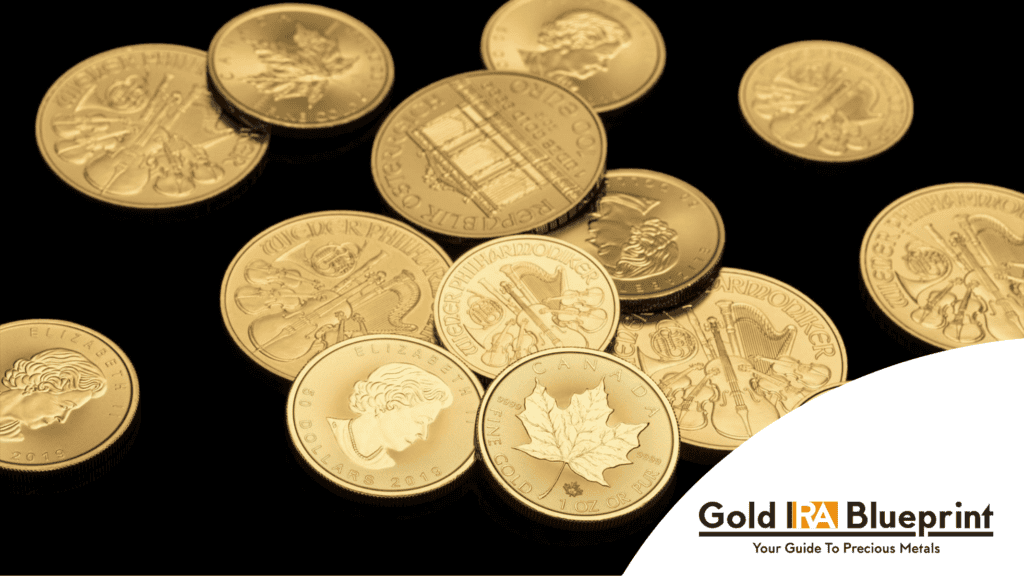
- Eligible Bullion Coins: American Platinum Eagle and Canadian Platinum Maple Leaf coins hold one troy ounce of .9995 fine platinum. The American Platinum Eagle carries a [$100] face value from the U.S. Mint. Government backing guarantees weight and purity.
- Investment Products with Platinum Exposure: Exchange-traded funds backed by physical platinum, mining company shares, and NYMEX futures give exposure without bar storage. Fund shares trade on stock exchanges during market hours. Mining shares add company risk to platinum price risk.
How can buyers evaluate platinum purity and authenticity?
Buyers can evaluate platinum purity and authenticity by checking hallmarks, assay certificates, weight, dimensions, and seller credentials. Purity marks distinguish platinum alloys, while independent testing helps detect counterfeit products and verify metal content before purchase or resale.
Buyers can evaluate platinum purity and authenticity by following the five steps listed below.
How Gold Performed During Every Stock Market Crash
See the data: when stocks dropped 19.4% in 2022, gold only fell 4.3%. Compare gold's downside protection across decades of market volatility and economic crises.
Compare Crash Performance- Check the purity marks. Platinum jewelry carries Pt950, Pt900, 950 Plat, or Plat stamps near the clasp or inside the band. Bullion carries .9995 or Pt999 marks with a refiner logo. A missing or blurry stamp warrants further testing.
- Request the documentation. Sellers provide invoices, assay certificates, and serial numbers that match the product. Sealed assay cards from accredited refiners confirm origin and purity. Receipts record the weight, purity, price, and date of sale.
- Verify the weight and dimensions. A scale reads one troy ounce as 31.1035 grams, and a caliper confirms bar or coin size. Platinum has a density of 21.45 grams per cubic centimeter, which exceeds gold at 19.3. Weight or size mismatches signal counterfeits.
- Choose reputable sellers. Reputable sellers publish buyback terms, return policies, and refiner sourcing. The U.S. Mint and Royal Canadian Mint sell through authorized distributors. Prices far below spot signal counterfeit or fraud risk.
- Test the item independently when necessary. X-ray fluorescence (XRF) analyzers read composition in seconds without damage. Jewelers and assayers run XRF scans, and fire assay confirms purity with the highest accuracy. Testing confirms markings before purchase or resale.
Hallmarks, paperwork, weight, seller reputation, and independent testing verify platinum purity. Warning signs include prices far below spot, missing stamps, mismatched weights, and vague descriptions (platinum plated, platinum look, platinum tone). Misleading terms hide low platinum content.
What costs should buyers compare before purchasing platinum?
Spot value, dealer premiums, fabrication charges, shipping, insurance, and applicable taxes are the costs buyers should compare before purchasing platinum. The current spot value is [$1,670.00] per troy ounce of platinum.
Buyers should compare the factors shown in the table below before purchasing platinum.
| Cost | Role | Typical Range |
| Spot Value | Base price of the platinum content | [$1,670.00] per troy ounce |
| Dealer Premiums | Dealer margin over spot for bars and coins | 4% to 12% above spot, or [$67 to $200] per ounce |
| Fabrication Charges | Labor and finishing for jewelry | [$100 to $1,000] per piece, depending on complexity |
| Shipping | Insured delivery of the product | [$15 to $50] per order |
| Insurance | Coverage during transit and storage | 0.5% to 1% of insured value annually |
| Applicable Taxes | State sales tax and reporting rules | 0% to 10%, depending on the state and purchase |
What are the benefits and risks of platinum investing?
The benefits and risks of platinum investing are diversification, industrial demand exposure, and scarcity on one side, and price volatility, supply concentration, and demand uncertainty on the other. Platinum adds precious metal diversification because the price follows industrial cycles instead of central bank buying. Platinum trades 43% below the record high, and WPIC forecasts above-ground stocks below three months of demand. Price volatility is high, as a 5.33% one-day drop shows. Platinum pays no interest or dividends, and storage, insurance, and dealer premiums of 4% to 12% raise the cost of ownership. Battery electric vehicles threaten long-term automotive demand, which accounts for about 40% of the total. Concentrated mining in South Africa (70% of supply) adds geopolitical and operational risk. Platinum trades at 40% of the gold price, which reflects weaker safe-haven demand.
How does investing in platinum compare with investing in gold through a Gold IRA?
Investing in platinum compares with investing in gold through a Gold IRA by purity rules, price volatility, and demand drivers. The Internal Revenue Service (IRS) requires 99.95% fineness for platinum and 99.5% fineness for gold in a self-directed IRA. A custodian and an IRS-approved depository hold the metal, so owners do not take personal possession. Gold at [$4,186.90] per troy ounce trades 25% below its record high, while platinum trades 43% below its record high. Platinum depends on industrial demand, and gold depends on central bank buying and safe haven flows. Annual contribution limits of [$7,500] ([$8,600] at age 50 and older) apply across a Gold IRA and other IRA accounts.
How can investors gain exposure to platinum?
Investors gain exposure to platinum by purchasing physical bullion, exchange-traded products, mining shares, or regulated futures contracts. Each method differs in ownership structure, trading liquidity, fees, and risk, helping investors compare options based on investment goals and risk tolerance.
Plan Your Gold IRA Distributions Strategically
Calculate which ounces to sell, when to take distributions, and how to minimize tax impact. Get your personalized RMD strategy based on current gold prices and IRS tables.
Create My RMD PlanInvestors gain exposure to platinum through the following investment methods listed below.
- Physical Platinum Ownership: Investors buy .9995 fine bars and coins and pay dealer premiums of 4% to 12% above spot. Storage and insurance add recurring costs. Owners sell back to dealers at spot minus 1% to 5%.
- Exchange Traded Products: Exchange-traded funds hold allocated platinum bars and trade on stock exchanges at intraday prices. Fund shares settle through brokerage and retirement accounts. Annual management fees reduce the return to holders.
- Mining Shares: Shares of platinum producers in South Africa, Zimbabwe, and North America rise with platinum prices and company margins. Labor costs, power supply, and ore grades affect profits. Producers pay dividends when margins allow.
- Platinum Futures and Options: NYMEX platinum futures (50 troy ounce contracts) and options trade on CME Group exchanges with daily settlement. Leverage magnifies gains and losses, and one contract controls about [$83,500] of platinum. Margin requirements apply to each contract.
What factors should investors assess before buying platinum?
The factors investors should assess before buying platinum are investment objectives, risk tolerance, market conditions, fees, liquidity, and time horizon. Evaluating each factor helps investors compare ownership methods, understand potential losses, and determine whether platinum suits their financial goals.
Investors assess the factors before buying platinum by following the six steps listed below.
- Define the investment objectives. Objectives (diversification, speculation, retirement savings) determine the product choice and holding period. Physical bars suit long-term holders, and futures suit short-term traders. Written goals set the benchmark for later review.
- Measure the risk tolerance. Platinum fell 5.33% in 24 hours at one point, so holders face sharp swings. Position size limits the loss from a single sharp price drop. Leveraged futures raise the risk further.
- Study the market conditions. Researching supply and demand balances matters because WPIC forecasts a surplus and stocks below three months of demand. Automotive requirements evolve with battery electric adoption and palladium substitution. Interest rates and the U.S. dollar index shift sentiment.
- Compare the fees. Dealer premiums run 4% to 12% above spot, and fund management fees reduce annual returns. Storage and insurance add recurring costs for physical metal. IRA custodians charge setup and annual fees.
- Confirm the liquidity. Bars and coins from recognized refiners and mints resell quickly to dealers at spot minus 1% to 5%. Exchange-traded funds trade during market hours. Jewelry resells at metal value, not retail price.
- Set the time horizon. Platinum cycles span years, as a prior spike near [$2,300] and the record high of [$2,923.70] show. Short horizons expose holders to volatility, and long horizons expose holders to demand shifts.
Verifying product terms (purity, fees, storage, buyback policy) before purchase protects the investment. Licensed financial advisors and tax professionals provide guidance on retirement account purchases and large positions. Written records of each purchase support later review and tax reporting.
How does platinum compare with gold as an investment?
Platinum compares with gold as an investment by price behavior, industrial demand, supply concentration, and investment uses. Platinum trades at 40% of gold’s price. Platinum differs in risk and role from gold as an Investment.
Platinum compares with gold as an investment by the factors shown in the table below.
| Factor | Platinum | Gold |
| Historical price behavior | Prior spike near [$2,300], record high of [$2,923.70], currently 43% below the record | Record high of [$5,608.35], currently 25% below the record |
| Industrial demand | Automotive accounts for nearly 40% of demand, and chemical, glass, and electronics use it | Technology and dental uses are small; jewelry, central banks, and investment drive demand |
| Supply concentration | Five countries mine 97.7%; South Africa supplies 70% | Mining spans dozens of countries |
| Investment uses | Bars, coins, exchange-traded funds, futures, and IRA holdings at 99.95% fineness | Bars, coins, exchange-traded funds, futures, central bank reserves, and IRA holdings at 99.5% fineness |
Can platinum serve as a hedge against inflation?
No, platinum cannot serve as a hedge against inflation. Platinum prices track industrial demand and supply shocks, and the link to consumer price inflation is weak. U.S. inflation peaked at 9.1% during a recent surge, yet platinum traded near [$1,000] and failed to follow inflation higher. Platinum fell 5.24% over one month, while inflation concerns and Federal Reserve rate hike expectations weighed on precious metals. Gold carries central bank demand and safe-haven buying, which support its inflation-hedge role better than platinum.

One More Thing...
If you're serious about protecting your retirement, get the complete Gold IRA guide. It's free, there's no obligation, and it could be one of the smartest financial decisions you make.
Get Your Guide