The value of a gold quarter has no single fixed number. A gold quarter’s worth depends on plating, real gold content, condition, date, mint mark, authenticity, and recent sale prices. A coin labeled “gold” often refers to a gold-colored surface, not solid gold. Genuine gold content raises bullion value. A collectible standing raises the market price beyond face value. Plating alone adds little beyond the baseline value of a standard quarter. Checking composition, specifications, and market comparisons helps buyers, sellers, and collectors settle on an accurate number before a sale.
What is a Gold Quarter?
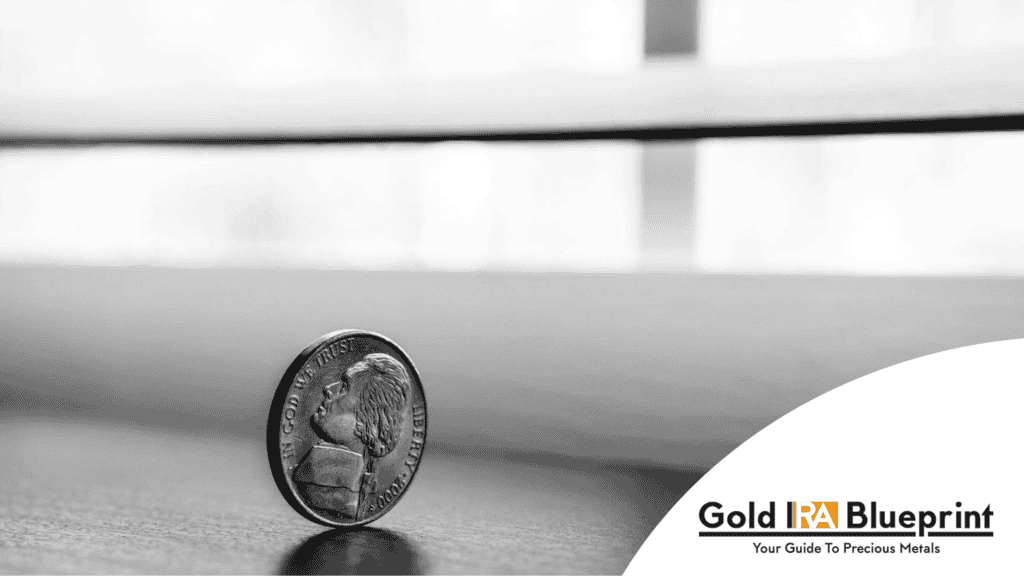
A gold quarter is a U.S. quarter that appears gold colored or contains some gold, but the term does not automatically mean the coin is made from solid gold. Some examples are gold-plated, commemorative, altered, or made from gold-colored materials. A genuine U.S. quarter normally contains copper and nickel rather than gold. A quarter containing real gold has a different composition and may hold precious-metal value. Date, mint mark, condition, authenticity, gold purity, and total gold weight affect its market value. Gold plating adds limited precious-metal value because the gold layer is thin. Collectible value depends on rarity, demand, historical significance, and recent sales.
How is a Gold Quarter Different From a Regular Quarter?
A gold quarter differs from a regular U.S. quarter through its appearance, composition, or treatment. A regular quarter uses the standard metal composition assigned to its issue, while a gold quarter might have a gold coating, special composition, or gold-like appearance. Gold appearance does not prove gold content. Gold-plated quarters contain a thin gold layer over another metal, while genuine gold coins contain measurable gold. Coin value depends on composition, condition, rarity, authenticity, and collector demand.
Ready to Protect Your Retirement?
Request your free State-Specific Gold IRA information kit and take the first step toward securing your financial future with precious metals.
Free Gold IRA GuideAre Gold Quarters Made From Solid Gold?
No, Gold quarters are not made from solid gold. The majority of coins with a gold-colored finish rely on plating, coating, or toning rather than solid gold construction. A small number of genuine gold-content pieces exist, though these differ from an average gold-coloured circulation quarter. Verification of specifications, weight, and metal composition confirms whether a single coin holds real gold.
What Determines Gold Quarter Value?
The value of a gold quarter depends on its metal content, rarity, condition, authenticity, and collector demand. Gold content affects value when the quarter contains genuine gold rather than a thin coating or gold colored finish. A common gold colored quarter might have little added value beyond its face value or collectible appeal. Rare issues can command higher prices when condition, historical significance, scarcity, or buyer demand support a premium. Authenticity remains important, as altered quarters may not carry the same value as officially issued gold coins.
How Much Will Your Gold IRA Really Cost?
See exactly how much you'll pay in setup, annual, and storage fees. Get personalized company recommendations based on your investment amount and retirement timeline.
Calculate My Total FeesDoes the Gold Content Affect Its Value?
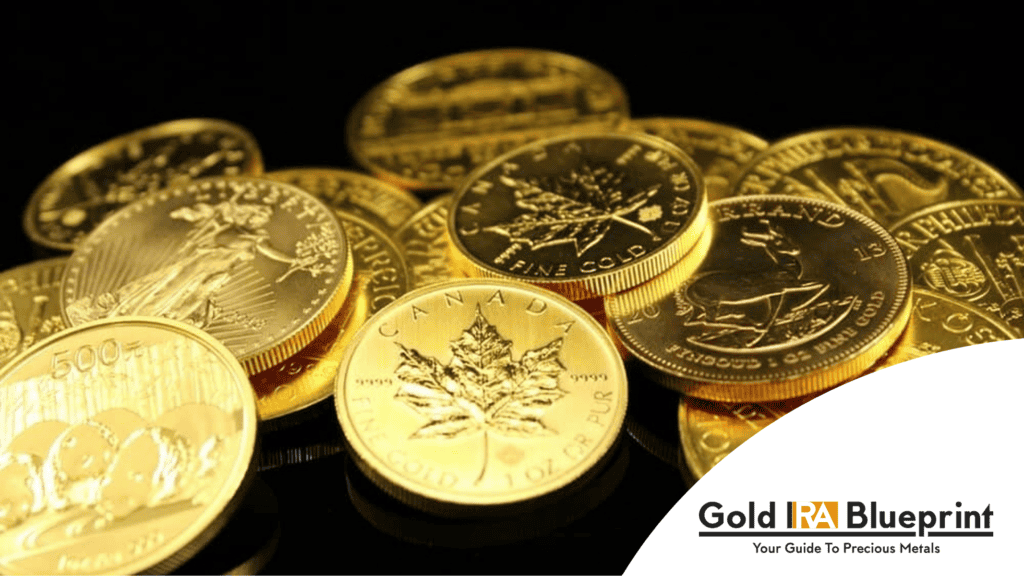
Yes, actual gold content affects its value. Gold weight and purity determine potential bullion value, based on the amount of genuine gold contained in the coin. Collectible premiums can raise the market price when rarity, condition, historical significance, or collector demand adds value beyond the metal itself.
Why do Some Quarters Look Gold?
Don't Pay More Taxes Than You Have To
The wrong Gold IRA choice could cost you thousands in unnecessary taxes. See exactly how much you'll pay in taxes with a Traditional vs. Roth Gold IRA. Compare both options side-by-side based on your age, income, and retirement timeline.
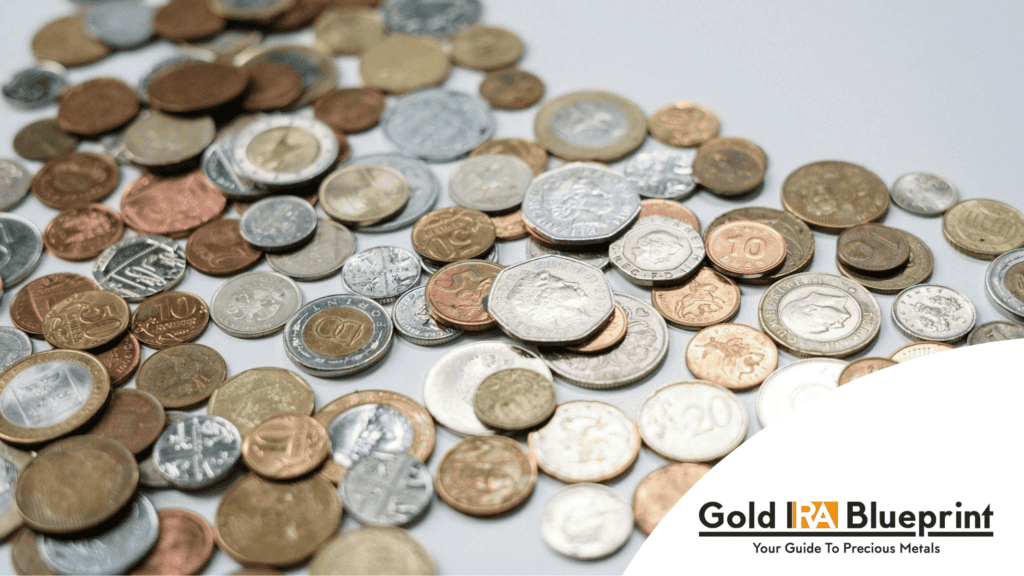
Some quarters look gold because of plating, coloring, surface treatment, environmental effects, or special finishes. A gold appearance does not necessarily indicate genuine gold content. Gold-plated quarters have a thin surface layer over another metal, while coloring or chemical treatment can create a similar appearance. Coin specifications and metal composition provide stronger evidence than color alone. Date, mint mark, issue details, and authentication records help identify whether a quarter contains genuine gold. Condition and rarity then help determine any additional collectible value.
What Makes a Quarter Gold Colored?
A quarter becomes gold colored through plating, coating, coloring, or a special finish. Such treatments change the coin’s surface appearance without substantially changing its underlying metal composition. Gold-colored surfaces do not indicate solid gold content. A plated quarter contains a thin layer of gold over another metal, whereas a genuine gold coin contains measurable gold throughout its composition. Coin specifications, weight, purity, and authentication provide stronger evidence of gold content.
Gold IRA Company Comparison Checklist
Before choosing a Gold IRA company, use our comprehensive checklist to compare fees, reputation, storage options, and customer service ratings.
Download ChecklistIs a Gold Colored Quarter Made of Gold?
No, a gold colored quarter is not necessarily made of gold. Gold coloring often results from plating, coating, coloring, or surface treatment applied to a regular quarter. Actual gold content requires verification through coin specifications, composition details, or professional authentication.
Are Gold Quarters Rare?
No, gold quarters are not necessarily rare. Rarity depends on the specific issue, production method, gold content, mintage, condition, and collector demand. Gold-plated quarters are generally different from officially issued gold coins. A genuine gold quarter from a limited issue might have collectible value beyond its gold content.
Which Gold Quarters are Collectible?
Gold quarter categories that draw collector interest are listed below.
Reserved for Portfolios of $500K or More
Your portfolio qualifies you for an exclusive one-on-one web conference with a senior precious metals advisor, priority service, and direct access to strategies reserved for our most valued clients.
Request Your Exclusive Guide- Commemorative Issues: Coins produced to mark a specific occasion, event, or series, carrying recognized collector appeal.
- Errors: Quarters carrying a documented minting mistake are regularly valued above a standard issue.
- Key Dates: Scarce production years or mint marks that collectors actively pursue.
- Special Finishes: Limited or officially issued finishes, produced in smaller runs than standard circulation coins.
- Condition: High-grade, well-preserved examples that draw stronger collector interest than worn coins.
Are Rare Gold Quarters Worth More Than Face Value?
Yes, a rare or collectible gold quarter can be worth more than its $0.25 face value. Rarity, condition, authenticity, gold content, and collector demand influence the premium. Gold appearance alone does not guarantee additional value. A gold-plated quarter might retain little added value, whereas a verified gold issue or scarce collectible quarter might command a higher price.
How can you Tell If a Gold Quarter Is Real?
Your Complete Gold IRA Beginner's Guide
No confusing jargon. No pressure. Just clear answers about how Gold IRAs work, what they cost, and whether they're right for your retirement. Get the facts before you invest.
Get Your Free Starter GuideA gold quarter is verified by checking its date, mint mark, specifications, weight, dimensions, and metal composition. Reliable references for the specific coin issue help identify expected characteristics and detect alterations. Professional testing provides stronger confirmation when unusual gold content or plating is suspected. Non-destructive methods, including X-ray fluorescence testing, help identify surface composition without damaging the coin. Authentication from a reputable grading service provides additional evidence for rare or valuable pieces.
What Should you Check on a Gold Quarter?
A gold quarter should be checked for its date, mint mark, condition, weight, dimensions, design, and surface. These details help identify the specific issue and compare the coin against reliable specifications. Signs of plating, alteration, damage, or unusual minting characteristics require closer examination. Weight and dimensions can reveal differences from official specifications. Surface inspection can identify uneven plating, wear, scratches, or other alterations. Such evidence helps assess authenticity and potential collectible value.
Can a Gold Quarter be Gold Plated?
Yes, a quarter can be coated with a thin layer of gold. Gold plating changes the coin’s appearance but does not make the entire coin solid gold. The underlying quarter remains composed of its original metal. Gold plating contains far less gold than a solid gold coin, so its bullion value is generally limited. Collectible value depends on the quarter’s issue, condition, authenticity, rarity, and collector demand.
Don't Choose Blindly
Selecting the right Gold IRA company is crucial for your retirement. Use our comprehensive comparison checklist to evaluate providers and make the best decision for your financial future.
Get Your ChecklistHow does a Gold Quarter Compare With a 1/4 Oz Gold Coin?
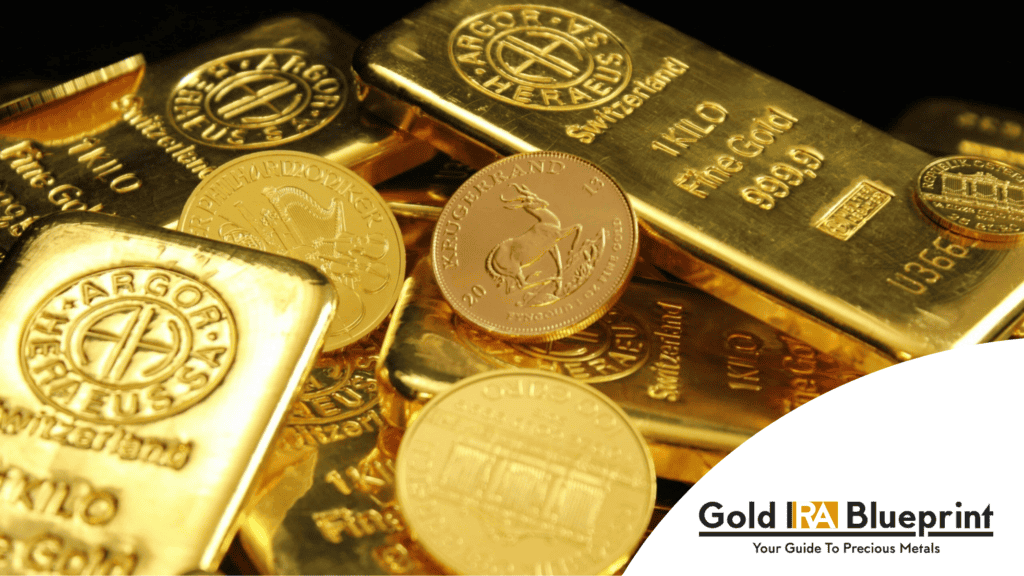
A gold quarter differs from a 1/4 oz gold coin mainly in gold content, composition, and value. A gold quarter might be a regular U.S. quarter that has been gold-plated or given a gold colored finish. A 1/4 oz gold coin contains approximately one-quarter troy ounce of genuine gold according to its specifications. Gold content gives a 1/4 oz gold coin a measurable bullion value. A gold-plated quarter contains a much smaller quantity of gold, so its precious metal value is generally limited. Coin condition, authenticity, rarity, purity, and collector demand influence additional numismatic value.
How do a Gold Quarter’s Gold Content and Value Differ From a 1/4 Oz Gold Coin?
A gold quarter’s gold content and value differ from a 1/4 oz gold coin mainly in gold content and bullion value. A gold colored quarter might contain little or no gold, whereas a genuine 1/4 oz gold coin contains approximately one-quarter troy ounce of gold according to its specifications. A plated quarter has limited bullion value because its gold layer is thin. A genuine 1/4 oz gold coin has a measurable precious-metal value based on its gold weight and purity. Collectibility, premiums, condition, authenticity, and current gold prices further influence market value.
How Gold Performed During Every Stock Market Crash
See the data: when stocks dropped 19.4% in 2022, gold only fell 4.3%. Compare gold's downside protection across decades of market volatility and economic crises.
Compare Crash PerformanceIs a Gold Quarter the Same as a Quarter Ounce of Gold?
No, a gold quarter is not the same as a quarter ounce of gold. A gold quarter might contain little or no gold when it is simply gold-plated or gold colored. A quarter ounce of gold refers to a specific weight of genuine gold, equal to 1/4 troy ounce.
How does a Gold Quarter Compare With Gold IRA Investments?
A gold quarter compared with Gold IRA Investments differs in purpose, ownership structure, custody, taxation, and costs. A gold quarter is generally a collectible or gold colored coin, whereas retirement account investments involve qualifying precious metals held under specific account rules. A gold quarter remains a physical coin outside a retirement account. Eligible precious metals held through a retirement account must meet applicable purity, form, and custody requirements. Administration, storage, and transaction expenses can affect retirement account costs, including Gold IRA.
How does a Gold Quarter Compare With Physical Gold and Gold ETFs?
A gold quarter compares with physical Gold and Gold ETFs in terms of gold content, ownership, liquidity, storage, and valuation. A gold quarter might be collectible or gold-plated, physical gold involves direct ownership of qualifying bullion, and a Gold ETF provides gold exposure through fund shares. A gold quarter’s value might depend more on rarity, condition, authenticity, and collector demand than on gold content. Physical gold has value linked to weight, purity, and market price. Gold ETFs provide indirect exposure to gold without the need to store physical bullion. Such differences define Gold ETF vs Physical Gold.
How does a Gold Quarter Compare With Gold Bars?
Gold quarters, compared with Gold Bars, differ in composition, gold content, purity, weight, and intended purpose. A gold quarter is generally a coin, altered quarter, or collectible piece, whereas gold bars are produced as investment bullion. Gold bars have clearly stated weight and purity, whereas a gold colored quarter might contain little or no gold. Market value depends on gold content, purity, premiums, condition, and collectibility, including Gold Bars.
Plan Your Gold IRA Distributions Strategically
Calculate which ounces to sell, when to take distributions, and how to minimize tax impact. Get your personalized RMD strategy based on current gold prices and IRS tables.
Create My RMD PlanHow can you Find the Value of a Gold Quarter?
The gold quarter value is found by identifying the coin, verifying its composition, assessing its condition, and comparing recent prices for the same issue. Date, mint mark, weight, dimensions, and design help establish the specific coin. Bullion value applies when the quarter contains genuine gold. Collectible value depends on rarity, condition, authenticity, historical significance, and collector demand. Recent sales provide useful market evidence. A professional coin appraisal provides additional verification when a quarter appears rare, unusual, or potentially valuable.
Where can you Check a Gold Quarter’s Value?
A gold quarter’s value can be checked through reputable coin catalogs, auction records, dealer listings, and professional grading services. Accurate comparisons require the exact date, mint mark, condition, composition, and issue. Completed sale prices provide stronger market evidence than asking prices. Dealer listings show current requested prices, but listed amounts do not confirm actual transaction values. Auction records can reveal prices paid for comparable coins in similar conditions.
Does the Current Gold Price Change Its Value?
Yes, the current gold price can change its value when it contains genuine gold. The effect depends on the amount and purity of gold present. Collector premiums can cause market value to differ from the underlying gold value. Rarity, condition, authenticity, historical significance, and collector demand can influence the final selling price. A gold-plated quarter generally has limited sensitivity to gold price changes because its gold layer contains little metal.

One More Thing...
If you're serious about protecting your retirement, get the complete Gold IRA guide. It's free, there's no obligation, and it could be one of the smartest financial decisions you make.
Get Your Guide