How Much Does a Gold Bar Weigh?
The standard bank bar is 400 troy ounces at .995 fineness or higher. Bar weights are gross weights, and the gold content equals the weight times the purity. This tool is educational and it is not financial advice.
Get the Free Gold IRA Guide
See the Best Gold IRA CompaniesGold bar weight ranges from 1 gram in the smallest bars to 400 troy ounces in the standard bank bar, which equals about 12.4 kg or 27.4 lb. Gold bars come in much smaller sizes, from 1 gram up to 1 kilo (1,000 g or about 32.15 troy ounces). The standard bar meets the Good Delivery rules at a minimum fineness of .995, which equals 99.5% pure gold. Banks and central banks hold the standard bar in vaults. Retail buyers choose the smaller sizes (1 g, 10 g, 1 oz, 100 g, 1 kg), since the sizes cost less per bar.
Each bar carries a stamped weight in troy ounces, grams, or kilograms, plus a fineness mark, a serial number, and the refiner’s name. One troy ounce equals 31.1035 g, so a 1 oz bar weighs about 31.1 g, and a 10 oz bar about 311 g. Refiners cast the large bars in molds, whereas minting presses produce the small bars. Gold density of 19.3 g per cubic centimeter keeps the bars compact relative to the weight stated on the stamp. Premiums, purity, and refiner brand adjust the price above spot. Live spot prices decide the actual value of any gold bar.
How Heavy is a Gold Bar?
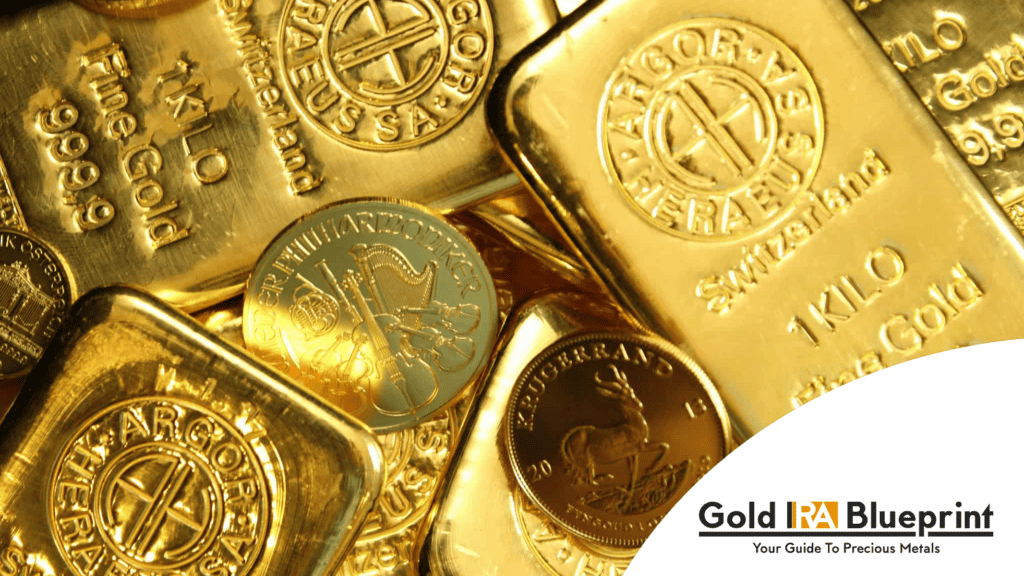
A gold barweighs 400 troy ounces in the standard size, which equals about 27.4 lb (439 avoirdupois oz) or 12.4 kg. Smaller bars range from 1 gram to 1 kilo, so the weight depends on the bar size. Gold bars are weighed in troy ounces, the unit that measures precious metals. The weight stamped on a bar is the gross weight of the whole piece. A 1 oz bar weighs about 31.1 g, whereas a 10 oz bar weighs about 311 g. A stamped weight, refiner mark, serial number, and fineness identify one bar of gold in any size. Pound, ounce, kilogram figures describe the same bar, so the unit matters. Weight, fineness, and brand shape each gold bar offered on the bullion market.
What is the Standard Gold Bar Weight?
The standard gold bar weight is 400 troy ounces, the size of the Good Delivery bar held by banks. Allowed weights run from 350 to 430 troy ounces per bar, so exact weights vary slightly. Minimum fineness is .995, which equals 99.5% pure gold. Each bar carries a stamp showing the refiner, serial number, weight, and fineness. The London Bullion Market Association sets the Good Delivery rules that refiners follow. A bar at 400 troy ounces weighs 12.44 kg, which fits a vault shelf easily. Bullion banks accept bars within the weight range from listed refiners. Central banks hold the same format in reserve vaults. The standard gold bar weight therefore links directly to the Good Delivery list.
Is a 400 oz Bar the Standard Gold Bar?
Yes, a 400 troy ounce bar is the standard gold bar for bullion banks or central banks. The bar weighs about 12.4 kg, which equals 27.4 lb. Exact weight varies a little, since the Good Delivery range runs from 350 to 430 troy ounces. Refiners cast each bar, then stamp the weight, fineness, and serial number on the surface. A stamped weight of 402.35 troy ounces is one example of the variation inside the range. Banks trade the bar by fine gold content, so the stamped figure matters at settlement. The 400 oz gold bar remains the reference size for wholesale bullion deals.
How Many Pounds does a Gold Bar Weigh?
A gold bar weighs about 27.4 lb in the 400 oz size, whereas smaller bars weigh far less. Pound weights depend on the bar size, so conversions help compare each option. The pound figures use the regular avoirdupois pound of 453.6 g, not the troy pound of 373.2 g.
The conversions are listed below.
- 400 oz Bar: about 27.4 lb
- 1 kg Bar: about 2.2 lb
- 10 oz Bar: about 0.69 lb
- 1 oz Bar: about 0.07 lb
The 400 oz bar weighs 12.44 kg, which equals 27.43 lb. A 1 kg bar holds 1,000 g, which equals 2.2046 lb. A 10 oz bar holds 311.035 g, whereas a 1 oz bar holds 31.1035 g. Pound conversions divide the gram weight by 453.592. A regular pound of gold equals 14.58 troy ounces, so a 1 lb gold bar is not a standard size. The nearest options are the 10 oz bar at 0.69 lb, the 1 kg bar at 2.2 lb.
Does a Troy Pound Equal a Regular Pound of Gold?
No, a troy pound does not equal a regular pound of gold. A troy pound holds 12 troy ounces, which equals about 373 g. A regular pound holds about 14.58 troy ounces, which equals about 454 g. The regular pound therefore weighs about 80 g above the troy pound. Gold trades in troy ounces, so the ounce count decides the price. Dealers quote bullion in troy ounces, grams, kilograms, so the regular pound rarely appears on a bar.
How Many Ounces are in a Gold Bar?
A gold bar holds the number of troy ounces in its name (1 oz, 10 oz, 400 oz). One troy ounce equals 31.1035 g, so a 10 oz bar weighs 311.035 g gross. The gold content equals the bar weight times its purity. A 10 oz bar at .9999 fineness holds 9.999 troy ounces of fine gold. A 400 oz bar at .995 fineness holds 398 troy ounces of fine gold. Ounce counts on bullion bars refer to troy ounces, not the regular ounce of 28.35 g. Pricing follows the fine gold content, so fineness changes the value. The weight of a gold bar in ounces therefore starts with the stamped figure.
Can a Gold Bar Weigh Less than One Troy Ounce?
Yes, a gold bar weighs less than one troy ounce in the small sizes. Refiners make bars of 1 g, 2.5 g, 5 g, 10 g, plus fractions of an ounce (1/2 oz, 1/4 oz, 1/10 oz). A 1 g bar holds about 0.032 troy ounces. A 10 g bar holds about 0.32 troy ounces. Small bars carry higher premiums per gram, since fixed production costs spread across little gold. Buyers choose small bars to sell a holding in portions. The smallest gold bar in common production weighs 1 g.
What are the Different Sizes of Gold Bars?
Gold bars come in sizes from 1 gram to 400 troy ounces. Each size suits a different budget, storage plan, and resale goal.
The common sizes are listed below.
- 1 g: A 1 g bar weighs 1 gram, which equals about 0.032 troy ounces. The bar suits first purchases. Premiums per gram run higher on the size, since fixed costs spread across little gold.
- 5 g: A 5 g bar weighs 5 grams, which equals about 0.16 troy ounces. The bar sits just above the entry tier. Buyers use the size to build a holding in small steps.
- 10 g: A 10 g bar weighs 10 grams, which equals about 0.32 troy ounces. The bar balances cost against gold content in the small range. Premiums per gram fall below the 1 g level.
- 1 oz: A 1 oz bar weighs 31.1 g, which equals one troy ounce. The size is the most recognized retail bar. Dealers quote the size against the spot price per troy ounce.
- 10 oz: A 10 oz bar weighs about 311 g, which equals ten troy ounces. The bar suits larger retail purchases. Premiums per ounce fall below the 1 oz level.
- 1 kg: A 1 kg bar weighs 1,000 g, which equals about 32.15 troy ounces. The bar suits buyers who consolidate capital into one unit. Premiums per ounce run lower, since production costs spread across a greater gold content.
- 400 oz: A 400 oz bar weighs about 12,441 g, which equals 400 troy ounces. The bar is the standard Good Delivery size held by banks. Central banks and bullion banks trade the bar in wholesale deals.
Bars of 3 oz (93.3 g), 4 oz (124.4 g), 16 oz (497.7 g), and 32 oz (995.3 g) exist in smaller production runs. Refiners cast the large bars in molds, whereas minting presses produce the small bars in the retail range. The range of gold bar sizes lets buyers match budget, storage, and resale plans.
How Many Grams are in a Gold Bar?
A gold bar holds a number of grams set by the bar size. A 1 oz bar holds 31.1 g, a 10 oz bar holds about 311 g, a 1 kg bar holds 1,000 g, a 400 oz bar holds about 12,441 g. Grams convert from troy ounces at 31.1035 g per ounce. Fine gold content in grams equals the gross weight times the fineness. A 100 g bar at .9999 fineness holds 99.99 g of fine gold. The gram count depends on the bar size, not the shape. Dealers outside the United States list bar weights in grams, so conversions help compare quotes. A conversion table for 1 gold bar in gram units keeps listings comparable.
Is a 1 Kilo Gold Bar about 32 Troy Ounces?
Yes, a 1 kilo gold bar holds about 32.15 troy ounces, which equals about 2.2 lb. The exact figure is 32.1507 troy ounces for 1,000 g of gold. Larger formats exist in the 5 kg, 10 kg, and 12.5 kg sizes. The 12.5 kg size sits close to the 400 oz bar at 12.44 kg. A 1 kg gold bullion bar suits buyers who want fewer, larger units.
How Big is a 1 oz Gold Bar?
A 1 oz gold bar is about the size of a credit card or smaller, a few millimeters thick. The exact size changes by maker, since each refiner uses its own mold or press. A 1 oz bar weighs 31.1 g, so the bar feels heavy relative to its size. A 10 oz bar is larger but remains easy to hold in one hand, at about 311 g. Gold density of 19.3 g per cubic centimeter explains the compact size. A 1 oz bar occupies about 1.6 cubic centimeters of metal. Converting 1 ounce of gold in grams gives 31.1 g, which fits the compact bar.
Do Bigger Gold Bars Cost Less per Ounce?
Yes, bigger gold bars generally cost less per ounce, since making a larger bar costs less per ounce. Dealers charge a smaller premium on the larger bar. The spot price stays the same for any bar size, so the premium makes the difference. A 1 oz bar at a sample 3% premium costs $4,000. A 10 oz bar at a sample 2% premium costs $80 per ounce. Premiums vary by dealer, so quotes need a live check. In the sample figures, the gold bar premium per gram decreases with larger bar size.
Why do Gold Bars Use Troy Ounces?
Gold bars use troy ounces because the troy system is the established standard for weighing precious metals, so bar weights match market price quotes. One troy ounce equals about 31.1 g, whereas the regular ounce used for food equals 28.35 g. The troy ounce is about 9.7% heavier. The troy system divides one troy ounce into 20 pennyweights, 480 troy grains. One pennyweight equals about 1.555 g, one troy grain equals about 0.0648 g. Metric grams appear on small bars. The unit keeps gold weight consistent across refiners, dealers, and vaults.
How Many Ounces are in a Pound of Gold?
A pound of gold holds 12 troy ounces in the troy system, whereas a regular pound holds about 14.58 troy ounces. In grams, a troy pound equals about 373 g, whereas a regular pound equals about 454 g. The unit decides the count, so the label matters. A regular pound exceeds the troy pound by about 2.58 troy ounces. Gold prices use troy ounces, so a pound of gold must convert before pricing. Dealers rarely sell gold by the pound, since bars carry troy ounce or gram labels. The count of ounces in a pound of gold depends on the pound type.
Is a Pound of Gold Really 12 Ounces?
Yes, a pound of gold equals 12 troy ounces in the troy system. A regular pound equals about 14.58 troy ounces, so the unit matters. Twelve regular ounces equal about 340 g, which is 10.94 troy ounces. Gold prices use troy ounces, so a quote for 12 ounces covers a troy pound. Labels that omit the word troy create pricing errors. Buyers confirm the unit before comparing offers.
How Many Ounces are in a Kilo of Gold?
A kilo of gold holds about 32.15 troy ounces because a kilo equals 1,000 grams. The exact conversion divides 1,000 g by 31.1035 g per troy ounce, which gives 32.1507 troy ounces.
The conversions for common kilo sizes are listed below.
- 1 kg: about 32.15 troy ounces, which equals 1,000 g
- 5 kg: about 160.75 troy ounces, which equals 5,000 g
- 10 kg: about 321.51 troy ounces, which equals 10,000 g
A kilo bar holds 32 times the gold of a 1 oz bar. The figures describe gross weight, so fine gold content depends on fineness. A kilo bar at .9999 fineness holds 32.147 troy ounces of fine gold. A kilo bar at .995 fineness holds 31.99 troy ounces of fine gold. Gold prices quote the troy ounce, so a kilo bar needs conversion before pricing. The sample spot price of $4,000 per troy ounce values a 1 kg bar at about $128,600. Listings of gold in kilograms use the same conversion.
Does a Troy Ounce of Gold Weigh More than a Regular Ounce?
Yes, a troy ounce of gold is heavier than a regular ounce. A troy ounce weighs about 31.1 g, whereas a regular ounce weighs about 28.35 g. The troy ounce is about 9.7% heavier, which rounds to 10%. A 10 oz bar in troy units weighs 311 g, whereas ten regular ounces weigh 283.5 g. The gap reaches about 1,100 g on a 400 oz bar. Gold prices quote the troy ounce, so an oz of gold weight refers to the troy ounce unless the label states otherwise.
How Heavy is a Cubic Foot of Gold?
A cubic foot of gold weighs about 1,200 lb, which equals about 546.5 kg. A cubic meter of gold weighs about 19,300 kg. Gold has a density of about 19.3 g per cubic centimeter, so weight scales directly with volume. One cubic foot holds 28,317 cubic centimeters, so 28,317 times 19.3 g equals about 546,500 g. That weight equals about 17,570 troy ounces. The sample spot price of $4,000 per troy ounce values a cubic foot at about $70,280,000. The cubic foot of gold weight shows why bullion gets counted by weight, not volume.
What is the Density of Gold?
The density of gold is about 19.3 g per cubic centimeter, which equals 19,300 kg per cubic meter. The high density makes a small bar feel very heavy relative to its size. A 1 kg bar occupies about 51.8 cubic centimeters. A 400 oz bar occupies about 645 cubic centimeters. Alloy metals (copper at 8.96 g per cubic centimeter, silver at 10.49 g per cubic centimeter) lower the density of lower-purity gold. Gold at .9999 fineness sits near 19.3 g per cubic centimeter. The volume of gold equals the weight divided by 19.3 g per cubic centimeter.
Is Gold Heavier than Lead?
Yes, gold is much heavier than lead by volume. Gold has a density of 19.3 g per cubic centimeter, whereas lead has a density of about 11.34 g per cubic centimeter. A cubic centimeter of gold weighs about 1.7 times a cubic centimeter of lead. Gold is denser than silver as well, which sits at about 10.49 g per cubic centimeter. The ratio to silver is about 1.84. Lead feels heavy in the hand, but gold outweighs lead in any equal volume.
How Much would a Million Dollars in Gold Weigh?
A million dollars in gold weighs about 7.78 kg at the sample spot price of $4,000 per troy ounce. The weight equals the dollar amount divided by the spot price per troy ounce, then multiplied by 31.1 g. The formula first converts the dollar amount into troy ounces, then converts the troy ounces into grams. The sample calculation divides $1,000,000 by $4,000, which gives 250 troy ounces. The 250 troy ounces weigh about 7,776 g, which equals 7.78 kg or 17.1 lb. A lower spot price raises the weight, whereas a higher spot price lowers the weight. A sample price of $3,000 gives about 333.33 troy ounces, which weigh about 10.37 kg. A sample price of $5,000 gives 200 troy ounces, which weigh about 6.22 kg. The result depends on the live spot price, so buyers recalculate before any purchase. Dealer premiums reduce the gold weight bought per dollar, since the premium adds to the price per ounce.
Can One Person Carry a Million Dollars in Gold?
Yes, one person can carry a million dollars in gold at the sample spot price of $4,000 per troy ounce, because the amount weighs about 7.78 kg. The answer depends on the spot price, so a lower price raises the weight. A sample price of $3,000 raises the weight to about 10.37 kg, which fits a backpack. Larger sums (500 million) exceed any carrying load. The formula divides $500,000,000 by $4,000, which gives 125,000 troy ounces. The 125,000 troy ounces weigh about 3,888 kg, which equals 3.9 metric tons. The weight is 500 times the 7.78 kg load of the first sample. A weight near 7.78 kg fits a small bag, whereas 3.9 metric tons needs a truck or a vault transfer. Dealers ship large amounts through insured freight, so carrying by hand is not practical.
How Much is a Gold Bar Worth?
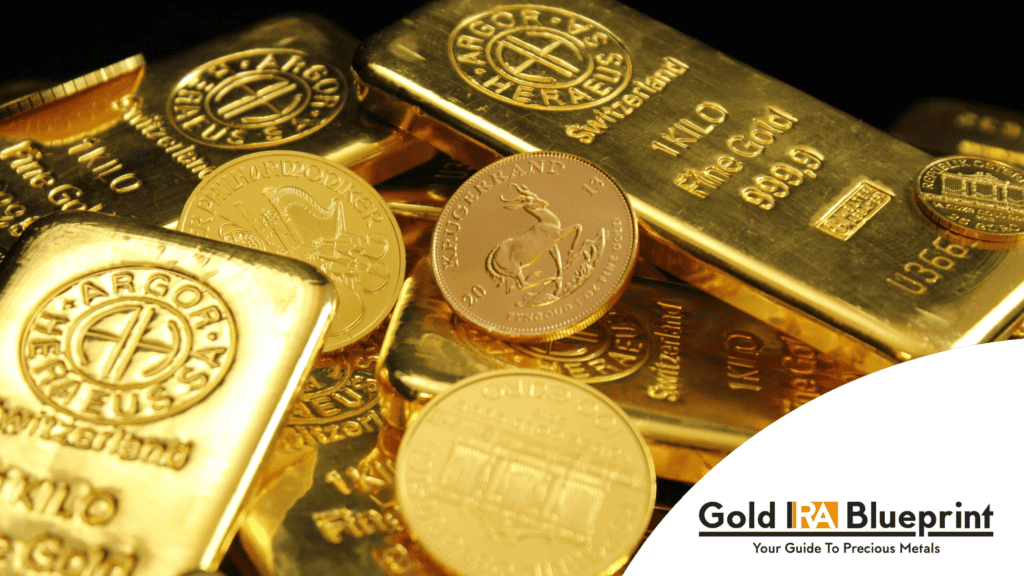
A gold bar is worth its weight in troy ounces times the spot price, plus the dealer premium. Fine gold content sets the value, so purity matters. Fine gold equals the stamped weight times the fineness. The sample figures below use a labeled spot price of $4,000 per troy ounce. A 1 oz bar equals $4,000 at spot, plus a sample 3% premium of $120, which gives $4,120. A 10 oz bar equals $40,000 at spot, plus a sample 2% premium of $800, which gives $40,800. Live spot prices change daily, so a buyer checks the current figure before any purchase. The gold brick value rises or falls with the spot price.
What is a 400 oz Gold Bar Worth?
A 400 oz gold bar is worth about 400 times the spot price per troy ounce. The sample spot price of $4,000 puts the bar at about $1,600,000. Fine gold content near 398 troy ounces at .995 fineness lowers the melt value to about $1,592,000. The value changes daily, since spot prices move with the market. Dealer premiums add to the price at purchase, though the premium per ounce stays low on a bar of this size. Buyers confirm the live spot price before relying on any figure.
Does a Gold Bar Sell for More than its Melt Value?
Yes, dealers sell a gold bar above its melt value. The premium covers minting, shipping, and dealer profit. Melt value equals the fine gold weight times the spot price. The premium shrinks on larger bars, since fixed costs spread across a bigger weight. A 1 oz bar carries a sample premium near 3%, whereas a 400 oz bar carries a sample premium near 1%. Buyback prices sit close to spot, so the resale price falls near the melt value minus a dealer spread.
How Much is a Pound of Gold Worth?
A pound of gold is worth the ounce count times the spot price per troy ounce. The sample spot price of $4,000 values a troy pound at $48,000, since 12 times $4,000 equals $48,000. The same price values a regular pound at about $58,333, since a regular pound holds 14.5833 troy ounces. Dealer premiums add to the retail price. Retail buyers rarely order a pound of gold, since bars carry gram or ounce labels.
Does the Price of Gold per Pound Change Daily?
Yes, the price of gold per pound changes daily, since gold trades through the day. The price per ounce moves with the market, so the price per pound moves in step. A $100 move in the ounce price shifts a troy pound by $1,200, since 12 times $100 equals $1,200. A regular pound shifts by about $1,458. Spot prices update during trading hours, so a quote holds for a short window. The gold price per pound needs a live check.
What are Gold Bars Called?
Gold bars are called ingots, bricks, blocks, or biscuits. The names describe a cast or minted piece of gold. Refiners stamp each bar with the refiner mark, weight, purity, and serial number. A 1 oz bar and a 400 oz bar carry the same stamped data, so the name does not change the value. The term bullion covers bars and coins valued by weight, not by face value. The kinds of gold bars differ in weight, shape, and finish, but each bar carries stamped weight and fineness.
How is a Gold Ingot Different from a Gold Bar?
A gold ingot is a block of gold cast in a mold, whereas a gold bar is the stamped bullion product sold by weight. The two words overlap in everyday use, so dealers treat them as near synonyms. Cast bars are thicker, since molten gold sets inside the mold. Small minted bars are flatter, since presses stamp a gold blank. The stamped weight and fineness matter more than the label. A gold ingot from a refiner carries the same stamped data as a bar.
Is a Gold Brick the Same as a Gold Bar?
Yes, a gold brick is the same as a gold bar. Brick, block, and biscuit are everyday names for a bar. Each name describes a rectangular piece of cast or minted gold. The 400 oz bar earns the brick label from its trapezoidal shape. Small bars rarely carry the brick label, since they look thin and flat. The stamped weight and fineness decide the value, not the name. Sellers use the phrase blocks of gold in casual descriptions.
What does a Gold Bar Look Like?
A gold bar looks like a rectangular piece of gold stamped by the refiner, showing the serial number, weight, and fineness. The 400 oz bar looks like a trapezoidal brick, wider at the top than at the base. Small bars look like thin rectangles, with a flat face for the stamp. Cast bars show a rough, matte surface, whereas minted bars show a smooth, mirror finish. The color is a deep yellow, since gold at .9999 fineness carries little alloy. A solid gold bar shows the same stamped data on the face.
Does Gold Purity Change How Much a Bar Weighs?
No, gold purity does not change how much a bar weighs, but purity changes the gold content. The stamped weight is the gross weight of the piece. The gold content equals the weight times the purity. A 100 g bar at .9999 fineness holds 99.99 g of gold, whereas a 100 g bar at .750 fineness (18k) holds 75 g. A 24k bar holds greater gold content than a lower purity bar of the same weight. The gold bar purity appears on the stamp as a fineness figure (.9999, .995). Fineness converts into karats or percentages, which Gold Purity measures for every bar.
How does a Gold Bar Compare with Other Gold Bullion?
A gold bar holds the same gold per troy ounce as other gold bullion, but bars generally carry lower premiums than coins. Gold bullion includes bars and coins. Bars sell by weight, so larger sizes carry lower premiums. Coins sell by weight plus a premium tied to the mint. The same gold content weighs the same in any shape, so a 1 oz bar and a 1 oz coin hold 1 troy ounce of fine gold. Alloy metals raise the gross weight of 22K coins (American Gold Eagle at 91.67%). Weight and fineness define b bullion gold in any shape. Bars and coins valued by fine gold content make up Gold Bullion.
Do Gold Coins Weigh Less than Gold Bars?
Yes, gold coins generally weigh less than gold bars, since bars reach 400 oz. Coins run at 1 oz or less (1/10 oz, 1/4 oz, 1/2 oz). A 1 oz coin, a 1 oz bar share the same nominal weight of one troy ounce. Alloy metals raise the gross weight of a coin above its gold content (the 1 oz American Gold Eagle weighs 33.93 g). A 1 oz coin at .9999 fineness weighs 31.11 g. The gold coin weight depends on denomination, purity, and alloy. Bars carry little alloy, so the gross weight sits close to the gold content, unlike the alloyed weight of Gold Coins.
What is the Largest Gold Bar?
The largest gold bar is a showpiece, not a product made for buyers. The standard large bar is the 400 oz bar, which weighs about 12.4 kg. A few very large showpiece bars weigh hundreds of kilograms, with the largest at 250 kg. The 250 kg weight equals about 8,038 troy ounces. The sample spot price of $4,000 values the bar at about $32,150,000. Showpiece bars exist for display, record claims. The biggest gold bar therefore sits outside the retail market.
How Much does the Biggest Gold Bar Weigh?
The biggest gold bar weighs 250 kg, which equals about 551 lb. The standard large bar weighs about 12.4 kg, so the biggest bar equals about 20 standard bars. Showpiece bars hold about 8,038 troy ounces of gold. The weight exceeds what one person lifts, so handling needs equipment. Producers cast big bars of gold at the showpiece scale, since minting presses handle small blanks.
Can Anyone Buy the Biggest Gold Bar?
No, buyers cannot purchase the biggest gold bar, since showpiece bars are not sold to the public. The answer depends on the bar size, since the standard sizes enter the market, whereas showpiece sizes do not. A 400 oz bar is available through a dealer. The 400 oz bar costs about $1,600,000 at the sample spot price of $4,000 per troy ounce, so purchases involve large capital and vault storage. Dealers arrange delivery, insurance, secure storage. Buyers verify the refiner, serial number, and fineness before payment. Smaller bars from 1 g to 1 kg suit retail budgets.
How do you Store Heavy Gold Bars?

Heavy gold bars are stored in a secured vault or an approved depository, since a 400 oz bar weighs about 27.4 lb. The weight means the bar is not handled like small bars. Vault staff move heavy bars by cart or lifting aid. Insurance, audits, and serial number records protect the holding. Small bars (1 oz, 10 oz) fit in a safe or a safe deposit box. Storage fees depend on the bar weight, the vault, and the insurance coverage.
Where do Gold IRA Depositories Keep Gold Bars?
Gold IRA depositories keep gold bars in secured vaults, separate from other owners’ metal when the account is segregated. Segregated accounts hold each owner’s bars apart, so the serial numbers match the account records. Commingled accounts pool bars of the same type, so the owner receives equal weight and fineness at withdrawal. Depositories record each bar by refiner, weight, fineness, and serial number. Insurance, audits, and controlled access protect the metal inside the vault. A 400 oz bar at 27.4 lb sits on a vault shelf, whereas small bars (1 oz, 10 oz) take little space. An approved depository holds IRA metal under custodian oversight, so the owner does not take personal possession. Secure storage, insurance, and record-keeping form the core services of Gold IRA Depositories.
Can you Use Gold IRA Home Storage for Large Bars?
Gold IRA home storage for large bars depends on the account structure, since home storage rules differ from depository storage rules. IRS rules generally require IRA metal to stay in the physical possession of a bank or an approved nonbank trustee. Personal possession of IRA metal risks treatment as a taxable distribution. A 400 oz bar at 27.4 lb adds security, but raises insurance concerns at home. Custodian terms decide which storage option applies. Depository storage keeps the bar in a secured vault under insurance and audits. Home storage structures need legal review before purchase, since a mistake creates tax consequences. Retirement metal kept at home falls under Gold IRA Home Storage rules, which differ from depository requirements.
What Gold Bars can a Gold IRA Hold?
A Gold IRA holds gold bars at .995 fineness (99.5%) or higher from an accepted refiner. The IRS purity standard sets the minimum fineness, so a .9999 bar qualifies whereas a .900 bar does not. Bar weight is not the rule, since purity and refiner decide eligibility. A 1 oz bar, a 10 oz bar, and a 1 kg bar qualify when the purity and refiner conditions hold. The custodian confirms the bar before purchase. Depositories accept bars by the refiner list, so weight alone does not decide acceptance.
Does a Gold IRA Bar Need to be 99.5 Percent Pure?
Yes, a gold bar in a Gold IRA generally needs at least 99.5% purity, which equals .995 fineness. A bar at .9999 fineness qualifies, whereas a .900 bar does not. The standard applies to the gold content, not the weight, so a 1 oz bar and a 400 oz bar face the same rule. Statutory exceptions apply to specific US coins (American Gold Eagle at 91.67%). The custodian confirms eligibility before each purchase.

One more thing
Get your complete Gold IRA guide
It’s free, there’s no obligation, and it could be one of the smartest financial decisions you make for your retirement.
Get your guide