Gold rates increase when demand rises relative to supply or when market conditions make gold more attractive to investors. Inflation concerns, lower real interest rates, geopolitical risks, and increased central bank purchases can contribute to rising gold prices. Changes in currency values and investor expectations also influence gold prices by affecting demand and its perceived value in global markets.
Gold prices also respond to changes in investor confidence and conditions across financial markets. During periods of market volatility, some investors shift funds toward gold to diversify their holdings or reduce exposure to riskier assets. Strong purchases by central banks can provide additional support when official institutions increase their gold reserves. Meanwhile, disruptions to mining operations, higher production costs, or changes in recycled gold supply can affect the amount of metal available to buyers. Seasonal jewelry demand and purchases from major gold-consuming countries can further influence market prices. The combined effect of these factors determines whether gold prices continue rising or experience a temporary decline.
What Factors Affect Gold Prices?
Gold prices respond to several economic and market factors that influence investment demand, physical consumption, and available supply. Changes in these factors affect how investors, central banks, and consumers value gold. Market expectations also influence prices, as traders react to economic reports and anticipated policy decisions. Understanding these drivers helps explain why gold prices rise during some periods and decline during others.
Ready to Protect Your Retirement?
Request your free State-Specific Gold IRA information kit and take the first step toward securing your financial future with precious metals.
Free Gold IRA GuideThe factors affecting gold prices are listed below.
- Interest Rates: Changes in real interest rates affect gold’s relative attractiveness. Lower real yields often support gold, while higher yields increase the appeal of interest-bearing assets.
- Currency Values: The US dollar influences internationally quoted gold prices. A weaker dollar often supports gold prices, while a stronger dollar can place downward pressure on them.
- Inflation: Inflation concerns and expectations influence gold demand as investors assess its potential role in preserving purchasing power.
- Jewelry and Industrial Demand: Physical gold consumption in jewelry, technology, and other applications contributes to overall market demand.
- Central Bank Activity: Official gold purchases increase market demand, while sales can add supply and affect prices.
- Mining Supply: Mine production and recycled gold influence the amount of metal available to the market.
How Do Interest Rates and the US Dollar Influence Gold Prices?
Interest rates and the US dollar influence gold prices by changing the opportunity cost of holding gold and its affordability for international buyers. Higher real interest rates often pressure gold prices because gold does not pay interest, while lower real rates tend to support demand. A stronger US dollar can make gold more expensive for buyers using other currencies, whereas a weaker dollar often supports international demand. These relationships are not fixed rules, since market expectations, investor sentiment, and central bank activity also influence prices. Investors often monitor Federal Reserve policy announcements and Treasury yields to assess potential changes in gold prices. Unexpected shifts in interest rate expectations or currency strength can trigger short-term price movements as markets adjust to new economic information.
How Much Will Your Gold IRA Really Cost?
See exactly how much you'll pay in setup, annual, and storage fees. Get personalized company recommendations based on your investment amount and retirement timeline.
Calculate My Total FeesDoes Gold Become More Attractive When Interest Rates Fall?
Yes, gold often becomes more attractive when interest rates fall, particularly when real interest rates decline. Lower yields reduce the opportunity cost of holding gold compared with interest-bearing assets. Expectations of further rate cuts can increase investment demand before the cuts occur. However, gold prices do not always rise after rate reductions, since currency movements, inflation expectations, and broader market conditions also affect demand. Investors often track Federal Reserve announcements and inflation reports to assess whether lower rates are likely to support gold prices. The effect also depends on whether rate cuts were already expected by the market or represent an unexpected change in monetary policy.
How Does Gold Demand Affect Its Market Price?
Gold demand affects its market price by influencing how much buyers are willing to pay for the available supply. Investment purchases, jewelry consumption, central bank buying, and demand for gold-backed products all contribute to market demand. When demand increases faster than supply, gold prices often rise as buyers compete for available metal. Conversely, weakening demand can place downward pressure on prices, particularly when supply remains stable or increases. Investor sentiment, economic uncertainty, and changes in interest rates also influence how much gold buyers seek. The combined effect of these factors determines how demand influences gold’s market value.
Don't Pay More Taxes Than You Have To
The wrong Gold IRA choice could cost you thousands in unnecessary taxes. See exactly how much you'll pay in taxes with a Traditional vs. Roth Gold IRA. Compare both options side-by-side based on your age, income, and retirement timeline.
Why Do Central Banks Buy More Gold?
Central banks buy gold to diversify foreign reserves and manage exposure to currency and geopolitical risks. Gold serves as a reserve asset that does not depend directly on another country’s promise to repay a debt. Purchases also help central banks diversify their holdings beyond foreign currencies and government securities. Sustained central bank buying adds demand to the gold market and can support prices, especially when purchases coincide with strong investment demand. However, each institution follows its own reserve strategy based on financial stability, liquidity needs, and national economic priorities.
Can Higher Demand for Gold Push Prices Up?
Yes, higher demand for gold pushes prices upward when available supply fails to meet market demand. Investment buying, jewelry purchases, and central bank acquisitions contribute to upward price pressure. Mining production, recycling, market expectations, and economic conditions influence the final price movement. Gold-backed exchange-traded funds attract investment during periods of economic uncertainty and currency weakness. Rising prices encourage gold owners to sell existing holdings, adding recycled gold to market supply. Stronger demand relative to available supply creates upward price pressure, while increased supply weakens that effect.
Gold IRA Company Comparison Checklist
Before choosing a Gold IRA company, use our comprehensive checklist to compare fees, reputation, storage options, and customer service ratings.
Download ChecklistHow Does Inflation Affect Gold Prices?
Inflation affects gold prices by changing purchasing power concerns, interest rates, and investor demand. Gold attracts buyers seeking to preserve wealth when inflation concerns rise, especially when real interest rates remain low. However, gold is not a guaranteed inflation hedge, and prices can fall while inflation remains elevated. Rising consumer prices increase concerns about currency purchasing power, encouraging investors to consider gold as a store of value. Central bank interest rate decisions influence gold demand by changing the relative appeal of interest-bearing assets. A stronger US dollar often places downward pressure on gold prices because gold becomes more expensive for buyers using other currencies. Market expectations about future inflation and monetary policy further influence investment decisions and gold price movements.
Why Do Investors Buy Gold During Inflation?
Investors buy gold during inflation to diversify portfolios and seek protection against declining purchasing power. Gold is a tangible asset with limited natural supply, which appeals to investors concerned about currency depreciation. However, short-term performance depends on interest rates, the US dollar, and market expectations, so protection against inflation is not guaranteed. Gold ownership offers a cash alternative when rising prices reduce the value of savings. Investment demand tends to strengthen when confidence in currencies or financial markets weakens. Lower real interest rates reduce the opportunity cost of holding gold, which pays no interest. Gold prices remain sensitive to monetary policy decisions and shifts in investor sentiment, even during periods of persistent inflation.
Reserved for Portfolios of $500K or More
Your portfolio qualifies you for an exclusive one-on-one web conference with a senior precious metals advisor, priority service, and direct access to strategies reserved for our most valued clients.
Request Your Exclusive GuideDoes Gold Help Protect Wealth When Purchasing Power Falls?
Yes, gold helps preserve wealth over certain long periods, but its price does not consistently maintain purchasing power across every time frame. Currency weakness and economic uncertainty support gold demand, although market prices remain vulnerable to substantial declines. Gold offers portfolio diversification rather than a guaranteed store of value. Investment outcomes depend on purchase prices, holding periods, inflation rates, and market conditions. Physical gold ownership involves storage costs, insurance expenses, and potential transaction fees.
Why Is Gold So Expensive Compared With Other Assets?
Gold is expensive compared with other assets because of its scarcity, durability, global acceptance, and established role as an investment and reserve asset. Jewelry purchases, central bank holdings, investment demand, and limited mining supply contribute to its market value. Governments, financial institutions, and investors recognize gold as a store of value across international markets. Mining requires substantial resources, and new production responds slowly to changes in demand. Comparisons with stocks, bonds, and real estate depend on risk, income potential, practical uses, and price volatility.
Your Complete Gold IRA Beginner's Guide
No confusing jargon. No pressure. Just clear answers about how Gold IRAs work, what they cost, and whether they're right for your retirement. Get the facts before you invest.
Get Your Free Starter GuideHow Does Gold Compare With Silver as an Investment?
Gold and silver differ in market demand, price volatility, and investment uses. Gold serves as a reserve asset and investment holding, while silver has substantial industrial demand in electronics and solar technology. Silver prices tend to experience larger percentage swings during certain market conditions, creating greater short-term price risk. Gold generally attracts investors seeking monetary protection and portfolio diversification. Both precious metals remain exposed to market fluctuations, and neither guarantees investment returns. Gold typically commands a higher price per ounce because of its monetary role and investment demand. Silver prices respond more directly to changes in industrial activity and manufacturing demand. Investment choices depend on financial goals, risk tolerance, and the intended holding period.
Can Gold Prices Rise Faster Than Silver Prices?
Yes, gold prices can rise faster than silver prices during certain periods, although silver can outperform gold during other market cycles. Relative performance depends on investment demand, industrial activity, interest rates, and economic expectations. Gold prices tend to respond to safe haven demand, while silver prices face additional pressure from changes in manufacturing activity. Comparing percentage returns over the same period provides a clearer measure of performance than comparing prices per ounce.
How Is the Price of Gold Determined?
Don't Choose Blindly
Selecting the right Gold IRA company is crucial for your retirement. Use our comprehensive comparison checklist to evaluate providers and make the best decision for your financial future.
Get Your ChecklistGold prices are determined by trading activity in global markets, where buyers and sellers respond to supply, demand, and new information. Spot market trading, futures contracts, investment flows, and internationally recognized benchmark prices help establish market quotations. Retail prices for jewelry, bars, and coins include additional costs from fabrication, dealer premiums, and applicable taxes. Mining output, recycled gold supply, central bank purchases, and investor sentiment influence market prices. Currency movements and interest rate expectations further affect gold valuations across international markets. Geopolitical tensions and economic uncertainty influence investor demand for gold as a safe haven asset. Changes in market liquidity and trading activity contribute to short-term price fluctuations.
Who Determines the Global Gold Price?
The global gold price emerges from trading activity across international bullion markets rather than from a single government or company. The London Bullion Market Association administers the LBMA Gold Price benchmark, which is established through an electronic auction process operated by ICE Benchmark Administration. Major trading centers, including London, New York, and Shanghai, contribute to global price discovery through spot transactions and futures trading. Central banks, mining companies, financial institutions, and investors influence market demand and supply, shaping the price quoted worldwide. Currency exchange rates influence gold prices in local markets by changing the cost of purchasing gold across countries. Retail dealers set final selling prices by adding premiums, fabrication expenses, and applicable taxes to the underlying market price.
Do Currency Exchange Rates and Import Costs Affect Local Gold Prices?
Yes, currency exchange rates and import costs affect local gold prices even when the international gold price remains unchanged. A weaker local currency increases the cost of purchasing gold priced in US dollars. Import duties, shipping fees, insurance costs, taxes, and dealer premiums add further expenses to the final retail price. Local buyers gain a clearer price comparison by converting the international spot price into local currency before evaluating the retail price. Differences from the converted spot price reflect additional costs, market conditions, and dealer pricing.
How Gold Performed During Every Stock Market Crash
See the data: when stocks dropped 19.4% in 2022, gold only fell 4.3%. Compare gold's downside protection across decades of market volatility and economic crises.
Compare Crash PerformanceWill Gold Prices Increase or Decrease in the Future?
No, Gold prices do not follow a guaranteed upward or downward trend because economic conditions, investor demand, interest rates, currency movements, and global uncertainty influence future price changes. Central bank purchases and changes in gold supply affect market demand. A stronger US dollar and higher real interest rates place downward pressure on gold prices. Lower real interest rates and stronger investment demand support potential price increases. Historical data and market analysis help assess possible trends, but future prices remain uncertain.
What Does Gold Price Analysis Reveal About Future Trends?
Gold price analysis reveals possible future trends by evaluating historical movements, economic indicators, and market conditions. Analysts examine price charts, moving averages, support and resistance levels, interest rate expectations, and demand data to assess potential price direction. The findings help identify potential investment opportunities and market risks. Rising prices above resistance levels indicate stronger buying pressure, while declines below support levels suggest weakening demand. Changes in central bank purchases, inflation data, and currency strength provide additional context for price movements. Gold price analysis identifies possible scenarios, but no method guarantees accurate predictions of future prices.
Can Gold Prices Fall Even When Economic Uncertainty Remains High?
Yes, gold prices can fall during economic uncertainty when other market forces outweigh safe haven demand. A stronger US dollar, rising real yields, forced selling, and profit taking place downward pressure on gold prices. Economic uncertainty alone does not determine price direction, so market indicators require joint assessment. Higher interest rates reduce gold’s appeal by increasing the relative attractiveness of interest-bearing assets. Changes in investor sentiment and market liquidity further influence gold demand and short-term price movements.
Plan Your Gold IRA Distributions Strategically
Calculate which ounces to sell, when to take distributions, and how to minimize tax impact. Get your personalized RMD strategy based on current gold prices and IRS tables.
Create My RMD PlanHow Does a Rising Gold Rate Affect the Value of a Gold Quarter?
A rising gold rate increases the metal value of a gold quarter when its gold content remains unchanged. The coin’s value depends on its actual gold weight and purity rather than its name or size. A coin containing purer gold generally has a higher melt value at the same market rate. Resale prices depend on collector demand, coin condition, dealer premiums, and transaction costs. Buyers assessing how much a gold quarter is worth need to distinguish its metal value from its potential collector value. The coin’s actual gold content determines how strongly its melt value responds to market price changes. Checking the coin’s specifications and current gold rate provides a more reliable valuation. The guide to Gold Quarter explains the factors that influence the coin’s worth.
How Do Rising Gold Prices Affect the Value of Gold Bars?
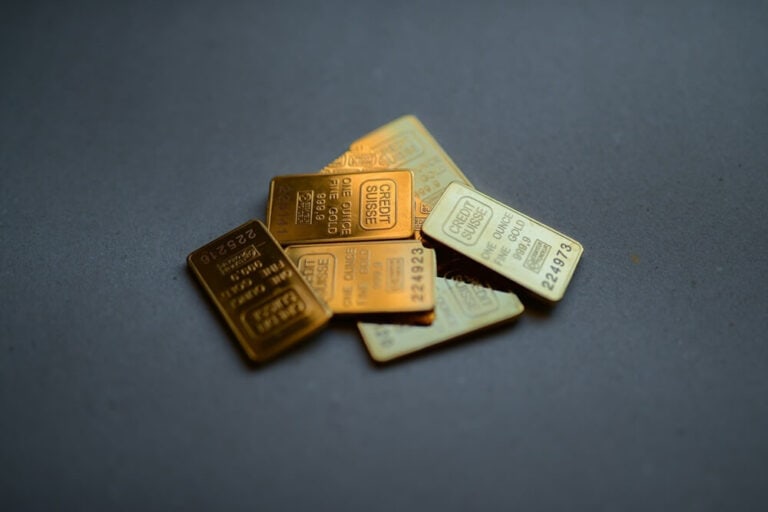
Rising gold prices affect the market value of gold bars by increasing their metal value when weight and purity remain unchanged. The value depends on the amount of pure gold each bar contains and the current market rate. Dealer premiums, manufacturing costs, and resale fees influence the final selling price. Larger bars contain more gold, while smaller bars offer lower purchase costs and greater flexibility for buyers. Gold bar weight and size help determine metal value and resale potential. Changes in market demand and currency exchange rates influence the final price buyers pay. Checking the bar’s purity, weight, and current gold rate provides a clearer valuation. The guide to Gold Bars explains the available weights and sizes.
How Do Rising Gold Prices Affect the Value of Gold Coins?
Rising gold prices affect the value of gold coins by increasing their metal value according to their gold content and purity. Coins with higher pure gold content gain more metal value from the same increase in the market rate. Collector demand, rarity, historical significance, and condition influence prices beyond the underlying gold value. Buyers assessing gold coin weight, size, and purity gain a clearer estimate of a coin’s metal value and potential resale price. Coins with recognized historical or collectible appeal sometimes sell above their metal value. Comparing current gold rates with dealer offers helps establish a more realistic resale estimate. The guide to Gold Coins explains coin weights, sizes, and purity.

One More Thing...
If you're serious about protecting your retirement, get the complete Gold IRA guide. It's free, there's no obligation, and it could be one of the smartest financial decisions you make.
Get Your Guide